STEAM
InkQuest
Junior investigative journalists at a school newspaper collect data, analyze patterns, identify bias, and write articles. Addresses data literacy + media literacy simultaneously.
▶ Play it nowBuilt for sittings of about 20 minutes on the screen. That is our design budget, not a measurement.

Meet your mentor
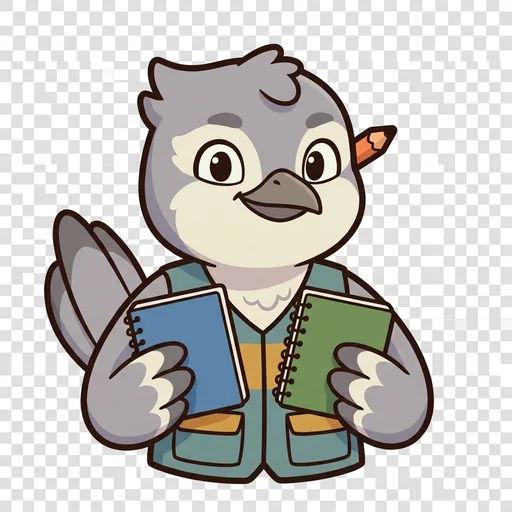
Every Spark & Anvil app has a friendly mentor character that demonstrates, asks, and patiently scaffolds learning. On-device AI personalizes the mentor's responses to your kid's progress — never connecting to a server, never collecting data.
Mentored by Caret

#E91E63 InkQuest puts you in the shoes of a junior investigative journalist! Collect data, interview sources, analyze patterns, spot bias, and write evidence-based articles for your school newspaper. You will learn how real journalists use data and facts to tell important stories.
Characters who teach
Meet the cast
Each character in InkQuest is one habit of a data journalist: finding the story in the numbers, keeping good notes, checking a fact two ways, labelling a chart clearly, and saying where the facts came from. Caret, the mentor, introduces each one.

Lede
Story-from-data — finding the angle; what's the story under the numbers?
Read chapter →
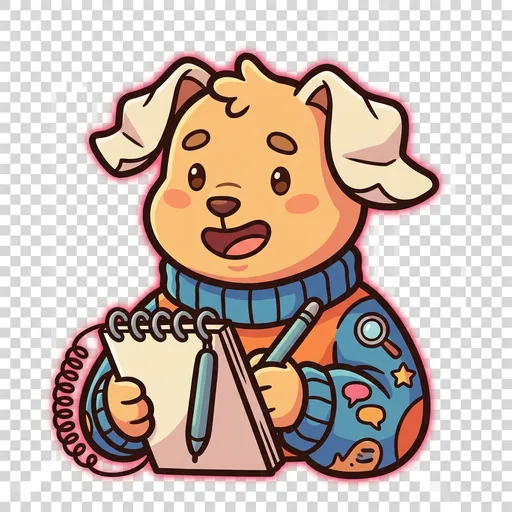
Pad
Field-capture + interview craft — open the question; let the answer breathe
Read chapter →
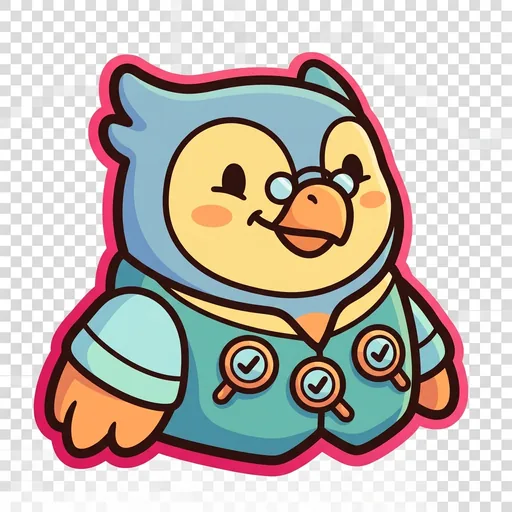
Crosscheck
Verification + triangulation — three sources say the same thing, now I have something
Read chapter →
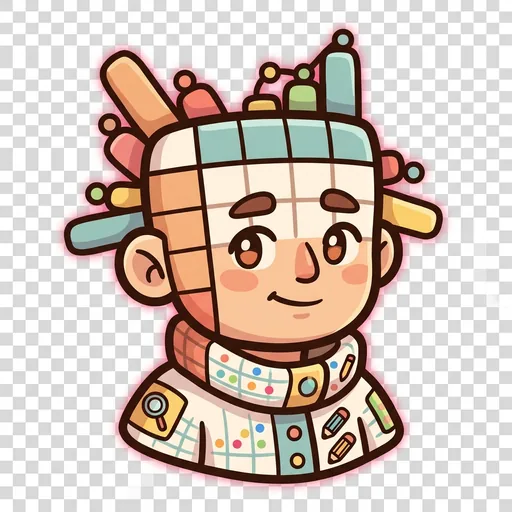
Margin
Data-table + chart-annotation craft — label the axes; caption the chart; credit the data
Read chapter →

Footer
Citation + provenance — every number has a name behind it; tell the reader who counted
Read chapter →

Column
Fact-vs-opinion — what happened and what I think about it are two different things; label which is which
Read chapter →

Dig
Investigative persistence — the first 'no' is where the story starts; keep asking, keep following
Read chapter →
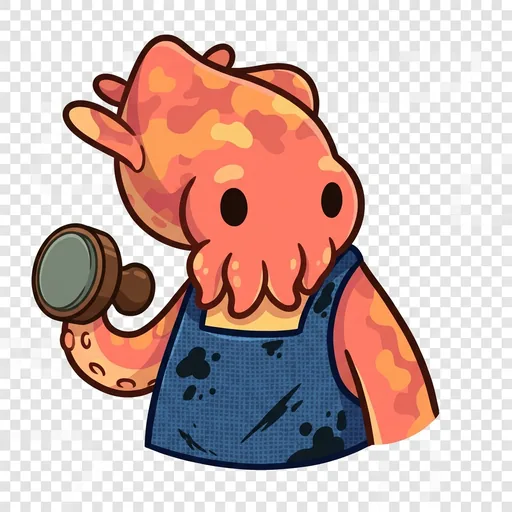
Errata
Corrections + accountability — when you get it wrong, fix it out loud; a paper owns its mistakes
Read chapter →
Rejoinder
Fairness + right-of-reply — before you print it, get the other side; everyone named gets to answer
Read chapter →

Yardstick
Context — a number alone means nothing; compared to what? give the reader something to measure against
Read chapter →
Browse all chapters → · What's distributed-narrative methodology? →
What's inside
Investigation Board
Each story starts on your investigation board. Pin clues, connect leads, and figure out what questions to ask. Move around the newsroom to interview NPC sources
Data Collection
Gather numbers and facts from interviews, surveys, and documents. Organize your data into tables and look for patterns. Is the data telling a clear story?
Chart Builder
Turn your raw data into charts and graphs. Pick the right chart type -- bar, line, or pie -- to make your data easy to understand. A misleading chart can change
Article Writer
Write your article using the evidence you collected. Drag key quotes and data points into your story. The AI editor gives you feedback on whether your article i
Mentored by Caret — on-device AI, no data leaves the device.
How InkQuest handles your kid's data
- ✅ All progress, settings, and AI-generated content stays on the device
- ✅ No analytics, no tracking, no third-party SDKs
- ✅ Free — no ads, no in-app purchases
- ✅ No personal information collected from children — in line with COPPA (updated by the 2026 FTC amendments)
- ✅ No chat with strangers — play-together rooms use a short code and preset emotes, never typed messages
InkQuest runs on ForgeKit — the open-source Swift Package Manager framework that powers every Spark & Anvil app. ForgeKit ensures consistent accessibility, COPPA compliance, and design language across the portfolio, so your kid's progress and preferences feel coherent across every app they touch.
Coming to the App Store
InkQuest is in active development. Email us to hear when it ships — no marketing, no spam, just a one-shot launch announcement.
Email me at launch


