Academics
VerdictForge
A bike goes missing and someone stands accused - but before anyone argues, one question decides everything: who has to prove it? A trial is a machine for deciding how much evidence is enough, and its moves are rules you can reason to. Who carries the burden? Is 'my neighbour told me' allowed, or is it hearsay? Do three ordinary clues add up to a reasonable doubt? Predict the ruling, then weigh a case yourself. Real, tiny, deterministic reasoning - no internet. Ages 9-14.
▶ Play it nowBuilt for sittings of about 20 minutes on the screen. That is our design budget, not a measurement.

Meet your mentor
Every Spark & Anvil app has a friendly mentor character that demonstrates, asks, and patiently scaffolds learning.
Mentored by Gavel
#7a3b8f Characters who teach
Meet the cast
VerdictForge's crew ARE the rules of the courtroom - the cast IS the curriculum: each character IS one rule that decides how much evidence is enough. Burden keeps the one big rule: whoever makes the claim has to prove it, and the accused starts with nothing to prove. Relevance guards the door, letting a fact in only if it actually makes the claim more or less likely. Hearsay stops second-hand 'someone told me' stories, because the person who really knows isn't here to be questioned. Doubt holds the bar, asking every time whether the evidence is really enough to be sure. Gavel, the mentor, is the judge, who reminds the crew that a trial isn't two people arguing equally - it's one careful test of whether a claim is proven. Nothing leaves the device.

Burden
Keeps the one big rule: whoever makes the claim carries the burden of proving it, so the accused never has to prove they didn't do it

Relevance
Guards the door - a fact is only allowed in if it actually makes the claim more or less likely, so 'he likes pizza' stays out

Hearsay
Stops second-hand 'my neighbour told me' statements offered as true, because the person who really saw it isn't here to be questioned
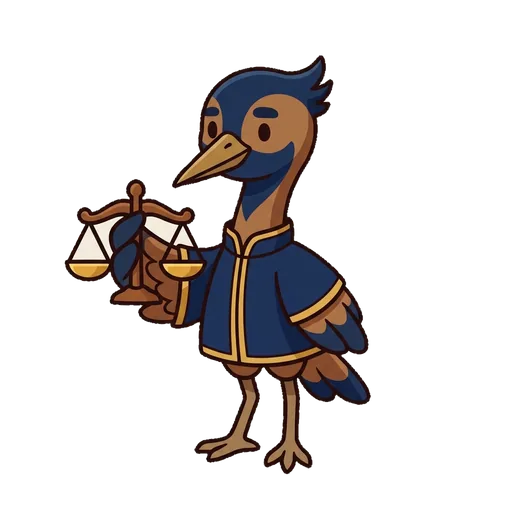
Doubt
Holds the bar: independent clues combine (their doubts multiply), and the case only wins if the total clears the standard of proof
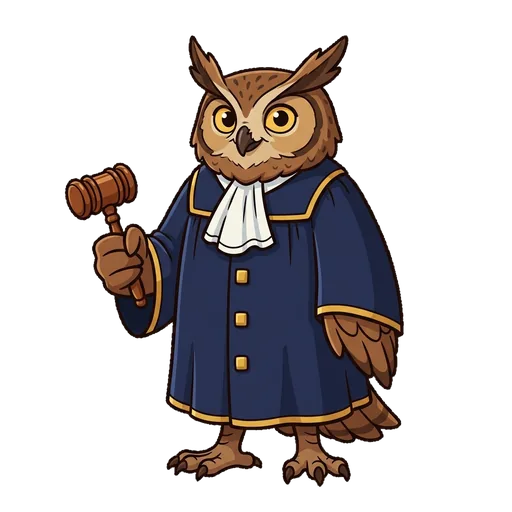
Gavel
The judge, who keeps the crew's rule straight: a trial is one careful test of whether the claim-maker has proven the claim
What's inside
Learning goal
A bike goes missing and someone stands accused - but before anyone argues, one question decides everything: who has to prove it? A trial is a machine for deciding how much evidence is enough, and its moves are rules you can reason to. Who carries the burden? Is 'my neighbour told me' allowed, or is it hearsay? Do three ordinary clues add up to a reasonable doubt? Predict the ruling, then weigh a case yourself. Real, tiny, deterministic reasoning - no internet. Ages 9-14.
Mentored by Gavel — no data leaves the device.
How VerdictForge handles your kid's data
- ✅ All progress, settings, and AI-generated content stays on the device
- ✅ No analytics, no tracking, no third-party SDKs
- ✅ Free — no ads, no in-app purchases
- ✅ No personal information collected from children — in line with COPPA (updated by the 2026 FTC amendments)
- ✅ No chat with strangers — play-together rooms use a short code and preset emotes, never typed messages