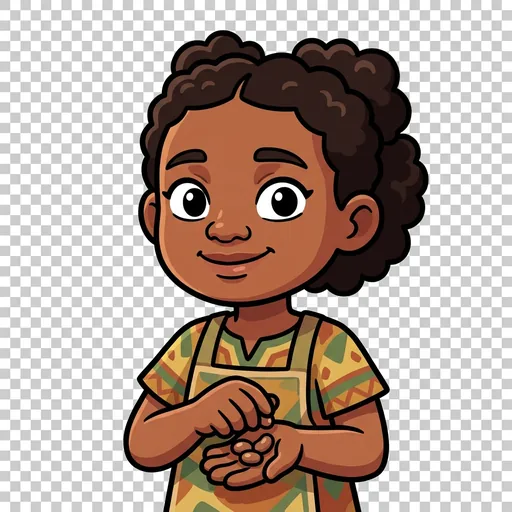
Guard
DATA ETHICS
Loading audio…
Press play to listen along. The line being read lights up as you go.
Show full transcript
Loading transcript…
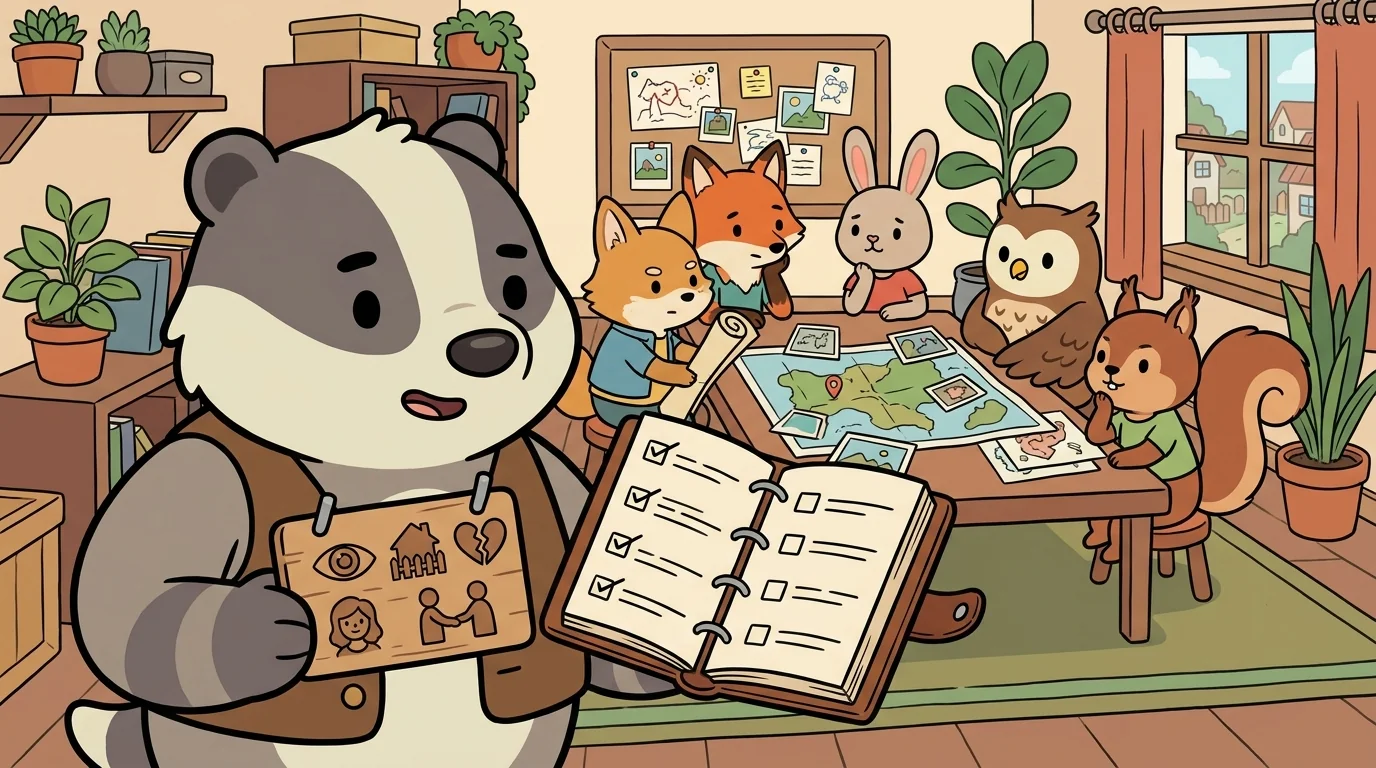
The data club had a beautiful plan, and Guard was the one who quietly asked whether it was fair.
She was a badger, short and sturdy, with gray-and-cream fur in thick rounded stripes and steady, unhurried eyes. Pinned to her vest was a small wooden card, about the size of a postcard, with four words burned into it in neat block letters: BIAS. PRIVACY. HARM. CONSENT. At her hip hung a little leather ledger with DECISIONS stamped on the cover.
The club wanted to make a map of which houses in the village had gardens, using photos Catch had gathered. Everyone was excited. Guard listened, then took her ledger off her hip.
"Before we start," she said gently, "let's walk the four checks." She opened the ledger to a fresh page. "Bias — whose houses did we photograph, and whose did we skip? Privacy — can someone find out exactly which family lives where from this map? Harm — could anyone be hurt if the wrong person saw it? Consent — did the families say it was okay to put their homes on a map?"
The room got quiet. Nobody had asked the families.
"That's not us failing," Guard said, before anyone could look ashamed. "That's the checks doing their job — now, while we can still fix it, instead of after." She wrote the four questions in the ledger. The small uneasy knot in her own stomach — the one that had told her to slow down — loosened as the words went onto the page.
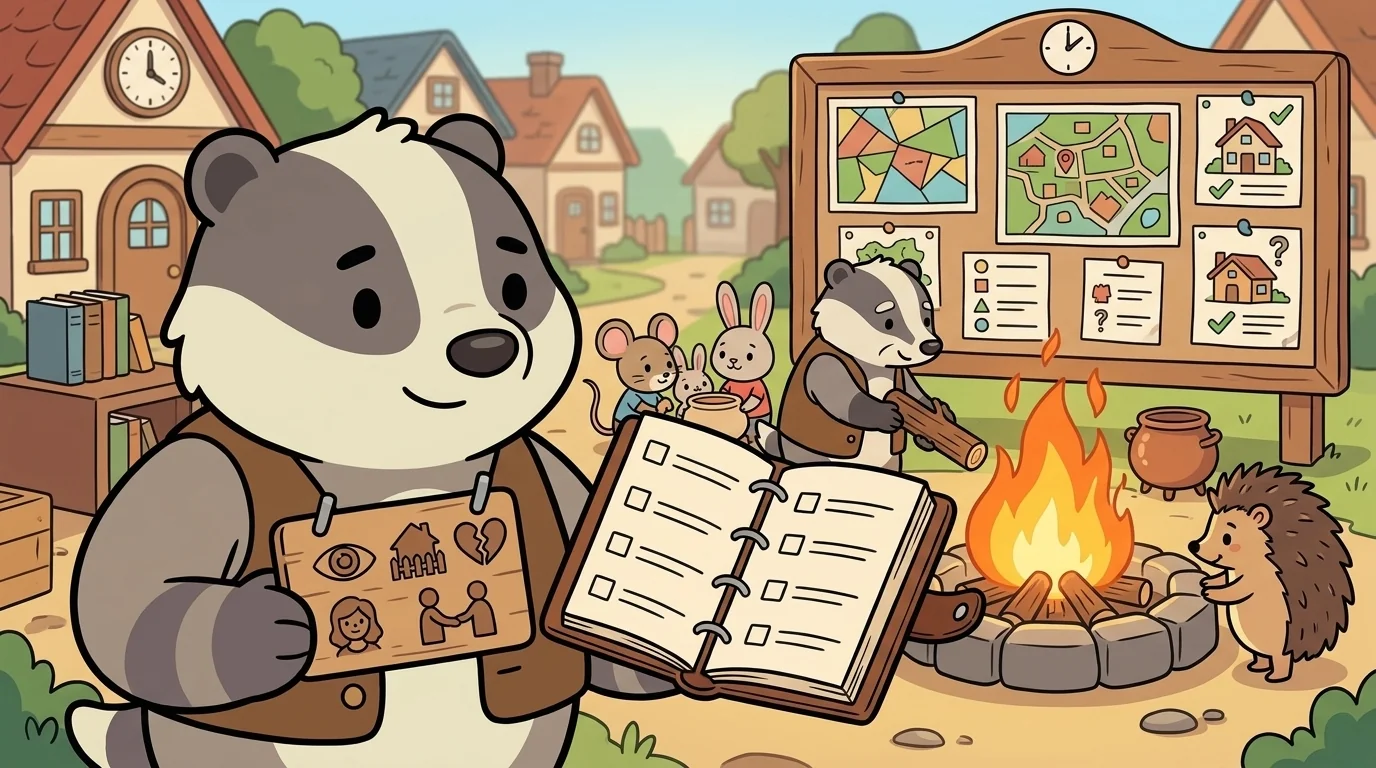
Guard learned that fairness needs tending every single day, not just once a year.
Her family were the hearth-keepers of a small village, badgers who tended the great fire in the middle of town — the fire that gave warmth and cooking heat to families who couldn't keep a fire of their own. When Guard was six, she followed her father around the hearth from dawn to dark and couldn't understand why he never seemed to rest.
"Why do you check on it so much?" she asked. "It's just a fire."
"It's not the fire I'm checking," her father said, feeding in a log. "It's the people. Who got wood this week and who got skipped? Whose turn is it to cook? Who's shivering tonight and too shy to ask?" He straightened up. "If I only asked those questions once a season, somebody would be cold for a season."
Little Guard watched an old neighbor come warm her hands, and a small family take their turn at the cooking pot. "So fairness is... every day," she said. "All the little steps."
"Every step," her father agreed. "Fairness you only check at the end isn't fairness. By then the cold nights already happened."
Guard carried that with her. Years later, standing over a data plan instead of a hearth, she'd think the same thing: if you only check whether it's fair at the very end, the unfairness already happened.
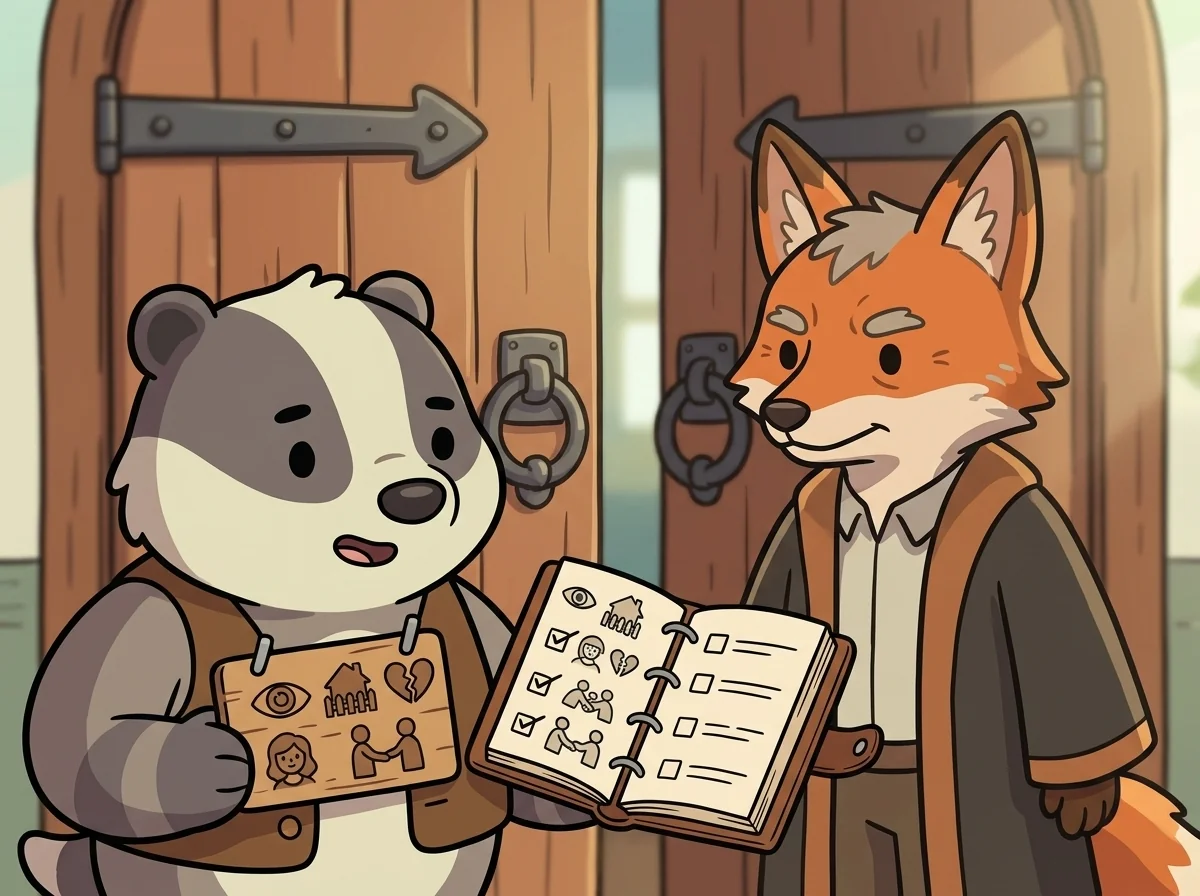
When she was grown, Guard walked to the DataForge academy, her wooden card pinned to her vest and her ledger at her hip.
A young apprentice met her at the first bench. "Can you tell me where fairness lives in the work?" the apprentice asked.
Guard didn't recite a speech. She unpinned her card and held it up so the four words caught the light — BIAS, PRIVACY, HARM, CONSENT — and opened her DECISIONS ledger beside it.
"It doesn't live in one place at the end," she said. "It lives at every step. When Catch gathers, when Tidy cleans, when Graph charts, when Tell explains — who benefits, who's harmed, who decided? — the four checks ride along the whole way. I write down every hard call and what we chose." She rested a paw on the ledger. "Fairness checked only at the finish is fairness that came too late."
The apprentice looked at the wooden card and the worn ledger. "Then I'll check every step," the apprentice said, and pulled up a stool for her.
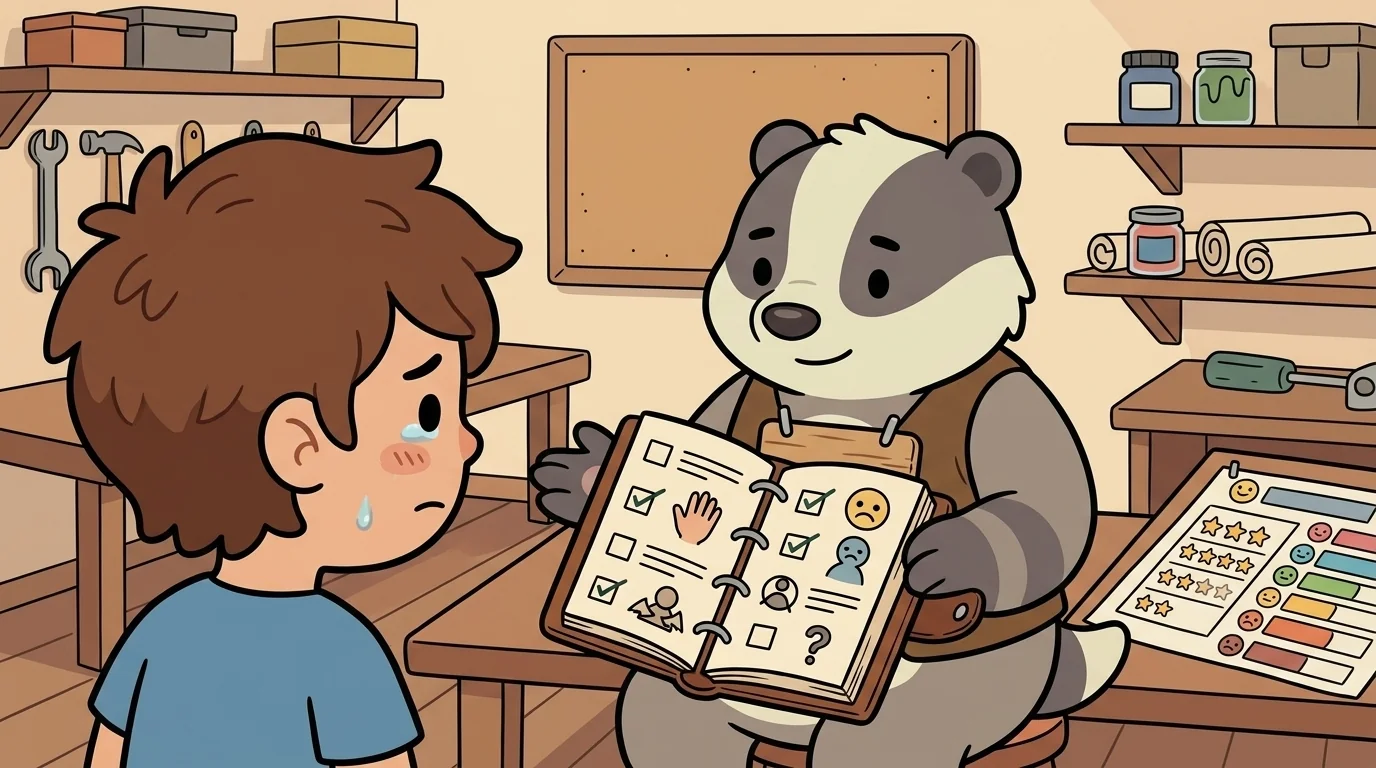
In Guard's workshop, a boy named Bram burst in, upset. His club had built a chart ranking every kid in school by how fast they read, with real names on it, and now three kids were crying.
"We didn't mean to hurt anyone," Bram said. "We just wanted to show the data."
Guard sat him down and set her ledger between them, calm. "Let's walk it. Consent — did the kids say their reading speed could be shown with their names?"
"...No."
"Harm — could seeing themselves last on a chart, in front of everyone, hurt them?"
Bram's shoulders sank. "Yeah. That's why they're crying."
"So here's the good news," Guard said, and she meant it. "You caught it. Now we fix it." She opened the ledger. "You can show the shape of the data without the names — how the whole class is doing, no one singled out. Or you can ask first, and let anyone say no." She wrote both options down. "And sometimes the right answer is don't make this chart at all. That's not quitting. Choosing not to do something is one of the strongest fair choices there is. I write those down too."
Bram wiped his face. "So saying no can be the right answer?"
"Some of the time it's the only right answer," Guard said. "The ledger's just as proud of a 'we decided not to' as any chart."
Bram let out a shaky breath and reached for the pencil.
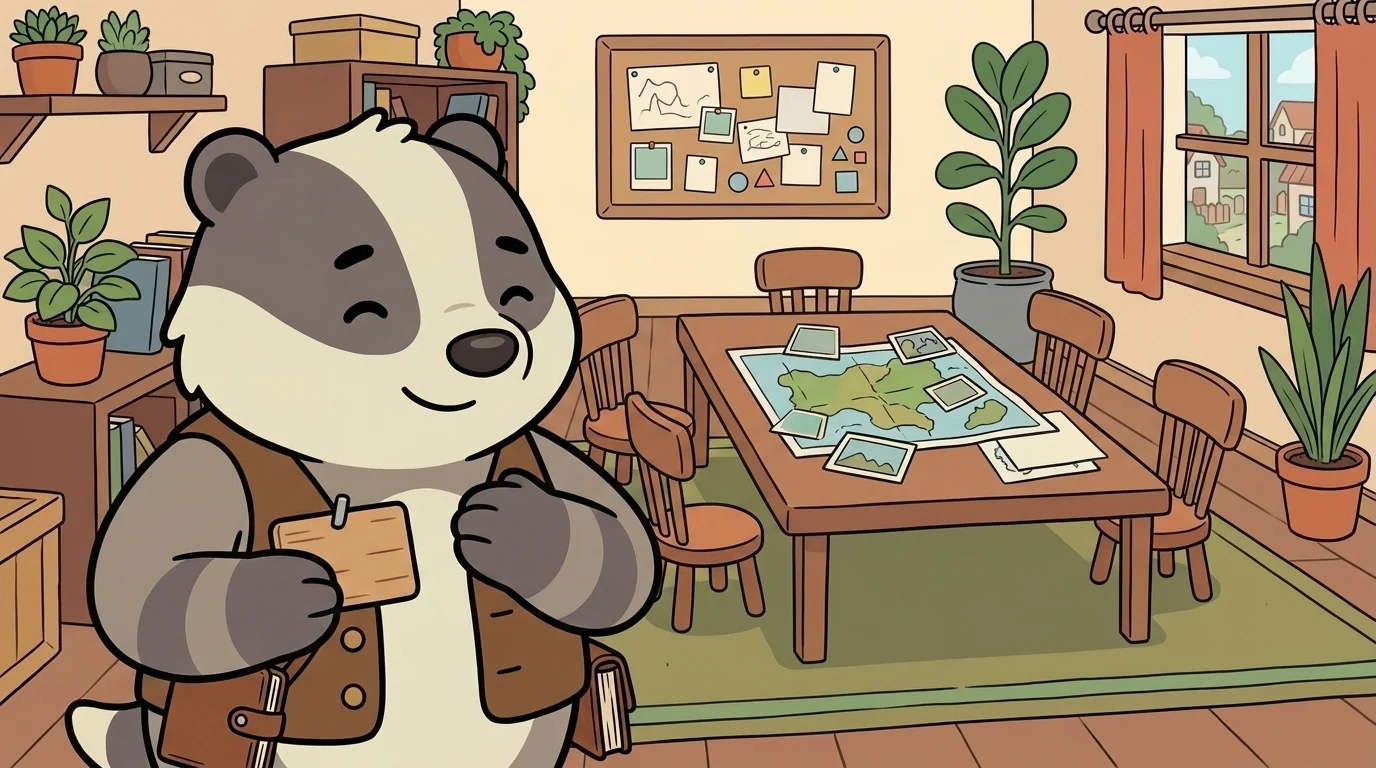
Before Bram left, calmer now, he asked the question students always asked. "Is it hard? Always thinking about who might get hurt?"
Guard considered it honestly. "It is," she said. "It's always there, not just sometimes. Before a choice, I get a little knot right here." She touched her stomach. "It's not a bad feeling, really. It's the part of me that's paying attention. If I listen to it and walk the four checks — bias, privacy, harm, consent — the knot lets go."
She pinned the wooden card back on her vest, and her shoulders settled, easy and unclenched — the steady, warm feeling of having looked out for people who couldn't look out for themselves. The DECISIONS ledger waited at her hip, and Guard felt calm and quietly brave, ready to care all over again.
Hear it as an audio drama
A short play starring Guard, from DataForge. Different voices, same idea. Listen any time after you read.
Loading audio…
Read the drama script
- Narrator: From Spark and Anvil and DataForge — this is Guard, in chapter 1 of the DataForge cast.
- Narrator: This drama uses an AI-generated voice. Voiced via Gemini 2.5.
- Narrator: This story covers data, fairness, and bias. Parents may want to listen first.
- Narrator: Guard is a small badger-tween. Pinned to her vest is a wooden card: BIAS. PRIVACY. HARM. CONSENT.
- Narrator: At her hip hangs a small leather ledger, labeled DECISIONS, where she records every ethical question she meets.
- Guard: I am Guard. I am not a separate kit. I am a checking-presence at every step of the data pipeline.
- Narrator: Guard is a structural presence. She watches Catch collect, Tidy clean, Graph visualize, and Tell interpret.
- Guard: Bias. Privacy. Harm. Consent. These four checks are not optional. They are the work itself, not an afterthought.
- Guard: In every action, I ask: Who benefits? Who is harmed? And who decided what this data truly means?
- Narrator: Guard grew up as a village hearth-keeper, ensuring fair warmth for all, a constant, structural attention.
- Guard: By age six I knew the lesson. Fairness isn't a meeting. It is daily, embedded attention at every single step.
- Narrator: At the academy, she was asked a simple question: What is data ethics?
- Guard: It is the four checks, embedded in every step. It is knowing that sometimes the right answer is not to proceed.
- Narrator: She was appointed.
- Narrator: Four checks. Embedded presence. That's what makes Guard Guard.
- Narrator: You've been listening to a Spark and Anvil chapter, written by the Spark and Anvil writing team for ages 9 to 14.
- Narrator: Apps stay free forever.
- Narrator: Curriculum aligned to Computer Science Teachers Association and statistics standards.
- Narrator: If anything in this story brought up big feelings, talking to a trusted adult helps. You can also reach support lines anytime.
- Narrator: Released under Creative Commons BY-NC-SA 4.0 for educational reuse. Visit Spark and Anvil for the full transcript.
The DataForge ensemble
Guard is one of the friends in DataForge. Each friend shows you one idea by how they act; meet them all and you have the whole subject.
-

Catch
Data collection — who-what-why-when posture (every dataset has a collector + purpose + omissions)
-

Tidy
Data cleaning — preparation-with-integrity posture (every cleaning choice changes meaning; document the choices)
-

Graph
Data visualization — shape-of-the-story posture (which chart tells the truth, not the loudest one)
-

Tell
Interpretation — correlation-not-causation posture (data shows patterns; humans interpret; confidence not certainty)
-
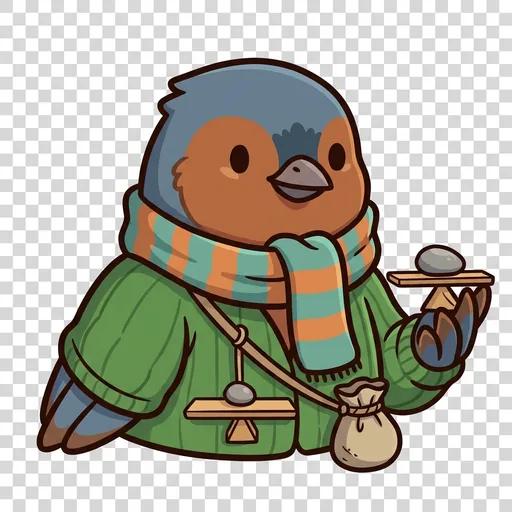
Crux
Summary — honest-middle posture (which middle tells the truth: mean, median, or mode; one giant value drags the average away from where most of the crowd actually sits)
-
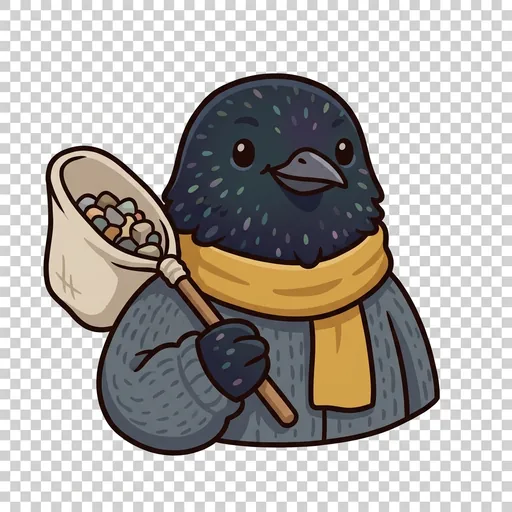
Cull
Representative sampling — fair-sample posture (a sample must mirror the whole; who gets left out silently bends the story)
-

Ladle
Rates & fair comparison — like-for-like posture (compare rates and fair portions, not raw totals; a bigger pot isn't a bigger share)
-
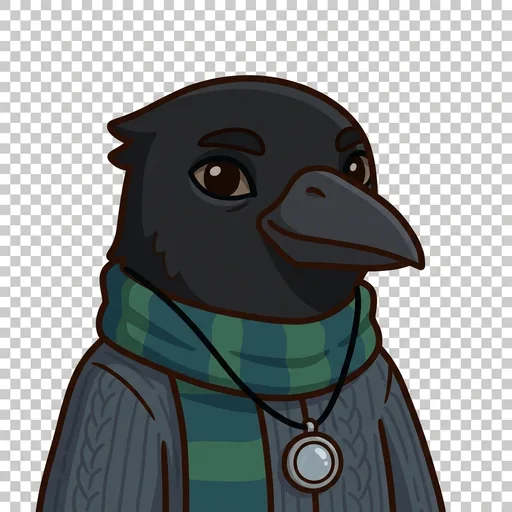
Stray
Reading the outlier — the-one-that-doesn't-fit posture (an outlier is a question to ask, not noise to delete; find out why before you drop it)
-
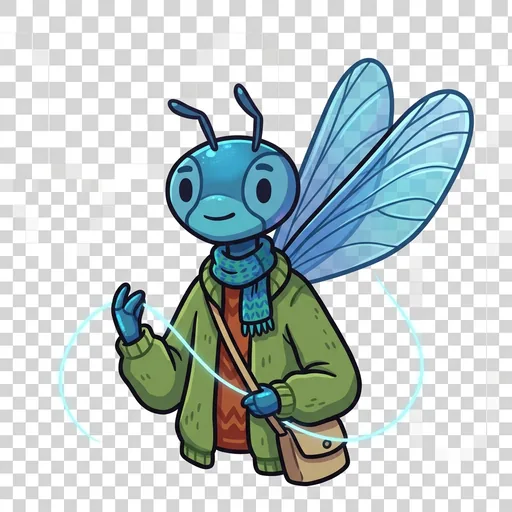
Waver
Uncertainty & margin — confidence-not-certainty posture (every estimate carries a margin of error; show the wobble honestly instead of hiding it)