Glassby
complete information
Loading audio…
Press play to listen along. The line being read lights up as you go.
Show full transcript
Loading transcript…
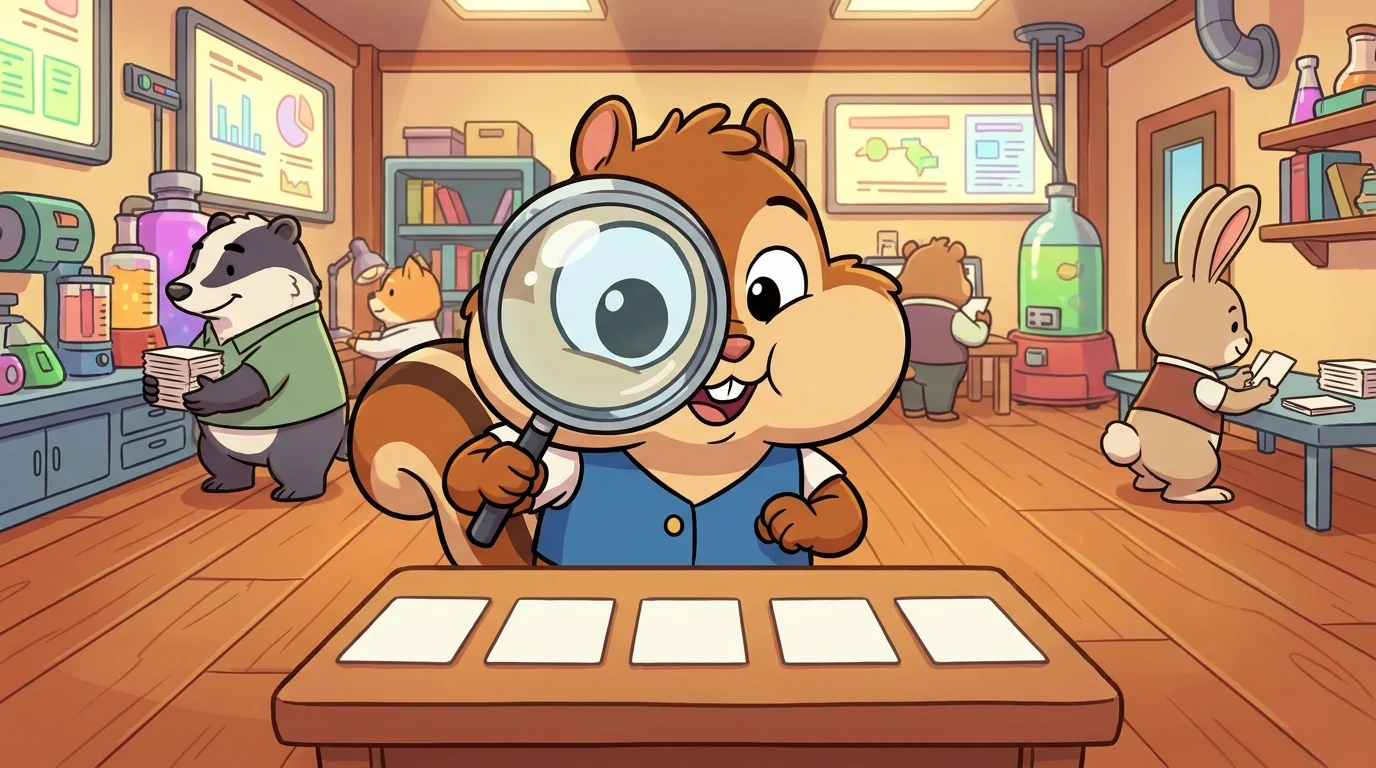
Glassby is a chipmunk, and he is usually excited about something. You can tell by his cheeks, which puff up whenever an idea gets hold of him, and by his tail, which twitches like a question mark. He carries a round magnifying glass on a brass handle that is very nearly as tall as he is, and his favorite thing in the world is to hold it over a row of cards and lean in close, one eye swimming enormous behind the lens while the other squints shut.
Of all the games in the Card Lab, the one Glassby loves best is a kind of solitaire called FreeCell. Ask him why and he will tell you in three words, bouncing on his toes as he says them.
"It hides nothing."
That sounds like a small detail. Glassby thinks it is one of the most important ideas in the whole lab, and one damp afternoon he finally got to prove it.
A group of young squirrels arrived at his bench arguing about a single word. They had been studying the other sort of solitaire, the classic kind, where a stack of cards starts face down and cards lie buried under others, out of sight. In their results, the solver sometimes marked a deal lost. The squirrels could not agree what lost meant. Did it mean the deal was truly impossible? Or had the solver simply been unlucky, choosing a path in the dark when a card it couldn't see would have saved it?
Glassby hoisted his magnifying glass like a banner. "Oh, this is a wonderful question," he said. "Let me show you two tables."
On the first table, he laid out a deal of the classic kind. Many cards lay face down, their backs a blank checkered pattern. "Here, you're making choices without seeing everything," he explained. "When you move a card, you don't know what it will uncover. So if a deal like this comes out lost, you have to be careful what you claim. Maybe there truly was no way through. Or maybe a different early choice would have uncovered exactly the right card, and nobody could have known it was there. You were playing partly blindfolded."
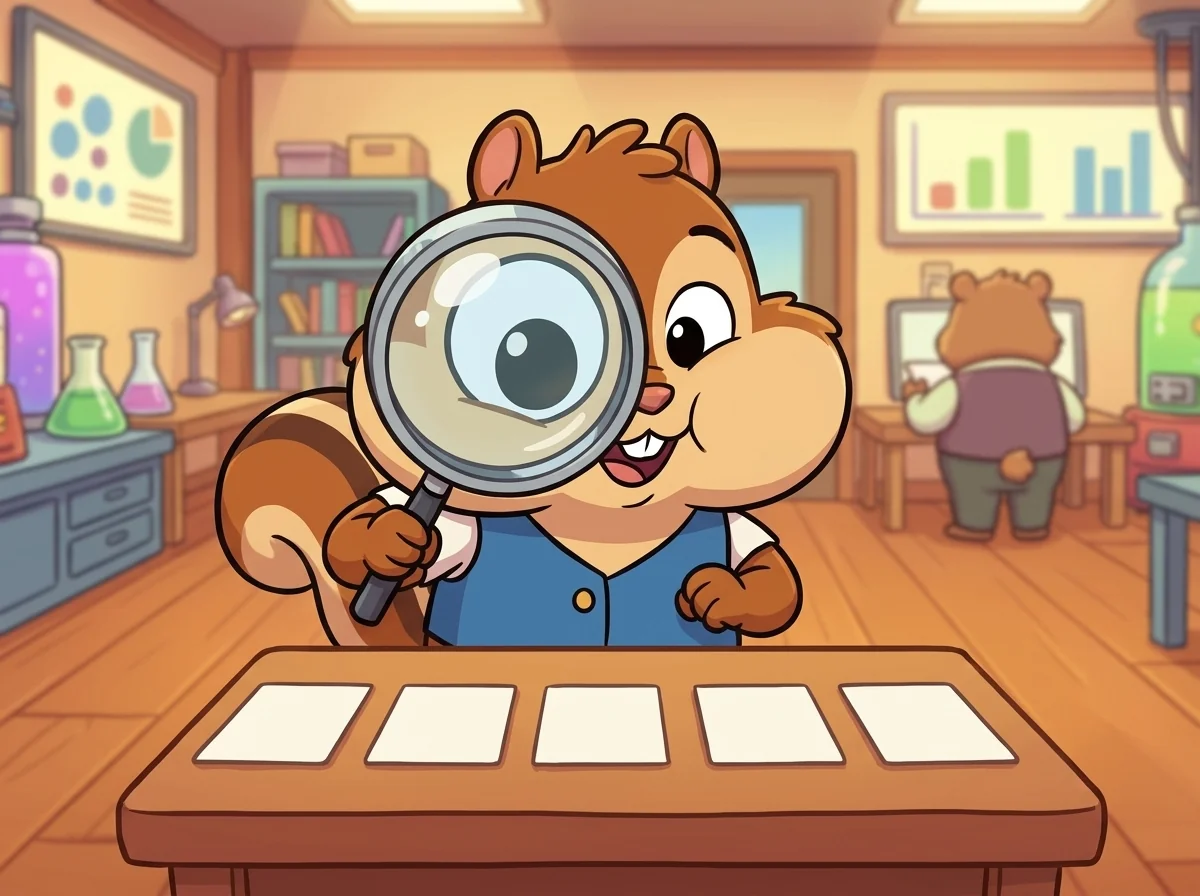
On the second table, he laid out a FreeCell deal. Here every card lay face up from the very start, all fifty-two of them spread across eight columns in plain view, with four empty free cells waiting in the corner as parking spaces. Glassby swept his lens slowly across the whole layout, and his cheeks swelled so round that one of the squirrels giggled.
"Now look," he said. "Nothing is hidden. Nothing at all. The solver can see every card, which means it can see every possible move and everything that move would lead to. It has the entire map. So suppose the solver searches every single path through this deal, every branch and every branch of every branch, and finds no way to win. What does that mean?"
The oldest squirrel spoke carefully. "It can't be bad luck," she said. "There's no hidden card that might have changed things. There's nothing left to discover."
"Exactly!" Glassby said, practically vibrating. "In a game with no hidden information, a fully searched loss isn't an opinion about how someone played. It's a proof. It proves that this deal, laid out exactly this way, can never be won by anyone, ever, no matter how clever they are. The loss isn't about the player. It's a fact about the deal itself, as solid as the fact that two plus two is four."
The squirrels were quiet for a while. It was a strange idea to hold: that a game could be so completely open that losing it became a certainty, the way a finished puzzle is a certainty.
"Does that happen often?" asked the youngest.
"Almost never," said Glassby, delighted. "With four free cells, nearly every FreeCell deal can be won. People who study the game have searched enormous collections of deals and found only a tiny handful that are truly impossible. So when the solver proves one, it's a little treasure. A deal the whole world could try forever and never beat."
Then Glassby did the thing that makes the lab trust him, even though he gets so excited. He lowered his magnifying glass and made his voice serious.
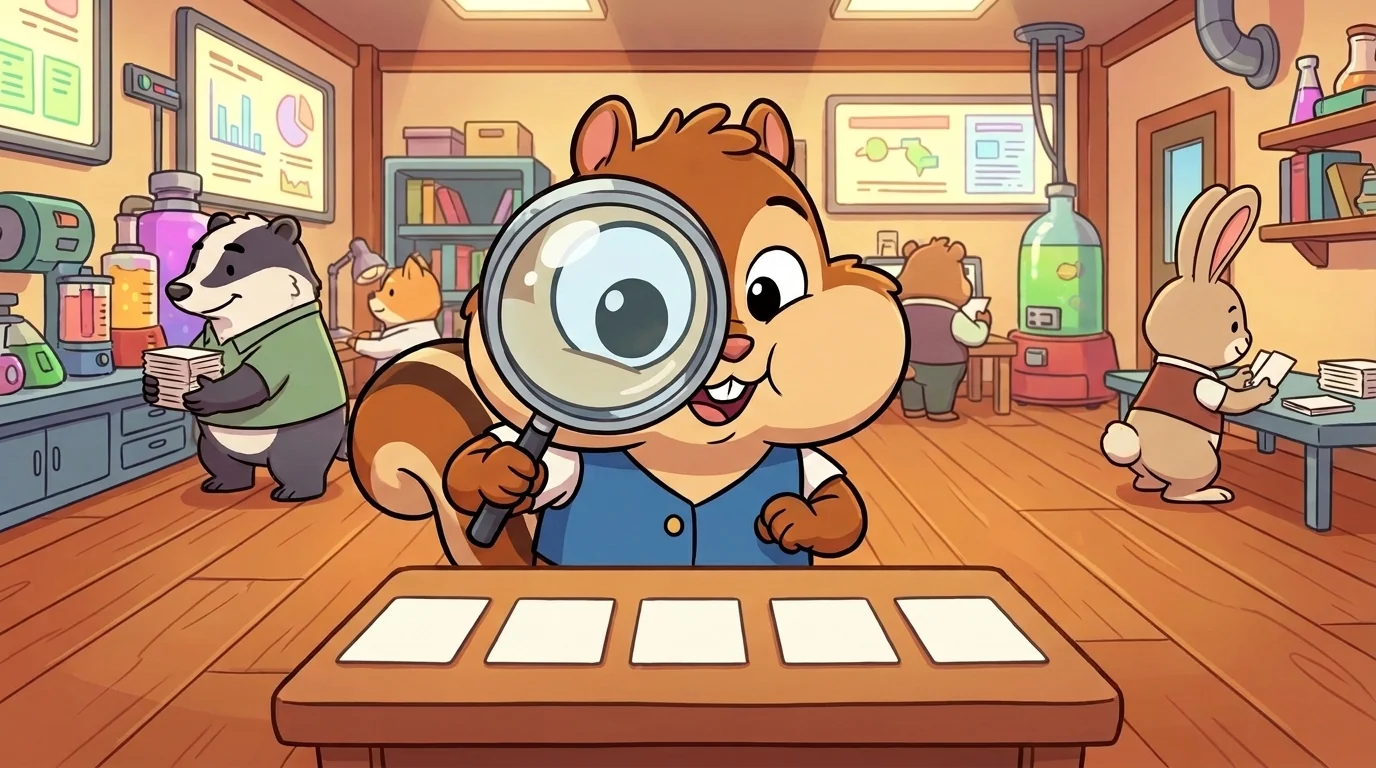
"But listen, because this part matters. It only counts as a proof if the solver actually finished searching. If it ran out of time halfway through the tunnels, then lost doesn't mean lost at all. It means not sure yet, and a not sure yet is never a proof, no matter how open the game is. An open game gives you the chance to prove something. The finished search is what actually proves it. If you're ever unsure which one you have, ask Maybelle. That pile is her whole job."
Glassby feels most like Glassby when he holds his lens over a completely open deal and knows that whatever the full search finds, it will be true for certain. It is a sparkling, fizzing, crystal-clear feeling, like peering down into a perfectly still pond and seeing every single pebble on the bottom.
You have some Glassby in you whenever you want to know something for sure instead of guessing, and whenever you check that your search was really complete before you call it proven. When a problem shows you everything, trust what a finished search tells you, and say it the way he does: "Glassby says: when nothing's hidden, a loss is a proof."
Then raise your magnifying glass, and look at the whole map.
Hear it as an audio drama
A short play starring Glassby, from Solitaire Lab. Different voices, same idea. Listen any time after you read.
Loading audio…
Read the drama script
- Narrator: From Spark and Anvil and Solitaire Lab — this is Glassby, in chapter 1 of the Solitaire Lab cast.
- Narrator: This drama uses an AI-generated voice. Voiced via Gemini 2.5.
- Narrator: Glassby the chipmunk held a magnifying glass nearly as tall as himself.
- Squirrel: Glassby, when the solver says lost, does that mean the deal is impossible, or just unlucky?
- Glassby: Great question! In the kind of solitaire with face-down cards, you're playing partly in the dark. A loss there might just be a card you couldn't see.
- Squirrel: And in FreeCell?
- Glassby: FreeCell hides nothing! Every single card is face up from the start. The solver can see the whole map.
- Squirrel: So if it searches every path and finds no win...
- Glassby: Then it's a proof! That deal can never be won by anyone, ever. It's a fact about the deal.
- Squirrel: Does that happen often?
- Glassby: Almost never. Nearly every FreeCell deal can be won.
- Glassby: But remember, it only counts if the search actually finished. If it ran out of time, it's still a maybe.
- Narrator: When nothing's hidden, a finished search that finds no win is a proof. That's Glassby's whole idea.
- Narrator: You've been listening to a Spark and Anvil chapter, written by the Spark and Anvil writing team for ages 9 to 14.
- Narrator: Apps stay free forever.
- Narrator: Curriculum aligned to Common Core and Next Generation Science Standards.
- Narrator: Released under Creative Commons BY-NC-SA 4.0 for educational reuse. Visit Spark and Anvil for the full transcript.
The Solitaire Lab ensemble
Glassby is one of the friends in Solitaire Lab. Each friend shows you one idea by how they act; meet them all and you have the whole subject.
-
Dealia
asks what you predicted BEFORE you look at the data
-
Twinnie
Deals every hand twice - the same deals for both rules, so the test is fair
-

Hedgeworth
Never says more than the data can - reports at least ... and at most ...
-
Maybelle
Knows an unknown is a maybe, not a no - the search ran out of time
-

Bigsby
Knows more deals make the answer sharper - the interval gets narrower
-
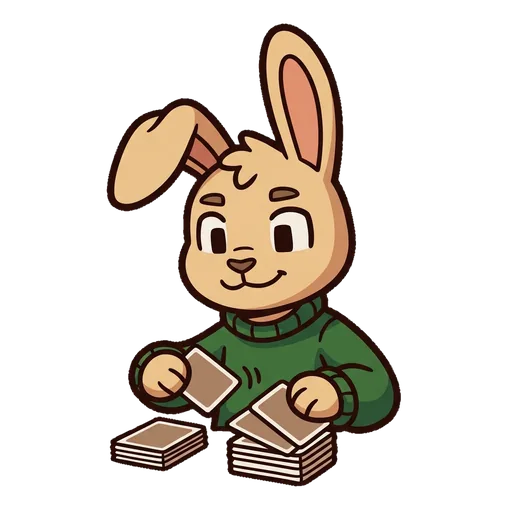
Lopsy
Counts the deals where only ONE rule won - those odd pairs are the whole story
-
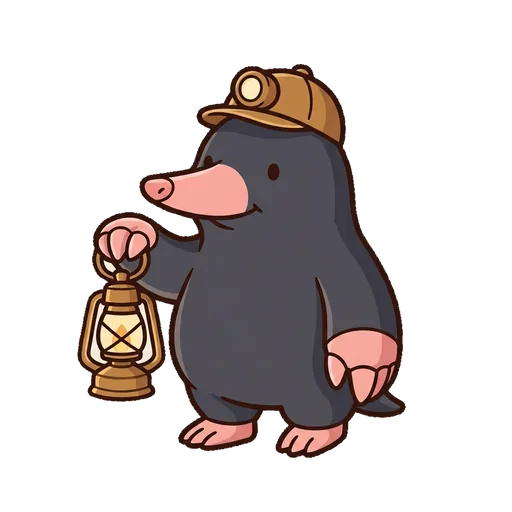
Lanternby
Knows the measuring tool is part of the result - a bigger search proves more wins of the SAME deals
-
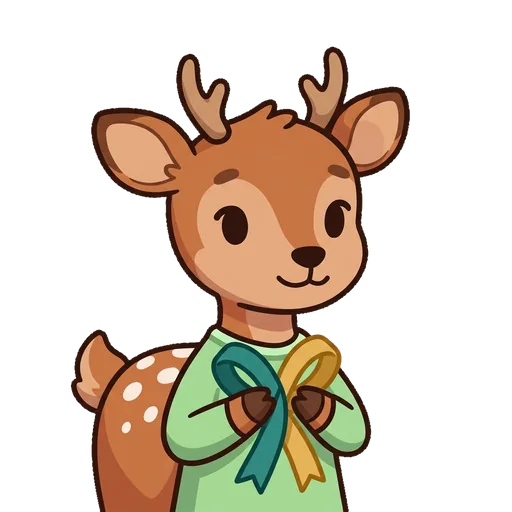
Tiebelle
Calls it a tie when the two ranges overlap - no winner the data cannot back
-
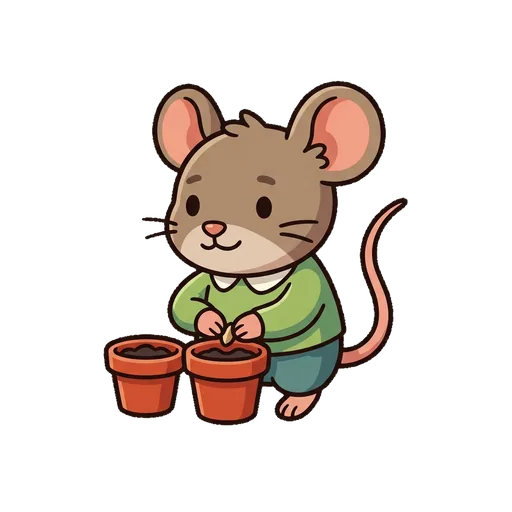
Seedwick
Knows the same run seed rebuilds the same deals, so anyone can re-check your test
-
Tabitha
Keeps one row per deal in the CSV so you can draw the chart yourself
-
Addison
Knows a rule that only ADDS moves can never truly win less - reason before you run