
Seedwick
reproducibility - record the seed, and anyone can rebuild exactly the same deals and check your result for themselves
Loading audio…
Press play to listen along. The line being read lights up as you go.
Show full transcript
Loading transcript…
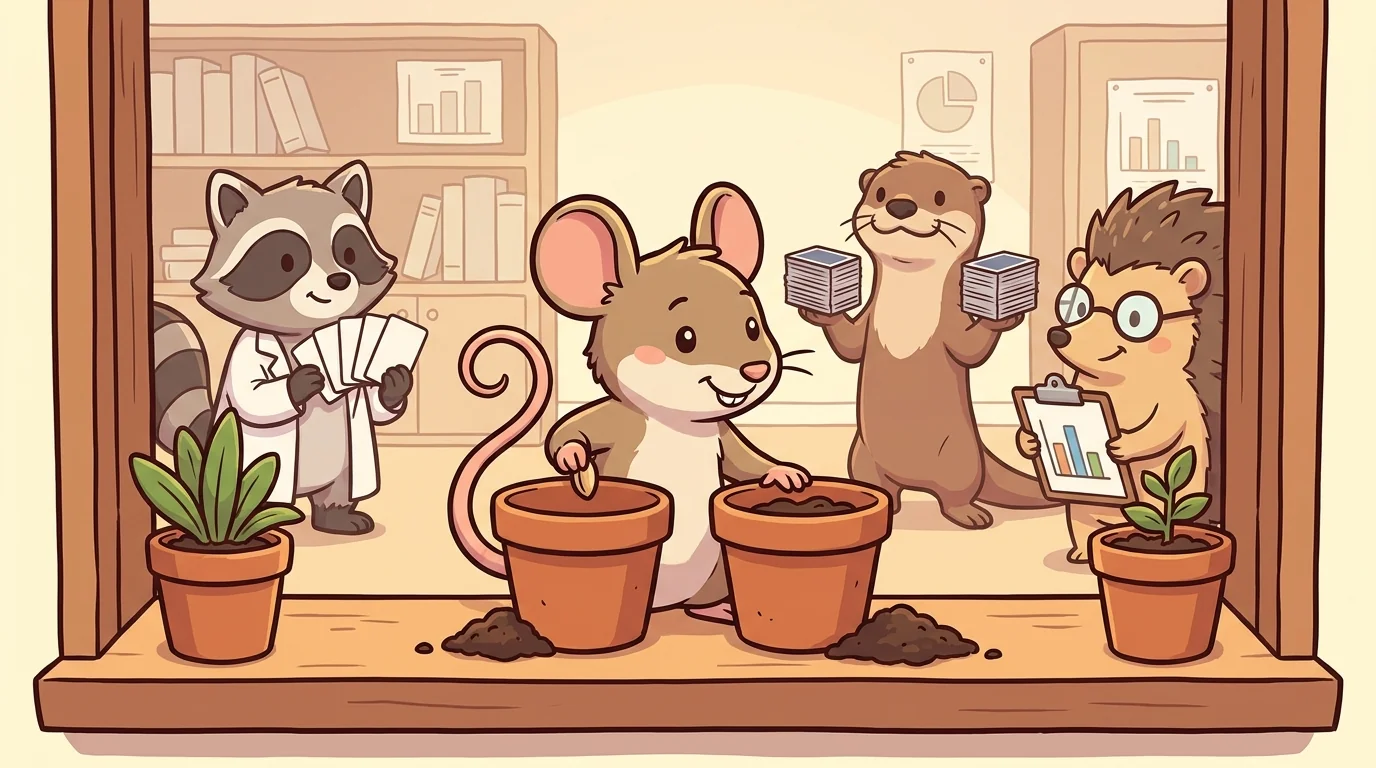
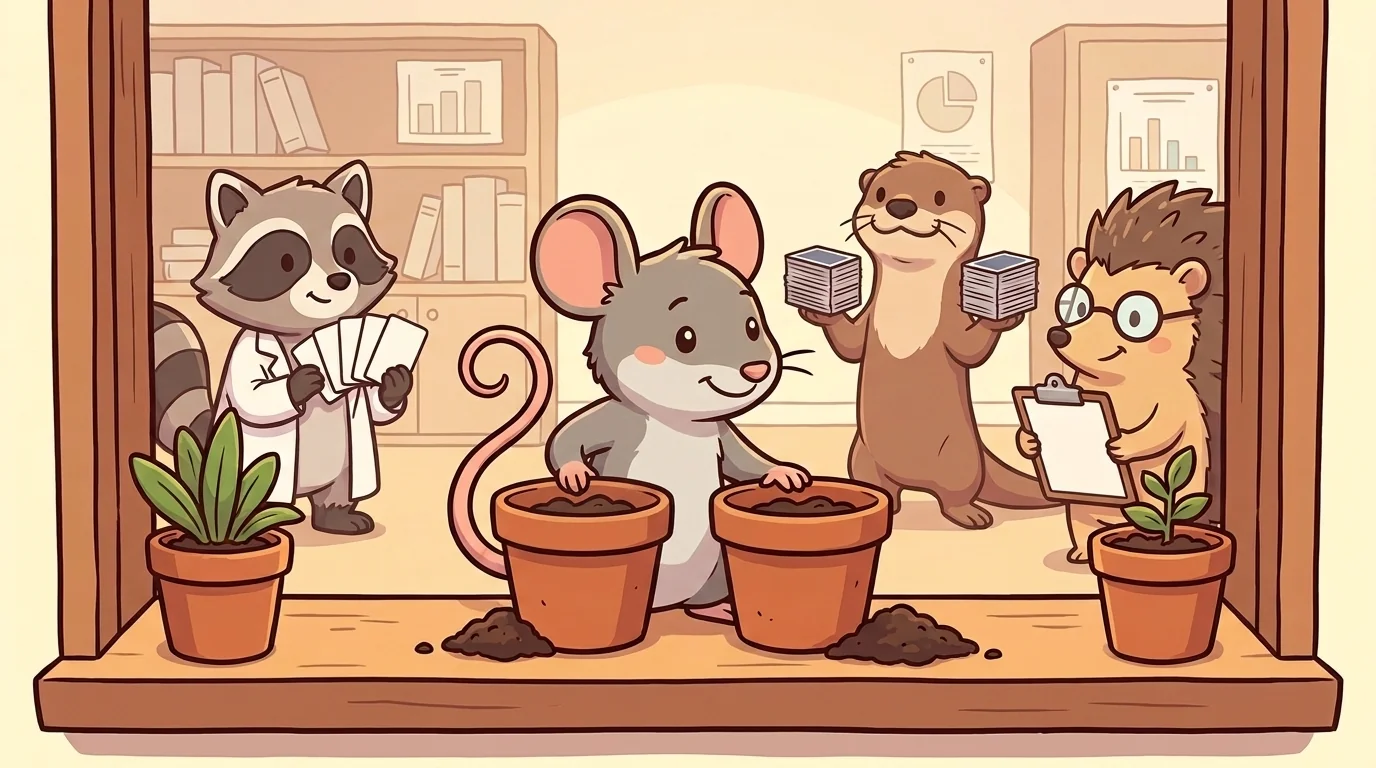
Seedwick is a small field mouse with a tidy grey coat and a tail he keeps neatly curled. On the windowsill of the Card Lab, he keeps two little clay pots side by side. Every spring he plants one seed in each pot, the very same kind of seed, and waters them the very same way. And every spring, the two plants grow up looking almost exactly alike.
"Same seed," Seedwick says, patting the pots. "Same plant."
It is his way of explaining the most useful trick in the lab.
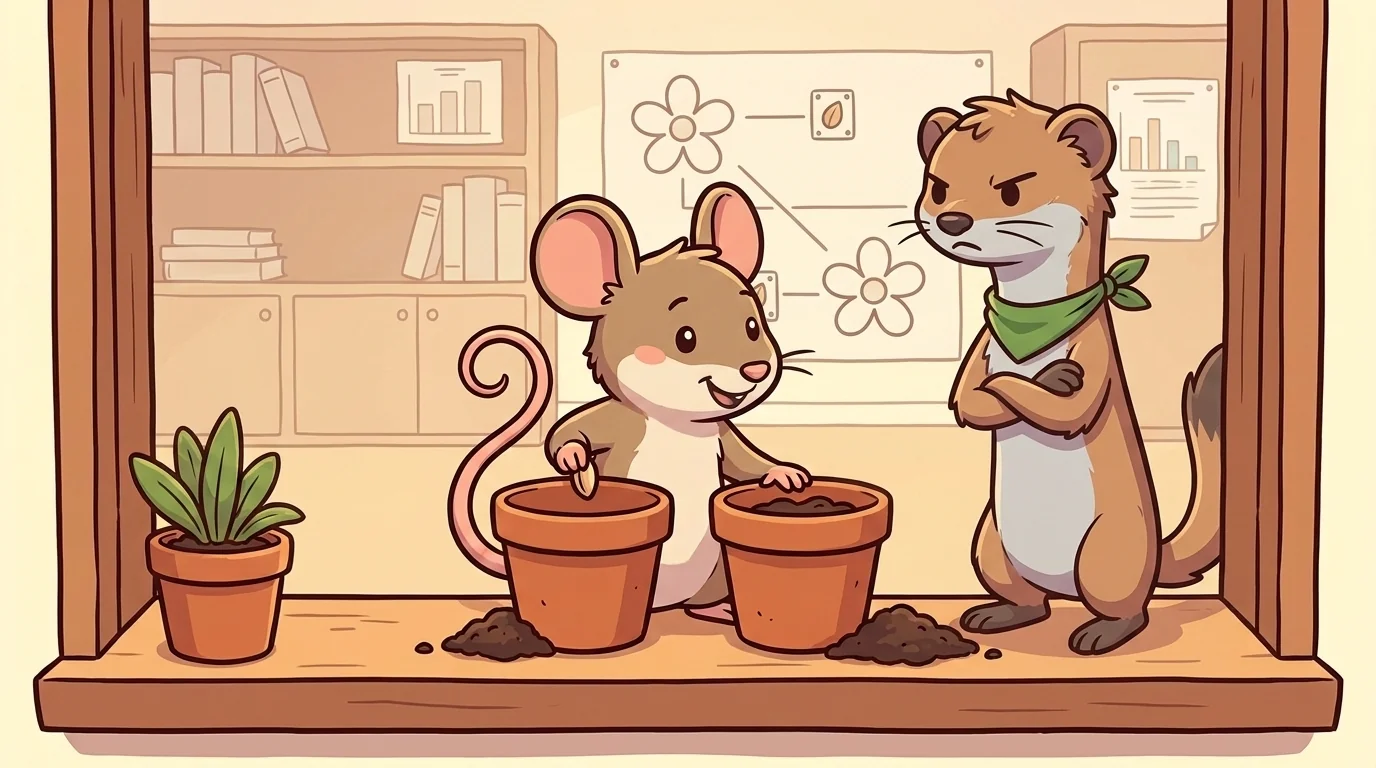
When the lab tests a solitaire rule, it doesn't shuffle cards by hand. It asks the computer to shuffle. But a computer can't really shuffle randomly the way hands do. Instead, it starts from a number called a seed, and follows a long recipe to mix the cards. Start from the same seed, follow the same recipe, and you get the same shuffle, card for card, every single time.
Seedwick learned how important that was the day a young weasel named Quill didn't believe him.
Seedwick had run a careful test and found that one rule won a few more deals than another. He was pleased. But Quill crossed his arms.
"I don't believe you," Quill said. "Maybe you got lucky deals. Maybe you made a mistake. Maybe you just want your rule to win."
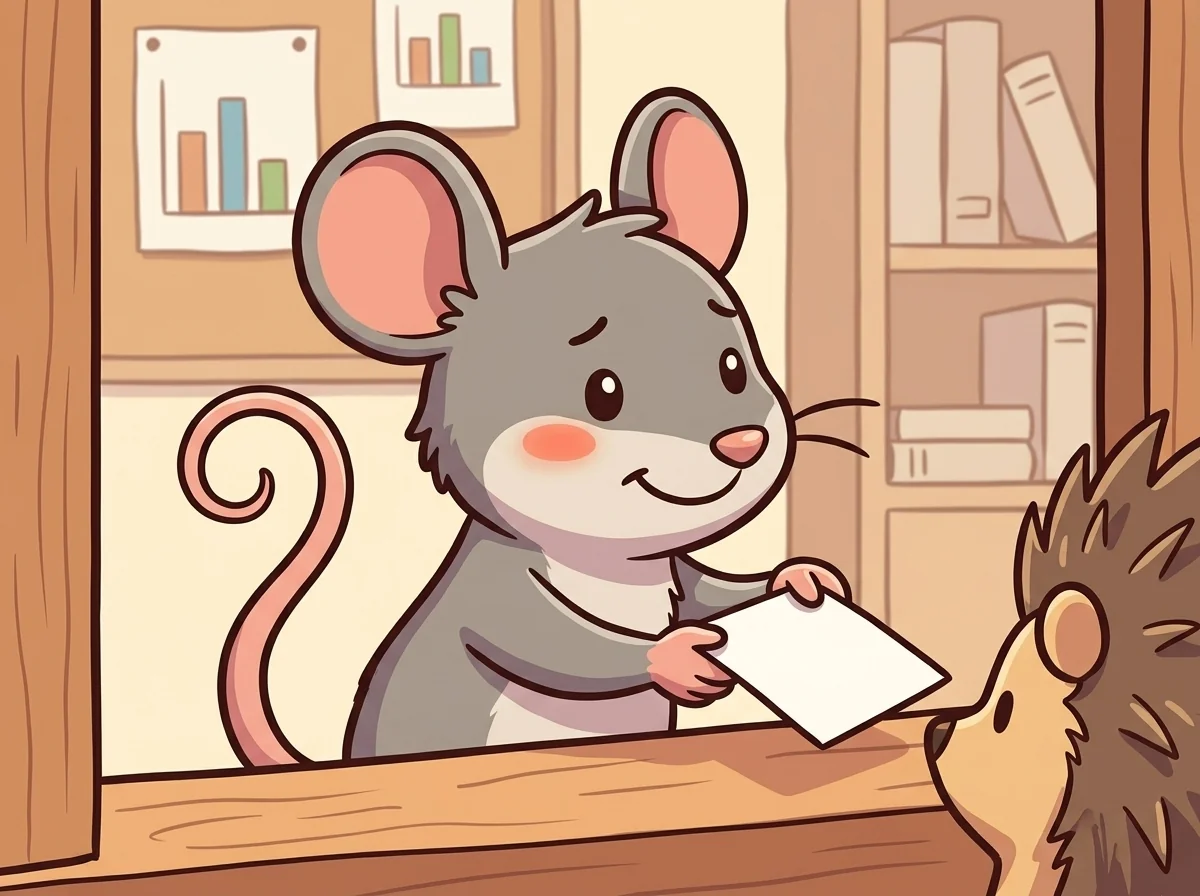
A few animals gasped. It was a rude thing to say. Seedwick's whiskers trembled for a second, and his cheeks went warm. It doesn't feel good when someone doubts you.
But Seedwick took a breath, and then he did something much better than arguing. He wrote a number on a slip of paper and handed it to Quill.
"This is my seed," he said. "Type it into the lab. It will build exactly the same deals I used, in exactly the same order. Then run the two rules yourself. You don't have to believe me. You can check."
Quill hesitated. Then, a little grumpily, he typed in the seed. The lab shuffled, and out came the same deals Seedwick had tested, down to the last card. Quill ran both rules. The solver played every game.
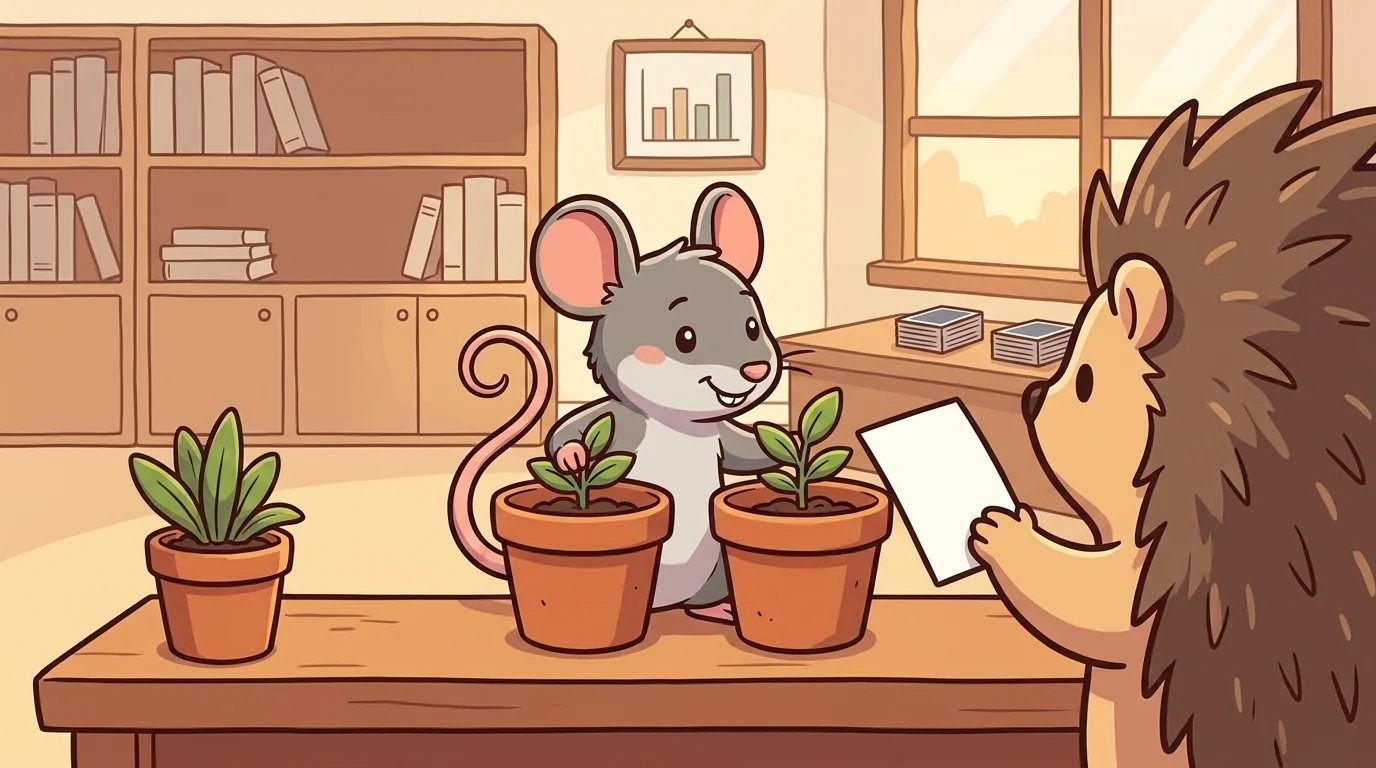
The results came back identical to Seedwick's. Same wins. Same losses. Same not sure yets.
Quill uncrossed his arms slowly. "Oh," he said. "You were right. And... I didn't have to take your word for it."
"That's the whole point," said Seedwick, and now he was smiling. "A result nobody can check is just a story. A result anyone can rebuild from a seed is something you can trust, even if you don't trust me."
Quill looked at the slip of paper for a while. "Can I keep this?" he asked. "I want to try a third rule on the same deals."
"Of course," said Seedwick. "That's what seeds are for. They let everyone build on the same ground."
Seedwick feels most like Seedwick when a friend rebuilds his test and gets the very same answer. It is a warm, steady, proud feeling, like watching two little plants from the same seed grow tall side by side on the windowsill.
You have a bit of Seedwick in you whenever you make your work easy for others to check. When you share a result, share how to rebuild it too, and say it the way he does: "Seedwick keeps the seed, so anyone can grow the same test again."
Then let your friends grow it for themselves.
The Solitaire Lab ensemble
Seedwick is part of Solitaire Lab's distributed-narrative cast. Each character embodies a different curricular primitive; together they teach the full subject.
-

Dealia
(Mentor, a card-dealing raccoon) - asks what you predicted BEFORE you look at the data
-

Twinnie
Deals every hand twice - the same deals for both rules, so the test is fair
-

Hedgeworth
Never says more than the data can - reports at least ... and at most ...
-

Maybelle
Knows an unknown is a maybe, not a no - the search ran out of time
-

Bigsby
Knows more deals make the answer sharper - the interval gets narrower
-
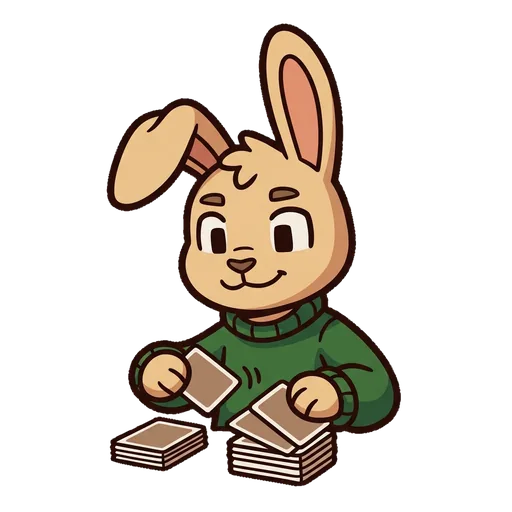
Lopsy
Counts the deals where only ONE rule won - those odd pairs are the whole story
-

Lanternby
Knows the measuring tool is part of the result - a bigger search proves more wins of the SAME deals
-

Glassby
Knows FreeCell hides nothing, so a 'lost' there is a proof about the deal itself
-

Tiebelle
Calls it a tie when the two ranges overlap - no winner the data cannot back
-
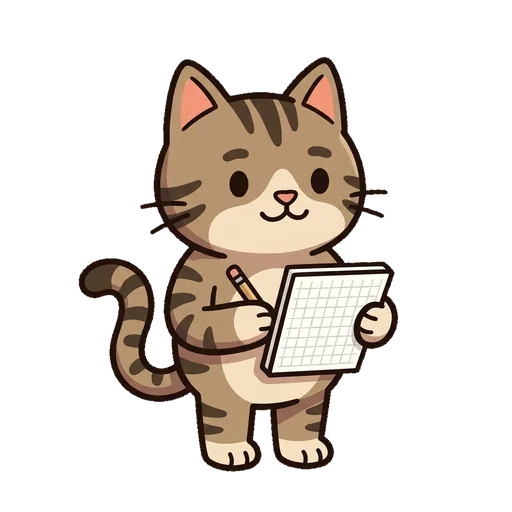
Tabitha
Keeps one row per deal in the CSV so you can draw the chart yourself
-
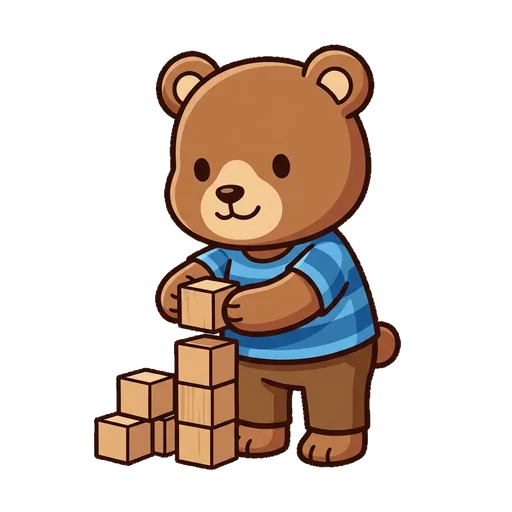
Addison
Knows a rule that only ADDS moves can never truly win less - reason before you run