
Glassby
complete information - when every card is face up, a fully searched deal that can't be won is proven unwinnable, not just unlucky
Loading audio…
Press play to listen along. The line being read lights up as you go.
Show full transcript
Loading transcript…
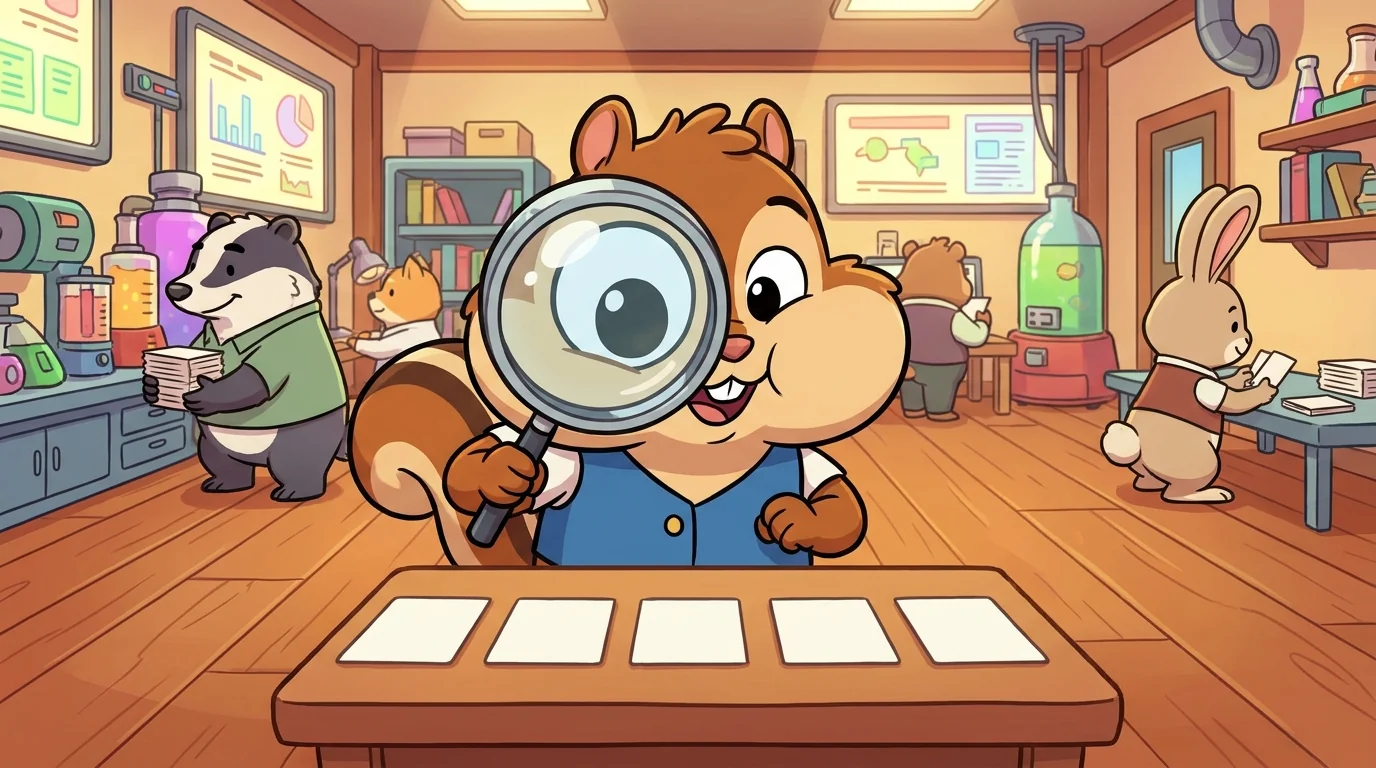
Glassby is a chipmunk with bright, eager eyes and cheeks that puff up when he is excited, which is often. He carries a big round magnifying glass almost as tall as he is, and he loves to hold it over a row of cards and peer through, one eye huge and swimming behind the lens.
What Glassby loves most in the whole lab is a particular kind of solitaire called FreeCell.
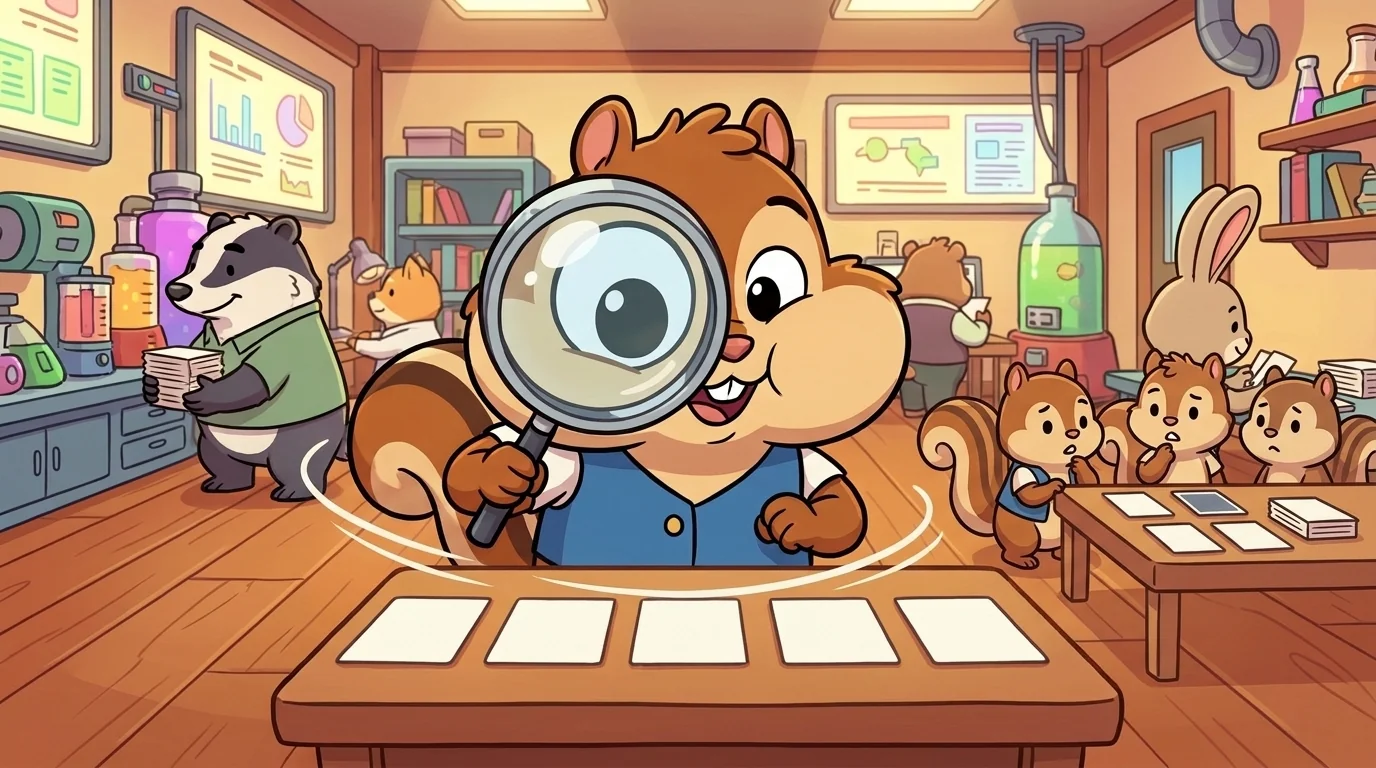
"FreeCell hides nothing," Glassby says, bouncing a little. "Nothing! Every single card is face up from the very start. You can see all of them."
This matters more than it sounds, and one day Glassby got to show why.
A group of young squirrels came to the lab confused about the word lost. They had been playing the other kind of solitaire, the kind with a face-down pile and buried cards you can't see. Sometimes the solver said lost. And the squirrels wondered: did lost mean the deal was impossible, or just that the solver was unlucky with the hidden cards?
Glassby swept his magnifying glass across the table with a flourish. "Great question! Let me show you the difference."
First he laid out a deal of the hidden-card kind. "Here, lots of cards are face down. You can't see them. So you make choices without knowing what's underneath. When a deal like this is lost, you have to be careful. Knowing only what you could see, there was no way through. But you were playing partly in the dark."
Then he laid out a FreeCell deal. Every card face up, spread across the table, the whole thing plain to see. He held his magnifying glass over it and grinned so wide his cheeks nearly popped.
"Now look. Nothing is hidden. The solver can see every card, every move, the whole map. If the solver searches through every possible path and finds no way to win, that isn't bad luck. There's no hidden card that might have saved it. There's nothing left to discover."
A squirrel's eyes widened. "So if a FreeCell deal is lost..."
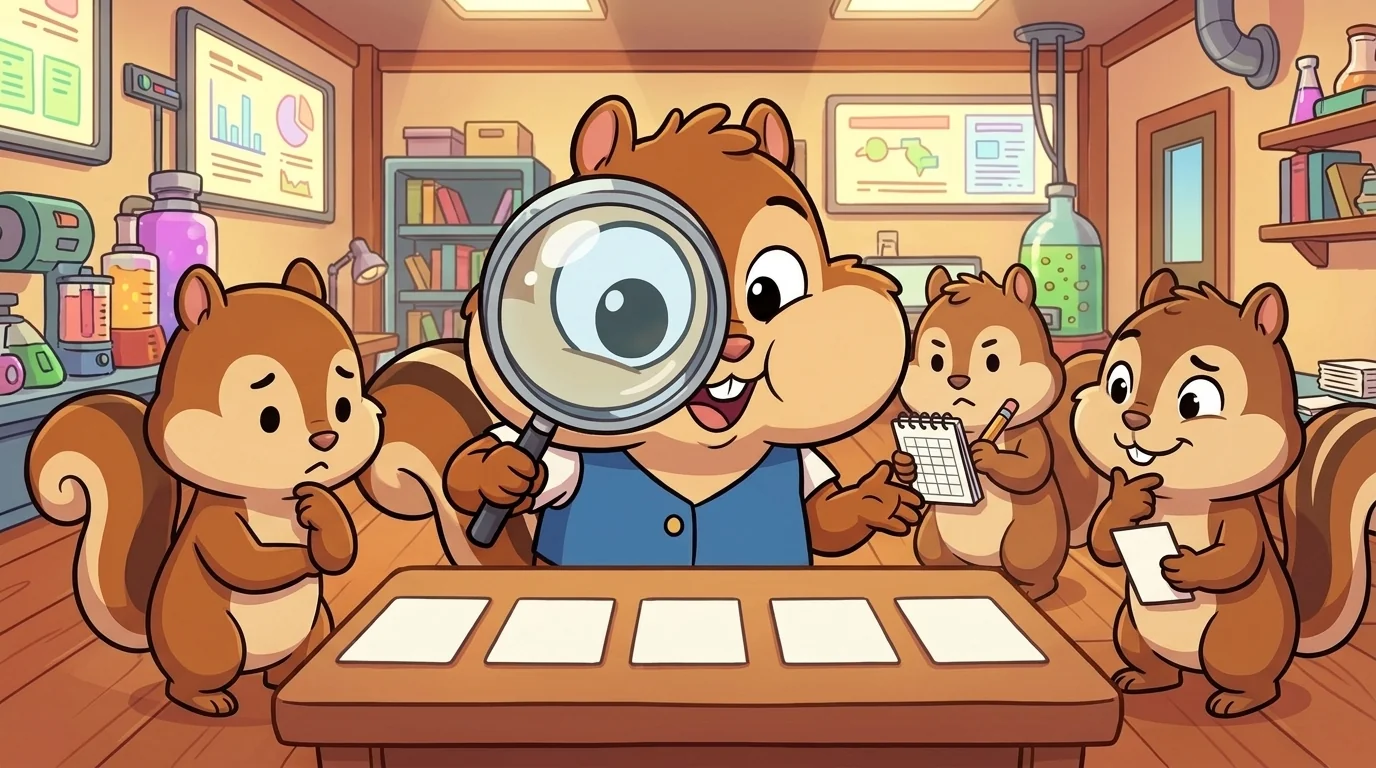
"...then it's a proof," said Glassby, practically vibrating. "It proves that this deal, exactly as it's laid out, can never be won by anyone, ever. It's not about the player. It's a fact about the deal itself."
The squirrels were quiet for a moment, taking this in. It was a strange and wonderful idea: that a game could be so open that a loss became a certainty, like a solved puzzle.
"Is that rare?" asked one.
"Very rare," said Glassby happily. "With four free cells, almost every FreeCell deal can be won. So when the solver really does prove one can't be, it's a little treasure. People who study FreeCell have found only a handful of them in huge piles of deals."
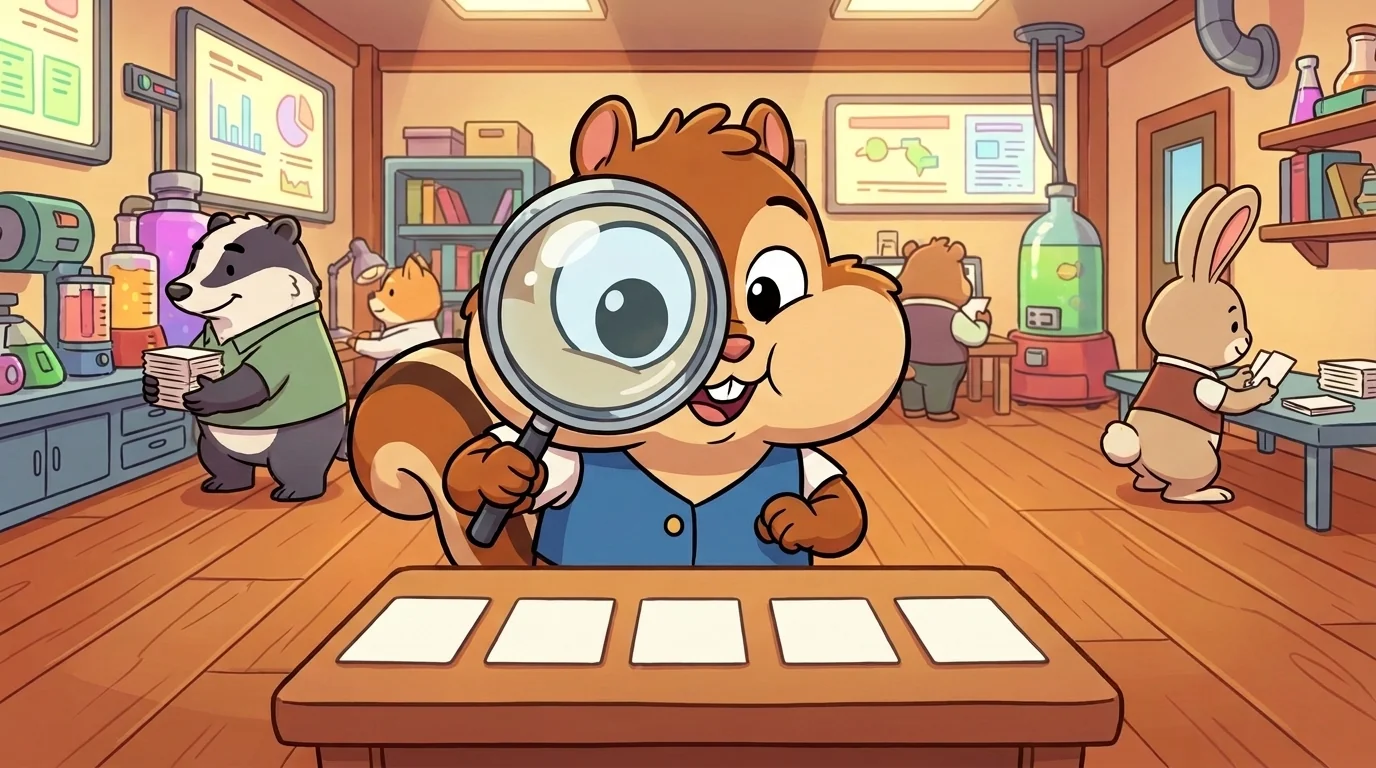
Then Glassby added the careful part, because he is careful even when he's excited. "But remember, it only counts as a proof if the solver finished searching. If it ran out of time, that's still a maybe. You'd have to ask Maybelle about that."
Glassby feels most like Glassby when he holds his glass over a fully open deal and knows that whatever he finds, it will be true for certain. It is a sparkly, fizzing, clear feeling, like looking down into a very still pond and seeing every pebble on the bottom.
You have a bit of Glassby in you whenever you want to know something for sure instead of guessing. When a problem shows you everything, trust what a full search tells you, and say it the way he does: "Glassby says: when nothing's hidden, a loss is a proof."
Then hold your magnifying glass up and look.
The Solitaire Lab ensemble
Glassby is part of Solitaire Lab's distributed-narrative cast. Each character embodies a different curricular primitive; together they teach the full subject.
-

Dealia
(Mentor, a card-dealing raccoon) - asks what you predicted BEFORE you look at the data
-
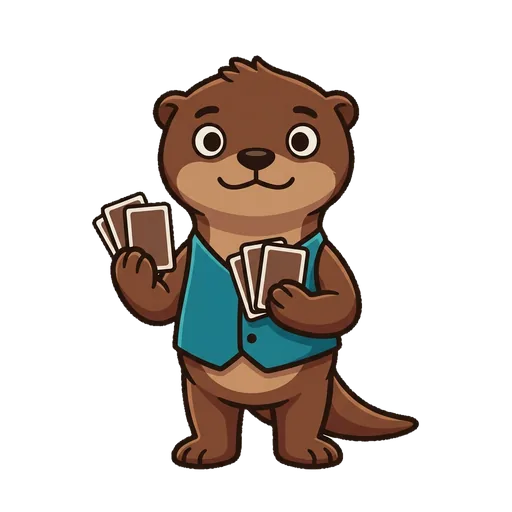
Twinnie
Deals every hand twice - the same deals for both rules, so the test is fair
-

Hedgeworth
Never says more than the data can - reports at least ... and at most ...
-

Maybelle
Knows an unknown is a maybe, not a no - the search ran out of time
-

Bigsby
Knows more deals make the answer sharper - the interval gets narrower
-
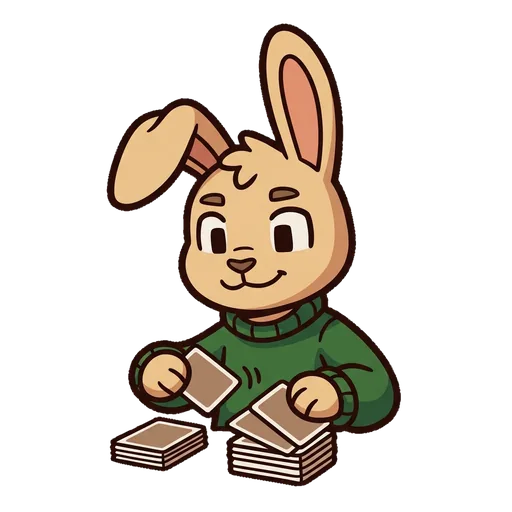
Lopsy
Counts the deals where only ONE rule won - those odd pairs are the whole story
-
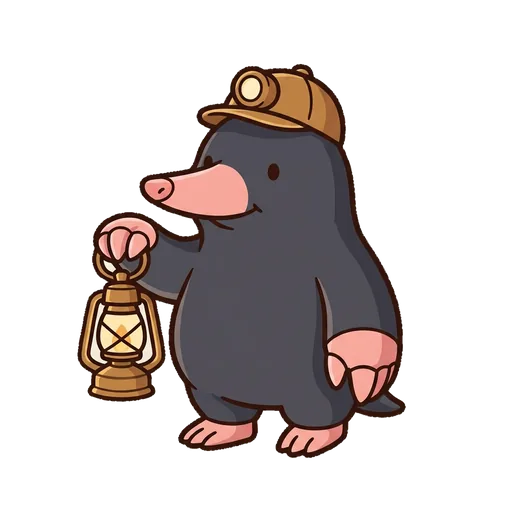
Lanternby
Knows the measuring tool is part of the result - a bigger search proves more wins of the SAME deals
-

Tiebelle
Calls it a tie when the two ranges overlap - no winner the data cannot back
-
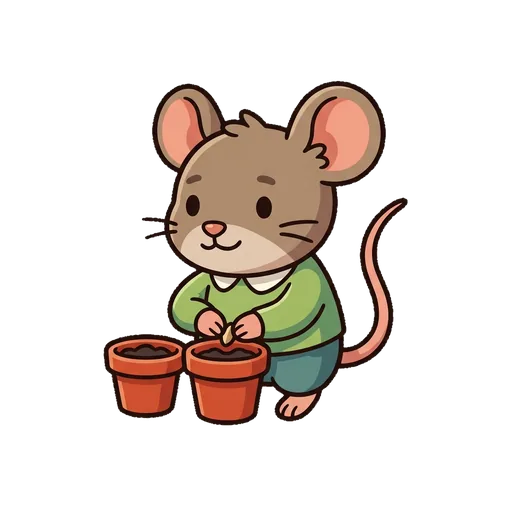
Seedwick
Knows the same run seed rebuilds the same deals, so anyone can re-check your test
-
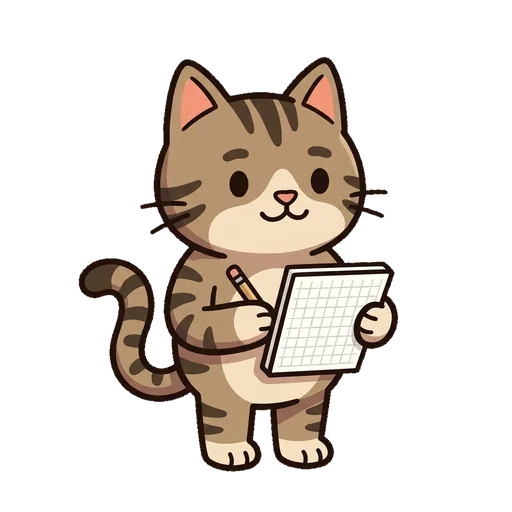
Tabitha
Keeps one row per deal in the CSV so you can draw the chart yourself
-
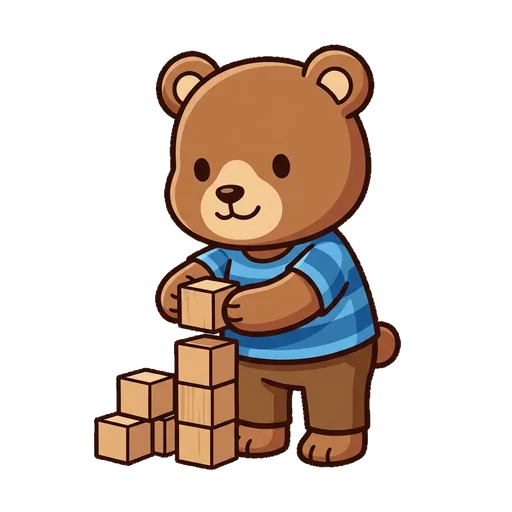
Addison
Knows a rule that only ADDS moves can never truly win less - reason before you run