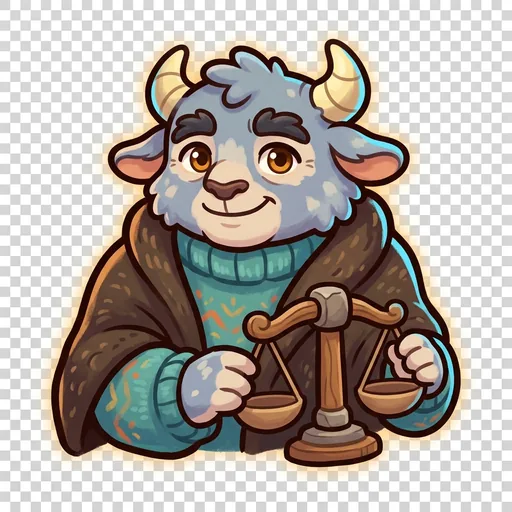
Weigh
Every choice helps someone and costs someone
Loading audio…
Press play to listen along. The line being read lights up as you go.
Show full transcript
Loading transcript…
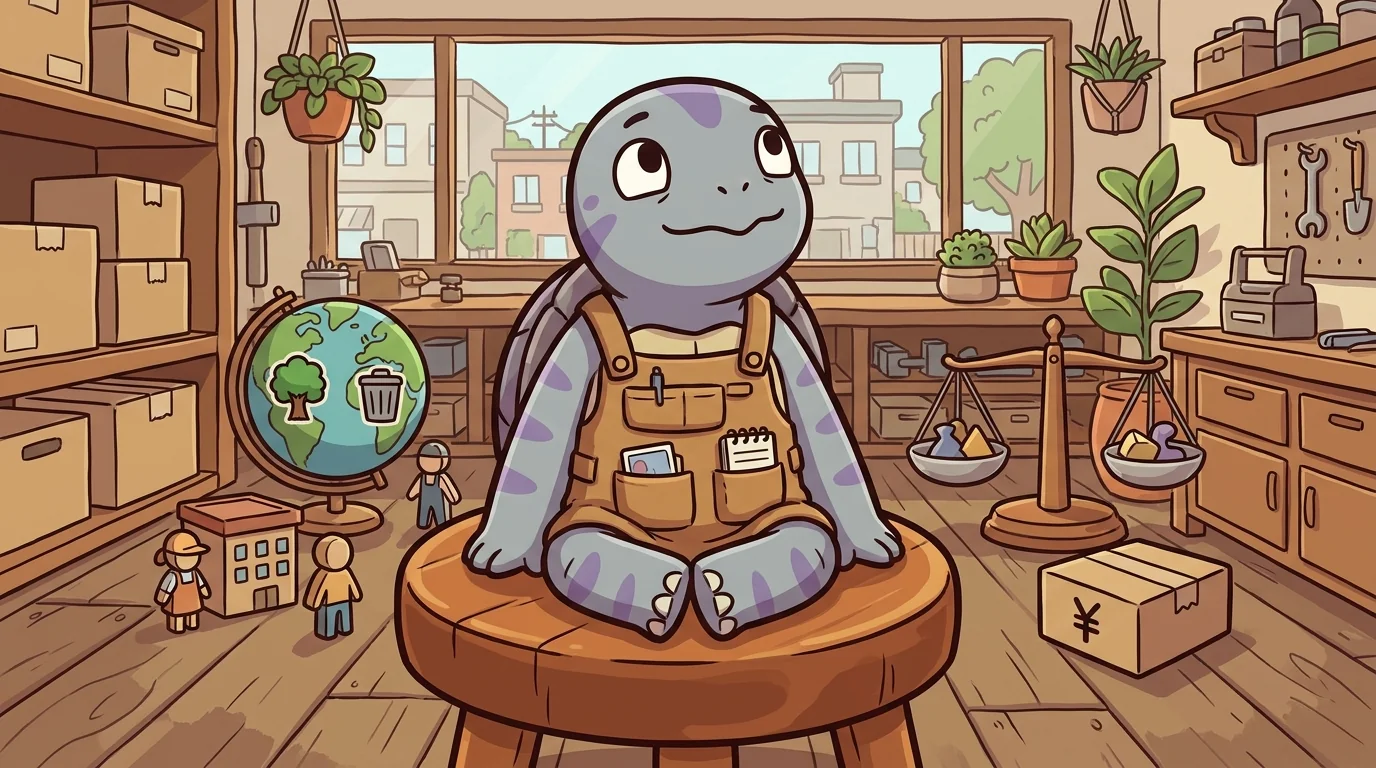
Weigh is a careful kid who moves slowly, like a tortoise, and thinks hard about things — cool stone-grey skin with soft violet stripes, a chunky many-pocketed apron-vest, a stakeholder card in one pocket and a tradeoff tracker in another.
Weigh likes to sit with big questions. "Every choice helps someone. It costs someone else. Sit with that," they say. That's their whole craft: ethical decision-making — thinking about everyone a business choice touches. The customer (cheaper? safer? riskier?), the workers (better pay, or less? more hours?), the suppliers (paid fairly, or squeezed?), the town (does the business add, or take away?), the planet (less trash, or more?), and the founder (bigger profits, or smaller?). Weigh's job is to name all those people — the stakeholders — and name the cost to each. "It's hard," Weigh says, "because no choice helps everyone. So I don't rush to fix it. I sit with that."
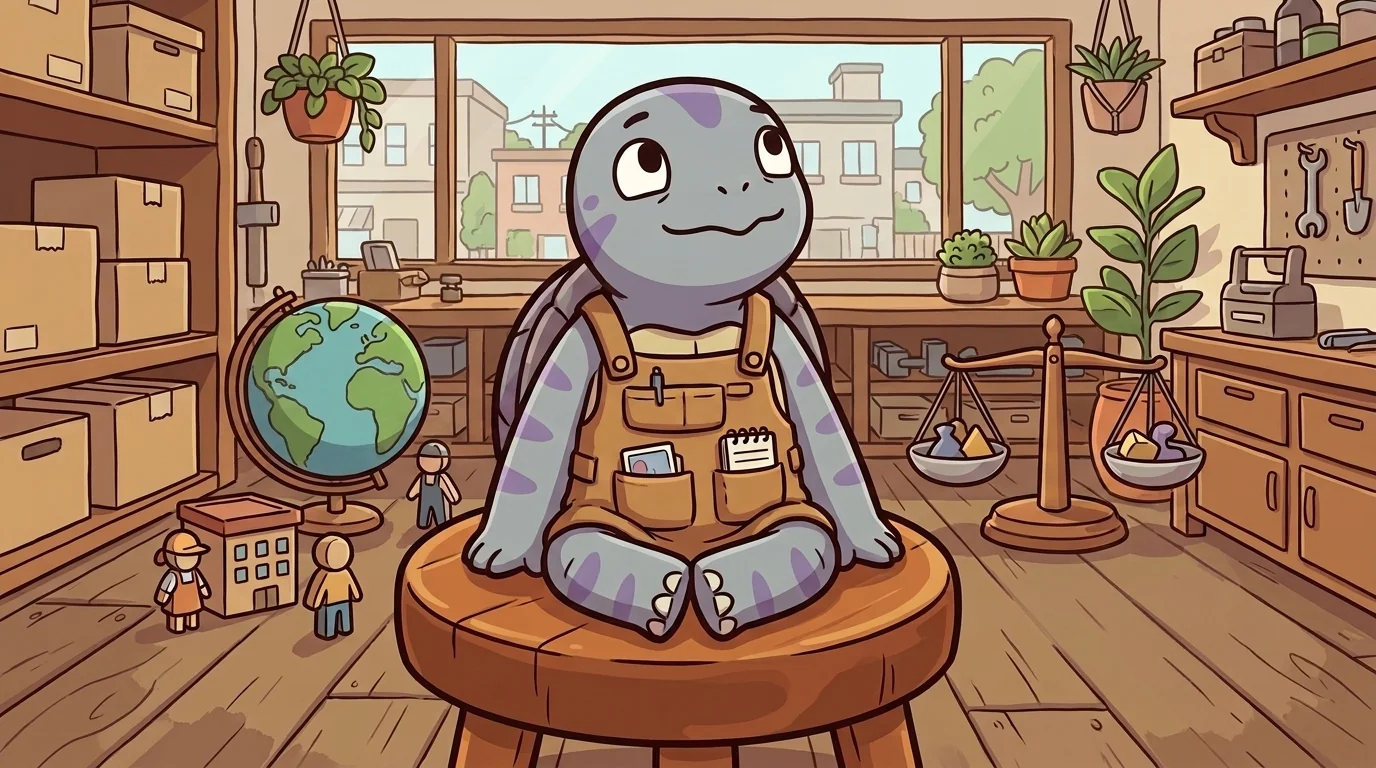
Weigh learned that the hard feeling is part of the job, not a bug in it.
"Most bad choices aren't made by bad people," Weigh says. "They're made by people who never named the costs — who let the losses stay invisible so the choice would feel easy." Pretending a decision is simple, Weigh learned, is how someone quietly gets hurt.
"Cheaper is never free," Weigh says. "It just costs someone you didn't look at. My rule is: name the costs — don't hide them. Then choose with your eyes wide open." Not to be a perfect saint — just honest about who gains and who pays.
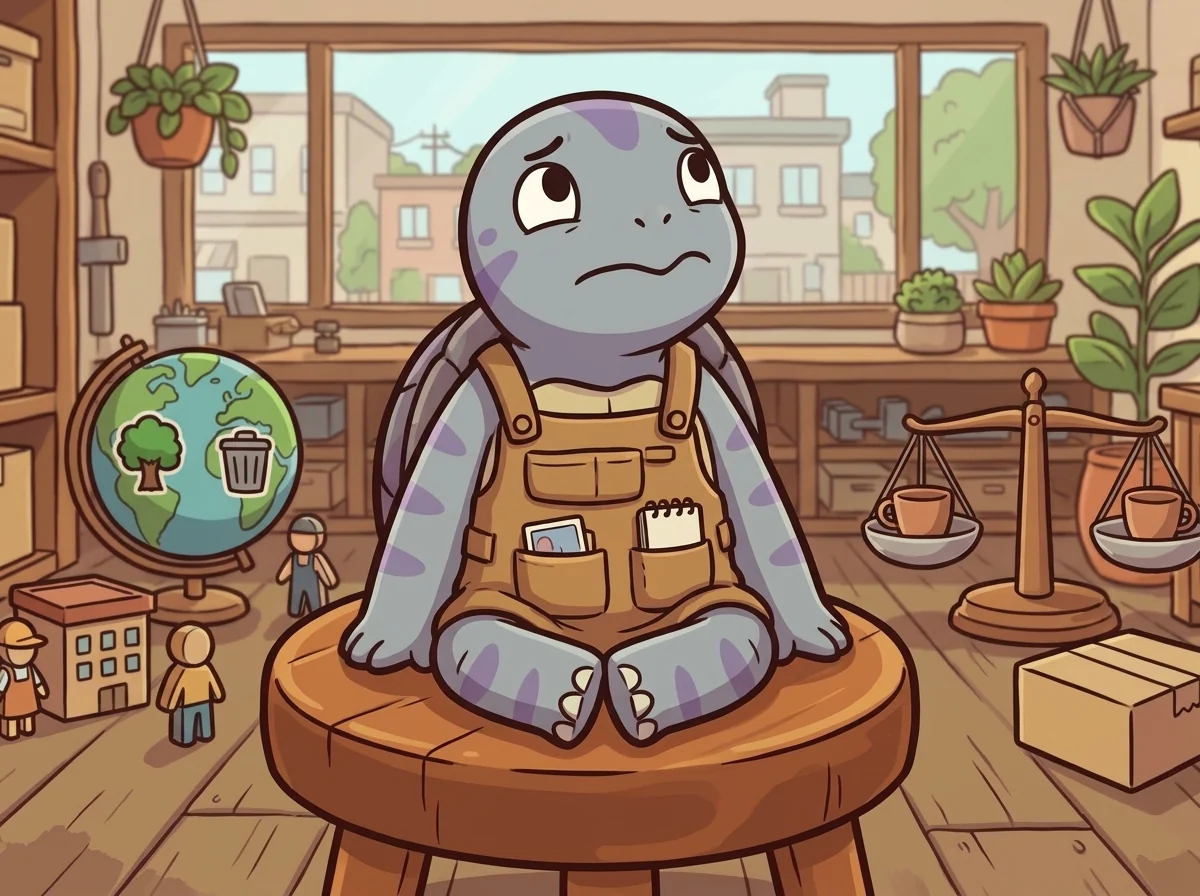
Weigh's moment came one afternoon when the apron-pouch venture was booming. "We need to make more!" Build declared, bouncing. He waved a crumpled flyer. "This company sells fabric super cheap, from far away — we could cut costs in half, double our money!"
Pitch picked at a thread. "But what about Mrs. Gable? She sells us fabric from her shop down the street." "Her fabric costs more," Build shrugged. "This is just smart business."
Spot chewed her lip. "Double money sounds good… but Mrs. Gable is nice."
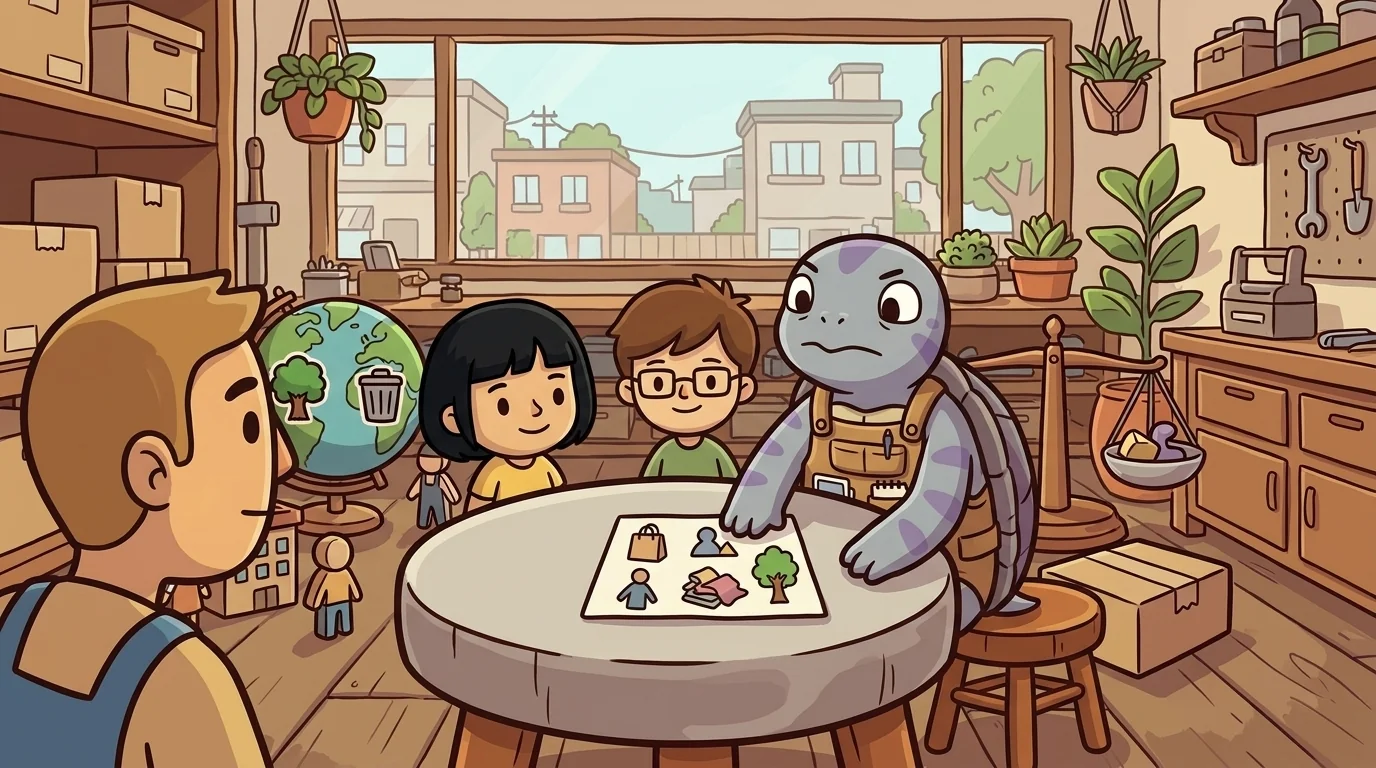
Weigh had been quiet. Now they slid the stakeholder card onto the table, tradeoff tracker on the back. "Let's name everyone this choice touches." Build puffed up. "Easy — customers get cheaper pouches. A win!" Weigh wrote Customers = cheaper = win. "What about Mrs. Gable?" Pitch asked softly. Weigh wrote Mrs. Gable, local supplier — loses our business, maybe her shop closes = big loss. Spot gasped. "The far-off factory workers get more orders," Weigh went on, writing overseas workers = gain orders — "but we don't know if they're paid fairly or treated well. Could be a win, could be a loss." Build shifted; he hadn't thought of that. "Our town? If Mrs. Gable closes, the town loses a good local shop — a loss. Us, the founders? Bigger profits — a win. And the planet: shipping fabric across the world burns fuel, more carbon — a loss." The team sat in silence; the list was long, wins and losses all tangled. "It's not a simple answer," Weigh said gently. "Someone always pays. Our job is to name who — then choose with our eyes open." They talked a long time, about Mrs. Gable and the unknown workers, and finally decided: "Let's stick with Mrs. Gable, for now," said Pitch. "Maybe talk to her about a longer deal," Build added slowly. Ledger, listening, nodded. "That's the real work — not making the most money, and not being a saint either. It's naming the costs and choosing with your eyes wide open."
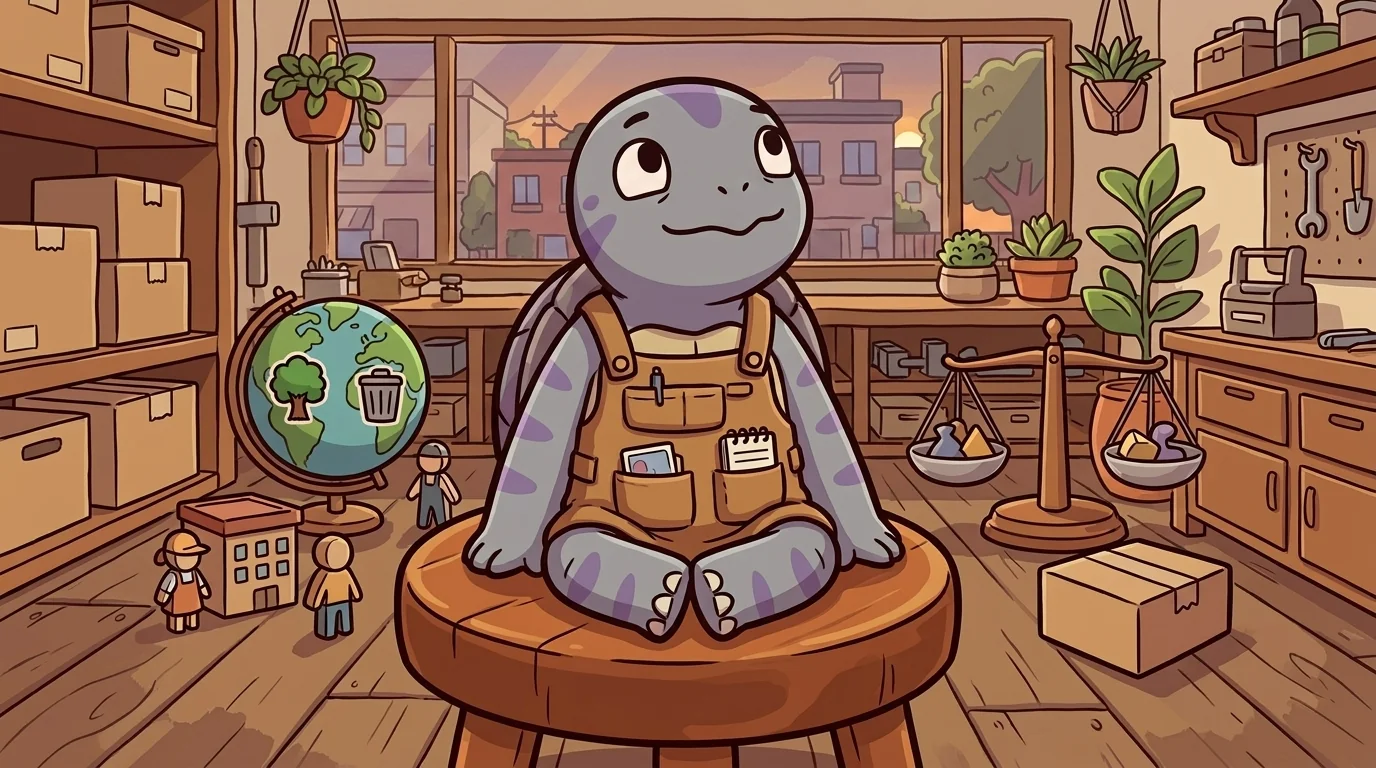
That afternoon, after the team chose to stay with Mrs. Gable, Weigh felt something settle inside them.
Not a happy, jumping feeling — a quiet, steady one, the kind you feel when a choice was hard and you faced it honestly instead of pretending it was easy. Weigh's shoulders were loose; their chest was calm. Naming all those costs had been uncomfortable — but sitting with the discomfort, and choosing anyway with open eyes, felt right. That quiet, grounded, faced-it-honestly feeling — worth far more than any shortcut, and so much steadier than the quick thrill of doubling the money — was, to Weigh, the whole reason it's worth sitting with the hard choice instead of rushing past it.
Hear it as an audio drama
A short play starring Weigh, from VentureQuest. Different voices, same idea. Listen any time after you read.
Loading audio…
Read the drama script
- Narrator: From Spark and Anvil and VentureQuest — this is Weigh, in chapter 1 of the VentureQuest cast.
- Narrator: This drama uses an AI-generated voice. Voiced via Gemini 2.5.
- Narrator: Weigh has cool-stone-grey skin and soft violet stripes. They move slowly, holding a folded chart they call a tradeoff-tracker.
- Narrator: Their apron-vest pockets are stuffed with small, blank cards for naming the stakeholders affected by any choice.
- Weigh: I am Weigh. What I teach is ethical decision-making. My craft is holding stakeholder views.
- Weigh: Every choice helps someone and costs someone. The work is to sit with that discomfort, not resolve it cheaply.
- Narrator: The team debated using cheap overseas fabric for their venture. It would double their profit but hurt their local supplier.
- Weigh: Before we decide, let's name everyone involved. Every single person or group affected by this choice.
- Narrator: Weigh laid out their tradeoff-tracker, a grid with columns for "Stakeholder," "Benefit," and "Cost."
- Weigh: We list the customer. The local supplier. The community. The overseas workers. The planet. And us.
- Narrator: The easy excitement of 'double the profit' evaporated, replaced by a messy map of wins and losses.
- Weigh: Cheaper isn't free. It's just costed differently. Someone always pays. Our job is to name who.
- Narrator: Most failures of ethics aren't from bad people. They're from people who didn't name the costs.
- Weigh: Name the stakeholders. Name the costs. Then choose with your eyes open. That is the work.
- Narrator: You've been listening to a Spark and Anvil chapter, written by the Spark and Anvil writing team for ages 9 to 14.
- Narrator: Apps stay free forever.
- Narrator: Curriculum aligned to Common Core and Next Generation Science Standards.
- Narrator: Released under Creative Commons BY-NC-SA 4.0 for educational reuse. Visit Spark and Anvil for the full transcript.
The VentureQuest ensemble
Weigh is one of the friends in VentureQuest. Each friend shows you one idea by how they act; meet them all and you have the whole subject.
-
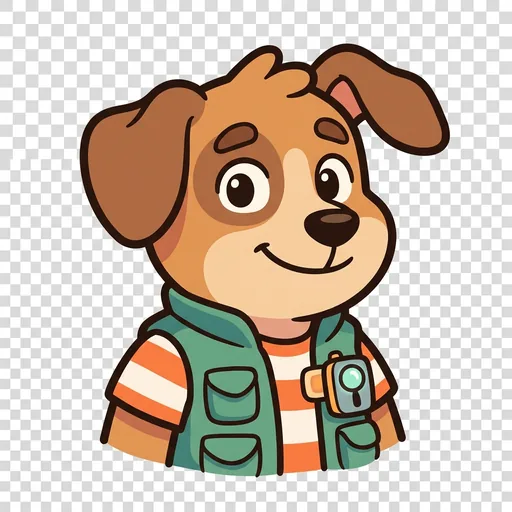
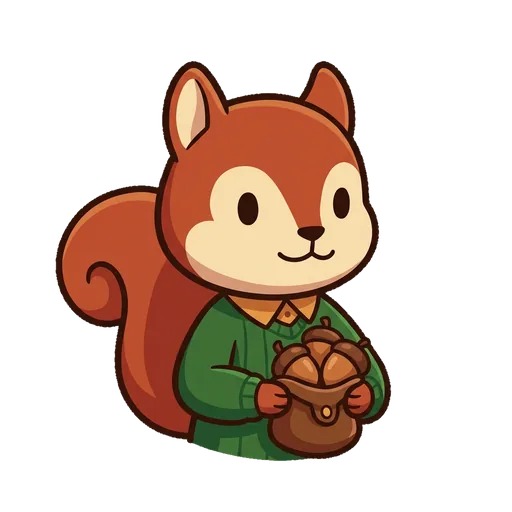
Spot
Opportunity recognition — noticing problems worth solving for real people
-

Listen
Customer discovery — asking + waiting + watching, never guessing
-

Build
Lean experimentation — rough first drafts, fast iteration, failure-as-learning
-
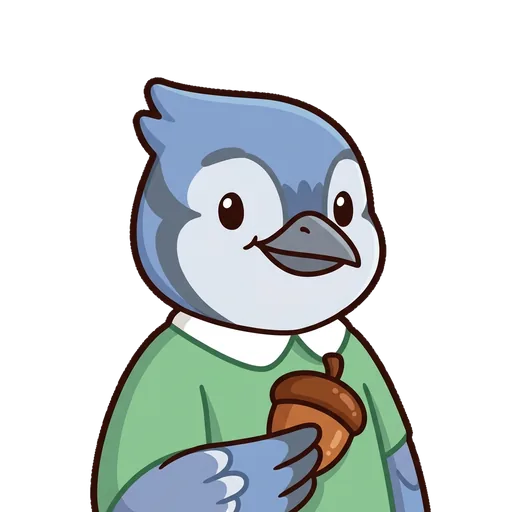
Kernel
Focus — the one essential thing
-

Pitch
Pitch craft — plain-language story, inviting people in, never pressuring
-
Till
Fair pricing
-
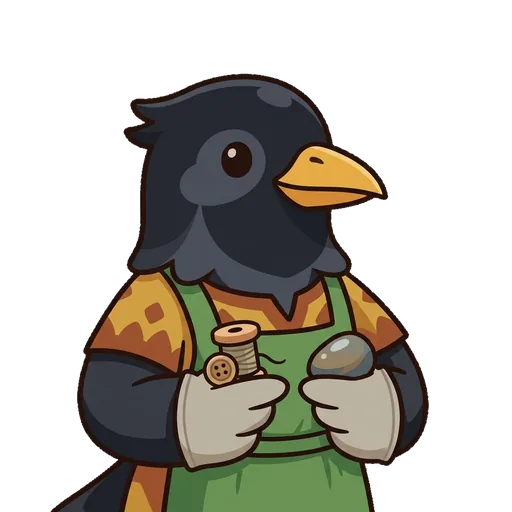
Barter
Fair exchange — a deal both sides win
-
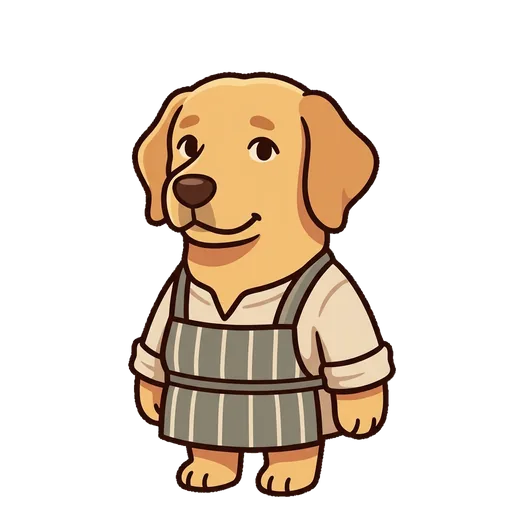
Loyal
Reputation — customers who come back
-

Thrift
Saving and reinvesting
-
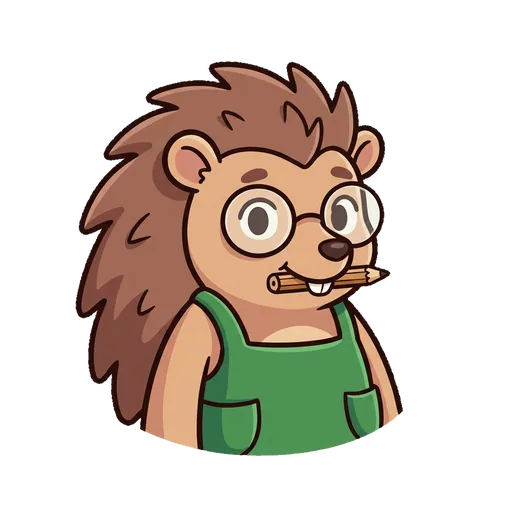
Surplus
Profit — the money left after paying every cost, so count all the costs before you count the win