Before you start
Think it through first
Most popular
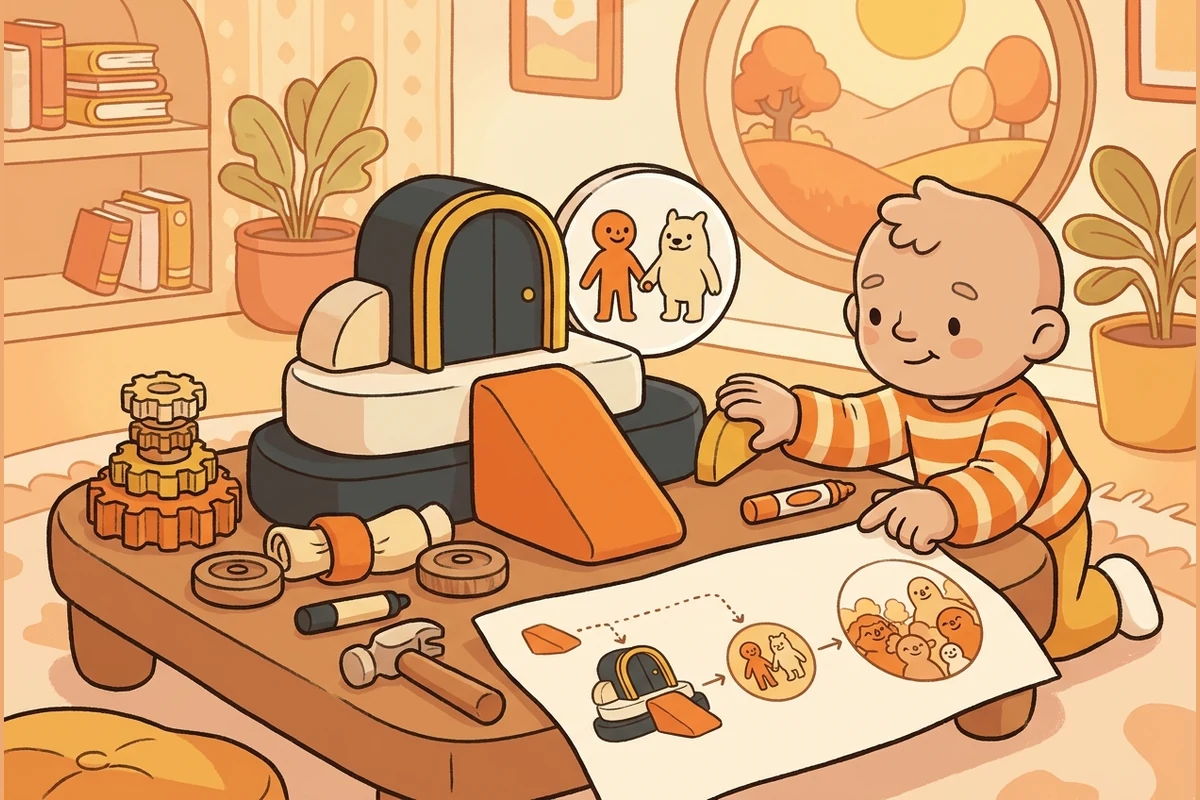 Design for Everyone Spot a barrier — stairs, tiny text, sound-only signals — and pick the universal-design fix that helps the person who needs it AND everyone else.
 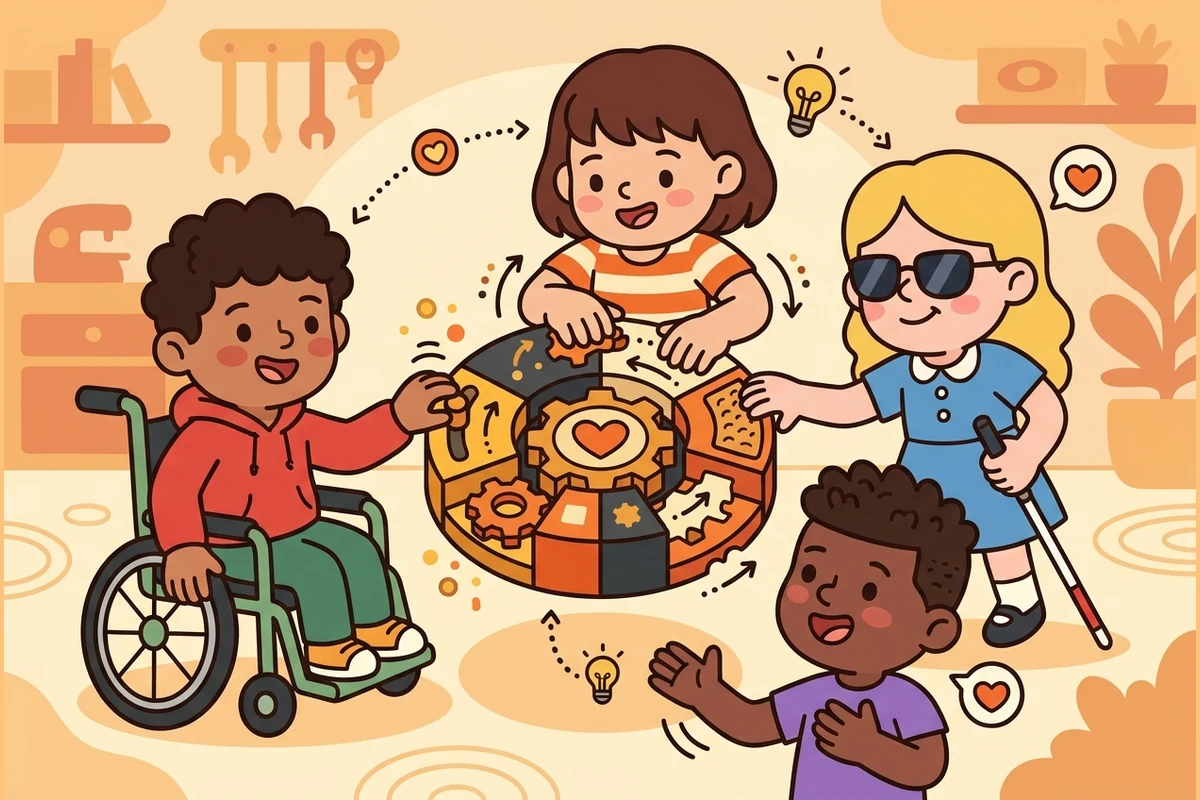 Test the Design Put a fix to the test: pick it, then check it against three different people. See for yourself why a universal design works for everyone — not just one group.
 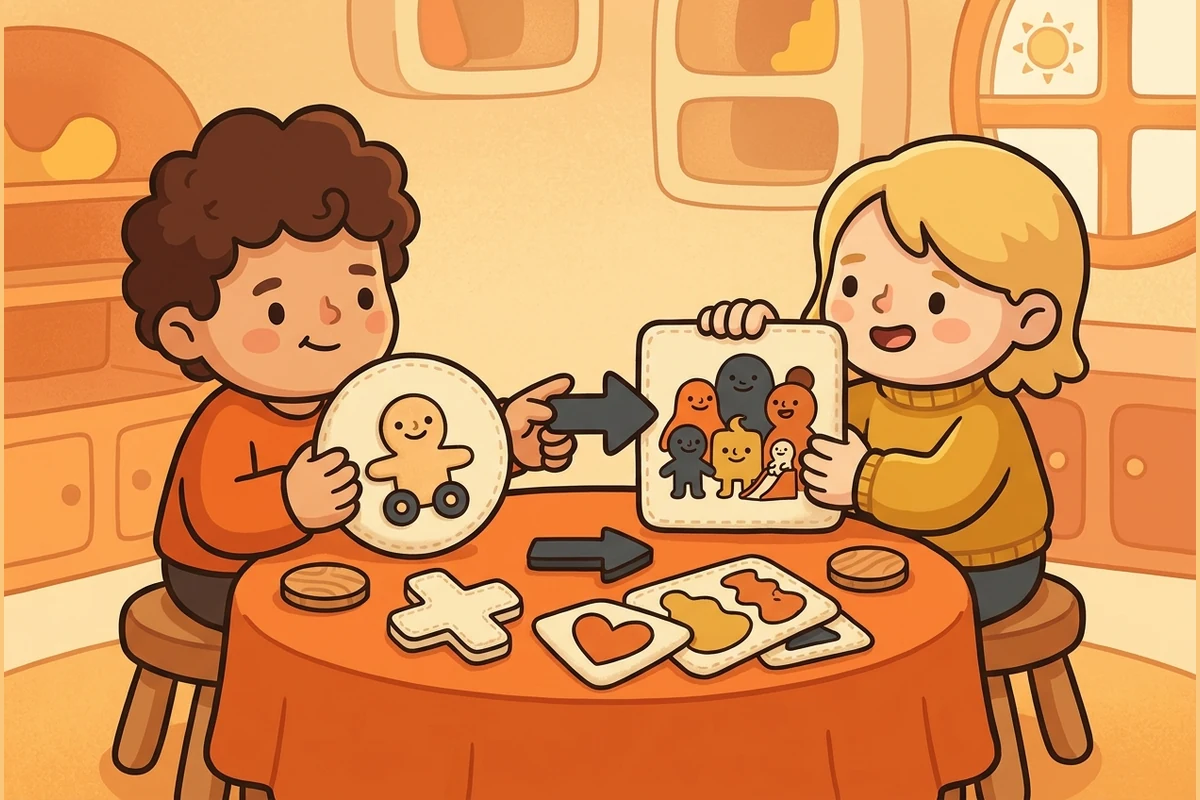 Teach the Cast Teach an inclusive-design idea to a cast member still learning it — teaching makes it stick.
 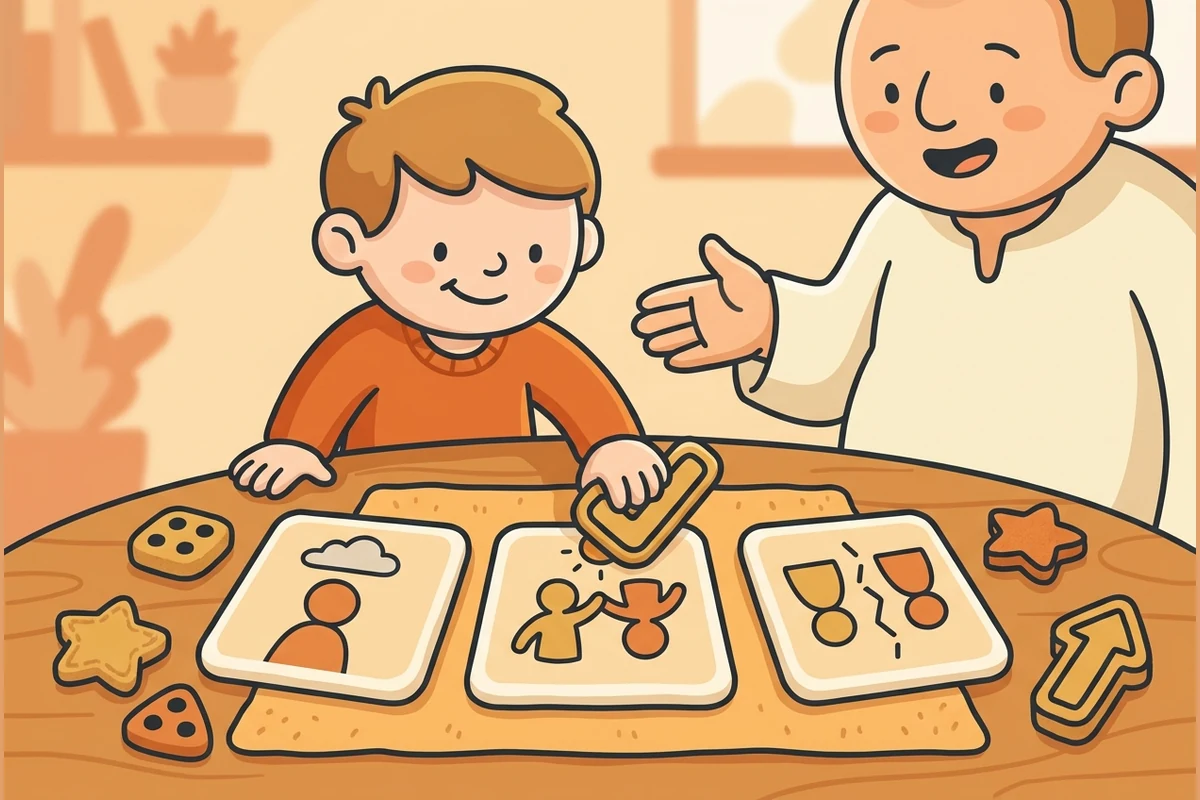 Concepts checks Short rounds across disability awareness, rights history, assistive technology, and inclusive communities.
 All activities
Design & test
Design for Everyone Spot a barrier and pick the universal-design fix that helps everyone. Test the Design Check a fix against three different people — see why universal design works for everyone. Retrofit the Space Compose fixes across a whole library so three friends can use ALL of it — the production rung of inclusive design.
Learn & practice
Concepts checks Disability awareness, rights history, assistive technology, and inclusive communities — a hint only after a first miss. Mixed practice A short round shuffling questions from the checks you have played — spaced so it sticks. Teach the Cast Teach an inclusive-design idea to a cast member still learning it. Trick Questions Brain-teasers with a twist — spot why the obvious answer is a trap.
Concepts checks — disability awareness, rights & inclusive design
Kit 1: Understanding Disability and Ability awareness Kit 2: Experiencing Different Abilities awareness Kit 3: Disability Rights History rights Kit 4: Assistive Technology and Innovation design Kit 5: Universal Design Principles design Kit 6: Building Inclusive Communities community Kit 7: Advocacy, Activism, and Policy rights Kit 8: Designing an Inclusive Future design Kit 9: Cultural Awareness community Kit 10: Stereotypes & Bias community Kit 11: Allyship & Advocacy rights Kit 12: Accessibility & Universal Design design Kit 13: Cross-Topic Connections connections Kit 14: Real-World Applications connections Kit 15: Misconceptions & Reasoning reasoning Kit 16: Advanced Synthesis synthesis
More ways to play
😄 Brain break

Meet the cast — the characters who teach this
-
 Lens Perspective-taking — asking + listening, NEVER mind-reading; 'I can't BE you. But I can ASK what it's like.'
 -
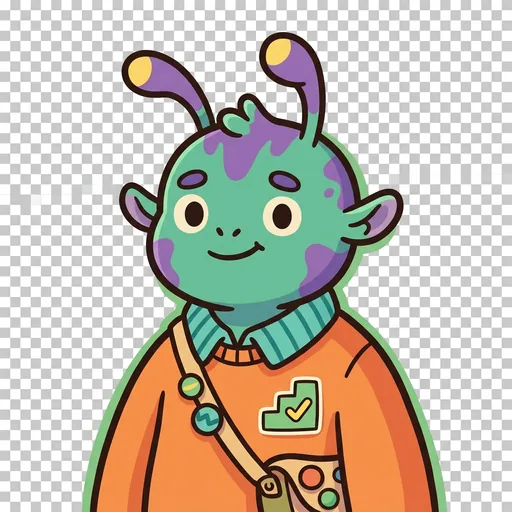 Notice Barrier-identification — barriers as PROPERTIES OF SPACES never PROPERTIES OF PEOPLE; 'It's not the wheel. It's the stair.'
 -
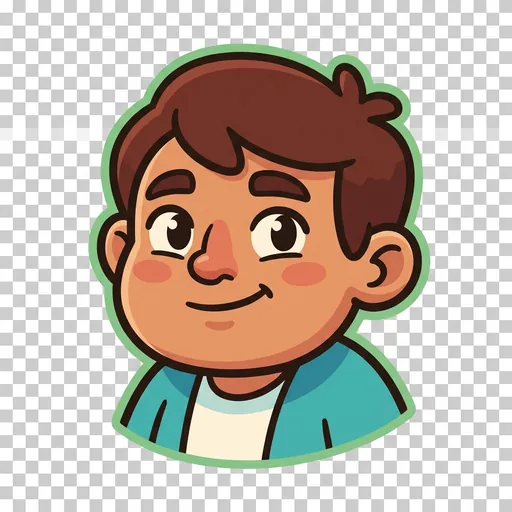 Ask Ask-don't-assume + amplify — makes SPACE for voices, never replaces them; 'What would feel right TO YOU? I'll listen.'
 -
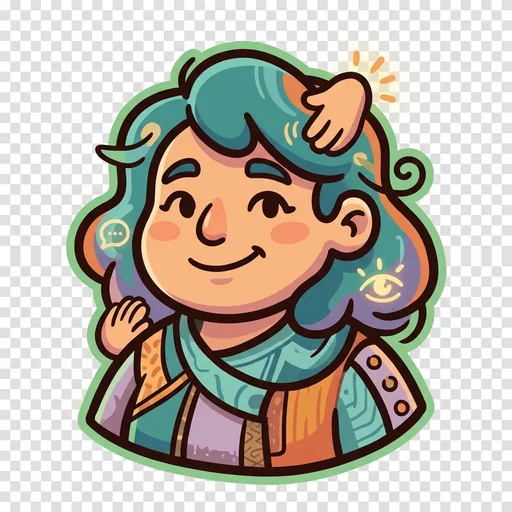 Design Universal Design — multi-modal solutions; never one-size-fits-most; 'Three doors. Different doors. All doors.'
 -
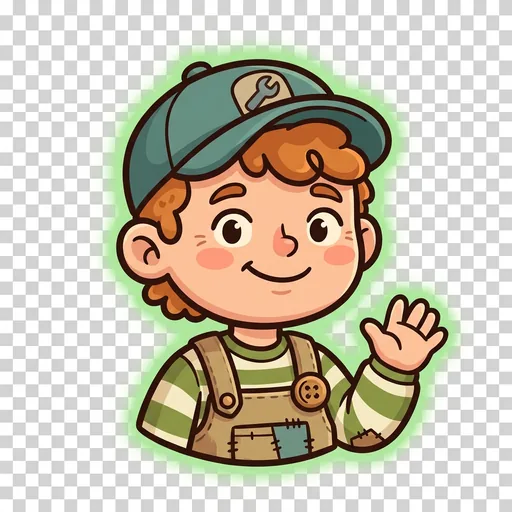 Repair Repair-and-reflect — mistakes as PART OF the work; never self-flagellating (renamed from Mend — MendMates mentor collision)
 -
 Abide Believe / take-it-seriously — takes someone at their word about their own experience, no proof required; 'You weren't supposed to know. You were supposed to believe.'
 -
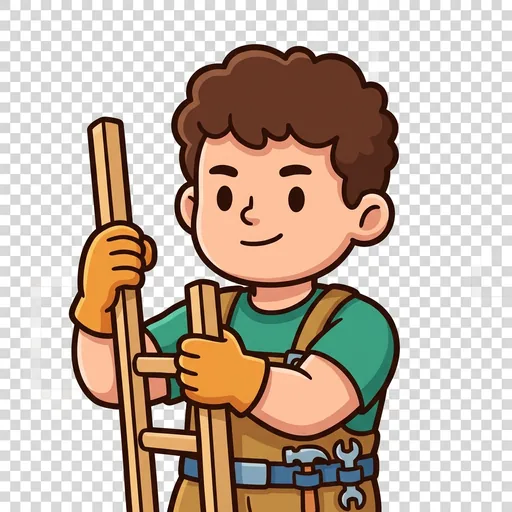 Bolster With-not-for — follows the lead of those most affected, backs their plan instead of taking over; 'Hold the ladder; don't grab the beam.'
 -
 Rally Upstander — steps in when exclusion happens, joining beside not rescuing; 'I didn't have to fix the whole world. I just had to not stand there.'
 -
 Uphold Follow-through — keeps access working after it's built; 'Belonging isn't a thing you finish. It's a promise you keep.'
 -
 Uplift Asset-not-deficit — celebrates what someone brings, not only what's in their way; 'Belonging isn't only the absence of walls. It's the presence of glad.'
Ensemble stories — the cast together