
Lopsy and Twinnie
a paired test and its discordant pairs work as one move - identical deals remove luck, and then only the deals where the two rules disagree can show which rule is better
Loading audio…
Press play to listen along. The line being read lights up as you go.
Show full transcript
Loading transcript…
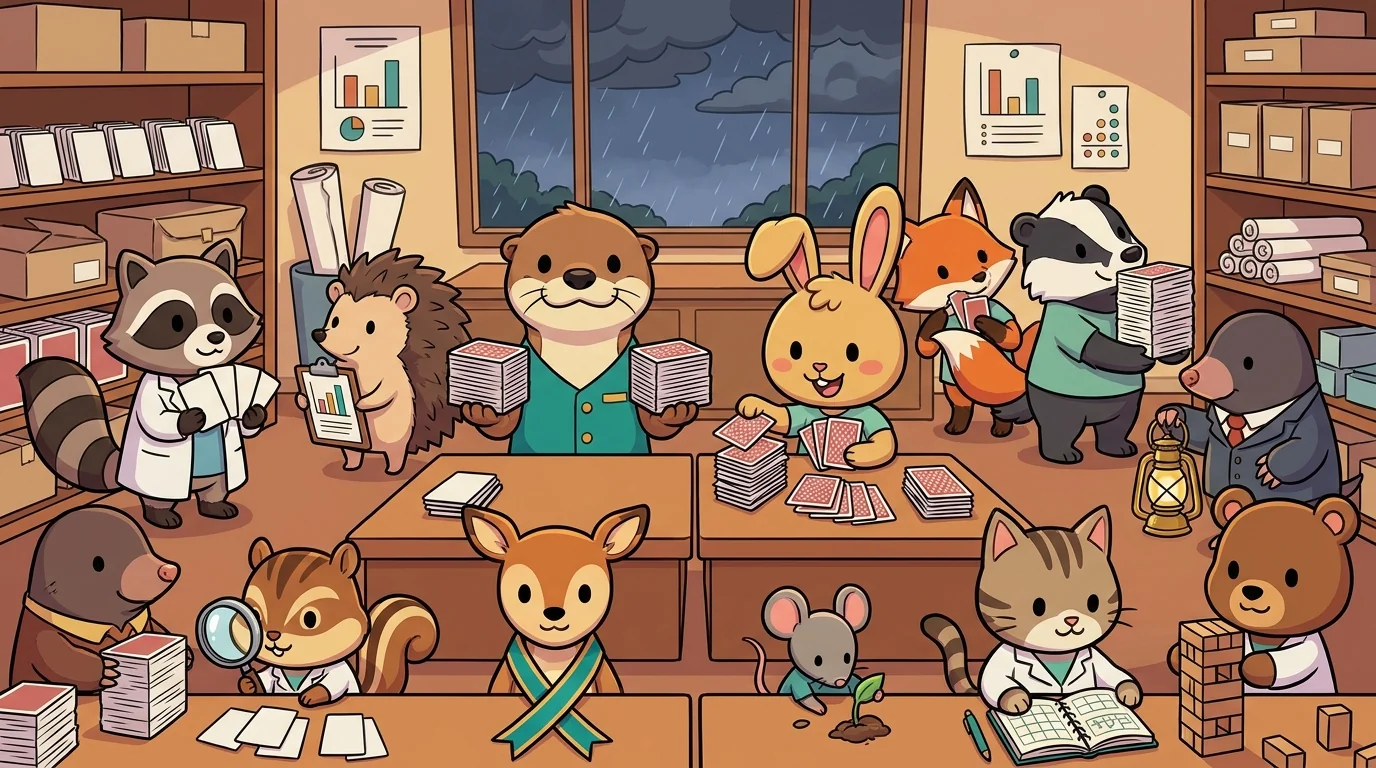
Twinnie the otter and Lopsy the rabbit are the two animals in the Card Lab who seem least alike. Twinnie is calm and careful, with a teal vest and two perfectly matched stacks of face-down cards, one in each paw. Lopsy is quick and bouncy, one ear up and one ear flopped over her eye, always sorting cards into a big pile and a small pile.
But ask anyone in the lab, and they'll tell you: when there is a big question to answer, you want the two of them together. They call themselves the Pair Team.
The big question arrived on a stormy evening. A young vole named Burr came in with a rule she had invented. She wanted to play FreeCell, the game where every card is face up, with only three free cells instead of the usual four. She was certain one fewer cell would hardly change anything.
"How do we find out for sure?" Burr asked.
Twinnie stepped forward first, because the first step is hers. "We make it fair," she said. "If you play your rule on some deals and the normal rule on different deals, then luck gets mixed in with the rule. Easy deals, hard deals, we'd never know which was which."
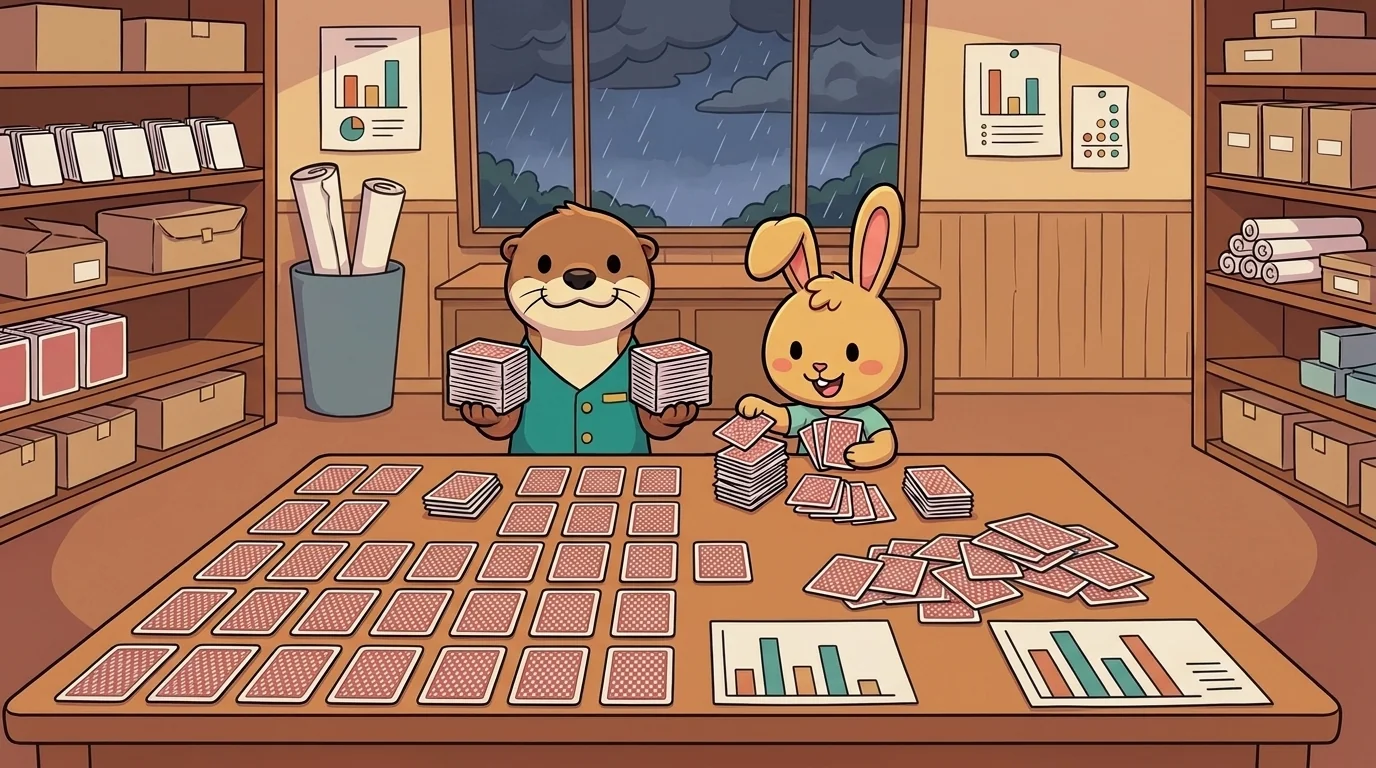
She took a fresh deck and dealt sixty hands, slowly and carefully. Then she dealt the same sixty hands again, card for card, into a second row. Two rows of twins. The first row went to the usual four-cell game. The second went to Burr's three-cell game. The solver played every single game.
When the results came back, the table was covered. One hundred and twenty games, sixty pairs, won and lost and not sure yet scattered everywhere. Burr's eyes went wide. "There's so much," she said. "How do we read it?"
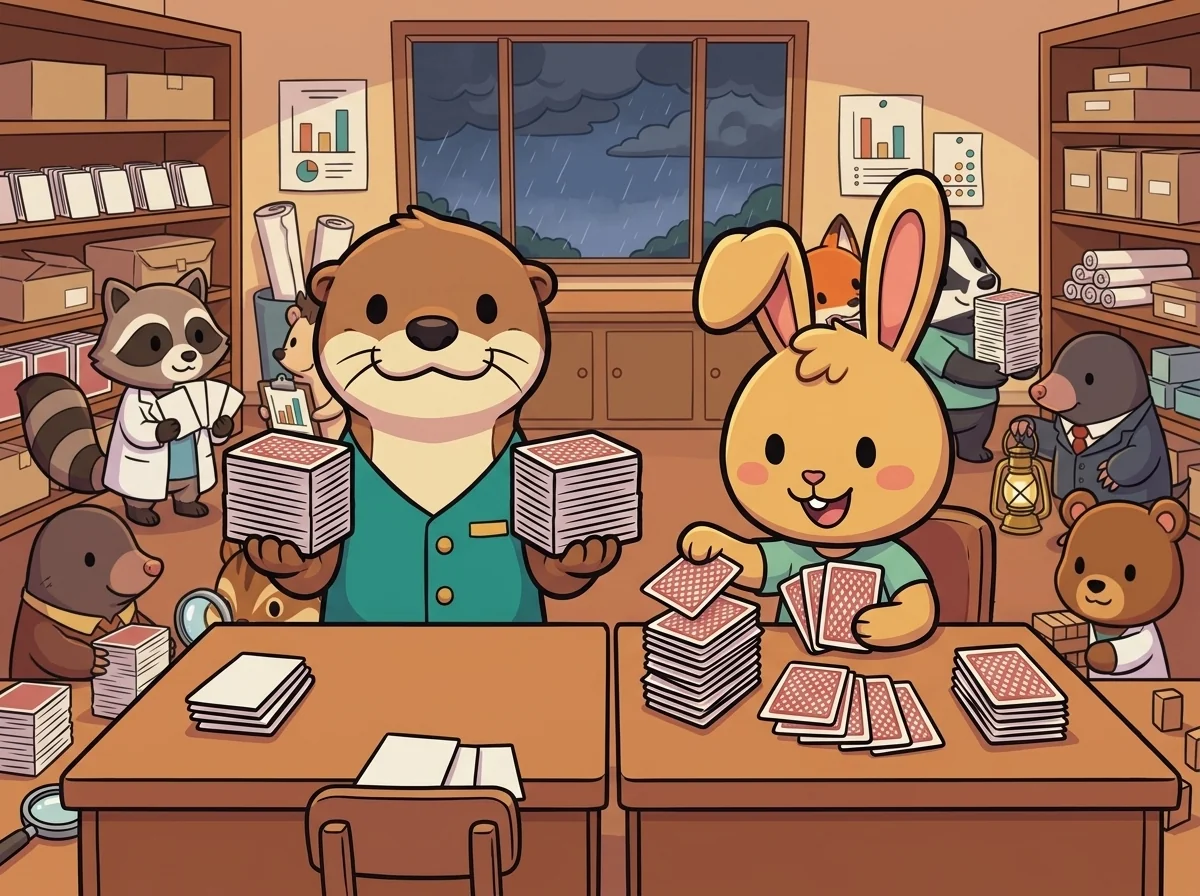
That's when Lopsy hopped up onto the table, flopped ear swinging. "Now it's my turn," she said. "Because Twinnie made the deals fair, I get to do something really simple."
She picked up the first pair. Both rules had won it. "Both won. That deal was easy for everyone. It can't tell us which rule is better." She set it on the big pile. The next pair: both lost. Big pile. Then both won again. Big pile.
"Wait," said Burr. "You're throwing most of them away?"
"Not throwing away," said Lopsy. "Setting aside. A pair that agrees can't show a difference. And here's the key." She looked over at Twinnie. "This only works because the deals are twins. If the deals weren't the same, a pair that agreed might just be luck. Twinnie's fairness is what makes my sorting honest."
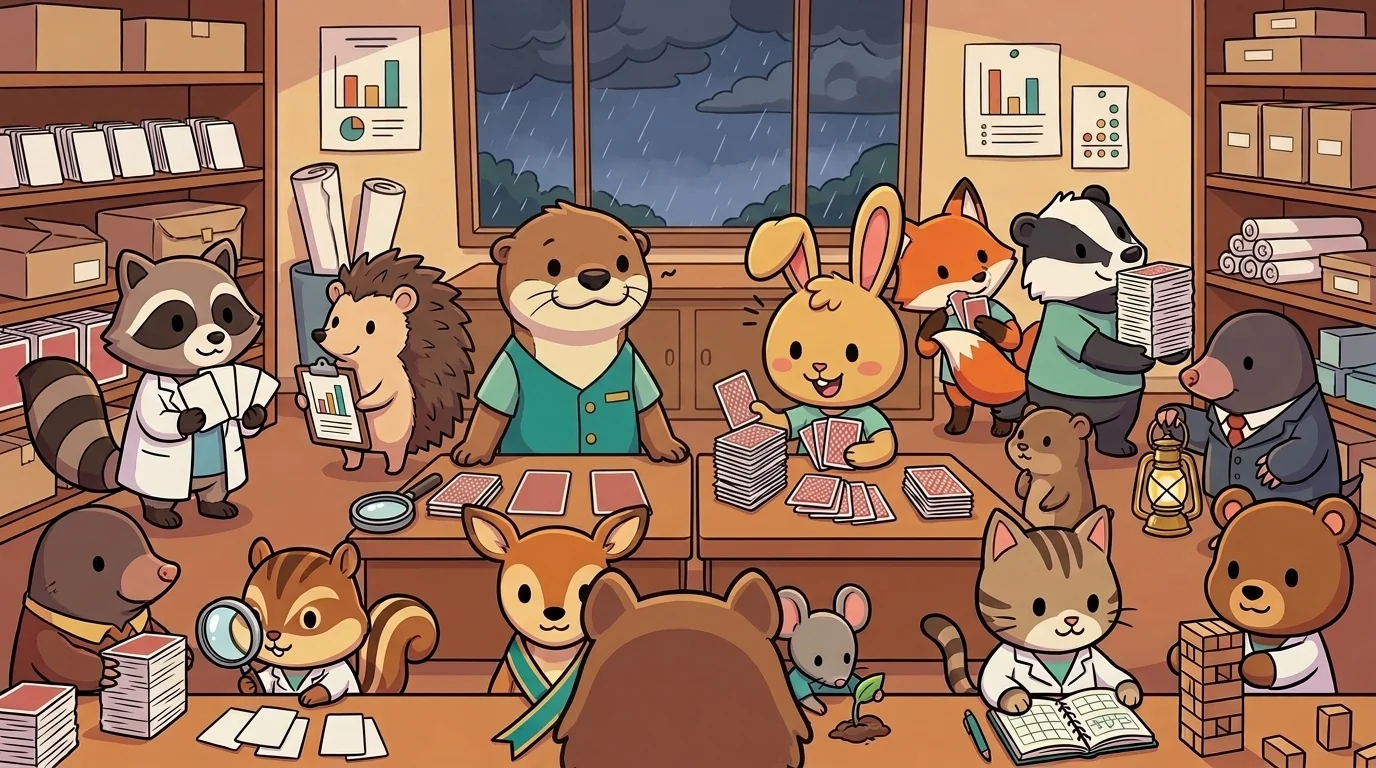
Twinnie gave a small, pleased nod.
Lopsy kept going, fast now. Big pile, big pile, big pile. Every so often she found a pair where the two rules disagreed, and she set it apart on the small pile. When she finished, fifty-two pairs sat in the big pile. Only eight sat in the small one. In every one of those eight, the four-cell game had won and the three-cell game had lost.
"There's the whole story," said Lopsy, ears quivering. "On fifty-two deals, the missing cell made no difference. On eight, it did, and every time, it was the four-cell game that won."
Burr let out a long breath. "So one fewer cell does matter. Just not on most deals."
"A small difference, on a few deals, measured fairly," said Twinnie. "That's a real answer."
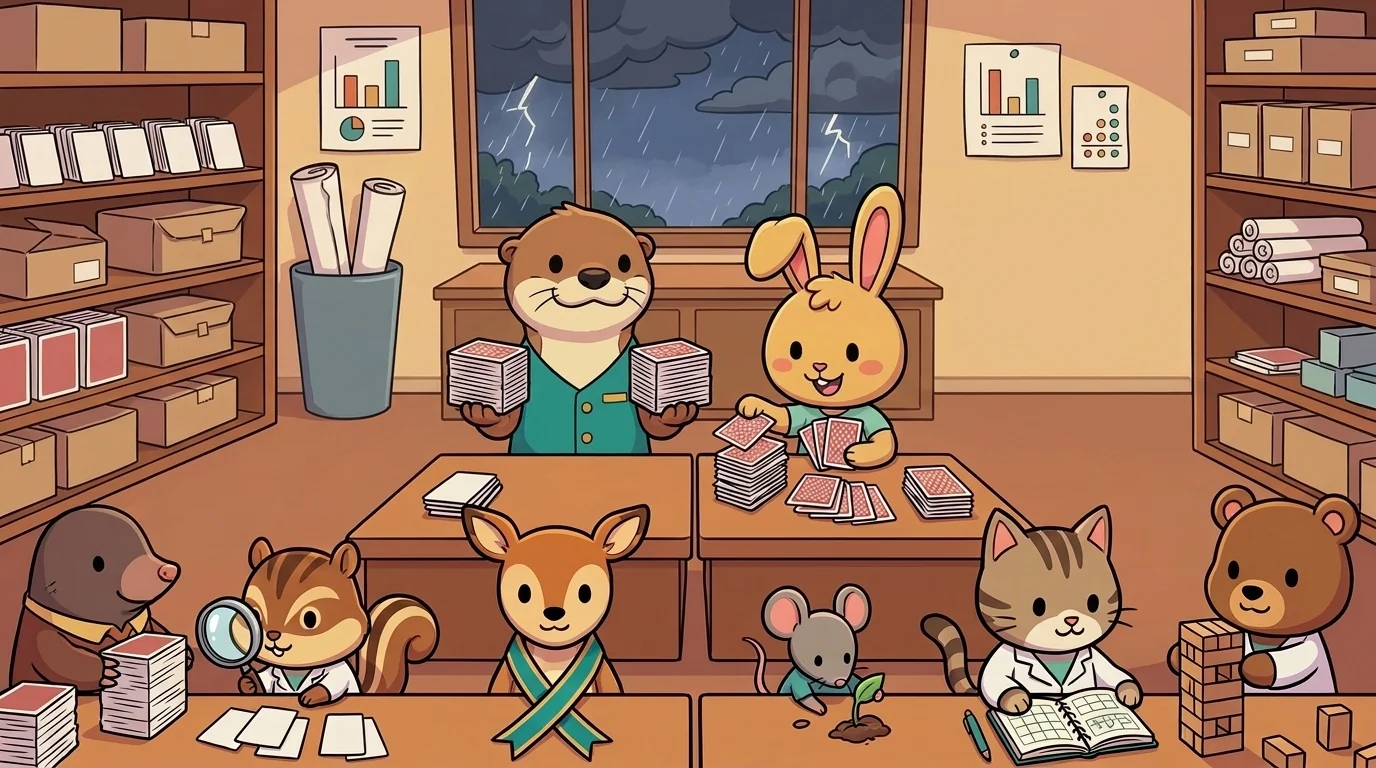
Burr looked from the calm otter to the bouncy rabbit and back again. "Neither of you could have done it alone."
"Nope," said Lopsy happily. "Without Twinnie, my small pile would be full of luck. Without me, her fair deals would be a giant heap nobody could read."
The Pair Team feels most like themselves at the very end, when Twinnie's two rows are laid out perfectly and Lopsy's small pile is sorted, tiny and clear. It is a warm, click-into-place feeling, like two puzzle pieces from different corners of the box turning out to fit exactly.
You have a bit of the Pair Team in you whenever you make a test fair and then look for the few cases that differ. Say it the way they do: "Twinnie makes the pairs, Lopsy reads the odd ones: fair deals, then the few that differ."
Then find your partner, and answer the big question together.
The Solitaire Lab ensemble
Lopsy and Twinnie is part of Solitaire Lab's distributed-narrative cast. Each character embodies a different curricular primitive; together they teach the full subject.
-
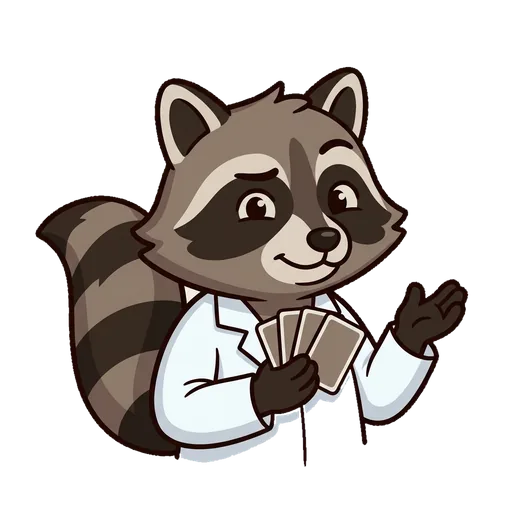
Dealia
(Mentor, a card-dealing raccoon) - asks what you predicted BEFORE you look at the data
-
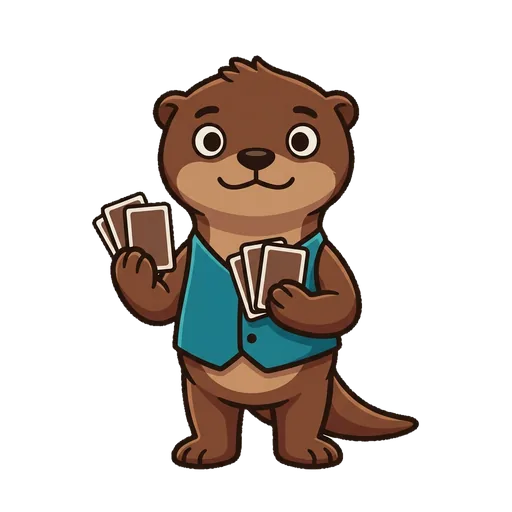
Twinnie
Deals every hand twice - the same deals for both rules, so the test is fair
-

Hedgeworth
Never says more than the data can - reports at least ... and at most ...
-
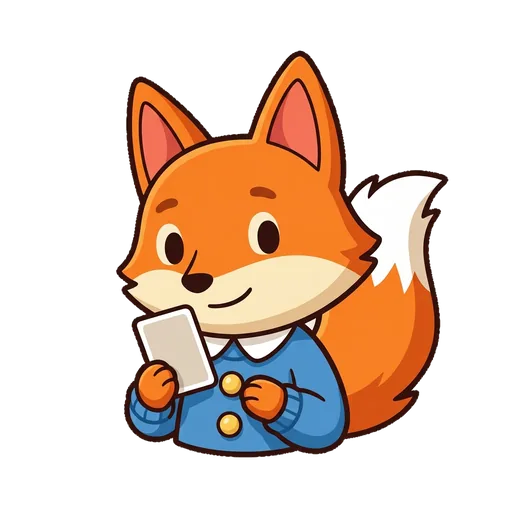
Maybelle
Knows an unknown is a maybe, not a no - the search ran out of time
-

Bigsby
Knows more deals make the answer sharper - the interval gets narrower
-
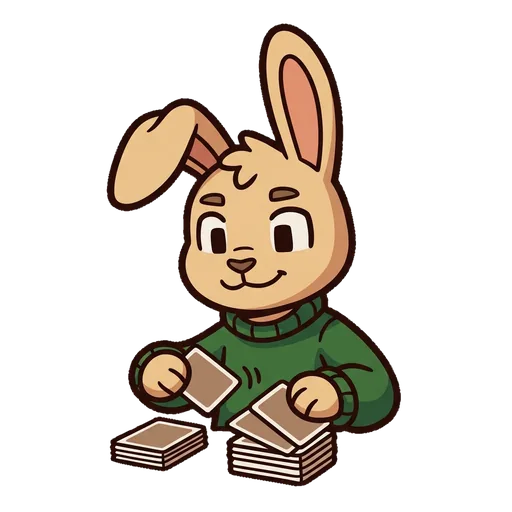
Lopsy
Counts the deals where only ONE rule won - those odd pairs are the whole story
-
Lanternby
Knows the measuring tool is part of the result - a bigger search proves more wins of the SAME deals
-

Glassby
Knows FreeCell hides nothing, so a 'lost' there is a proof about the deal itself
-

Tiebelle
Calls it a tie when the two ranges overlap - no winner the data cannot back
-
Seedwick
Knows the same run seed rebuilds the same deals, so anyone can re-check your test
-
Tabitha
Keeps one row per deal in the CSV so you can draw the chart yourself
-
Addison
Knows a rule that only ADDS moves can never truly win less - reason before you run