Bobbin
THE HIDDEN CAUSE - some causes sit underneath the story, where nobody names them at first; finding them often matters most.
Listen along — Bobbin
Loading audio…
Press play to listen along. The line being read lights up as you go.
Show full transcript
Loading transcript…
Bobbin and the Thread Underneath
If you’ve ever sewn on a machine, you might know a secret. The stitches you see on top of the cloth are only half of each stitch. Underneath, out of sight, a second thread wound on a little spool called a bobbin is locking every stitch in place. Pull the top thread and it looks fine. Take away the bobbin thread and the whole seam comes undone.
That’s why she is called Bobbin.
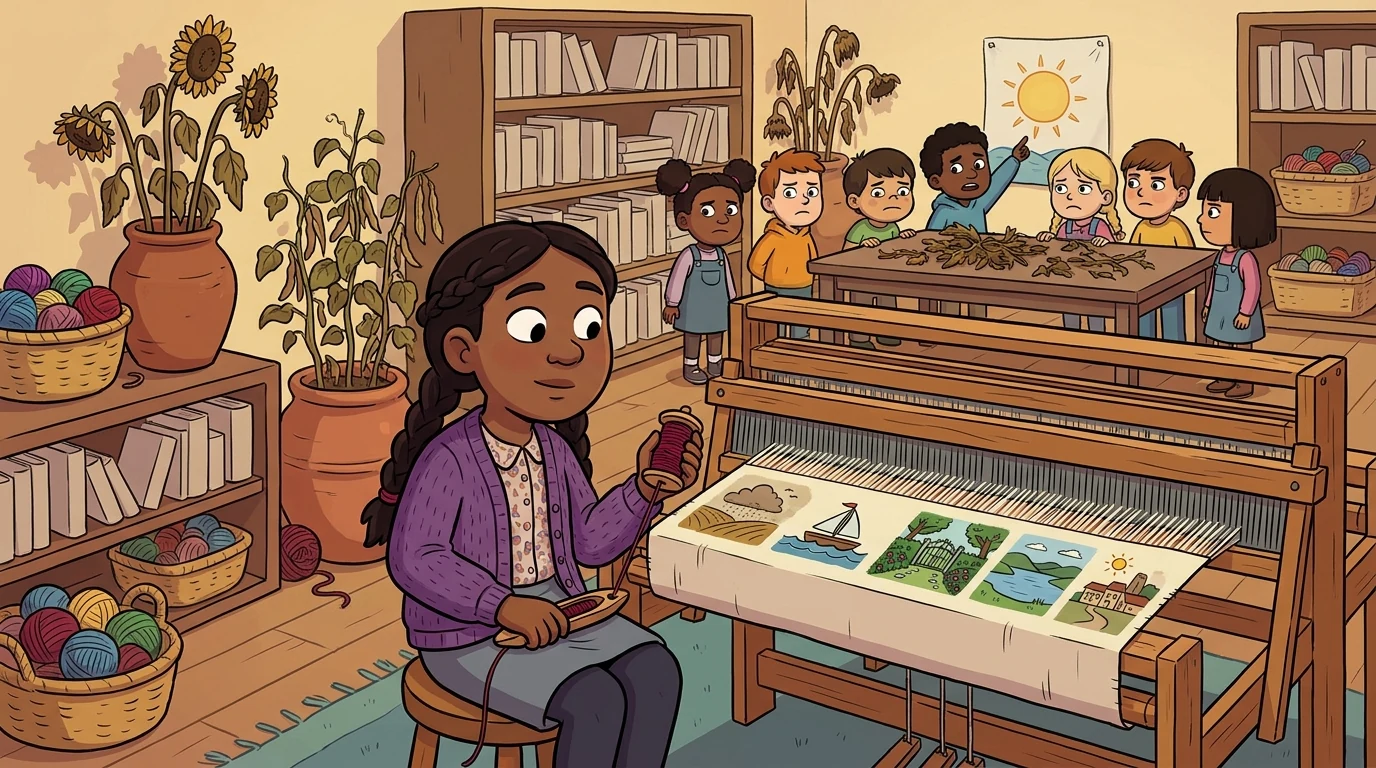
She has long braids tied back, a purple cardigan, and a wooden bobbin of red thread she turns over and over when she’s thinking. In the Loom Room she holds the deep red threads: the Hidden causes. A Hidden cause is the one sitting underneath the story, the one nobody names at first.
At the end of the summer holidays, a whole class came into the Loom Room together, looking glum. Their school garden had died.
In spring they had planted beans, tomatoes and sunflowers. Everything had sprouted. They had been so proud of the sunflowers. And when they came back in September, nearly everything was brown and crisp.
“It was the heatwave,” said one boy. “July was boiling.”
“And a fox dug up some of the seedlings,” said a girl. “I saw the holes.”
“And the soil is rubbish,” said someone else. “It’s basically sand.”
Kindling had already found the Spark: the heatwave. Moss had found a Slow cause: the soil had never had compost dug into it. These were real threads.
But Bobbin had a feeling. She sat down on the floor in front of the cloth, a patch of bright garden half woven and then fading to brown. Then she did what she always does. She lifted the corner of the cloth and looked underneath.
“Who was supposed to water it over the holidays?” she asked.
The room went quiet.
“Um,” said the boy. “I thought Ms Okafor’s class was doing it.”
“We thought the caretaker was,” said the girl.
“I thought it would rain,” said someone at the back, very quietly.
Bobbin felt the little thrill she always feels at this moment, the one she tries not to show too much, because it isn’t a happy discovery for everyone. She held up a red thread.
“Nobody was given the job,” she said. “That’s the hidden thread.”
Plants can usually survive a heatwave if somebody waters them. A fox can dig a few holes and the rest will still grow. Even sandy soil can keep a garden alive with enough water. But nobody watered the garden for six weeks, because nobody had been asked to. It wasn’t in anyone’s plan.
“That’s the one that mattered most, isn’t it,” said the girl slowly.
“I think so,” said Bobbin. “And the good news is it’s the easiest one to change.”
The class looked at each other. You could see them all feeling it at once: a bit embarrassed, a bit relieved. Nobody had done something terrible. There had just been a gap where a plan should have been.
Hidden causes are often like that. They’re missing plans, rules nobody questioned, warnings that never reached the right person, or reasons people don’t like to say out loud. They hide because they’re boring, or awkward, or simply because nobody thought to look underneath.
“When everyone agrees on the obvious reasons,” Bobbin says, “lift the corner.”
The class made a watering rota for next summer, with names and weeks, and pinned it on the classroom door. Two families signed up for every week. And Bobbin, who never quite stops checking, asked who was in charge of the rota itself.
The ThreadForge ensemble
Bobbin is part of ThreadForge's distributed-narrative cast. Each character embodies a different curricular primitive; together they teach the full subject.
-
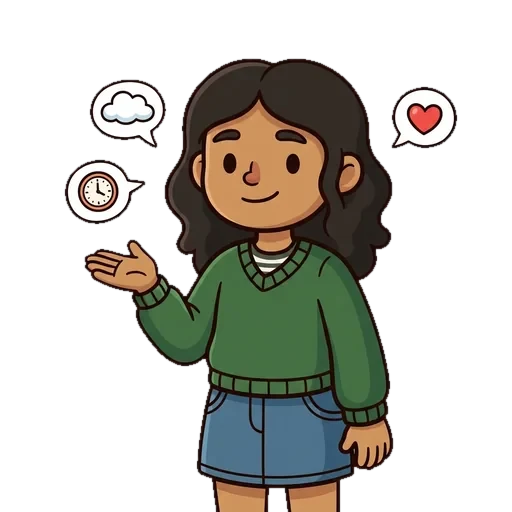
Manywhy
(Mentor, carried over from TreeForge's trunk) - never stops at one reason; asks what ELSE made it happen
-
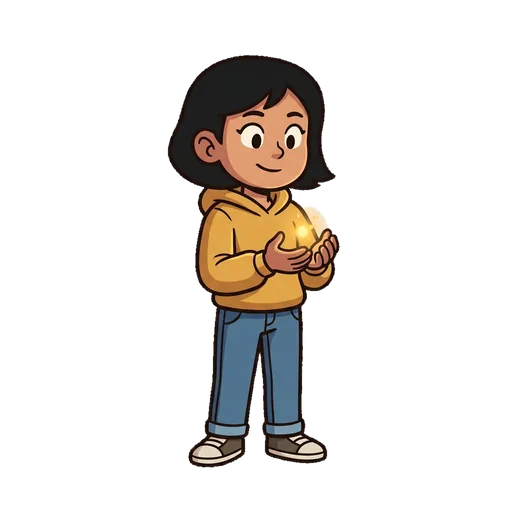
Kindling
The Spark thread - finds the trigger that set it off
-
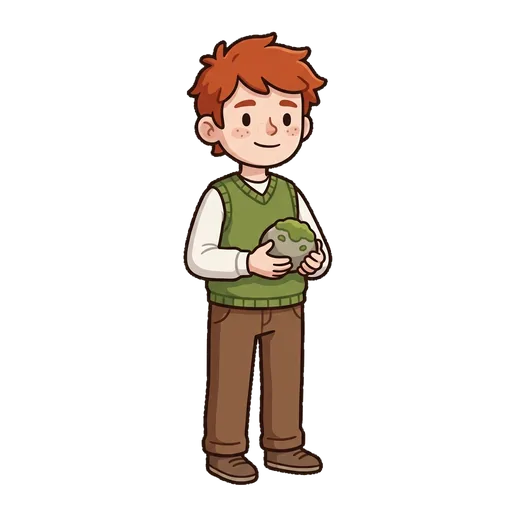
Moss
The Slow thread - finds the cause that built up over years
-
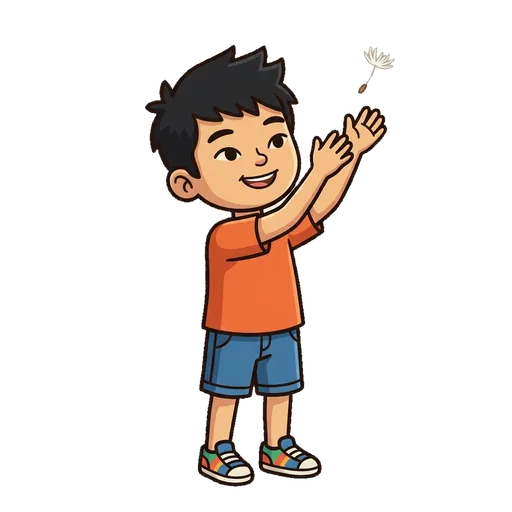
Hap
The Chance thread - says honestly when luck lined things up
-
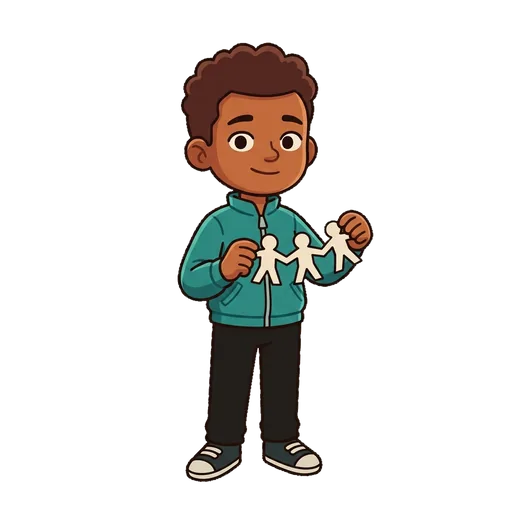
Folk
The People thread - finds the part people's choices played
-
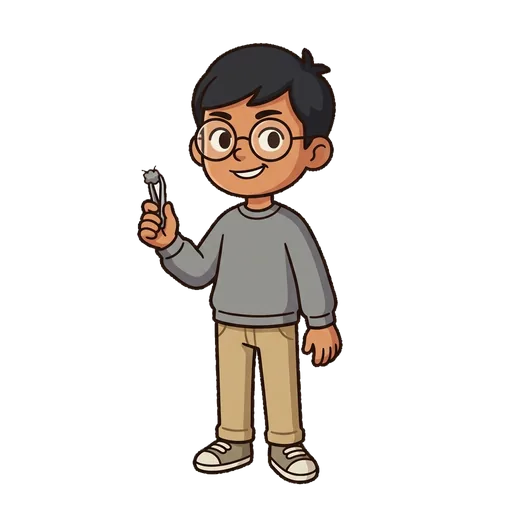
Lint
Spots the detail that is true but is not a cause
-
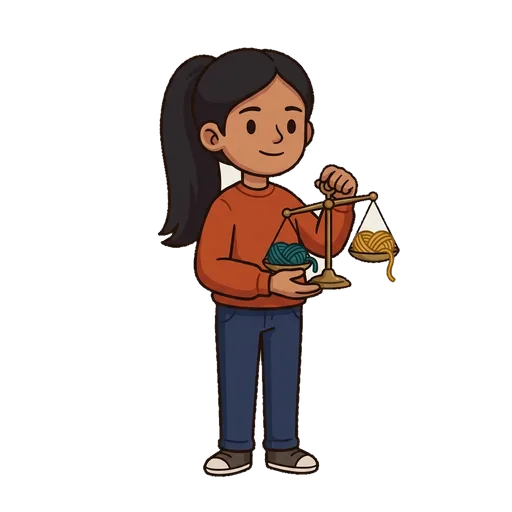
Fulcra
Weighs the threads and says which one mattered MOSTLY
-
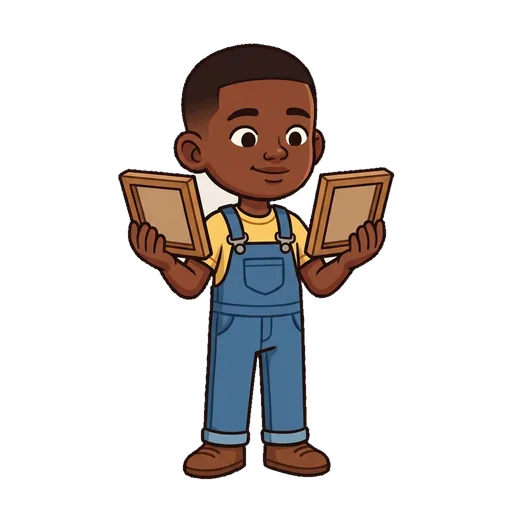
Tandy
Lays a second event beside the first to compare
-
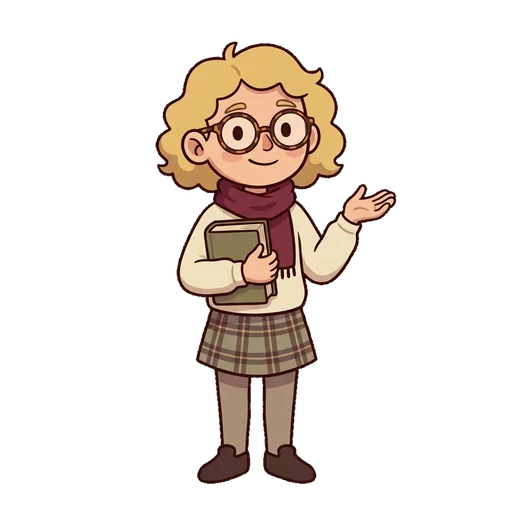
Hedda
Says how sure we are, the way historians and scientists do