Hap
CHANCE - some things happen because unlikely events happened to line up; naming luck honestly is part of thinking about causes.
Listen along — Hap
Loading audio…
Press play to listen along. The line being read lights up as you go.
Show full transcript
Loading transcript…
Hap and the Ball That Changed Direction
Hap’s name is an old English word. A long time ago, “hap” meant luck, the thing that happens. It’s where the word happen comes from. Hap likes that a lot. “Things happen,” he says, “and sometimes the reason is just: they happened.”
He has spiky black hair, an orange t-shirt, and a habit of reaching up to catch dandelion seeds when they drift past. You can’t plan where a seed will land. That’s the point.
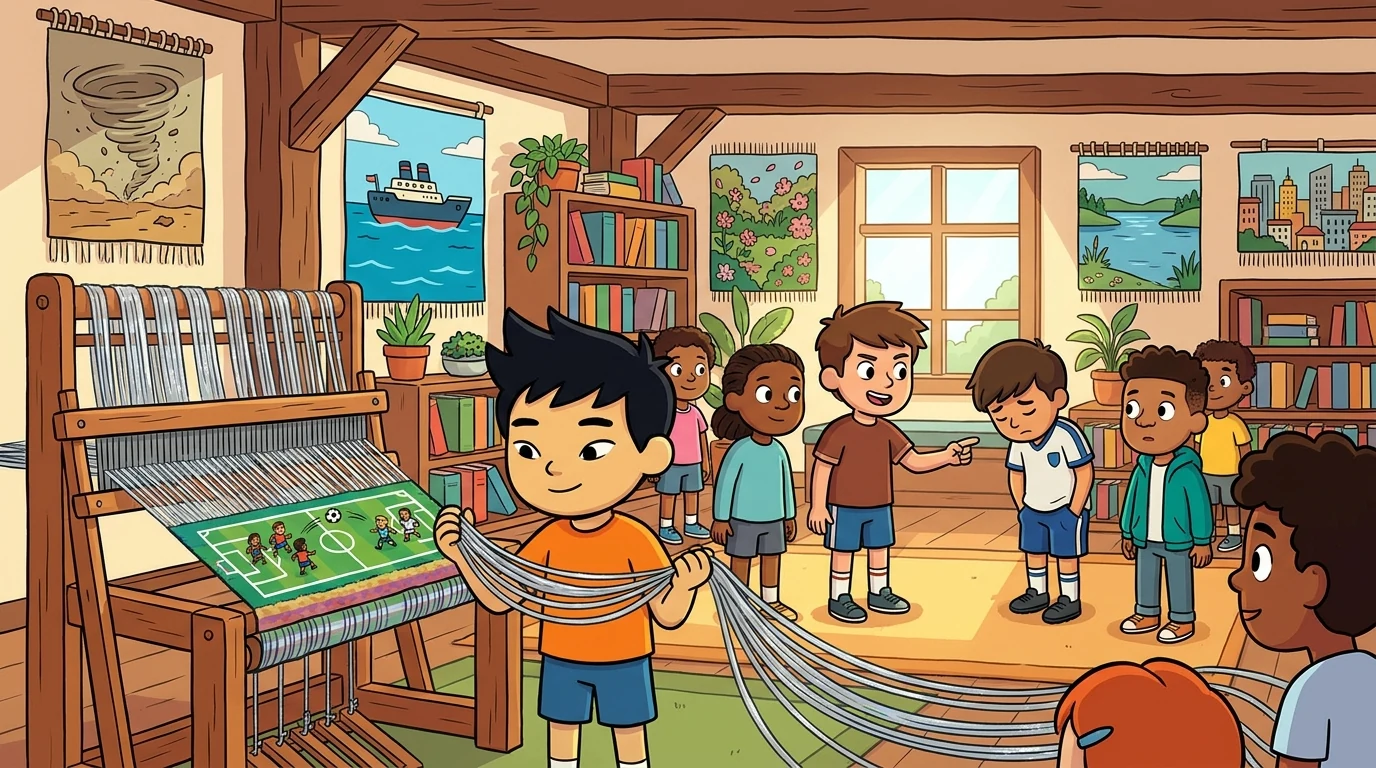
In the Loom Room, Hap holds the silver threads: Chance. A Chance thread is the luck in a story, the things that happened to line up, which nobody chose and nobody could have planned.
On a Monday, the school football team came in. They had lost the cup final on Saturday, 2–1, in the very last minute. They were still raw about it.
“It’s Jonah’s fault,” said the captain. “He was the one the ball hit.”
Jonah, a defender, was standing at the back with his hands in his pockets, looking at the floor.
Hap felt his stomach drop a little, the way it always does when he sees someone being made to carry something that isn’t theirs. He went over to the cloth for the final. It showed a green pitch, two teams, and a ball frozen in mid-air.
“Okay,” Hap said. “What happened, exactly?”
The game had been level, 1–1, for the whole second half. Both teams had chances. With a minute to go, the other team took a long shot from far out. It wasn’t going in. It was heading wide. Then it hit Jonah’s knee, changed direction and rolled past their keeper into the corner of the net.
“Could Jonah have moved his knee?” Hap asked.
“Not really,” said the keeper. “It was really fast.”
“Did he mean it?”
“Obviously not.”
“Was the shot good?”
“It was going wide,” admitted the captain.
Hap pulled a silver thread from the bottom of the cloth and held it out. “Then this is a Chance thread. The heaviest one, I think. A shot that was going wide hit someone’s knee by accident and went in. Nobody could have planned that. Not them, and not us.”
The other weavers had found threads too. Moss pointed out the team had played three games in eight days, so everyone was tired. Bobbin found out the keeper had been playing with a sore wrist. These were real. But both teams had been tired, and the keeper had saved everything else all game.
“So it was just luck?” said the captain. He sounded almost disappointed.
“Mostly,” said Hap. “And I know that’s frustrating, because there’s nothing to fix. But it’s true. And it means Jonah didn’t lose you the final. A deflection did.”
At the back of the room, Jonah looked up for the first time.
That’s what Hap’s thread is for. People are uncomfortable with luck. When something goes wrong, we want a reason we can point at, ideally a person. Luck feels like no answer at all. So we hunt for someone to blame, and sometimes we find someone who doesn’t deserve it.
But honest thinking about causes has to leave room for chance. Sometimes the calm sea, the gust of wind or the bounce of a ball really is the heaviest thread. Saying so is not giving up. It’s being fair.
The important thing is not to use luck as an excuse when it isn’t true. Hap is careful about that. “If something keeps going wrong in the same way,” he says, “it probably isn’t luck. Luck doesn’t usually repeat itself.”
The team practised long shots that week anyway, just in case. Jonah was first on the list for the next match. And the captain said sorry, which Hap thought was the best result of all.
The ThreadForge ensemble
Hap is part of ThreadForge's distributed-narrative cast. Each character embodies a different curricular primitive; together they teach the full subject.
-
Manywhy
(Mentor, carried over from TreeForge's trunk) - never stops at one reason; asks what ELSE made it happen
-
Kindling
The Spark thread - finds the trigger that set it off
-
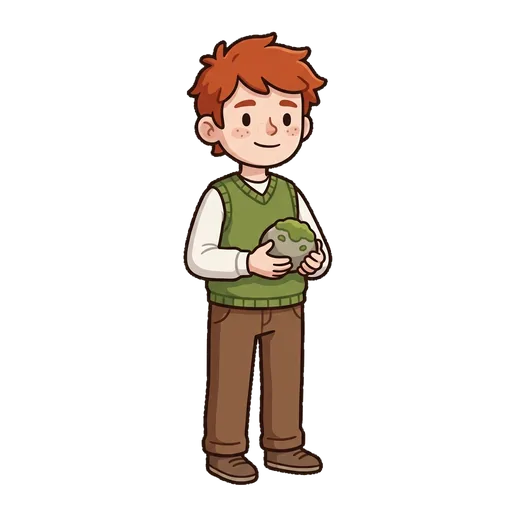
Moss
The Slow thread - finds the cause that built up over years
-
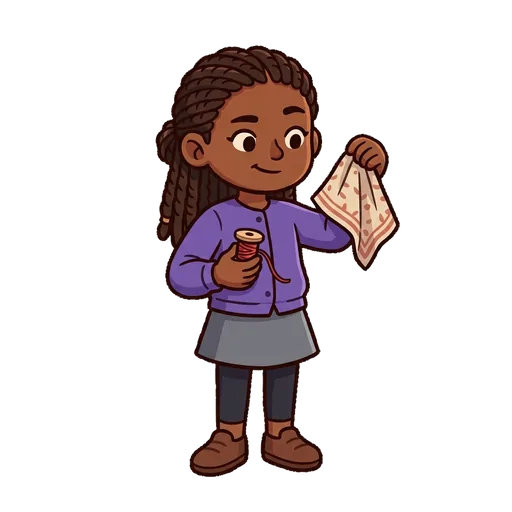
Bobbin
The Hidden thread - finds the cause nobody names at first
-
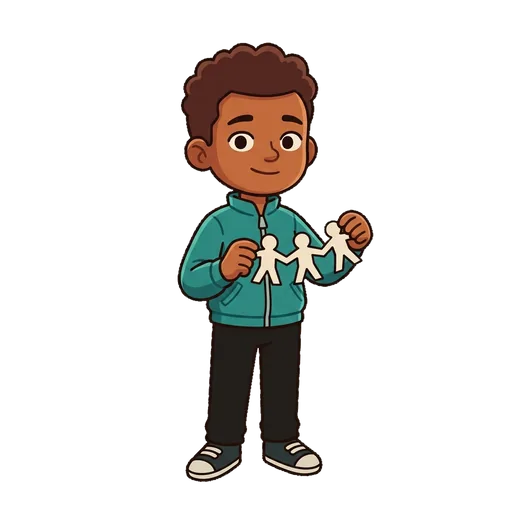
Folk
The People thread - finds the part people's choices played
-
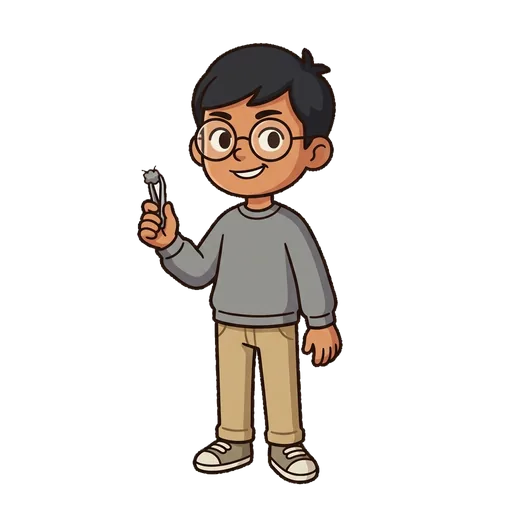
Lint
Spots the detail that is true but is not a cause
-
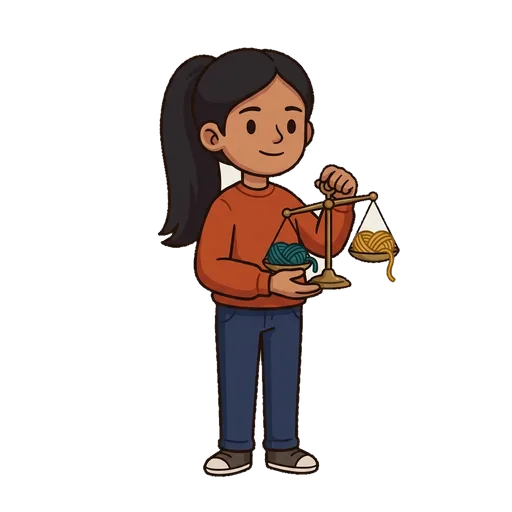
Fulcra
Weighs the threads and says which one mattered MOSTLY
-
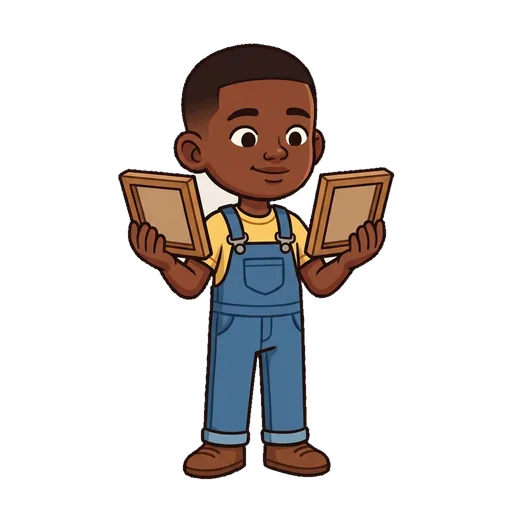
Tandy
Lays a second event beside the first to compare
-
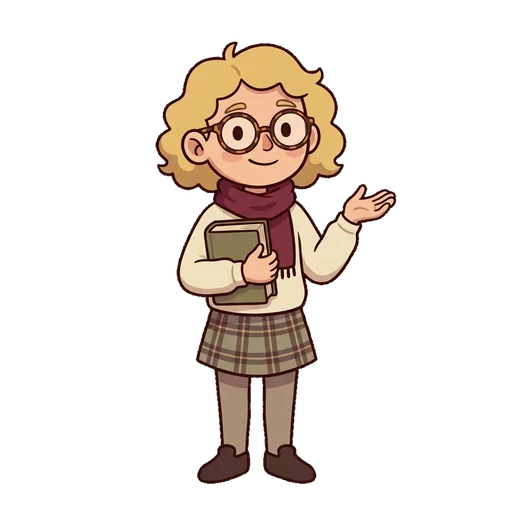
Hedda
Says how sure we are, the way historians and scientists do