Lint
NOT A CAUSE - a detail can be true and still have nothing to do with why something happened; spotting it keeps an explanation honest.
Listen along — Lint
Loading audio…
Press play to listen along. The line being read lights up as you go.
Show full transcript
Loading transcript…
Lint and the Blue Door
If you look closely at any woven cloth, you’ll find lint: tiny fluffs that got caught in the weave. They’re real. They’re right there in the cloth. But they aren’t threads. They don’t hold anything together, and if you pulled them out, the cloth wouldn’t change at all.
That’s Lint’s job.
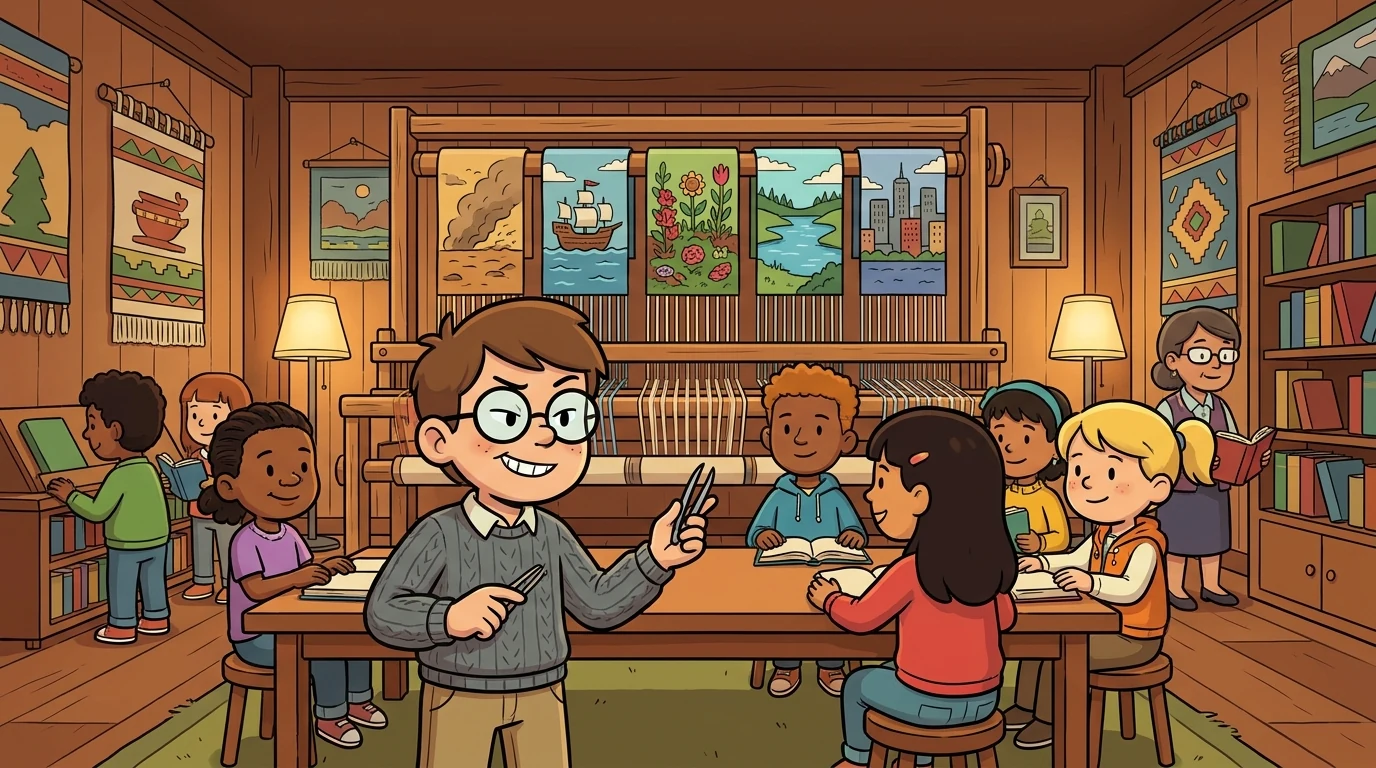
Lint wears round glasses, a grey sweater, and keeps a pair of small tweezers in his pocket. He has a sly, friendly grin, the grin of someone who is about to say, “Ah, but wait.” He doesn’t hold a colour in the Loom Room. He holds the tweezers.
“Everybody else finds threads,” he says. “I find the bits that only look like threads.”
One afternoon, the class who’d lost their school garden came back to finish their cloth. They’d found the heatwave, the poor soil, the fox, and the big one: nobody had been given the job of watering over the holidays. Now they were writing their explanation to put on the classroom wall.
A girl named Priyanka read hers out. “The garden died because of the heatwave, the bad soil, and no watering plan. Also, the garden was on the side of the school with the blue door, which is the hottest side.”
Lint’s tweezers came out. “Ooh. Can I see the blue-door bit?”
Priyanka showed him. “It’s true! The garden IS by the blue door.”
“I believe you,” said Lint. “Is the blue door why it’s hot?”
Priyanka paused. “Well, no. It’s hot because it faces the sun. The door just happens to be there.”
“So if the door were green,” Lint asked, “would the garden have lived?”
Priyanka laughed. “No.”
Lint felt the small, satisfying click he always feels at this moment, like finding the last piece of a jigsaw under the sofa. He plucked the blue door out of the explanation with his tweezers, very gently, and held it up.
“Lint,” he said. “True, but not a cause.”
The hot side of the school, that was a real thread. It belonged with the heatwave. But the blue door was just something you could see in the same place. It was there when the garden died. It didn’t help the garden die.
Here’s why Lint matters so much. Our brains love details. A strange or colourful detail feels important, especially when it’s sitting right next to the real cause. The Titanic’s dining room served a nine-course dinner the night it sank. That’s true and it’s interesting. It has nothing to do with why so many people died. A detail like that can sneak into an explanation and make it feel richer, while actually making it less accurate.
Lint is also careful about the opposite mistake. “Don’t throw out a thread just because it’s boring,” he says. “Boring things are often causes. The question isn’t whether it’s interesting. It’s whether it actually pushed anything.”
His test is simple. Imagine the detail were different. If the door were green, if the dinner had been three courses, would anything have changed? If not, it’s lint.
Priyanka crossed out the blue-door line. Then, because she was enjoying it now, she read the rest of her explanation again, slowly, looking for more fluff. She found one more: it was a Tuesday when we noticed. True. Not a cause. Out it came.
When she pinned the finished explanation on the wall, it was shorter than before. It was also much better.
The ThreadForge ensemble
Lint is part of ThreadForge's distributed-narrative cast. Each character embodies a different curricular primitive; together they teach the full subject.
-
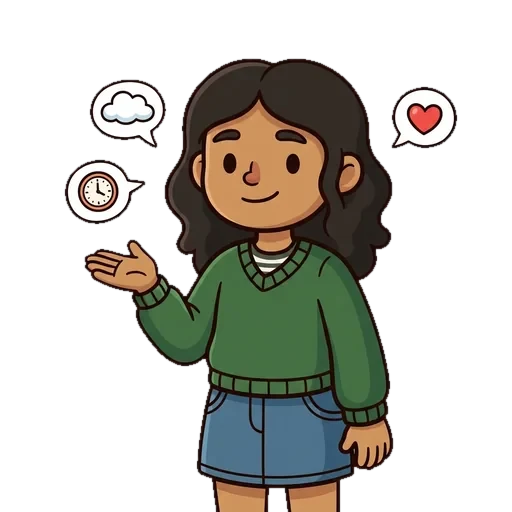
Manywhy
(Mentor, carried over from TreeForge's trunk) - never stops at one reason; asks what ELSE made it happen
-
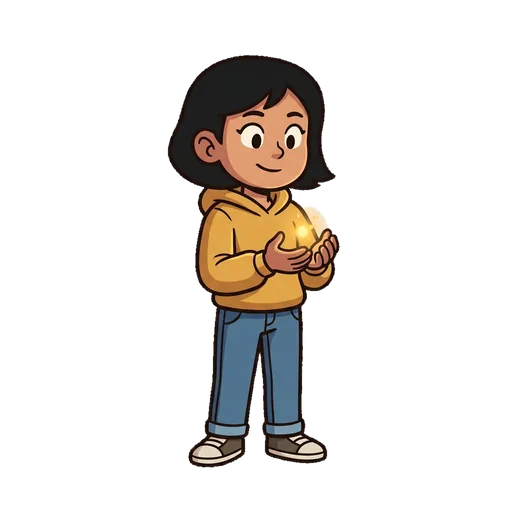
Kindling
The Spark thread - finds the trigger that set it off
-
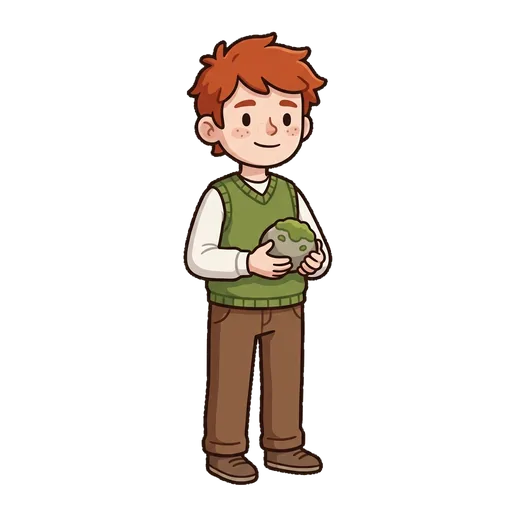
Moss
The Slow thread - finds the cause that built up over years
-
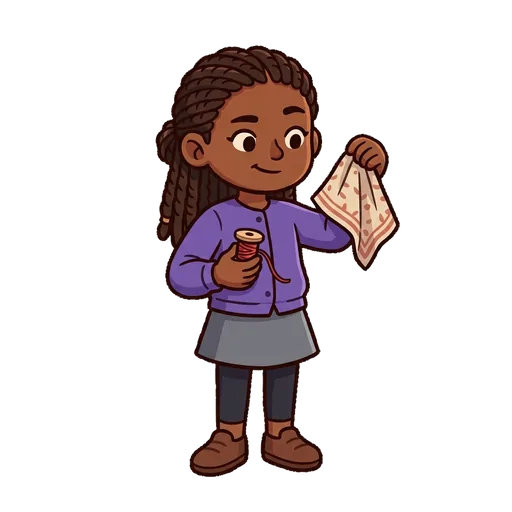
Bobbin
The Hidden thread - finds the cause nobody names at first
-
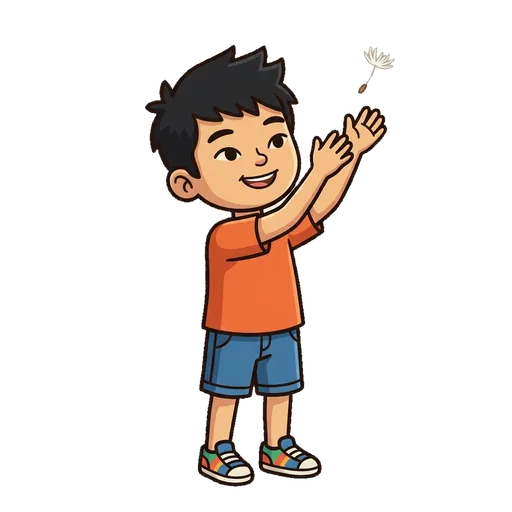
Hap
The Chance thread - says honestly when luck lined things up
-
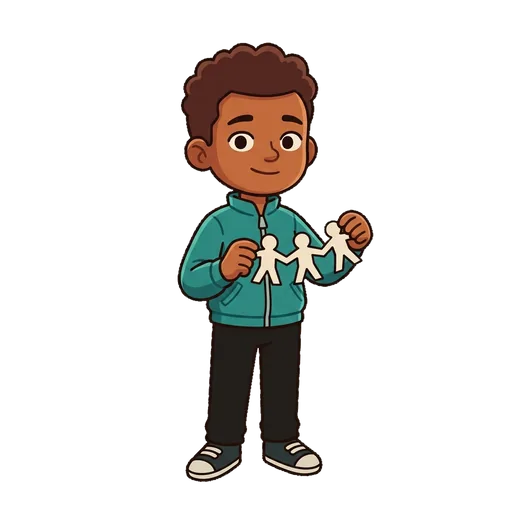
Folk
The People thread - finds the part people's choices played
-
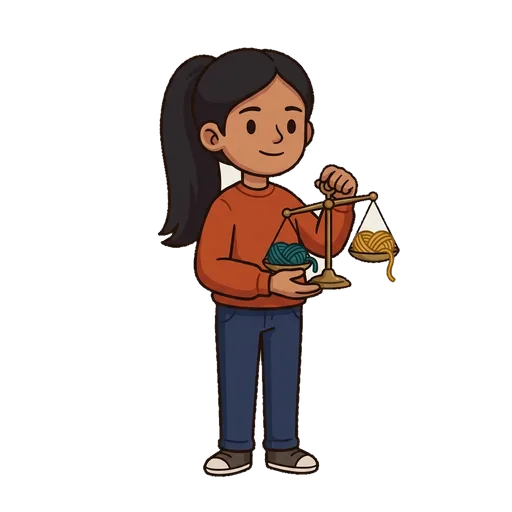
Fulcra
Weighs the threads and says which one mattered MOSTLY
-
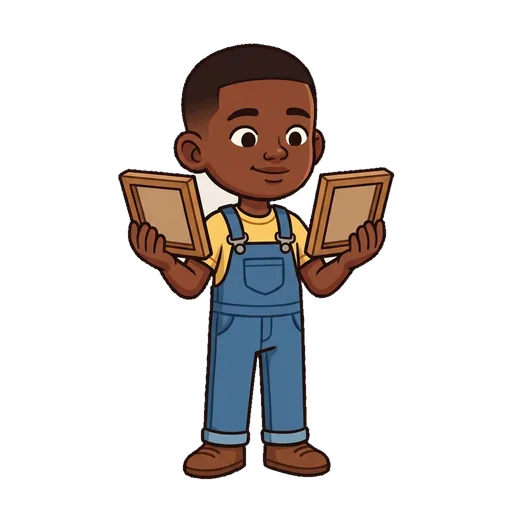
Tandy
Lays a second event beside the first to compare
-
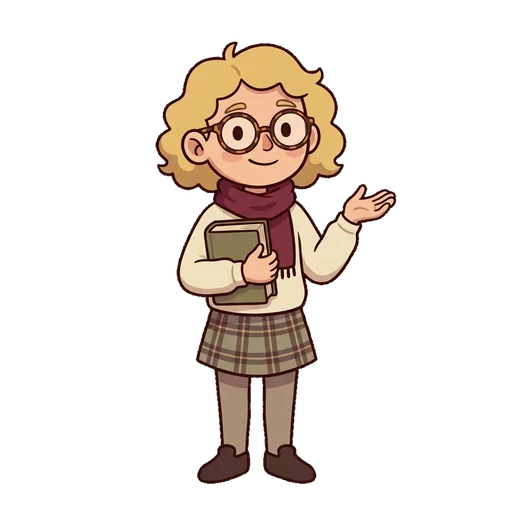
Hedda
Says how sure we are, the way historians and scientists do