Manywhy
MORE THAN ONE CAUSE - almost nothing that happens has just one cause; the first reason you find is a thread, not the whole cloth.
Listen along — Manywhy
Loading audio…
Press play to listen along. The line being read lights up as you go.
Show full transcript
Loading transcript…
Manywhy and the Loom Room
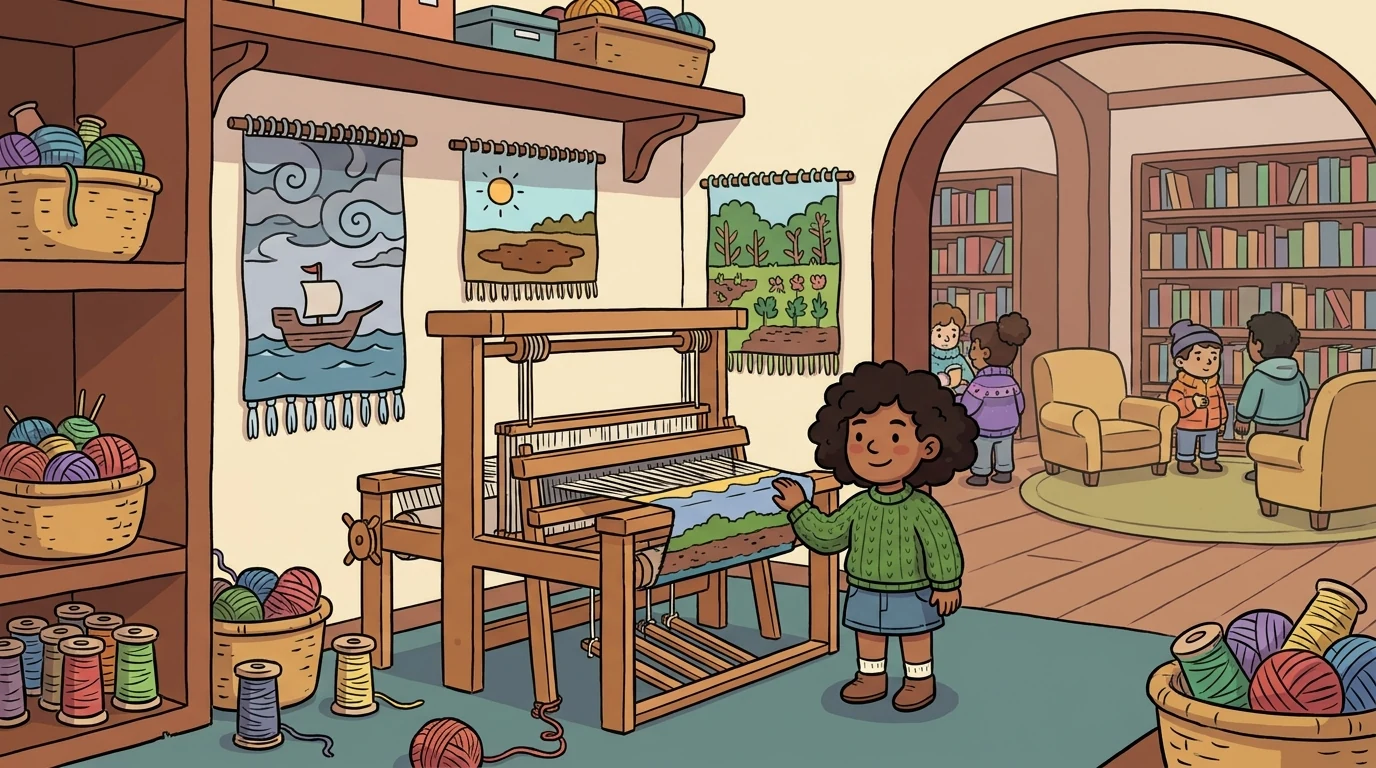
At the back of the Thistle Street Library, past the map shelves and the window seat nobody ever sits in, there is a door with a wooden spool painted on it. Most people think it’s a storeroom.
It isn’t. It’s the Loom Room.
Inside, the walls are hung with cloths that are only half woven. Each one is an event: a storm, a shipwreck, a garden that dried up, a match that was lost in the last minute. Loose threads hang from the bottom of every cloth, in every colour you can think of. And in the middle of the room stands a big wooden loom, waiting.
Manywhy keeps the Loom Room. You might have met Manywhy before, up in the trunk of the Learning Tree. Manywhy has curly dark hair, a green sweater with the sleeves pushed up, and a habit that drives some people slightly mad: Manywhy never stops at the first reason.
On the first afternoon, a boy named Dev came in looking cross. He held up his phone. “We did the Titanic in class,” he said. “It sank because it hit an iceberg. That’s the whole answer. Why do we need a whole week on it?”
Manywhy smiled and walked over to a dark blue cloth on the far wall. A great ship was half woven into it, tilting into black water.
“You’re right,” Manywhy said. “It hit an iceberg.” Manywhy took one white thread from the bottom of the cloth and handed it to Dev. “That’s a real thread. Hold on to it.”
Dev held it.
“And what else?” Manywhy asked.
Dev frowned. “What do you mean, what else? It hit an iceberg and it sank.”
“It did. But a ship sinking and more than fifteen hundred people dying are two different questions,” Manywhy said gently. “Why did so many people die?”
Dev opened his mouth, then closed it. He looked at the cloth. Down at the bottom, near the ship, he noticed the little lifeboats, and how few there were, and how big the ship was beside them.
“There weren’t enough boats,” he said slowly.
Manywhy handed him a second thread, a red one.
Dev looked at the two threads in his hand. Something shifted in his face. The cross look was going. In its place was the look of someone who has just found a door in a wall they thought was solid.
“Are there more?” he asked.
“There are almost always more,” said Manywhy. “Warnings that didn’t reach the right people. A calm sea that made the ice harder to see. Choices people made in the first hour. Each one is a thread. None of them is the whole cloth.”
That is the first thing Manywhy teaches everyone who walks into the Loom Room. When something big happens, or something small but annoying, your mind grabs the first reason it finds and wants to stop. Stopping feels good. It feels finished.
But the first reason is only a thread. If you pull on it and stop, you miss the rest of the picture.
“So we just keep listing reasons forever?” Dev asked.
“No,” Manywhy laughed. “That would be its own kind of tangle. We find the threads, and then we weigh them. Some threads matter much more than others. You’ll meet the friends who help with that.” Manywhy waved at the room, where a few other kids were bent over cloths, pulling, sorting, comparing. “But first you have to be willing to ask the question.”
“And what else,” Dev said.
“And what else,” Manywhy agreed.
Dev went home that day with two threads in his pocket, a white one and a red one. At dinner, his little sister knocked over her juice and their dad said, “Because you weren’t looking.” Dev, without quite meaning to, said, “And because the cup was right on the edge.”
Everybody looked at him. Then his dad laughed. “Fair,” he said, and moved the cup.
It’s a small thing, asking what else. But it changes what you see.
The ThreadForge ensemble
Manywhy is part of ThreadForge's distributed-narrative cast. Each character embodies a different curricular primitive; together they teach the full subject.
-
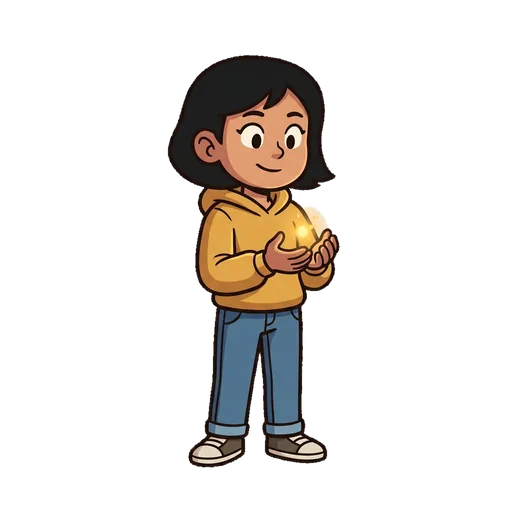
Kindling
The Spark thread - finds the trigger that set it off
-
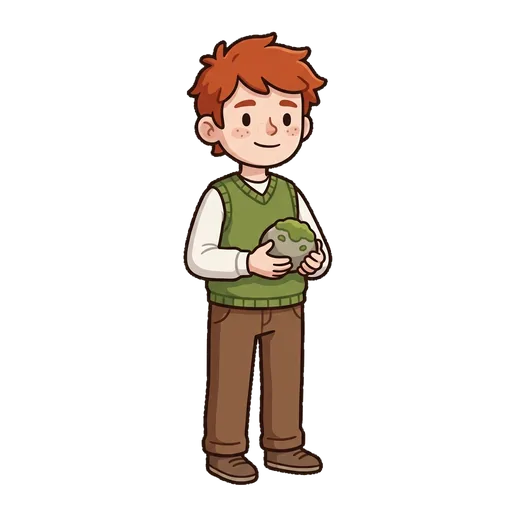
Moss
The Slow thread - finds the cause that built up over years
-
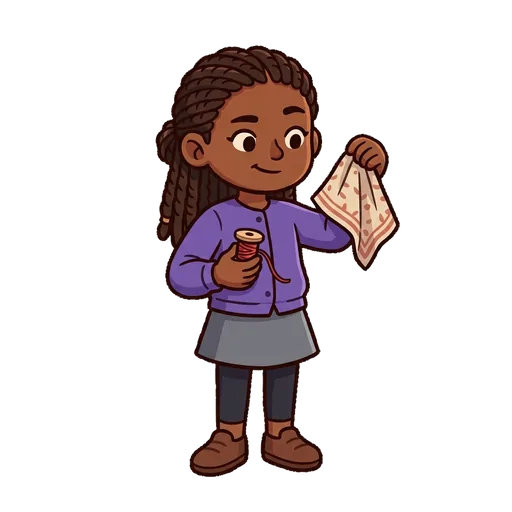
Bobbin
The Hidden thread - finds the cause nobody names at first
-
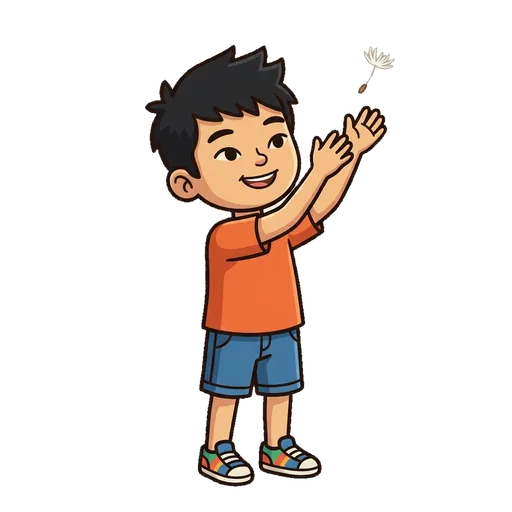
Hap
The Chance thread - says honestly when luck lined things up
-
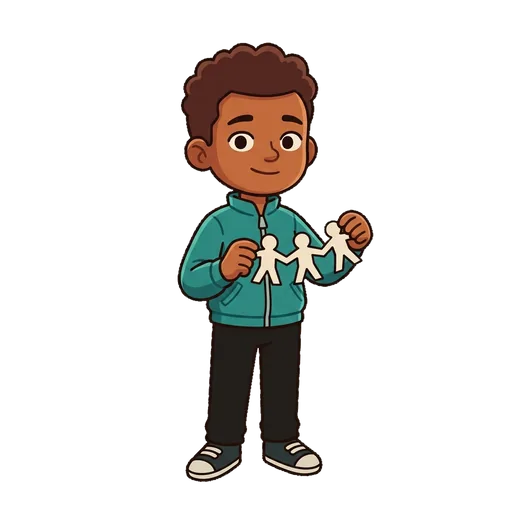
Folk
The People thread - finds the part people's choices played
-
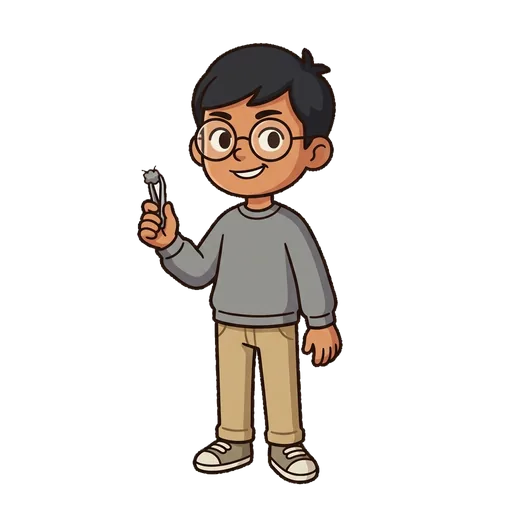
Lint
Spots the detail that is true but is not a cause
-
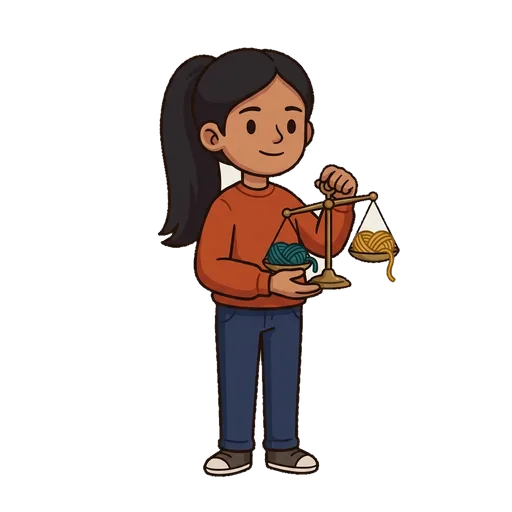
Fulcra
Weighs the threads and says which one mattered MOSTLY
-
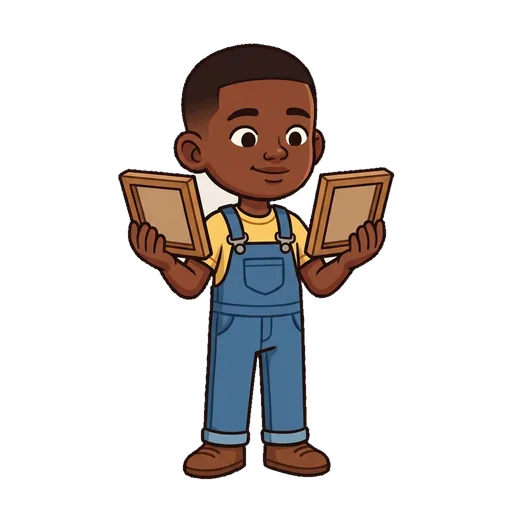
Tandy
Lays a second event beside the first to compare
-
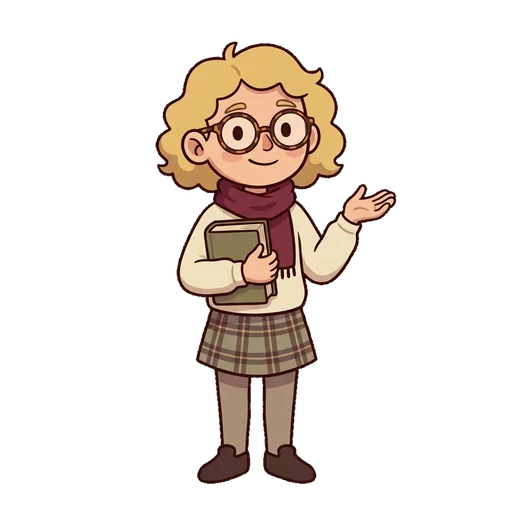
Hedda
Says how sure we are, the way historians and scientists do