
Fulcra
WEIGH THE CAUSES - causes are not all equal; a good explanation names the thread that mattered most, and says why.
Listen along — Fulcra
Loading audio…
Press play to listen along. The line being read lights up as you go.
Show full transcript
Loading transcript…
Fulcra and the Lifeboats
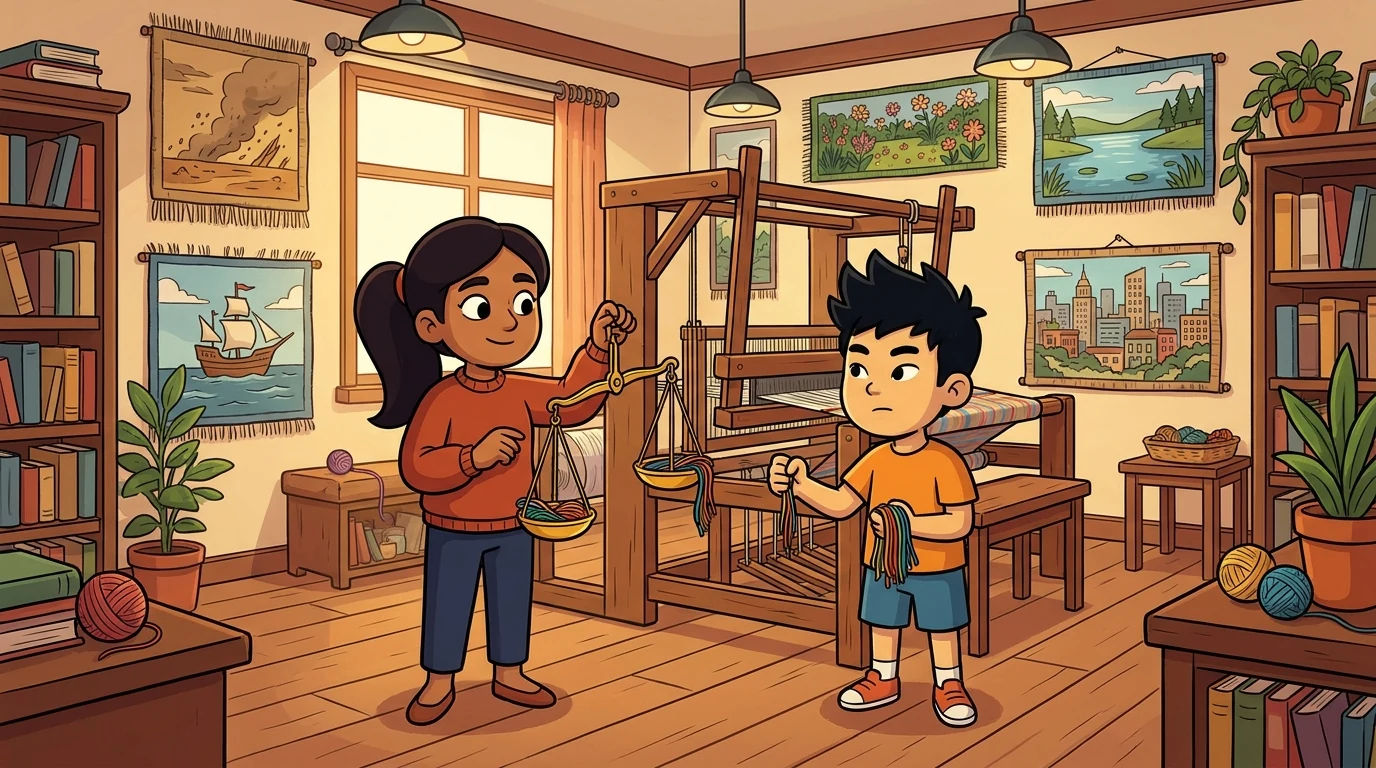
Fulcra carries an old brass balance scale. It’s the kind with two little pans that hang from a beam. Put something in each pan and the heavier side tips down. Her grandfather used it in his shop, and she’s kept it shiny.
The point of a balance is right in the middle, where the beam rests. That point is called the fulcrum. That’s where Fulcra gets her name.
She has a long dark ponytail and a rust-coloured sweater, and in the Loom Room she has a job nobody else can do. Everyone else finds threads. Fulcra weighs them.
“If you only list reasons,” she says, “you haven’t explained anything yet. You’ve made a pile.”
One afternoon Dev, the boy who’d first come in sure the Titanic sank “because of an iceberg,” came back with a whole fistful of threads. He’d done well. He had the iceberg, the Spark. He had the lifeboat rules, a Slow cause. He had the ice warnings that never reached the officers on the bridge, a Hidden cause. He had the calm sea that made the iceberg hard to see, Chance. And he had the early lifeboats that left half empty, People.
“Five threads,” he said proudly. “Done.”
“Lovely,” said Fulcra. “Which one mattered most?”
Dev’s face fell. “Do I have to pick? They all mattered.”
Fulcra knew this feeling well. When you’ve worked hard to find every reason, choosing one can feel like throwing the others away. It can feel almost rude. But she also knew that “they all mattered” is where a lot of thinking stops, and it’s not quite true. Things matter in different amounts.
“You don’t throw any away,” she said. “You put them in order.” She set the brass scale on the table. “Let’s ask a sharper question. Not why did the ship sink. Why did so many people die?”
Dev thought. “The iceberg sank the ship.”
“Right, and that’s why the ship sank. But lots of ships have had accidents where most people survived. Why did more than fifteen hundred people die on this one?”
Dev looked at his threads again. Slowly, he picked up the red one: the lifeboat rules. The safety rules of the time worked out how many lifeboats a ship needed from its size, not from how many people were on board. The Titanic was carrying lifeboats with seats for only about half of the people aboard.
“Even if every boat had left full,” Dev said, “half the people still wouldn’t have had a seat.”
He dropped the red thread into one of the brass pans. It tipped down, hard.
Fulcra felt the steady, settled feeling that always comes at this moment. It isn’t the feeling of winning an argument. It’s more like a picture frame finally hanging straight.
“So,” she said. “Say it the Fulcra way.”
Dev took a breath. “It happened because the ship hit an iceberg, also because the warnings didn’t reach the bridge, and the sea was calm, and some boats left half empty. But so many people died mostly because there were only enough lifeboat seats for about half of them.”
“Because, also because, mostly because,” said Fulcra. “That’s an explanation.”
Weighing causes doesn’t mean the light threads don’t count. Dev kept all five. It means being brave enough to say which one carried the most weight, and to give a reason. And if new evidence turns up, you can weigh again. Historians do this all the time and change their minds.
“Everybody can make a pile,” Fulcra says. “Weigh it.”
The ThreadForge ensemble
Fulcra is part of ThreadForge's distributed-narrative cast. Each character embodies a different curricular primitive; together they teach the full subject.
-

Manywhy
(Mentor, carried over from TreeForge's trunk) - never stops at one reason; asks what ELSE made it happen
-
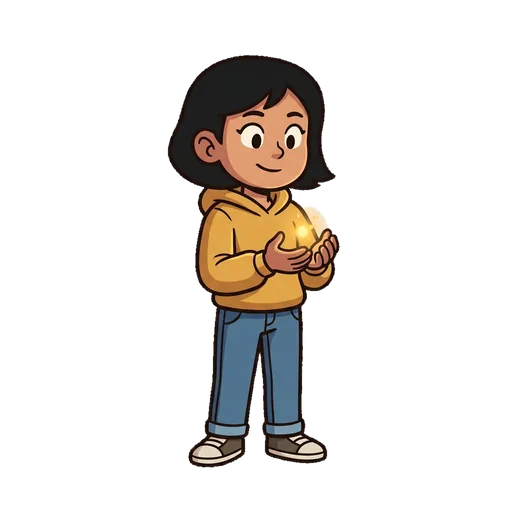
Kindling
The Spark thread - finds the trigger that set it off
-
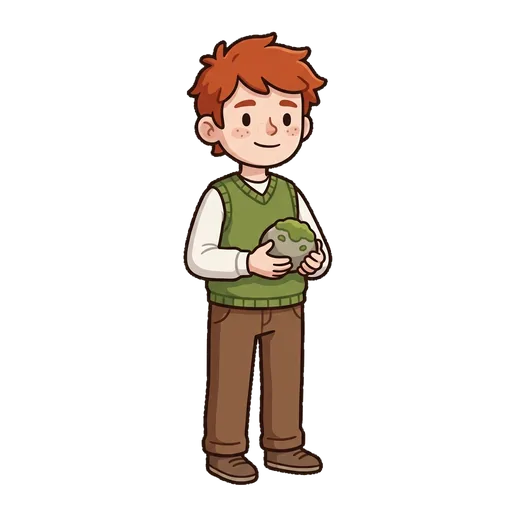
Moss
The Slow thread - finds the cause that built up over years
-
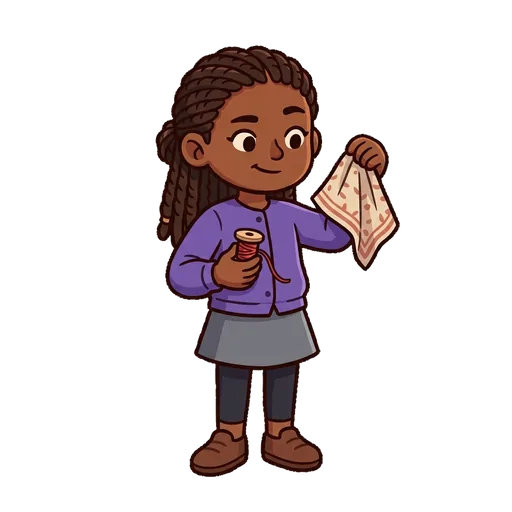
Bobbin
The Hidden thread - finds the cause nobody names at first
-

Hap
The Chance thread - says honestly when luck lined things up
-
Folk
The People thread - finds the part people's choices played
-
Lint
Spots the detail that is true but is not a cause
-
Tandy
Lays a second event beside the first to compare
-

Hedda
Says how sure we are, the way historians and scientists do