Moss
THE SLOW CAUSE - some of the biggest causes build up quietly over years, long before the day anything happens.
Listen along — Moss
Loading audio…
Press play to listen along. The line being read lights up as you go.
Show full transcript
Loading transcript…
Moss and the Grass That Wasn’t There
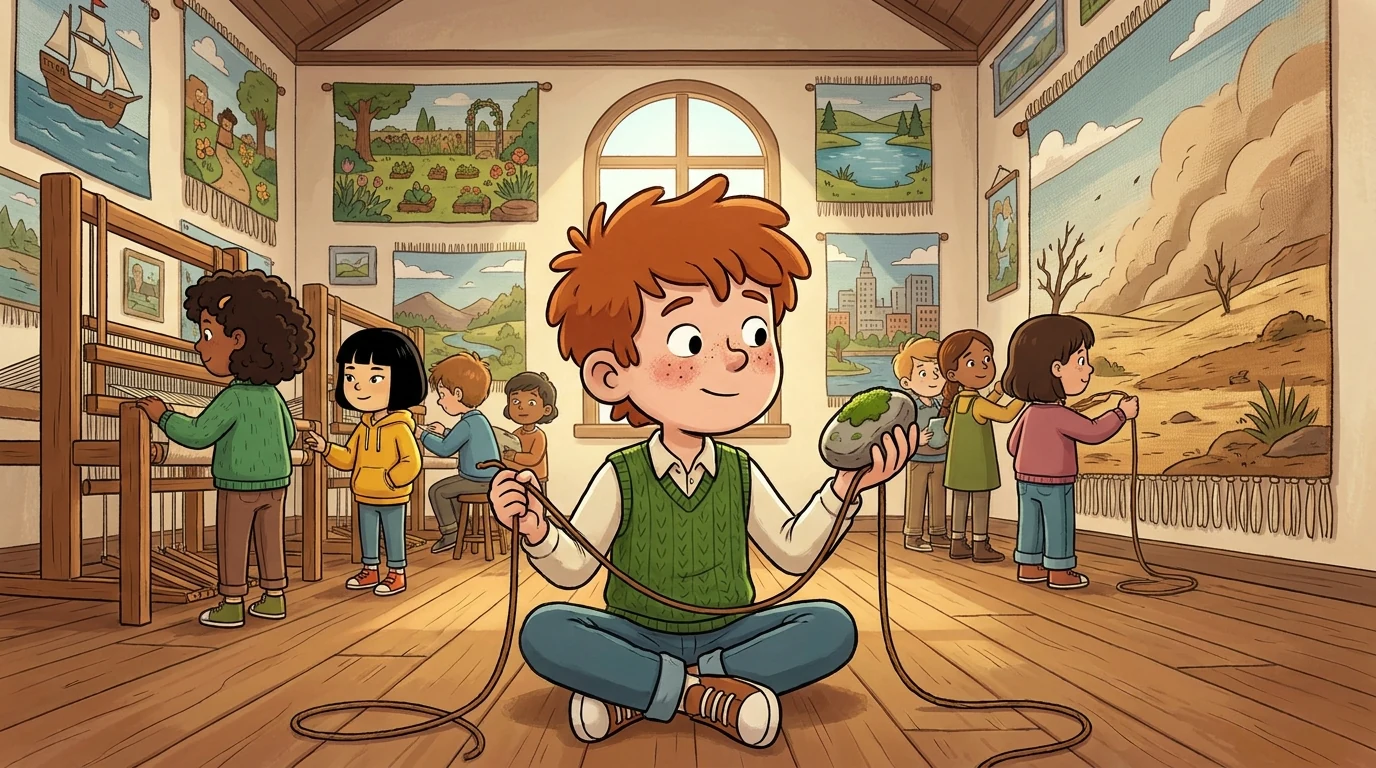
Moss is the slowest person in the Loom Room, and he means it as a compliment.
He has messy red hair, freckles, and a moss-green knitted vest his grandmother made. He carries a smooth round stone in his pocket with a patch of soft green moss growing on it. “This took about ten years,” he likes to tell people. “Nobody saw it happen. It just happened.”
Moss holds the brown threads: the Slow causes. A Slow cause is something that builds up over a long time, so quietly that nobody notices until the day it matters.
One afternoon a girl named Rosalind came in with a worksheet. She had to explain the Dust Bowl, the black dust storms that buried farms on the American plains in the 1930s.
“It was a drought,” she said. “It stopped raining, so the dirt dried up and blew away. Done.”
Kindling, across the room, called out, “That’s the Spark!” and went back to her cloth.
Moss sat down next to Rosalind in front of a cloth the colour of dry earth. Black clouds were half woven across the top. At the bottom, fences disappeared into drifts of dust.
“The drought is real,” Moss said. “But here’s what bothers me about it. There had been dry years on the plains before. Lots of them. And the soil didn’t blow away like this. So why this time?”
Rosalind shrugged. “Worse drought?”
“Maybe partly,” said Moss. “Let’s look further back. Not days. Years.”
He pulled a long brown thread from the bottom of the cloth and began following it back, hand over hand. It ran a surprisingly long way.
“For thousands of years,” Moss said, “the plains were covered in deep-rooted prairie grass. The roots went down a long way. In dry years the grass went brown, but the roots stayed in the ground and held the soil in place, like a net.”
“Okay,” said Rosalind.
“Then, over a few decades, a huge amount of that grass was plowed up to plant wheat. Wheat was worth a lot of money for a while, so more and more land was plowed. Year after year. Nobody thought of it as a disaster. It just looked like farming.”
Rosalind stared at the brown thread. “So when the drought came…”
“There was no net,” said Moss quietly. “Nothing holding the soil down. The wind could just pick it up.”
Something changed in Rosalind’s face. Moss knew the look. It’s the feeling of the floor tilting a little, when you realise the real story started long before the part everybody talks about. It can be a bit unsettling. Moss always liked it anyway. It felt like seeing something true.
“Historians often point to that,” Moss said. “The loss of the grass was a slow cause, building for years. The drought was the spark. You need both to get a Dust Bowl.”
“That’s annoying,” said Rosalind. “Because nobody did one big bad thing.”
“Right. That’s what makes Slow causes hard to see. No single day looks like the cause.” Moss turned the mossy stone over in his hand. “But if you look back far enough, you can see it growing.”
Slow causes are everywhere once you look. A friendship that cracks after one argument was often getting thinner for months. A team that suddenly starts winning has usually been practising quietly all season. A garden that dies in a heatwave may have had poor soil for years.
“When something big happens,” Moss says, “look back years, not minutes.”
Rosalind wrote two lines on her worksheet instead of one. Then, at the bottom, she added a third: The drought was sudden. The dust had been getting ready for years.
The ThreadForge ensemble
Moss is part of ThreadForge's distributed-narrative cast. Each character embodies a different curricular primitive; together they teach the full subject.
-
Manywhy
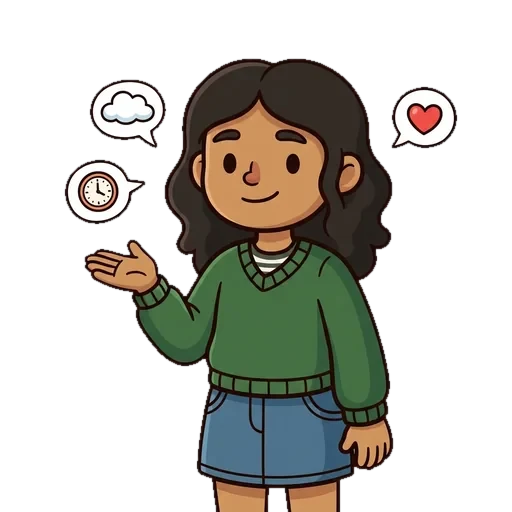
(Mentor, carried over from TreeForge's trunk) - never stops at one reason; asks what ELSE made it happen
-
Kindling
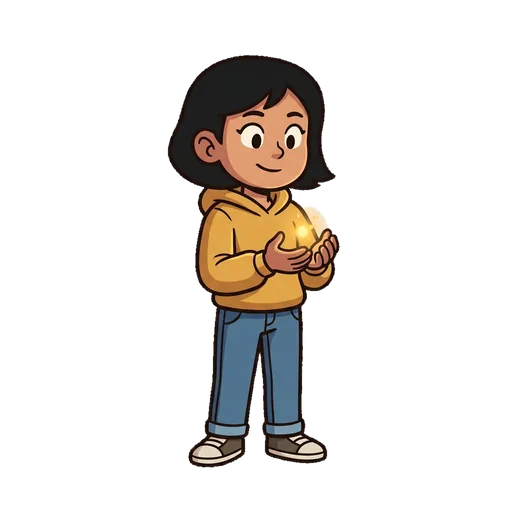
The Spark thread - finds the trigger that set it off
-
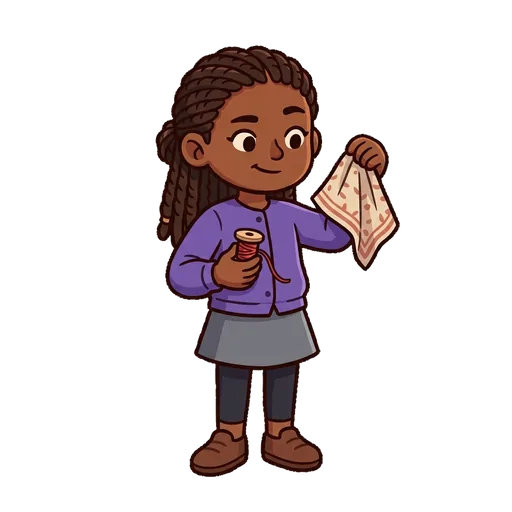
Bobbin
The Hidden thread - finds the cause nobody names at first
-

Hap
The Chance thread - says honestly when luck lined things up
-
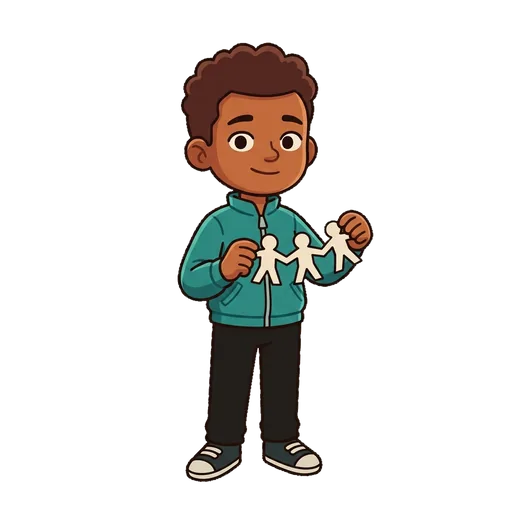
Folk
The People thread - finds the part people's choices played
-
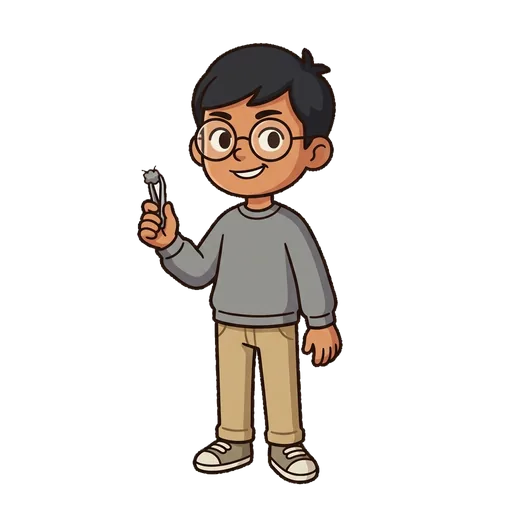
Lint
Spots the detail that is true but is not a cause
-
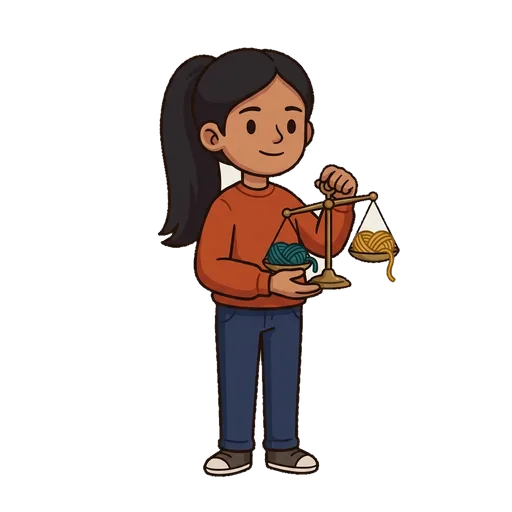
Fulcra
Weighs the threads and says which one mattered MOSTLY
-
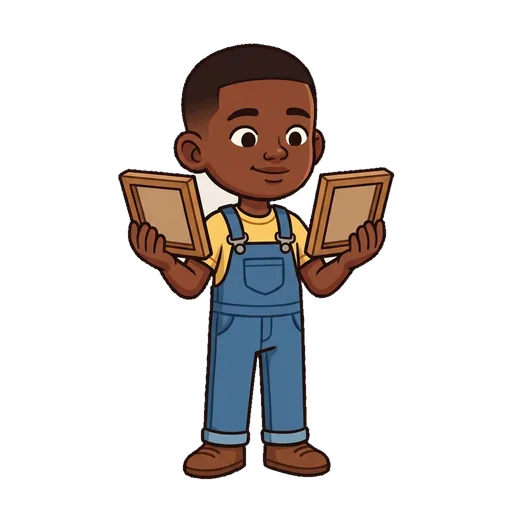
Tandy
Lays a second event beside the first to compare
-
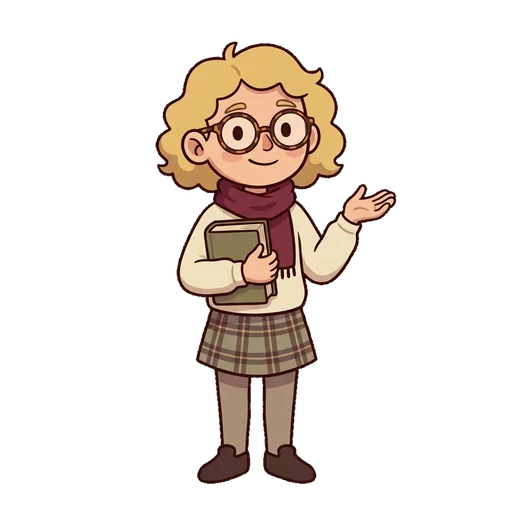
Hedda
Says how sure we are, the way historians and scientists do