Tandy
COMPARE TWO EVENTS - laying a second event beside the first shows which kinds of cause repeat, and which are special to one story.
Listen along — Tandy
Loading audio…
Press play to listen along. The line being read lights up as you go.
Show full transcript
Loading transcript…
Tandy and the Two Frames
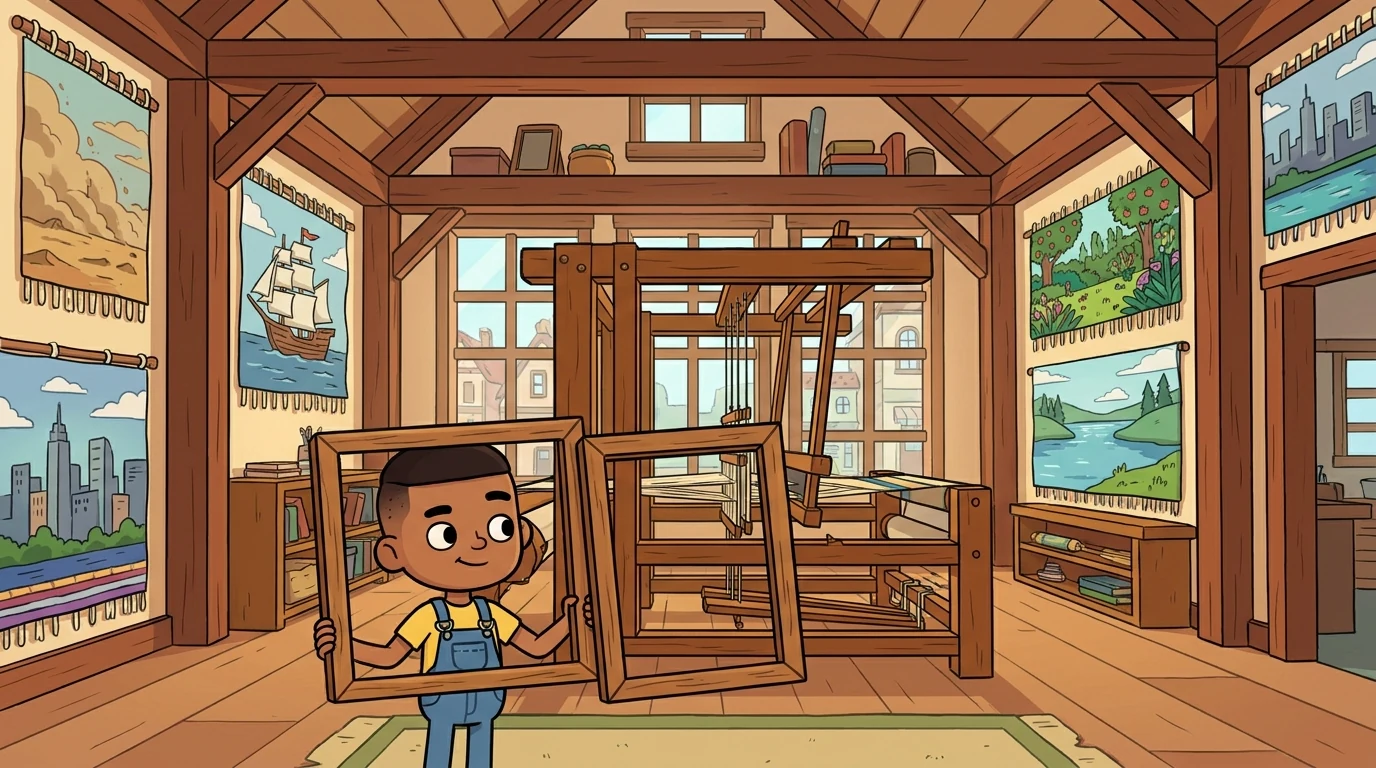
Tandy carries two empty picture frames. He holds one in each hand, side by side, and looks through them like windows.
“One frame shows you a story,” he says. “Two frames show you a pattern.”
He has a short fade haircut, blue denim overalls over a yellow shirt, and a habit of saying “Ooh, hang on” when something reminds him of something else. In the Loom Room, Tandy’s job is to lay a second cloth beside the first.
One afternoon a girl named Amara came in with a science project. The town lake had turned bright green that summer, and then, in one hot, still week in August, hundreds of fish had floated up to the surface, dead. She’d already worked through her threads with the others.
The Spark was the hot, still week, which warmed the water. The Hidden thread, which Bobbin had found, was that the huge amount of algae used up the oxygen in the water at night, so the fish couldn’t breathe. Hap took the Chance thread: no wind that week to stir fresh oxygen into the water. Folk found a People thread: lots of lawns in town used fertiliser that ran into the storm drains.
And Moss had found a Slow thread. For years, fertiliser washing off farms and lawns had been feeding the algae in the lake, a little more every summer.
“I think the Slow one is heaviest,” Amara said. “But I’m not sure.”
“Ooh, hang on,” said Tandy.
He walked across the room and came back carrying a second cloth: the Dust Bowl, the one Rosalind had worked on. He hung it next to Amara’s lake. Then he held up his two frames, one in front of each.
“Look,” he said. “Different place. Different century. One’s water, one’s dust. But look at the threads.”
Amara looked. In the Dust Bowl, the drought was the Spark, and the heaviest thread was the slow plowing up of the prairie grass over decades. In the lake, the hot week was the Spark, and the heaviest thread was the slow build-up of fertiliser over years.
“They’ve got the same shape,” she said slowly.
“Same shape,” said Tandy. He felt the fizz of excitement he always gets at this point, like hearing a song you love in a completely unexpected place. “In both stories, something sudden happened at the end. But the thing that made it a disaster was building up quietly for years. The sudden thing just tipped it over.”
Amara wrote that down. Then she frowned. “So is it always the slow thread?”
“No!” said Tandy, delighted. “That’s why you need lots of frames.” He fetched a third cloth: the lost cup final. “Here the heaviest thread was Chance. A ball hit someone’s knee. Nothing slow about that. And the garden,” he pointed across the room, “was mostly Hidden. Nobody had the job of watering it.”
Comparing isn’t about forcing every story into the same shape. It’s about noticing which kinds of cause keep turning up, and which belong to one story only. When two events share a heavy thread, you’ve maybe found something worth knowing, something that could help you see the next one coming. When they don’t, you’ve learned that too.
“One event teaches you what happened,” Tandy says. “Two teach you what to look for.”
Amara added a section to her project called The same shape as the Dust Bowl. Her teacher wrote in the margin: You compared two events and found the pattern. That’s real scientific thinking. Tandy said it was the frames, really.
The ThreadForge ensemble
Tandy is part of ThreadForge's distributed-narrative cast. Each character embodies a different curricular primitive; together they teach the full subject.
-
Manywhy
(Mentor, carried over from TreeForge's trunk) - never stops at one reason; asks what ELSE made it happen
-
Kindling
The Spark thread - finds the trigger that set it off
-
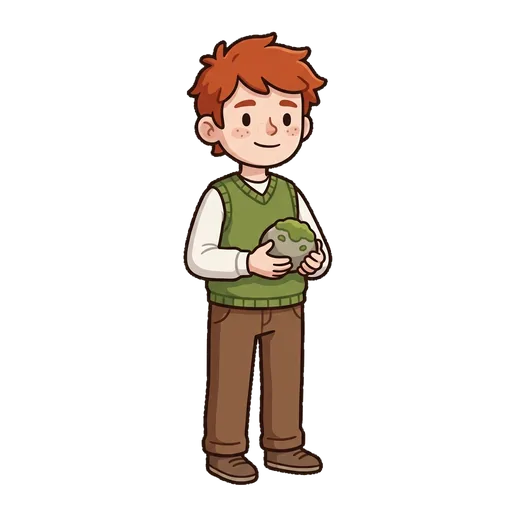
Moss
The Slow thread - finds the cause that built up over years
-
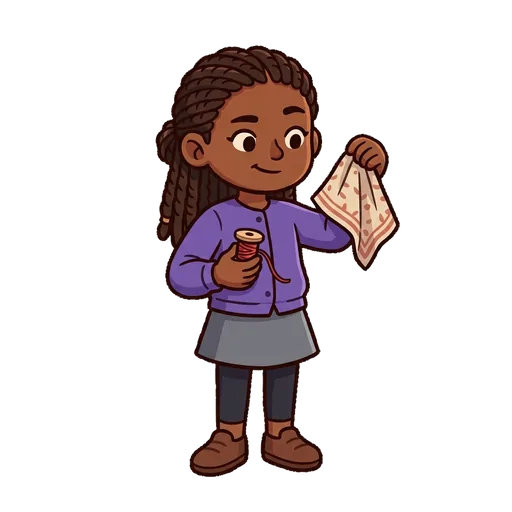
Bobbin
The Hidden thread - finds the cause nobody names at first
-
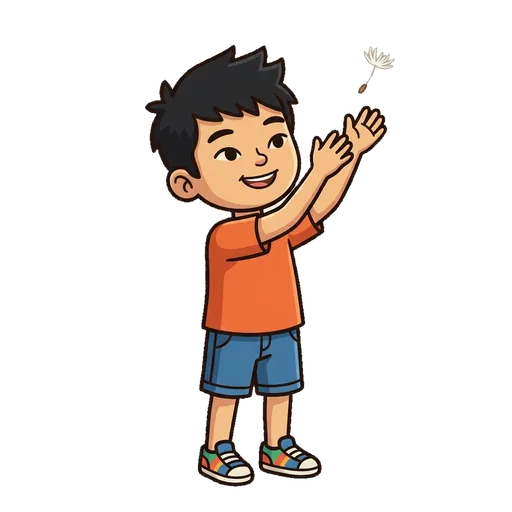
Hap
The Chance thread - says honestly when luck lined things up
-
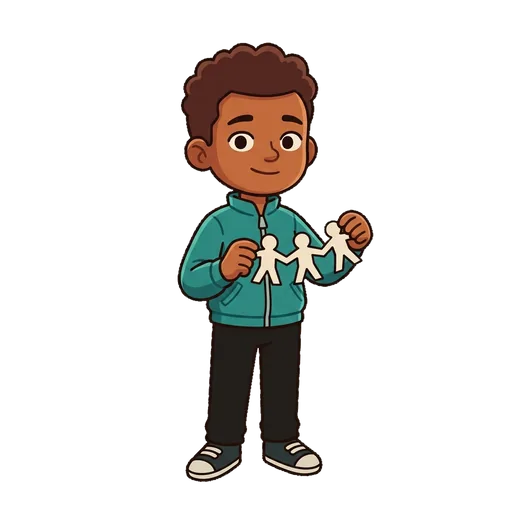
Folk
The People thread - finds the part people's choices played
-
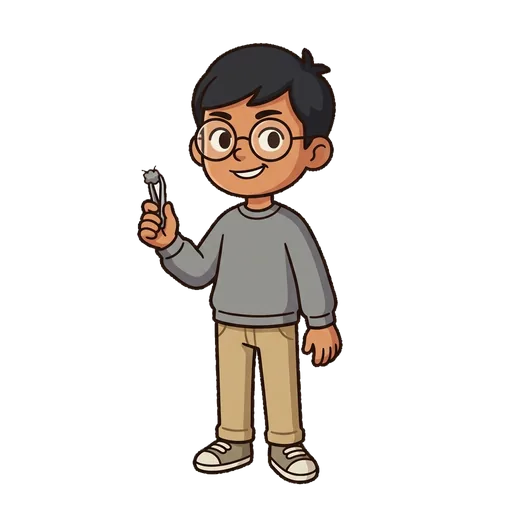
Lint
Spots the detail that is true but is not a cause
-
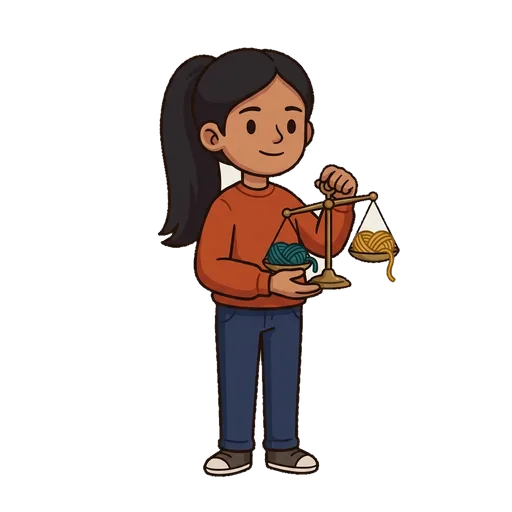
Fulcra
Weighs the threads and says which one mattered MOSTLY
-
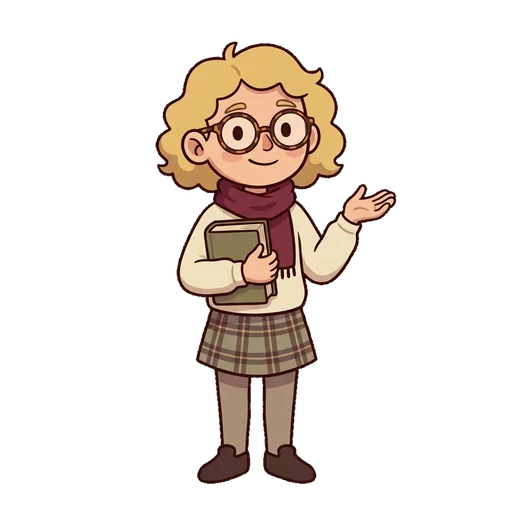
Hedda
Says how sure we are, the way historians and scientists do