
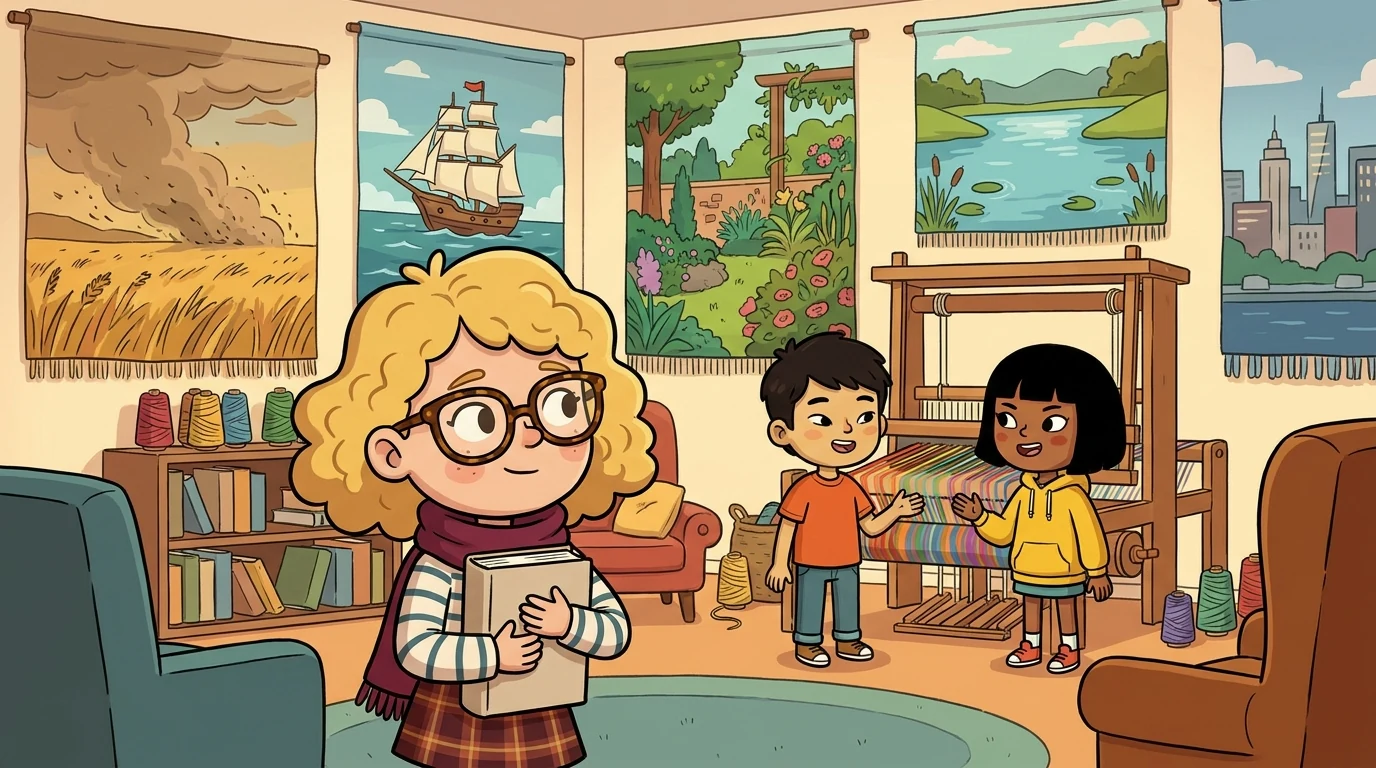
Hedda
HOW SURE ARE WE? - a good explanation says how strong its evidence is; 'often', 'probably' and 'we're not sure yet' are honest, not weak.
Listen along — Hedda
Loading audio…
Press play to listen along. The line being read lights up as you go.
Show full transcript
Loading transcript…
Hedda and the Word “Probably”
Hedda has curly blond hair, round tortoiseshell glasses, and a maroon scarf she wears even in summer. She carries an old cloth-covered book against her chest. It has no title on the front. She says that’s the point: it’s not a book that tells you the answer. It’s the kind of book where you write down how sure you are.
Her favourite word is probably.
That surprises people. In a room full of threads and explanations, you’d expect the most important word to be because. But Hedda thinks because is only half a sentence. The other half is: how do you know, and how sure are you?
One afternoon Dev and Rosalind were arguing across the Loom Room.
“The Dust Bowl was definitely because of the plowing,” said Rosalind.
“It was definitely because of the drought,” said Dev, mostly to be annoying.
Hedda walked over between them, slowly, holding her book. She felt the thing she always feels in a “definitely” argument: a kind of gentle worry, because two people saying definitely almost never get anywhere. They just say it louder.
“Can I ask you each a question?” she said. “Rosalind, how do you know it was mostly the plowing?”
Rosalind thought. “Because there were droughts before that didn’t cause Dust Bowls. And this was after the grass was plowed up.”
“That’s good evidence,” said Hedda. “Is it perfect?”
Rosalind hesitated. “I don’t know. Maybe the drought was worse this time too?”
“It might have been,” said Hedda. “So how would you say it, honestly?”
Rosalind tried. “Historians often point to the loss of the prairie grass as the biggest cause. The drought was the spark.”
Hedda smiled. “That’s exactly how a careful historian would say it.”
Dev groaned. “That sounds less strong, though. ‘Often point to.’ It sounds like you’re not sure.”
“It sounds like you’re being honest,” said Hedda. “And honest is stronger than it sounds.”
This is what Hedda teaches. Real historians and scientists almost never say definitely about causes. They say probably, usually, the evidence suggests, many historians think, we’re not sure yet. That isn’t because they’re timid. It’s because the past is complicated, evidence is incomplete, and new things get discovered. A good explanation carries its evidence with it, and it’s honest about the gaps.
It works the other way too. When the evidence really is strong, you can say so. Hedda is clear about that. “If there were only enough lifeboat seats for about half the people on the Titanic,” she says, “that’s a fact you can count. You don’t need to say ‘perhaps’ about counting.”
So her rule is simple: match how sure you sound to how strong your evidence is. No more, no less.
Dev thought about it. Then he said, a little grudgingly, “So if I said ‘The drought was probably part of it, but most historians think the plowing mattered more’…”
“Then I’d believe you,” said Hedda. “And if someone found new evidence tomorrow, you could change your mind without losing an argument. You’d just be learning.”
She opened her untitled book and wrote one line in it, in small careful handwriting. Then she closed it again. Nobody saw what it said. But at the end of the afternoon, Rosalind saw her put the book away and noticed she was smiling, the way people smile when they’ve been very sure of something and then realised they were only probably right.
The ThreadForge ensemble
Hedda is part of ThreadForge's distributed-narrative cast. Each character embodies a different curricular primitive; together they teach the full subject.
-
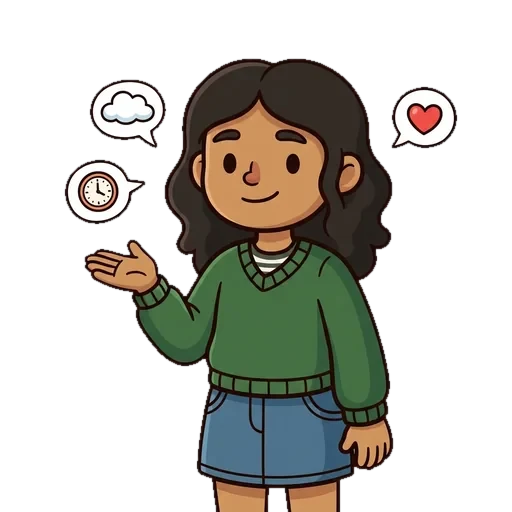
Manywhy
(Mentor, carried over from TreeForge's trunk) - never stops at one reason; asks what ELSE made it happen
-
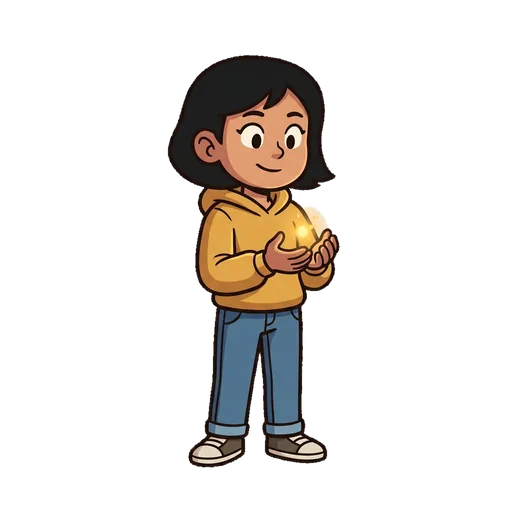
Kindling
The Spark thread - finds the trigger that set it off
-
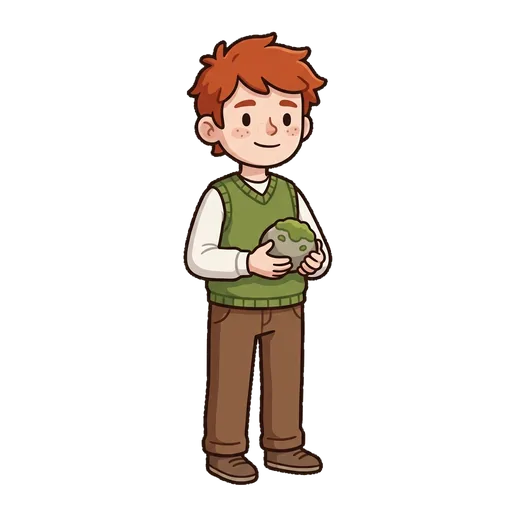
Moss
The Slow thread - finds the cause that built up over years
-
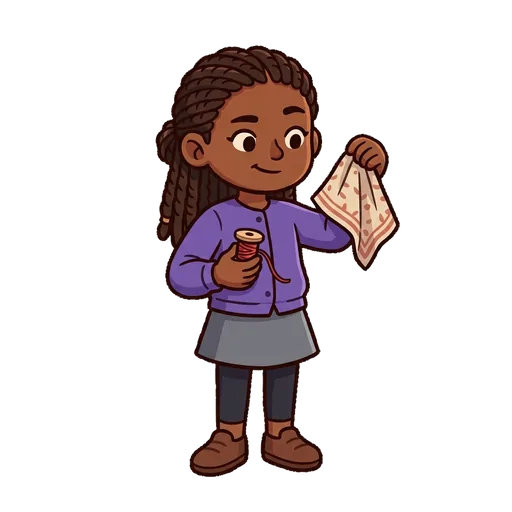
Bobbin
The Hidden thread - finds the cause nobody names at first
-

Hap
The Chance thread - says honestly when luck lined things up
-
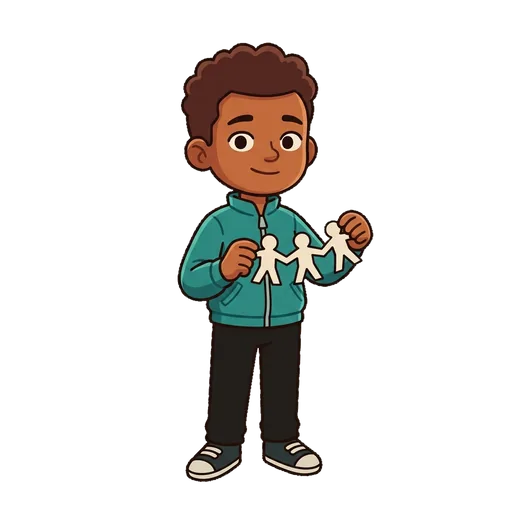
Folk
The People thread - finds the part people's choices played
-
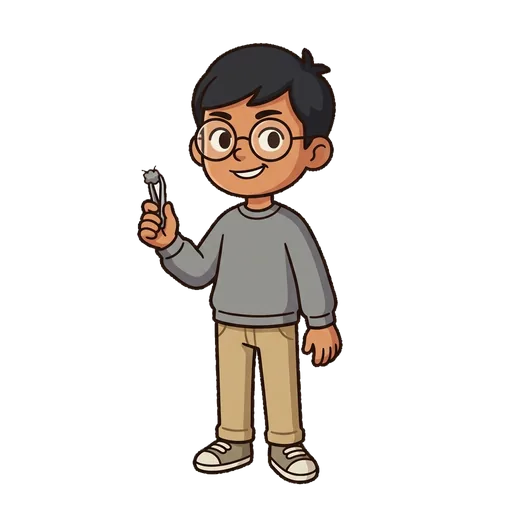
Lint
Spots the detail that is true but is not a cause
-
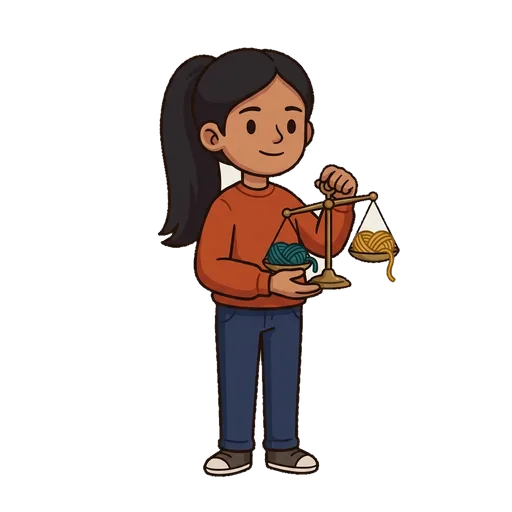
Fulcra
Weighs the threads and says which one mattered MOSTLY
-
Tandy
Lays a second event beside the first to compare