Kindling, Moss, Bobbin, Hap, and Folk
FIVE KINDS OF CAUSE - a big event is usually woven from several kinds of cause at once: a trigger, slow build-ups, hidden gaps, luck, and people's choices.
Listen along — Kindling, Moss, Bobbin, Hap, and Folk
Loading audio…
Press play to listen along. The line being read lights up as you go.
Show full transcript
Loading transcript…
The Five Threads and the Great Fire
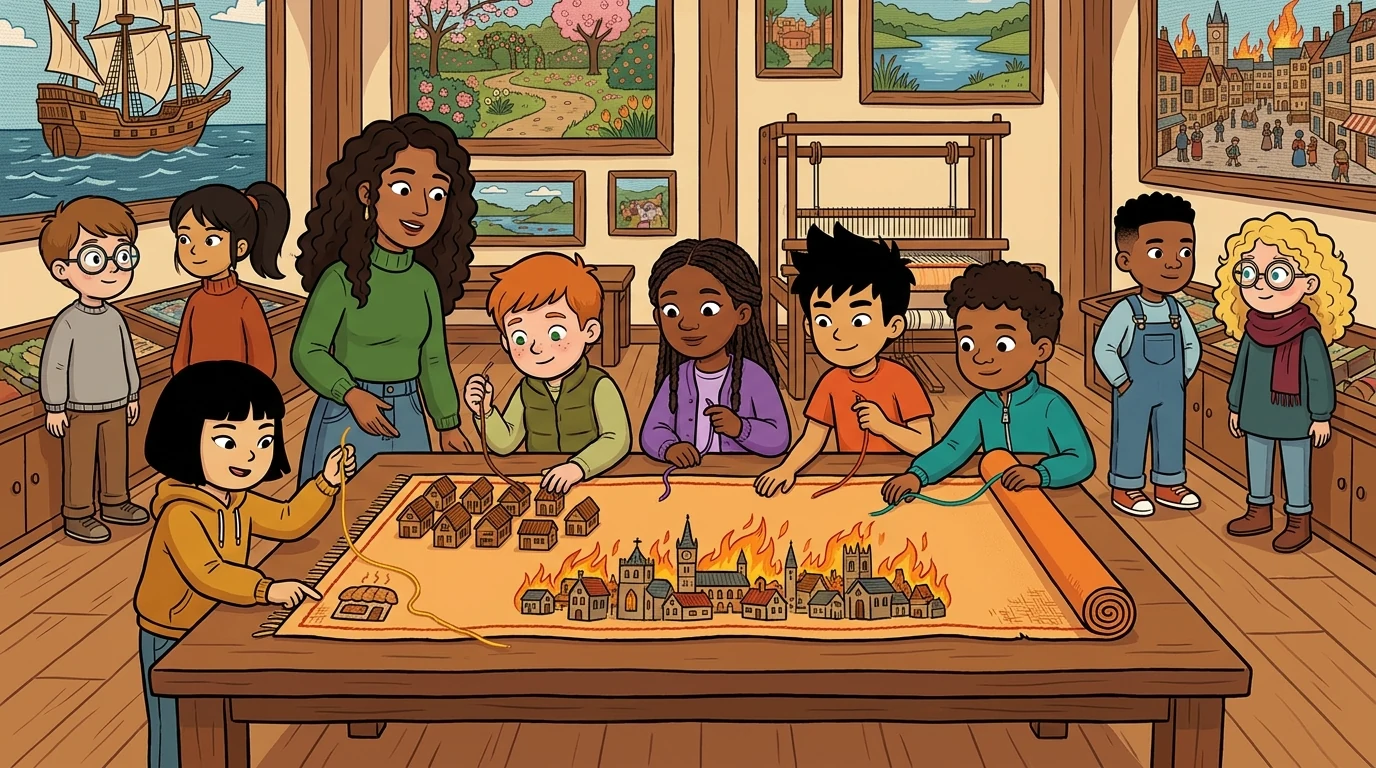
One wet Saturday, Manywhy unrolled a new cloth across the big table in the middle of the Loom Room. It was huge, and it was mostly orange.
“London,” said Manywhy. “September 1666. A fire started in a bakery in the middle of the night, and over four days it burned down most of the old city. Thousands of houses. Dozens of churches. By most estimates, the homes of nearly nine in every ten people living inside the old city walls.” Manywhy looked around the table. “Why?”
Five weavers leaned in. Each of them held a different colour.
Kindling went first, as she usually does. Her eyes went straight to the bottom corner of the cloth, where a tiny bakery glowed. “The Spark,” she said, holding up a yellow thread. “A fire started in a bakery on Pudding Lane in the early hours of Sunday morning.”
“Is that enough to burn down a city?” Manywhy asked.
Kindling shook her head straight away. “Bakeries had fires all the time. Something made this one spread.” She felt the familiar itch: a Spark on its own is never the whole story, and she wanted the others to find the rest.
Moss ran his finger slowly along the rows of little woven houses. “The houses,” he said. “They’re nearly all wood, and they’re packed together. Look, the upper floors lean out over the street, so the houses on opposite sides almost touch at the top.” He pulled out a long brown thread. “That’s a Slow cause. Nobody built the city to burn. But for hundreds of years it was built in a way that would burn easily, one wooden house squeezed next to another.”
He felt the calm he always feels when a story stretches backwards. The fire took four days. The city had been getting ready to burn for centuries.
Hap pointed to the top of the cloth, where the weaver had stitched long silver lines streaming from one side to the other. “Wind,” he said. “A strong wind from the east was blowing that week, and it pushed the fire west across the city.” He held up a silver thread and grinned, a little ruefully. “That’s Chance. Nobody chose the wind. If it had been a still night, the fire might have stayed small.”
“And the summer had been long and dry,” Moss added. “So the wood was dry too. That one’s half slow, half luck.”
“Put it between us,” said Hap, and they laid the thread across both piles.
Bobbin, meanwhile, had done what she always does. She’d lifted the corner of the cloth to look underneath. “How did people fight fires back then?” she asked.
Nobody knew, so she looked it up in one of the library’s old books. “There was no fire brigade like we have now,” she read. “People used leather buckets, water squirts, and long hooks to pull down burning thatch. The main way to stop a big fire was to pull down houses in its path, to make a gap it couldn’t jump.”
She held up a deep red thread. “So the Hidden thread is that the city had no real plan or system for a fire this big. Nobody was in charge of it in the way we’d expect today.”
She felt the quiet thrill of finding something underneath. It wasn’t dramatic. It was just a gap where something should have been.
Folk had been listening to all of this with the paper chain wound round one wrist. “If pulling down houses was the way to stop it,” Folk said slowly, “did they do it?”
Bobbin checked the book. “Not fast enough, at first. The book says the man in charge of the city that night, the Lord Mayor, didn’t want to order houses pulled down early on, partly because of the cost and the arguments with the owners. By the time it was done on a bigger scale, the fire was too large.”
Folk picked up a green thread. “Then that’s a People thread. A choice that was made, and could have gone another way.” Folk said it carefully. It’s easy to look back hundreds of years and blame someone. “He didn’t know how big it would get. Nobody did. But it was still a choice.”
Manywhy looked at the five piles on the table: yellow, brown, silver, red and green. “So,” Manywhy said. “Why did London burn?”
Kindling started, and the others joined in, one at a time.
“A fire started in a bakery,” “in a city of crowded wooden houses,” “in a dry summer, with a strong east wind,” “with no real system for fighting a big fire,” “and the gaps weren’t made fast enough.”
It sounded less like an answer and more like a piece of music.
“Five threads,” said Manywhy. “None of them alone would have done it.”
The weavers looked at their cloth. Something had shifted. When they’d started, the Great Fire had felt like a single big disaster, one thing that happened. Now it felt like a knot of five different strings that had all pulled tight at the same moment.
“Which one mattered most?” asked Hap.
Manywhy smiled. “That’s a job for some other friends. Leave the threads on the table.”
The ThreadForge ensemble
Kindling, Moss, Bobbin, Hap, and Folk is part of ThreadForge's distributed-narrative cast. Each character embodies a different curricular primitive; together they teach the full subject.
-
Manywhy
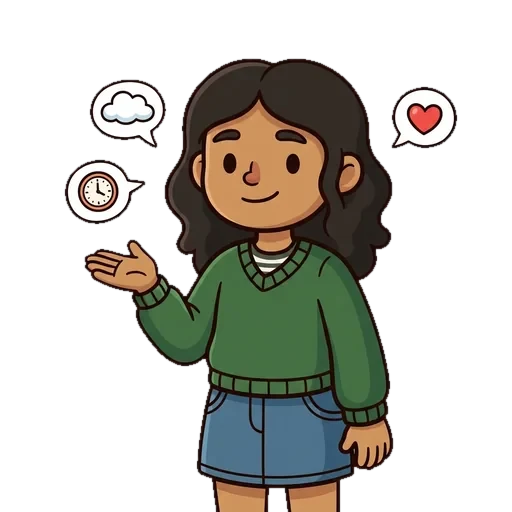
(Mentor, carried over from TreeForge's trunk) - never stops at one reason; asks what ELSE made it happen
-
Kindling
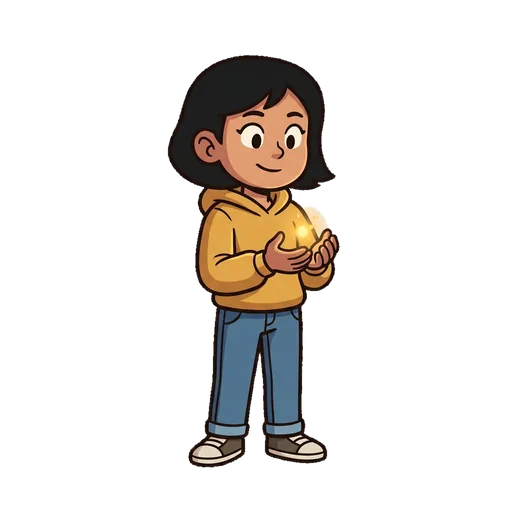
The Spark thread - finds the trigger that set it off
-
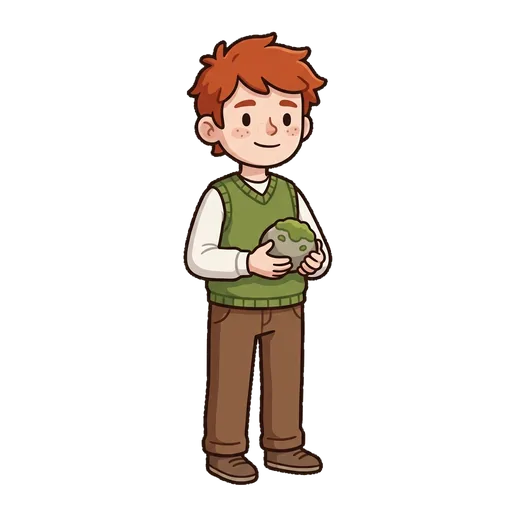
Moss
The Slow thread - finds the cause that built up over years
-
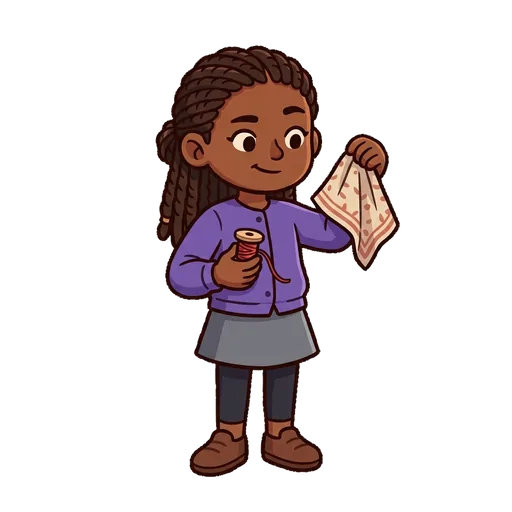
Bobbin
The Hidden thread - finds the cause nobody names at first
-
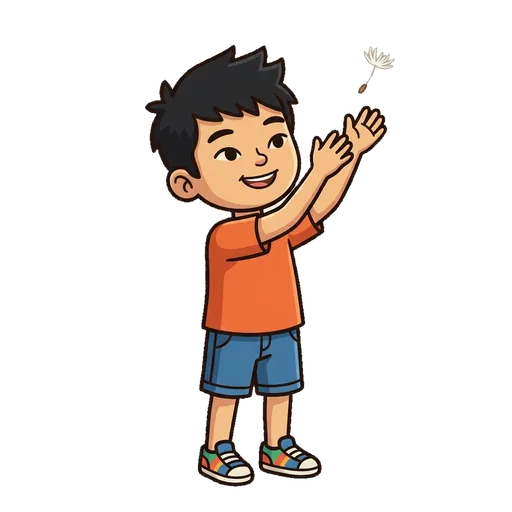
Hap
The Chance thread - says honestly when luck lined things up
-
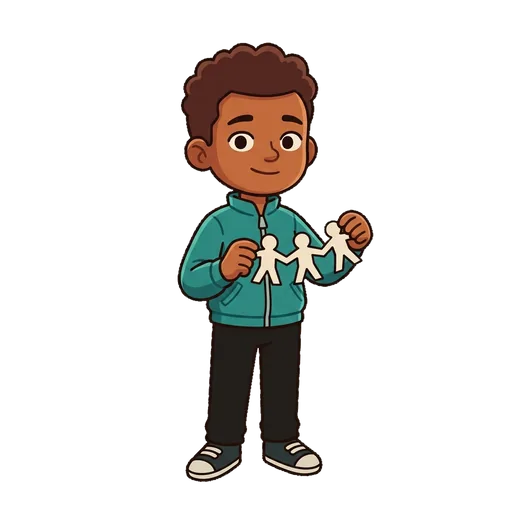
Folk
The People thread - finds the part people's choices played
-
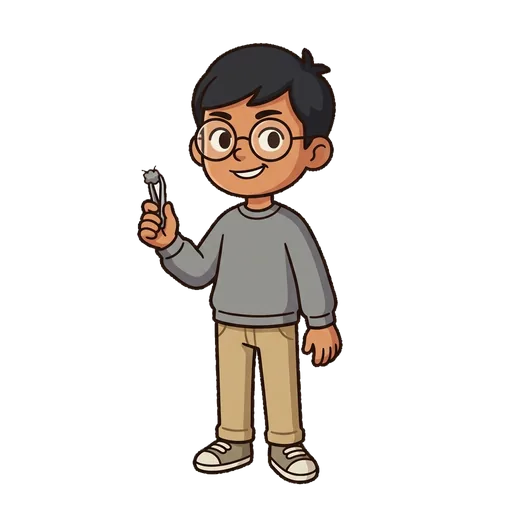
Lint
Spots the detail that is true but is not a cause
-
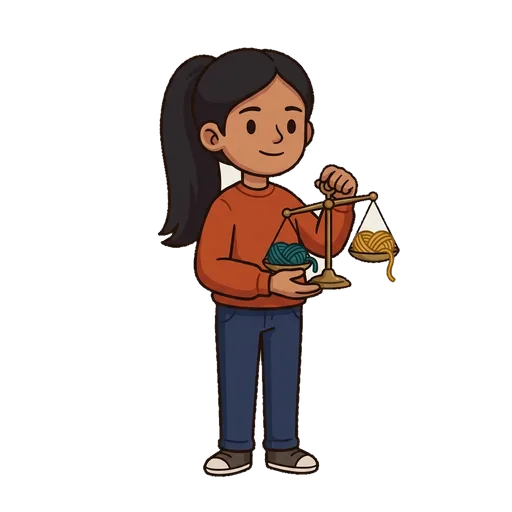
Fulcra
Weighs the threads and says which one mattered MOSTLY
-
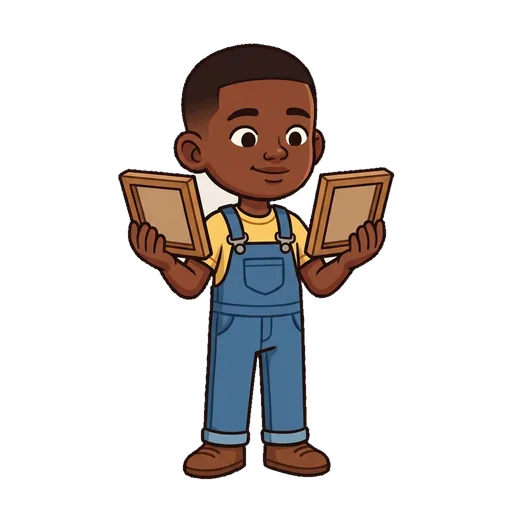
Tandy
Lays a second event beside the first to compare
-
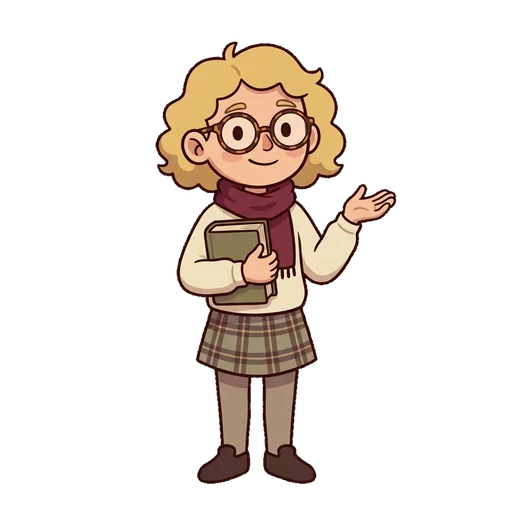
Hedda
Says how sure we are, the way historians and scientists do