
Most popular
 Claim Investigator Investigate a viral claim with lateral reading — leave the page and check what others say first.
  Spot the Tactic Name the misinformation trick — cherry-picking, fake experts, loaded framing, and more.
  Evaluate a Post Read a made-up social post and decide — can you trust it? Read the signals, not the vibes.
 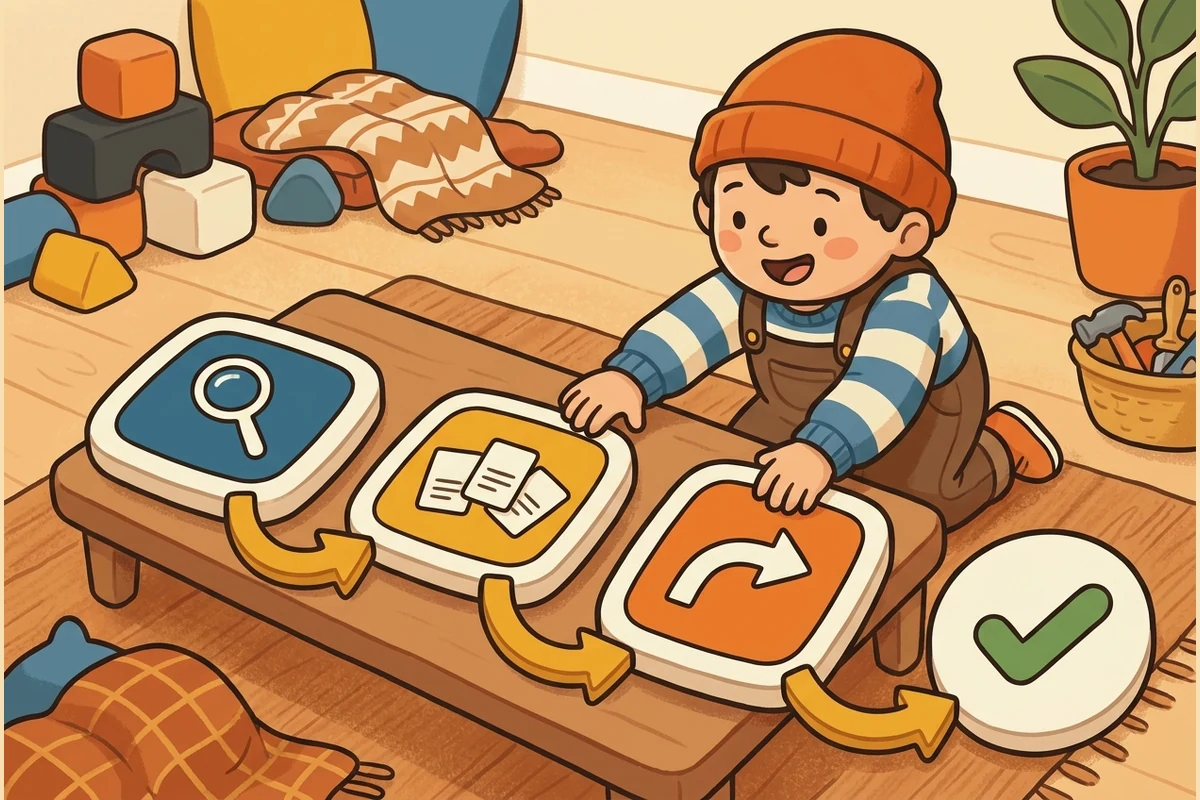 Build an Investigation Chain the checks in the right order and reach an honest verdict on a claim.
 All activities
Investigate a claim
Claim Investigator Investigate a viral claim with lateral reading — leave the page and check what other sources say first. Every example is made-up. Spot the Tactic Name the misinformation trick — cherry-picking, fake experts, loaded framing, false balance, and more. Evaluate a Post Read a made-up social post and decide — can you trust it? Read the signals, not the vibes. Build an Investigation Chain the checks in the right order and reach an honest verdict on a claim — the order is the skill. Why Did This Spread? Two made-up posts, one topic — predict which spread farther, then see that reach is built from feelings and outrage, not from being true.
Practice & play
Mixed Practice A short round across the kits you have played — brought back to make it stick. Sharpen Up — a calm sprint Quick recall of ideas you have mastered. Self-paced; turn on a timer only if you want one. Trick Questions Reasoning traps with a twist — spot why the obvious take does not hold up. Teach the Cast Teach a fact-checking move to a cast member still learning it — explaining it makes your own thinking clearer.
Play together
Truth Together 2–4 investigators take turns on one device — same questions, and a chance to compare how you read a claim. Truth Quest — the map A progression trail through every kit. Clear each stop of real practice, then move on. Progress Your levels, streak, and how each topic is coming along — saved on this device.
Concept Kits — 16 kits of media literacy
Kit 1: Media Literacy Basics Media Literacy · grades 4-5 · 25 questions Kit 2: Reliable Sources Source Evaluation · grades 4-5 · 25 questions Kit 3: Fact vs. Opinion Fact vs. Opinion · grades 5-6 · 25 questions Kit 4: Digital Footprints & Privacy Digital Citizenship · grades 5-6 · 25 questions Kit 5: Detecting Misinformation Misinformation · grades 6-7 · 25 questions Kit 6: Bias in Media Media Bias · grades 6-7 · 25 questions Kit 7: Evaluating Online Content Online Content Evaluation · grades 7-8 · 25 questions Kit 8: Critical Media Analysis Critical Media Analysis · grades 7-8 · 25 questions Kit 9: Logical Fallacies Critical Thinking & Media Literacy · grades 4-8 · 25 questions Kit 10: Source Evaluation Critical Thinking & Media Literacy · grades 4-8 · 25 questions Kit 11: Scientific Method and Evidence Critical Thinking & Media Literacy · grades 4-8 · 25 questions Kit 12: Bias Recognition Critical Thinking & Media Literacy · grades 4-8 · 25 questions Kit 13: Cross-Topic Connections Media Literacy · grades 5-6 · 25 questions Kit 14: Real-World Applications Media Literacy · grades 6-7 · 25 questions Kit 15: Misconceptions & Reasoning Media Literacy · grades 6-7 · 25 questions Kit 16: Advanced Synthesis Media Literacy · grades 7-8 · 25 questions
More ways to play
😄 Brain break

Meet the cast — the characters who teach this
-
 Claim Claim-identification — what EXACTLY is being asserted? distinguish claim from opinion from feeling from prediction
 -
 Weigh Credibility-evaluation — who's in a position to KNOW? what stake? calibration not verdict (shared design language with DebateForge Weigh)
 -
 Trace Evidence-traceback — where does this claim ORIGINATE? what's the chain? open four tabs; follow it back
 -
 Update Belief-revision — being WRONG is how knowledge MOVES; visibly carry old-guess and new-guess as data (shared design language with DebateForge Yield)
 -
 Wonder Epistemic-humility — 'I don't know yet' is the START of knowing; trust calibrated to evidence; counter-cynicism
 -
 Prove Falsifiability — what would change my mind? a belief you could NEVER be proven wrong about isn't strong, it's just stuck
 -
 Vivid Anecdote vs. data — one dramatic story feels truer than a hundred quiet ones; ask: is this ONE story, or the whole picture?
 -
 Norm Base rates — before you panic at a scary number, ask how OFTEN it usually happens; most 'shocking' things turn out normal
 -
 Yardstick Context — 'a lot' and 'a little' mean nothing on their own; always ask: compared to WHAT?
 -
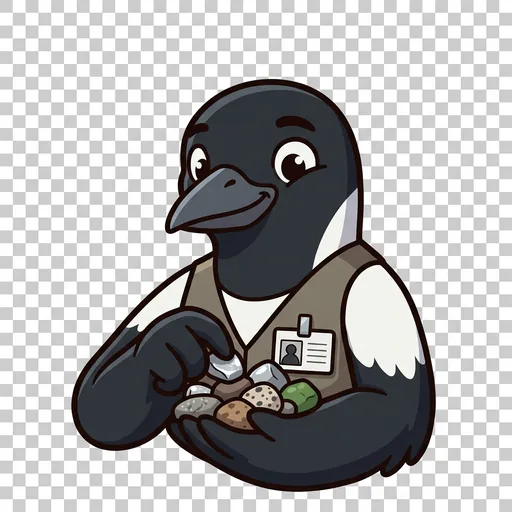 Cull Cherry-picking / representativeness — anyone can find a few examples for anything; the real question is what got LEFT OUT?
Ensemble stories — the cast together