Mason the Interposer
INTERFERENCE
Loading audio…
Press play to listen along. The line being read lights up as you go.
Show full transcript
Loading transcript…
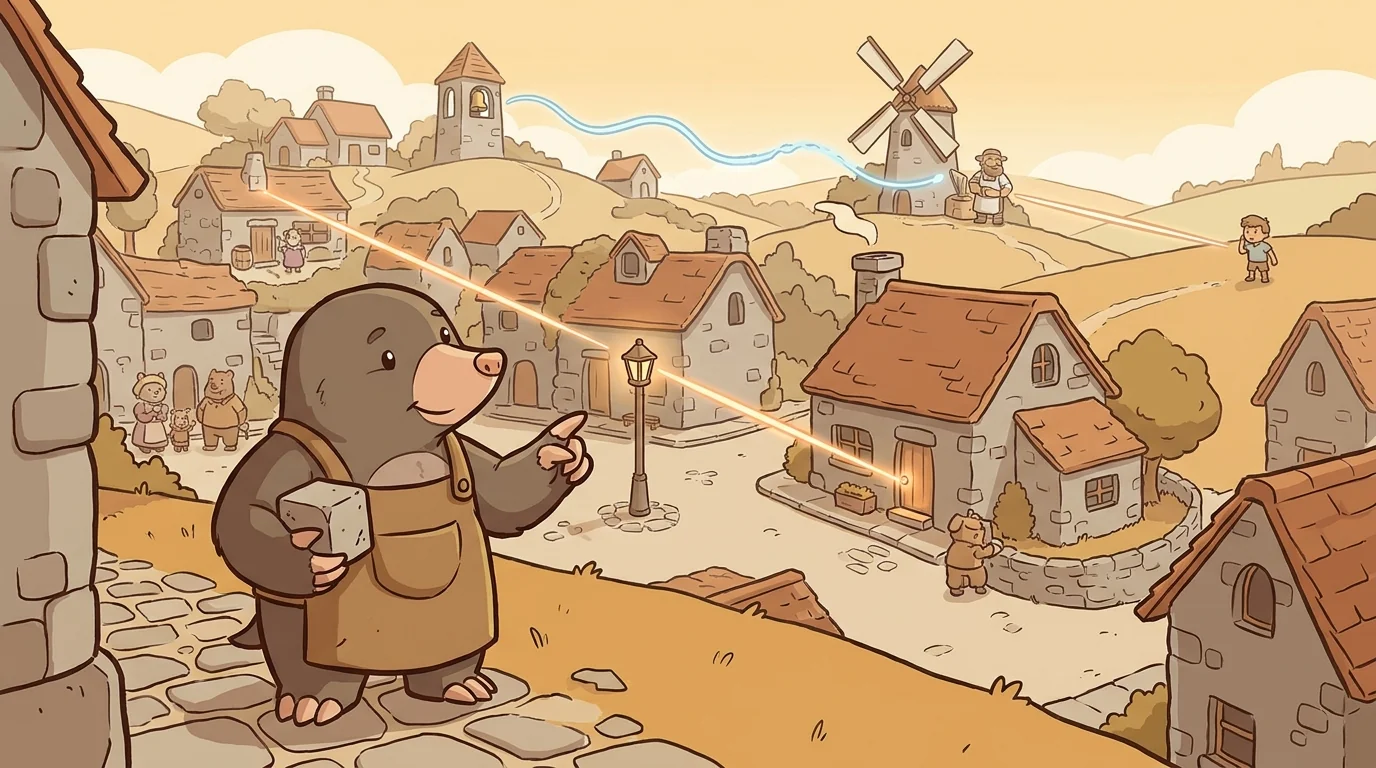
In the steep hill town of Cairn, every house came out of the same grey mountain. The roofs were slate, and the chimneys were granite. The air smelled permanently of crushed stone and wet mortar.
There lived a mole in a dusty canvas apron. His name was Mason, which his mother had considered clever when he was small. Everyone else in Cairn had long forgotten it was ever a joke.
Mason built walls. He laid good, square, honest masonry along garden boundaries and goat pens. He was better at setting mortar than anyone south of the peak. Yet the unusual thing about Mason was not the quality of his granite joints. It was the lines he saw running through the air.
Where other townsfolk saw only open alleys, Mason saw invisible threads connecting one thing to another.
He saw the sharp line of light traveling from the oil lamp in the square to the baker’s dark doorstep. Build a high wall across that line, and the doorstep vanished into shadow. He saw the narrow line of sound carrying from the brass bell tower down to the shepherd's cottage. Raise a barn in the middle, and the shepherd missed the evening hour.
Most of all, he saw lines of sight. He saw the look that tied the apple merchant to his young helper. If you placed a waist-high pier between them, the merchant could stare all day without seeing the boy slip a cherry into his mouth.
Mason noticed these invisible connections everywhere. He realized that a wall did not need to be tall or thick to break a connection. Even a flimsy fence could cut a line completely while it stood. A guard who cannot see his target is no guard at all.
Mason had never named this habit. He was not a creature who cared for big terms. He simply dropped stones where a line needed cutting and let the town react.
It took a small vole named Tuck to put a name on the trick.
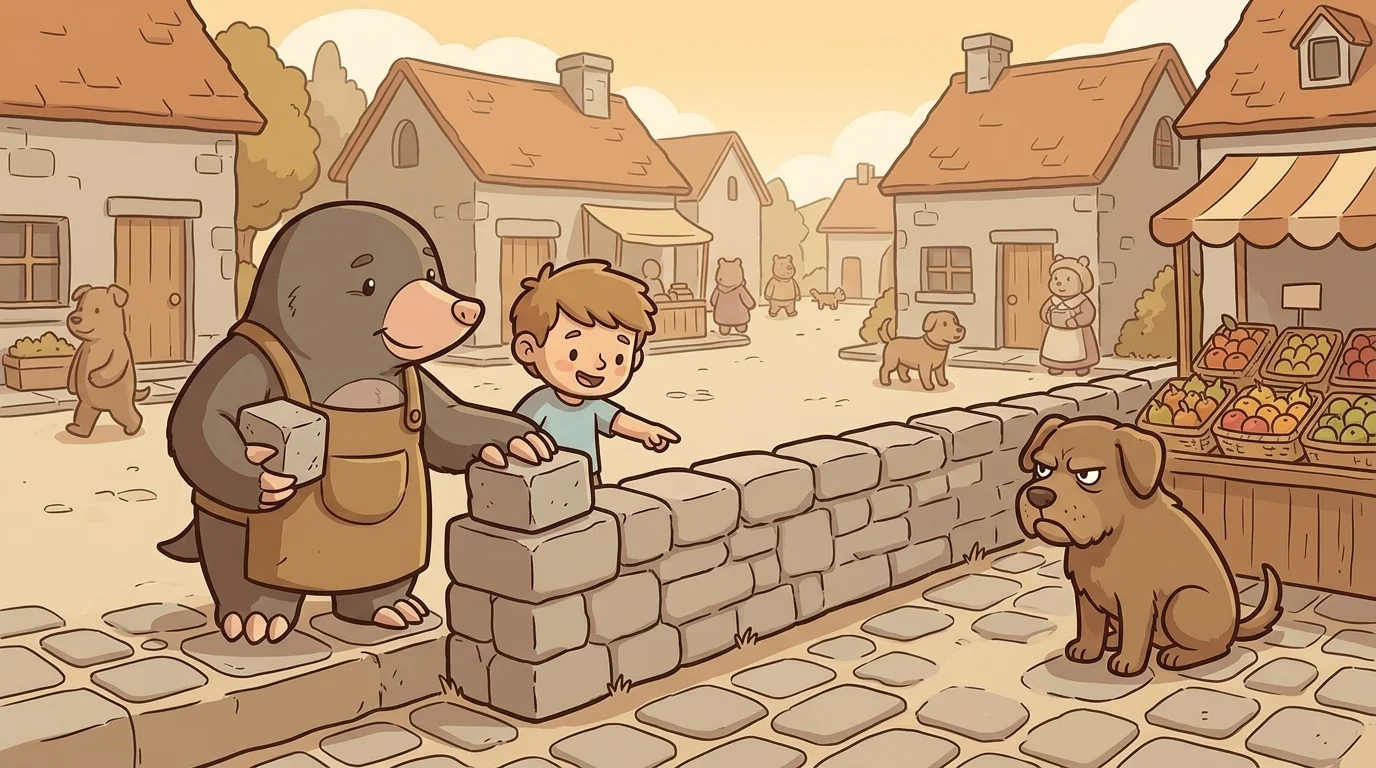
Tuck was six years old, with oversized boots and dust on his nose. He spent his afternoons sitting on an overturned mortar tub, watching Mason work.
One chilly Tuesday, Mason began building a strange stub of wall in the center of the market square. It was three feet long and four courses high. It held up no roof. It fenced in no pigs. It stood plain and awkward right between the fruit seller's basket and an old terrier named Barnaby.
Barnaby was a legendary guard dog. He spent every market day growling at anyone who stepped within five paces of the pears.
"That wall is silly," Tuck said, kicking his heels against the tub. "It doesn't do anything at all."
"Watch the dog," Mason said softly. He tapped a corner stone into place with his wooden mallet.
Tuck watched. Barnaby took two paces forward, lifted his nose, and found himself staring straight into a block of grey granite. On the other side of the wall, the pear basket sat entirely unguarded. A small rabbit walked up, picked out a ripe pear, and dropped two copper coins on the tray.
Barnaby never barked. He could not see the pears, so he did not know they needed protecting. He was still a ferocious guard dog. He was simply blind to the thing behind the stone.
"You blocked his look," Tuck declared, hopping off his tub. "You didn’t chase the dog away. You just put a stone in the middle of his eyes."
"I did," Mason said.
"But someone could knock your little wall down with a sledgehammer," Tuck pointed out. "It’s only four stones high."
"They could," Mason agreed, wiping sweat from his brow with a dusty sleeve. "And by the time they fetch the hammer, the rabbit has eaten the pear and gone home. A wall does not need to last forever. It only needs to stand until the work is done."
Tuck chewed on his lower lip. He walked around the stub of stone twice, testing the shadow with his paw.
"You got in the way on purpose," Tuck said slowly. "You caused an interference."
Mason stopped his trowel in mid-air. For Mason, pausing mid-stroke was like a clock skipping a tick.
"Interference," Mason repeated, testing the weight of the word like a new stone. "Getting in the way on purpose to cut a line. Yes. That is the exact shape of it."
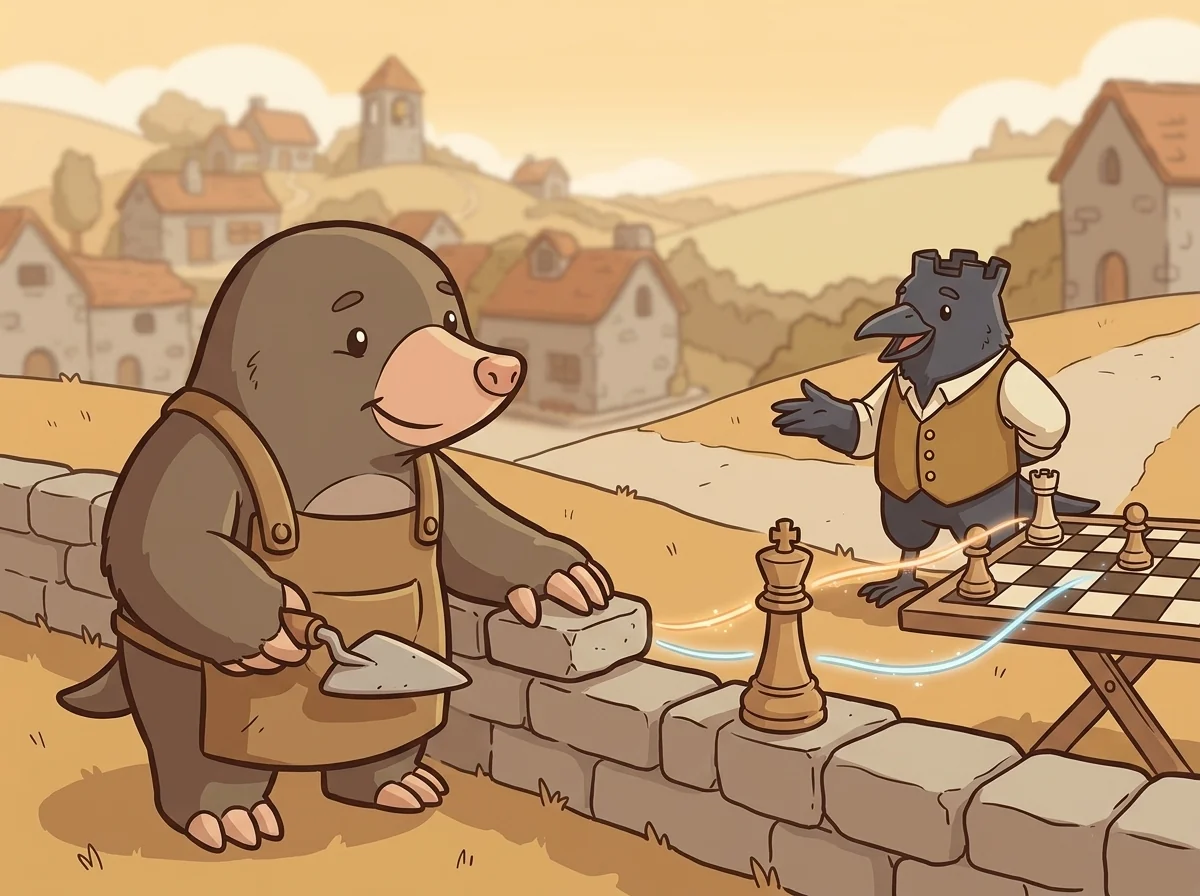
Three winters later, a heavy damp fog rolled up the mountain path. With the fog came a stout rook wearing a green wool coat with polished brass buttons.
Captain Castle introduced himself with a formal bow that nearly knocked his waistcoat against his knees. He ran a school down in the valley where young animals learned the game of sixty-four squares.
"My students have a frustrating habit," the Captain explained, leaning against Mason’s wooden workbench. "When an enemy piece is guarded by another piece across the board, my pupils give up. They think a guarded piece is completely safe."
Mason scraped dried mortar off his blade. "And is it?"
"Not always," said Captain Castle. "They never think to step one of their own pieces straight into the line between the guard and its target. They don't realize that even if the guard captures the intruder, the defense is broken for one crucial move."
Mason smoothed a patch of grey cement along the wall. "I have spent my whole life placing stones across lines that other folks couldn't see. A board of sixty-four squares must be crisscrossed with lines."
"It is," said the Captain.
"Then I would like to cut a few," Mason said.
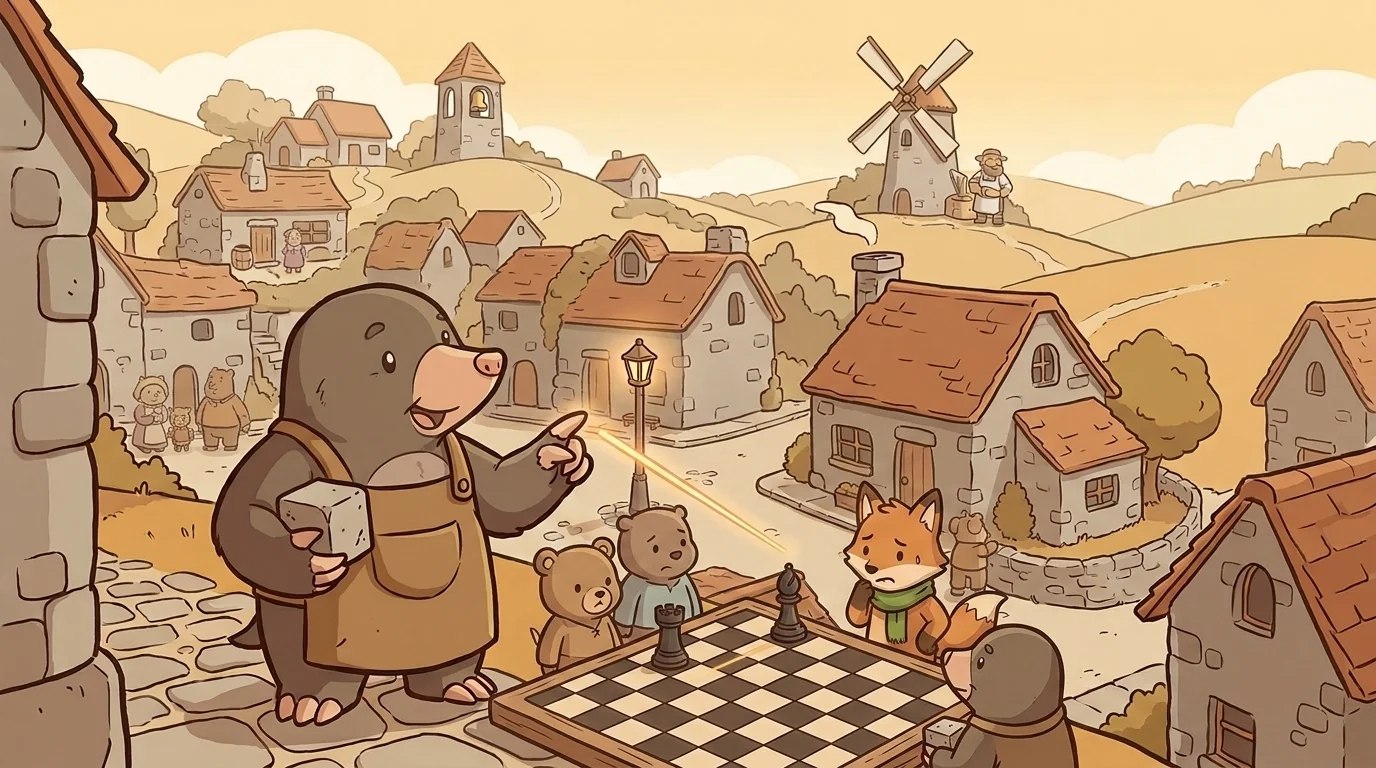
The chessboard, Mason discovered, was just a small town drawn in straight grey squares.
On a crisp October morning, Mason stood before his first class at the academy. Captain Castle set up a position on the demonstration board. A black rook sat undefended on an open square, but a black bishop watched it from six squares away down a long diagonal.
The young students leaned back in their chairs and sighed.
"You can't take the rook," said a young fox wearing a knitted green scarf. Her name was Bramble, and she kept a sharp pencil behind her ear. "The bishop is watching it down the row. If we take the rook, the bishop takes us."
Mason walked slowly to the board. He pointed his broad paw at the line of empty squares running between the bishop and the rook.
"The bishop guards the rook along this exact path," Mason said. His voice was calm and low. "Watch what happens when I drop a wall into the middle."
He lifted a white knight and placed it firmly on the square directly between the two black pieces.
"Now the bishop cannot see the rook," Mason said. "The line is broken."
"But they can just capture your knight!" Bramble protested, sitting up straight. "The bishop will eat your knight for dinner!"
"They can," Mason said mildly. "But they cannot do it right now. This move, they must make a hard choice. They can capture my knight and lose their rook, or they can save their rook and let my knight live. For one move, my wall stands. And one move is all I need."
He reached out and plucked the black rook off the board.
"The bishop was a fine guard," Mason added, dusting off the captured rook. "It simply could not guard through a solid wall."
Bramble stared at the board for a long moment. Then she pulled her notebook close and wrote carefully: A guard cannot guard through a wall, even a wall that falls next turn.
Captain Castle stood in the doorway, smiling quietly through his feathers.
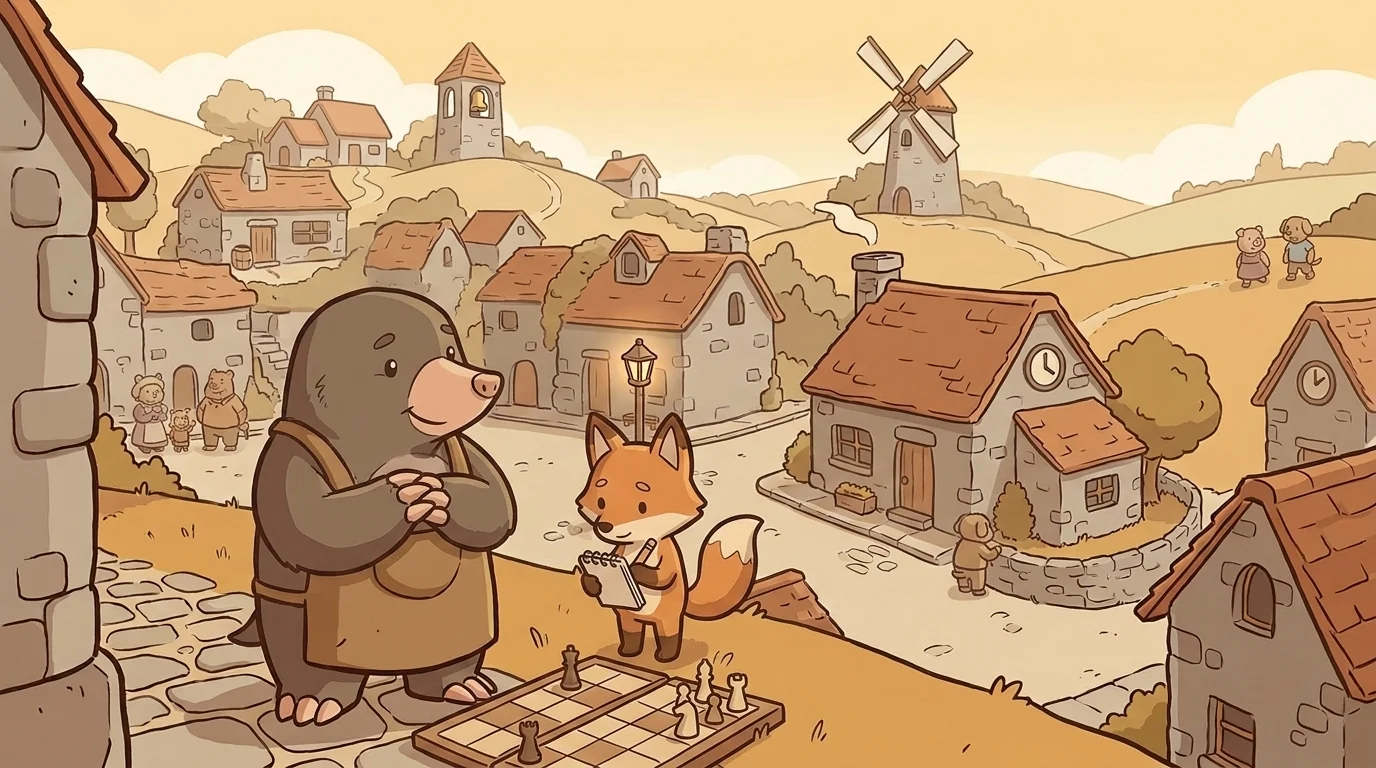
Mason still lives in the high town of Cairn. He still builds granite walls that stand square and straight against the mountain winds.
Yet when the evening bell rings at the academy and the children gather their coats, Mason stays behind in the silent hall. He walks past the wooden tables, looking down at the checkered boards. He does not see wooden carvings. He sees the thin, invisible threads of sight and force that bind the pieces together.
Sometimes Bramble stays late, sharpening her pencil on the edge of a desk.
"Why throw away a knight just to build a wall for one turn, Mason?" she asked one evening.
Mason folded his dusty paws inside his sleeves and looked out the window at the setting sun.
"A defended piece feels safe," he said softly. "But that defense is only a line of sight. Drop something into the middle of that line, and the guard goes blind. You do not need a wall that lasts forever. You only need a wall that lasts one move longer than your opponent expects."
Bramble wrote the words down, her pencil scratching softly against the thick paper. Mason watched her write, feeling the quiet satisfaction of a builder who has laid his final stone plumb and true.
Then he closed the board, wrapped his scarf against the valley air, and began his long walk home up the mountain.
Hear it as an audio drama
A short play starring Mason the Interposer, from GambitTales. Different voices, same idea. Listen any time after you read.
Loading audio…
Read the drama script
- Narrator: From Spark and Anvil and GambitTales — this is Mason, in chapter 1 of the GambitTales cast.
- Narrator: This drama uses an AI-generated voice. Voiced via Gemini 2.5.
- Narrator: In the hill town of Cairn, where every house was built of the same grey stone, there lived a mole in a dusty apron named Mason — a joke his mother made once and everyone eventually forgot.
- Narrator: Mason built good, square, honest walls, better than anyone in Cairn. But the thing that made him unusual was not the walls. It was the lines he saw.
- Mason: Where others see rooms and roads, I see the invisible lines. The line of light from the lamp to the doorstep it keeps lit. The line of the tower bell to the far cottage that waits for it.
- Narrator: One evening a neighbour begged Mason to help. A guard-dog on a long line kept a whole lane safe — but it kept the neighbour's own gate shut too.
- Mason: The dog is not the problem. The line between the dog and the gate is the problem. So I will step something into that line.
- Narrator: Mason set one small stone wall across the invisible line — right between the dog and the gate it guarded.
- Mason: Now the dog still barks. The dog is still strong. But its guarding cannot reach the gate. My little wall is standing in the way.
- Narrator: But that wall is small, said the neighbour. The dog could knock it down.
- Mason: Let it. Even if my wall is taken, it did its work in the moment it stood there. The gate was already free.
- Narrator: The neighbour gave the trick a name. She called it interference.
- Mason: Interference. Step a piece into the line between a defender and the thing it defends — and the thing defended falls, even if your blocker can be taken.
- Mason: You do not fight the guard. You interrupt the line it guards along. That is the whole lesson. That is what makes an interference.
- Narrator: You've been listening to a Spark and Anvil chapter, written by the Spark and Anvil writing team for ages 9 to 14.
- Narrator: Apps stay free forever.
- Narrator: Curriculum aligned to Common Core and Next Generation Science Standards.
- Narrator: Released under Creative Commons BY-NC-SA 4.0 for educational reuse. Visit Spark and Anvil for the full transcript.
The position from the story
This is the board Mason the Interposer set up. Try the move from the story.
How sure are we? Every board position in this story is checked by the chess engine, so you can set it up on a real board.
You are White. Cut the line between the rook and the knight it guards.
👪 Read it together, then play it on: a grown-up takes one side, you take the other. Captain Castle asks: why does the bishop on d5 work, while a pawn on c5 would not?
The GambitTales ensemble
Mason the Interposer is one of the friends in GambitTales. Each friend shows you one idea by how they act; meet them all and you have the whole subject.
-

Sir Pinwell
Pin pattern — freezes pieces along a line
-
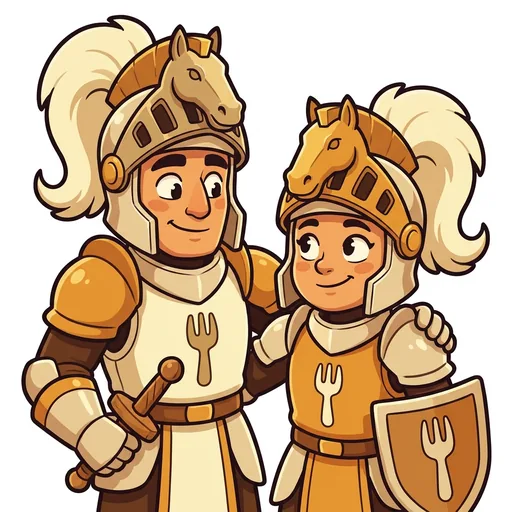
Twin Knights of Fork Hill
Fork pattern — attack two targets at once
-

Lady Skewer
Skewer pattern — force a valuable piece out of the way
-

Veil & Vow
X-ray attack — see through one piece to strike the piece behind it
-
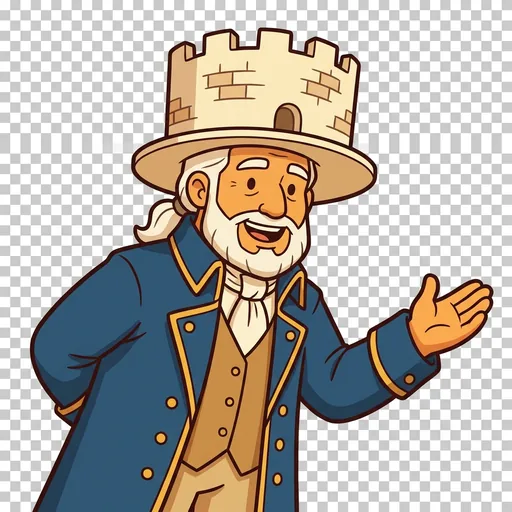
Captain Crossfire
Discovered attack — step aside to reveal a hidden threat
-

The Glass Lantern
Double attack — one light sees two targets at once
-
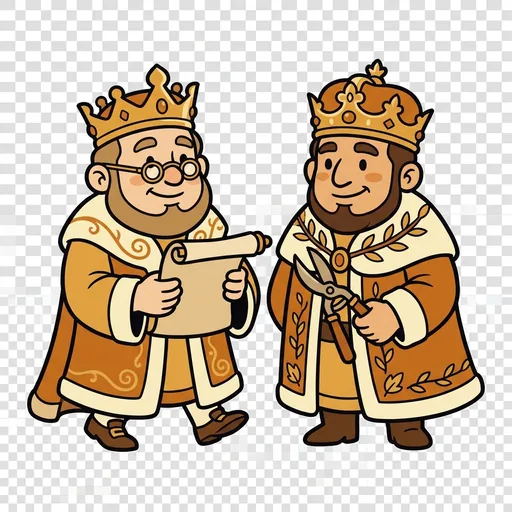
King Pumble & King Sable
Two kings — librarian and gardener; one step at a time
-

Queen Vesper
Queen — ranger-messenger; any direction, any distance
-
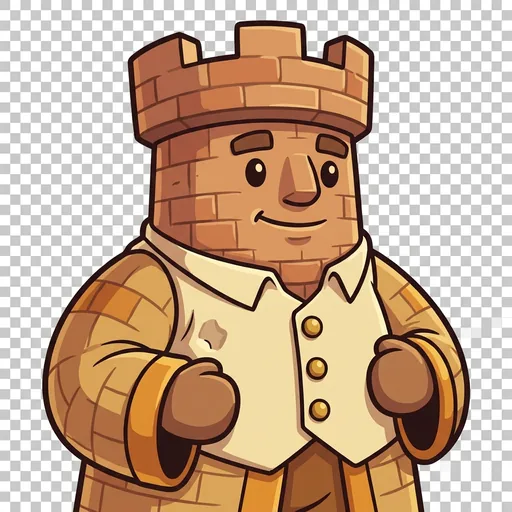
Captain Castle
Mentor + narrator — rook archetype; the mascot who introduces the cast + scaffolds the lesson
-

The Pawn Cohort
Ensemble piece — the four pawn-paired sets (Pawn Patrol + Sienna & Bran + Trotter & Trundle + Gable & Garrett) acting as one in the world layer
-
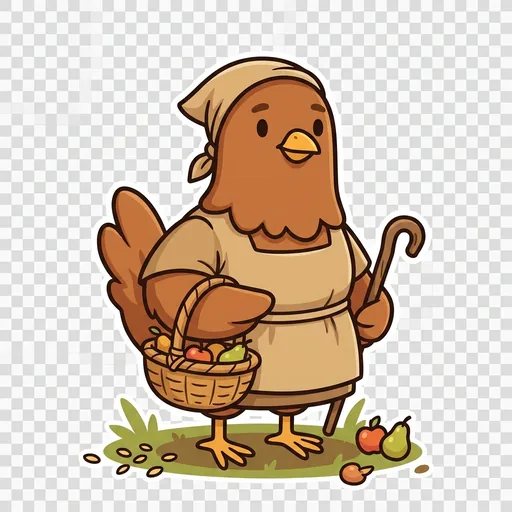
Merle the Gleaner
Hanging Piece — a piece with no defender is a free piece
-

Sir Sidetrack
Deflection — chase the guard off its duty, then take what it protected
-

Warden Snare
Trapped Piece — a piece with no safe square falls where it stands
-

Siren Lyra
Attraction — lure a piece onto the square where your next move wins it
-

Vale the Wayclearer
Clearance — move your own piece off the line so the power behind lands
-

Kester the Finisher
Checkmate — a check the king cannot escape, block, or capture
-
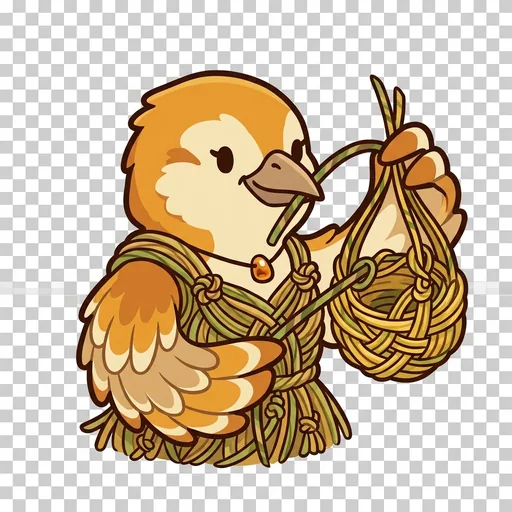
Linnet the Netweaver
Checkmate in Two — the first move forces the reply, the second springs the mate
-

Baron Tarry
King archetype — the patient endgame
-

Dame Bulwark
Bishop archetype — the line-cutter
-
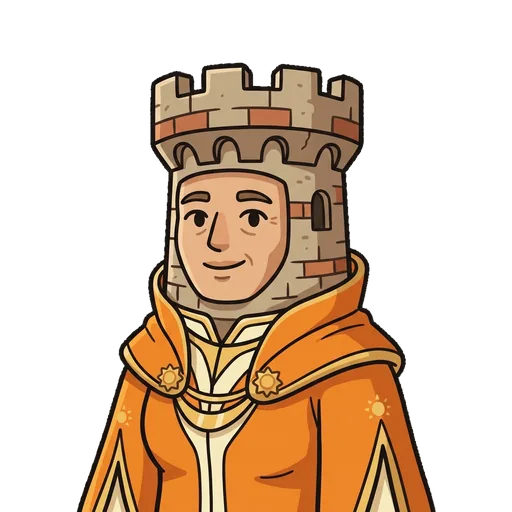
Lady Divert
Rook archetype — the tower