Sir Sidetrack
DEFLECTION — give a defender a job it cannot refuse; the instant it leaves its post, take what it was guarding
Loading audio…
Press play to listen along. The line being read lights up as you go.
Show full transcript
Loading transcript…
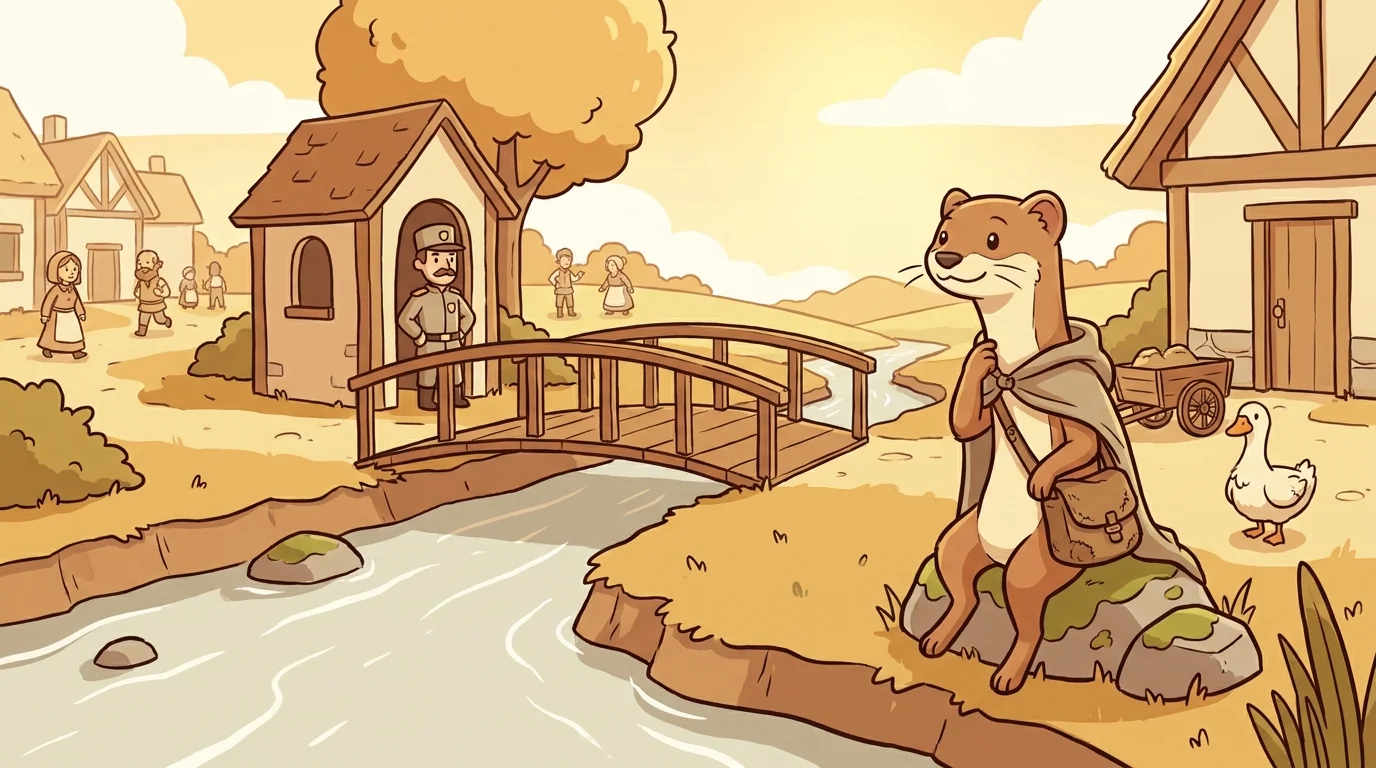
The village of Two Brooks had exactly one bridge and exactly one watchman to mind it, and the watchman's name was not important, because the important one in this story is the fellow who used to sit on the far bank and watch him.
That was Sir Sidetrack — a lean, courteous stoat in a travelling cloak, who bowed to everyone and hurried no one. He had come to Two Brooks years before with nothing but a satchel of small errands, and he had stayed because the village suited his particular gift, which was this: Sir Sidetrack could always find the one thing a busy person could not say no to.
He never argued with the watchman. He never tried to sneak past. Arguing was rude and sneaking was worse. Instead, on the mornings when Sir Sidetrack needed the bridge left unminded for a moment — to carry a wobbling cart across, or to walk a nervous goose to market — he would simply arrange for the watchman to be needed elsewhere. A cousin would arrive with a message the watchman had to answer. A kettle would boil over in the guardhouse. A child would appear, quite by accident, having lost a boot in the brook, and of course a good watchman cannot ignore a child with one boot.
And the moment the watchman stepped away — one step, that was all it took — the bridge was, for that breath, unguarded, and whatever Sidetrack wished to bring across came quietly across.
He noticed, in all these small arrangements, a thing that pleased him: he had never once had to defeat the watchman. He had only ever had to give the watchman something better to do. A guard who must attend to a fire is not guarding the bridge, no matter how loyal he is. The bridge does not fall to force. It falls to a fire in the other direction.
He had never given this a name. He simply bowed, and arranged, and crossed.
It would take a small badger, in the end, to name it for him.
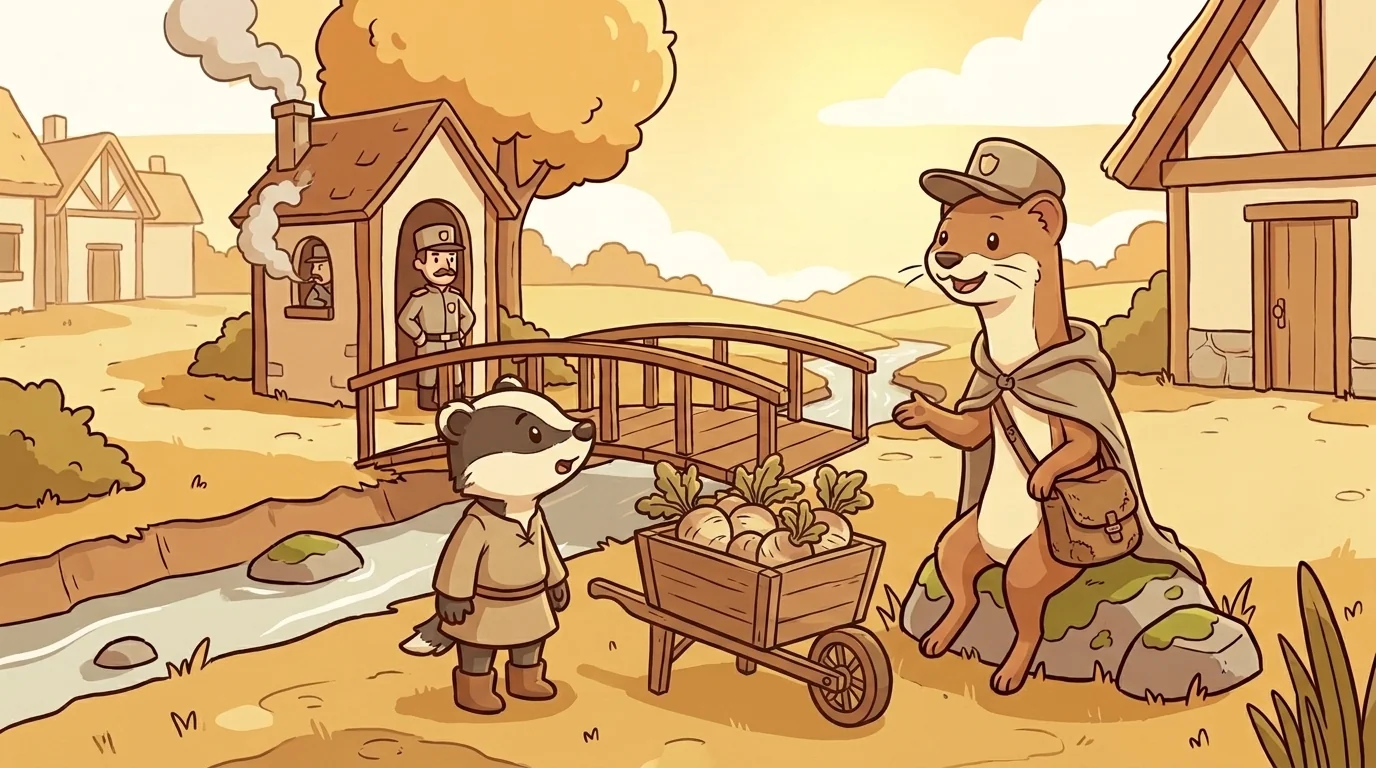
The badger's name was Ora, and she was seven, and she caught him at it.
She had watched, from behind a barrel, as Sir Sidetrack tipped his hat to the watchman, mentioned — ever so gently — that smoke seemed to be curling from the guardhouse window, and then, while the watchman bolted off to save his supper, walked a squeaking wheelbarrow of turnips clean across the bridge.
"You made him leave," said Ora, stepping out. It was not quite an accusation. She was too interested for that.
"I did," said Sir Sidetrack, setting down the wheelbarrow. He did not lie to children; he found it beneath him. "The bridge is his to guard. But he cannot guard the bridge and save his supper. I only reminded him about the supper."
"That's cheating."
"Is it?" said Sir Sidetrack. "I did not push him. I did not fight him. I gave him a job he could not refuse, and he chose it himself. His feet did the rest." He considered the little badger. "The watchman was doing two jobs at once — mind the bridge, mind the guardhouse. A body cannot do two jobs at once. So I picked the one I wanted him to do, and left him to it."
Ora chewed on this. Then she said, slowly, "You sidetracked him. You pulled him off onto the other track."
Sir Sidetrack removed his hat entirely, which for him was a great honour.
"Sidetrack," he said. "I have wanted a word for it for twenty years. That is precisely the one."

Three winters on, a chunky cheerful rook in a brass-buttoned waistcoat found him mending a satchel by the brook.
Captain Castle introduced himself and said he ran an academy where children learned a game of sixty-four squares, and he said his students were forever crashing head-on into a defender — trading, forcing, shoving — when there was a gentler way that they never seemed to see.
"They think a guard must be beaten," said Captain Castle. "It need not be beaten. It need only be called away. And I have looked a long time for someone who understands that a defender with two duties has, in truth, no duty it can keep."
Sir Sidetrack finished his stitch and bit off the thread.
"I have spent my life," he said, rising and bowing, "giving busy people something better to do. I should be glad to teach a child the courtesy of it."
The chessboard, Sir Sidetrack decided at once, was a village full of bridges.
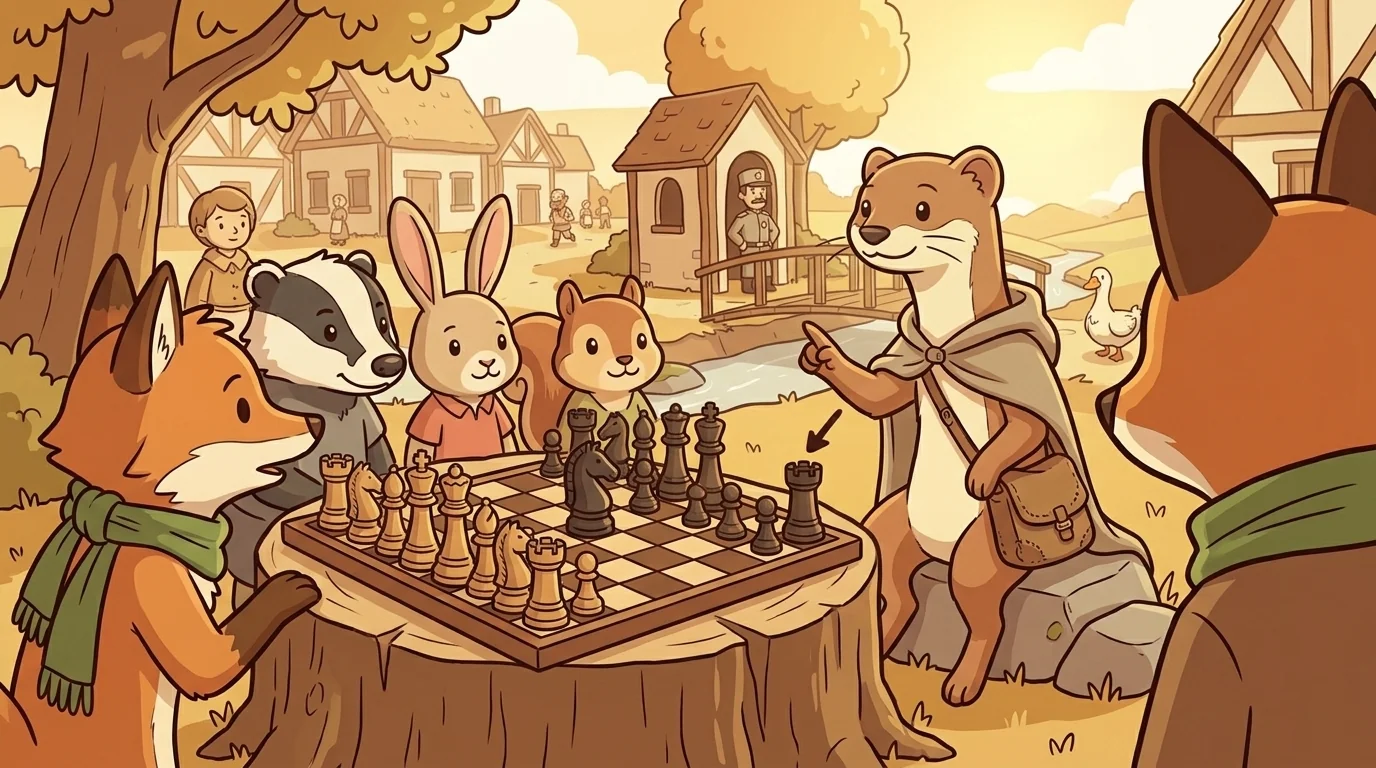
He met his first class on a bright cold morning. Captain Castle set a position and the children fell on it, trying to bludgeon a stubborn black knight that guarded a key square — trading pieces, hurling pawns, getting nowhere.
Sir Sidetrack let them batter away for a while, because he was patient. Then he raised one paw.
"That knight," he said, "is guarding two things. It watches the square you all want. But look — it is also the only piece defending its own rook, back here in the corner." He pointed, unhurried. "Now. Attack the rook."
"But we don't want the rook," said a fox in a green scarf. "We want the square the knight is standing near."
"I know," said Sir Sidetrack, and something in the softness of it made the whole room lean in. "But the knight does not know that. Attack its rook, and the knight faces a terrible little choice: keep guarding the square, and lose the rook — or run to save the rook, and leave the square wide open. It cannot do both. A guard with two duties can keep only one." He moved the piece that menaced the corner. "Watch. It must choose. And whichever it chooses — it has let go of the other."
The knight, forced to save its rook, stepped aside. The square it had guarded stood open and undefended, exactly as Sidetrack had said it would.
The fox in the green scarf wrote a guard with two duties can keep only one in her notebook, and stared at it for a long moment as if it explained several things beyond chess. Captain Castle, in his corner, nodded once.
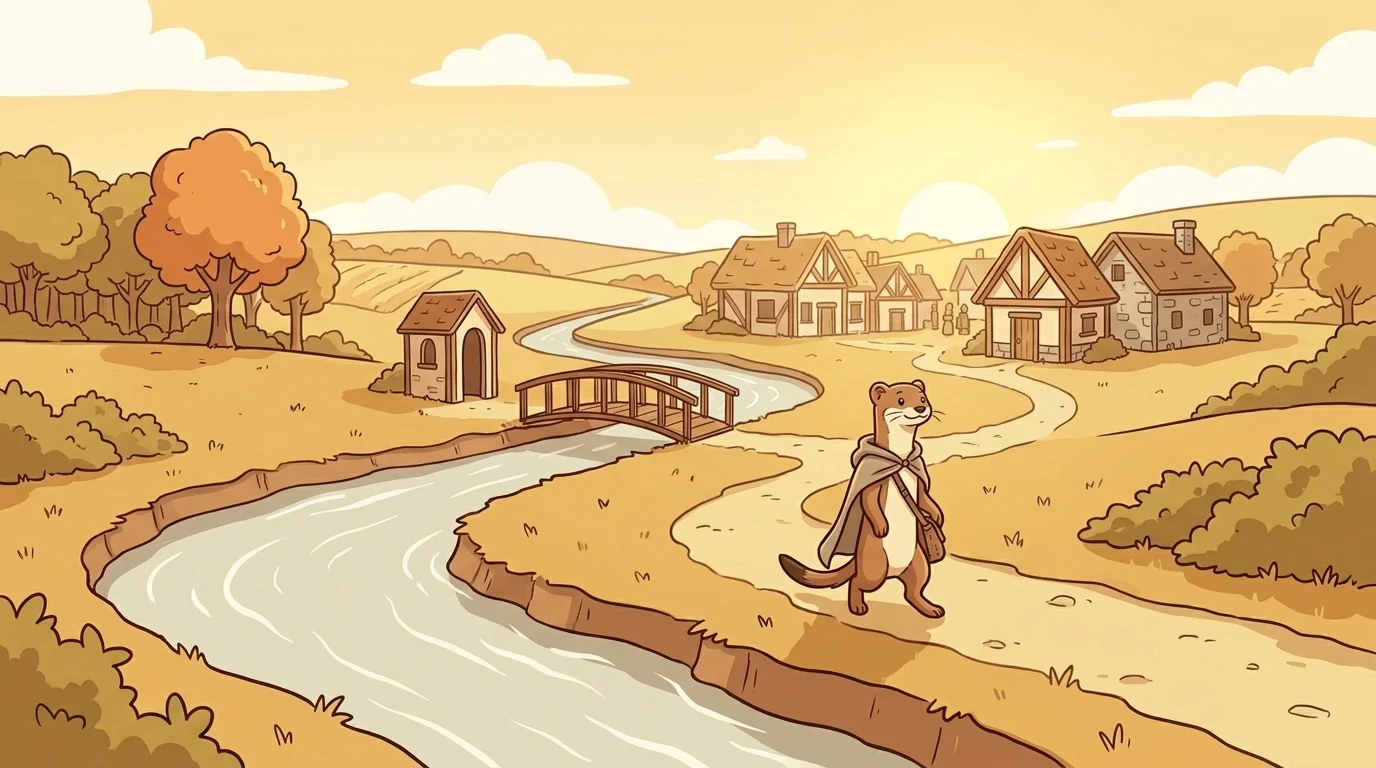
He still bows to everyone. He still hurries no one.
But when the lessons end and the children have gone, Sir Sidetrack sits by the folded board and studies it the way he once studied the bridge at Two Brooks — looking not at the piece he wants, but at the guard standing in the way, and at the second thing that guard secretly loves.
Sometimes the fox with the notebook stays behind, and asks, "Why sideways, Sir Sidetrack? Why not just go straight at it?"
And he will settle his cloak, and consider, and say:
"Going straight at a strong defender is honest, but it is rarely kind to your own pieces. Look instead for what the defender must protect elsewhere — its own rook, its own king, its own supper. Threaten that, and the guard will leave its post all on its own, and you will not have had to fight it at all. Do not conquer the watchman. Give him a fire to put out."
The fox writes it down. Sir Sidetrack watches her write, and feels — in a way he would never announce — the quiet warmth of a man who has, at last, been understood. He folds the board. He walks home along the brook.
The GambitTales ensemble
Sir Sidetrack is part of GambitTales's distributed-narrative cast. Each character embodies a different curricular primitive; together they teach the full subject.
-

Sir Pinwell
Pin pattern — freezes pieces along a line
-

Twin Knights of Fork Hill
Fork pattern — attack two targets at once
-

Lady Skewer
Skewer pattern — force a valuable piece out of the way
-

Veil & Vow
Discovered attack — step aside to reveal a hidden threat
-

Captain Crossfire
Double attack — one move threatens two targets
-

The Glass Lantern
X-ray attack — light pierces through to the piece behind
-

King Pumble & King Sable
Two kings — librarian and gardener; one step at a time
-

Queen Vesper
Queen — ranger-messenger; any direction, any distance
-

Captain Castle
Mentor + narrator — rook archetype; the mascot who introduces the cast + scaffolds the lesson
-

The Pawn Cohort
Ensemble piece — the four pawn-paired sets (Pawn Patrol + Sienna & Bran + Trotter & Trundle + Gable & Garrett) acting as one in the world layer
-
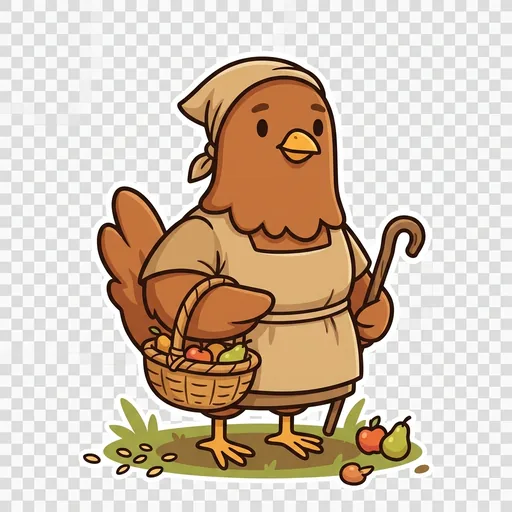
Merle the Gleaner
Hanging Piece — a piece with no defender is a free piece
-

Warden Snare
Trapped Piece — a piece with no safe square falls where it stands
-

Mason the Interposer
Interference — cut the line between a defender and its charge
-
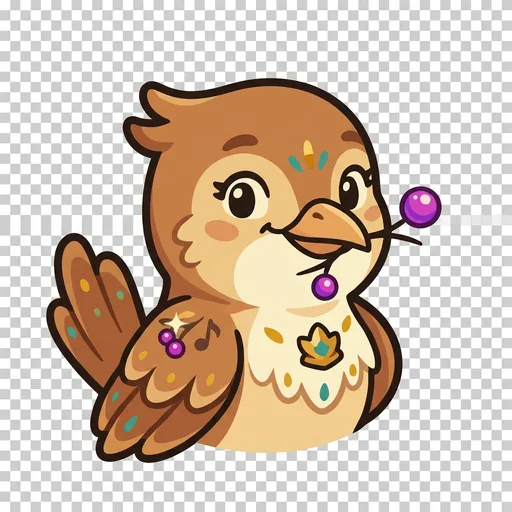
Siren Lyra
Attraction — lure a piece onto the square where your next move wins it
-

Vale the Wayclearer
Clearance — move your own piece off the line so the power behind lands
-

Kester the Finisher
Checkmate — a check the king cannot escape, block, or capture
-
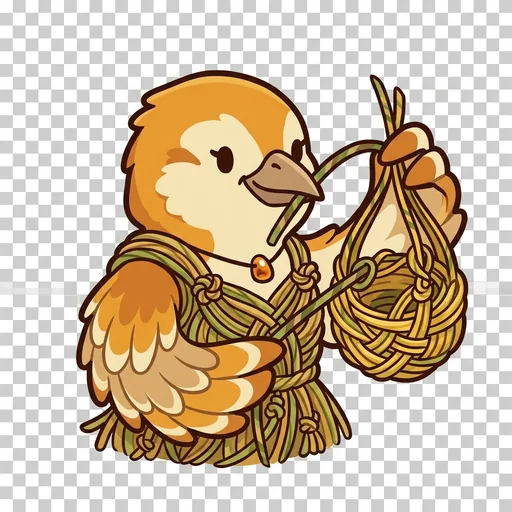
Linnet the Netweaver
Checkmate in Two — the first move forces the reply, the second springs the mate