Start here
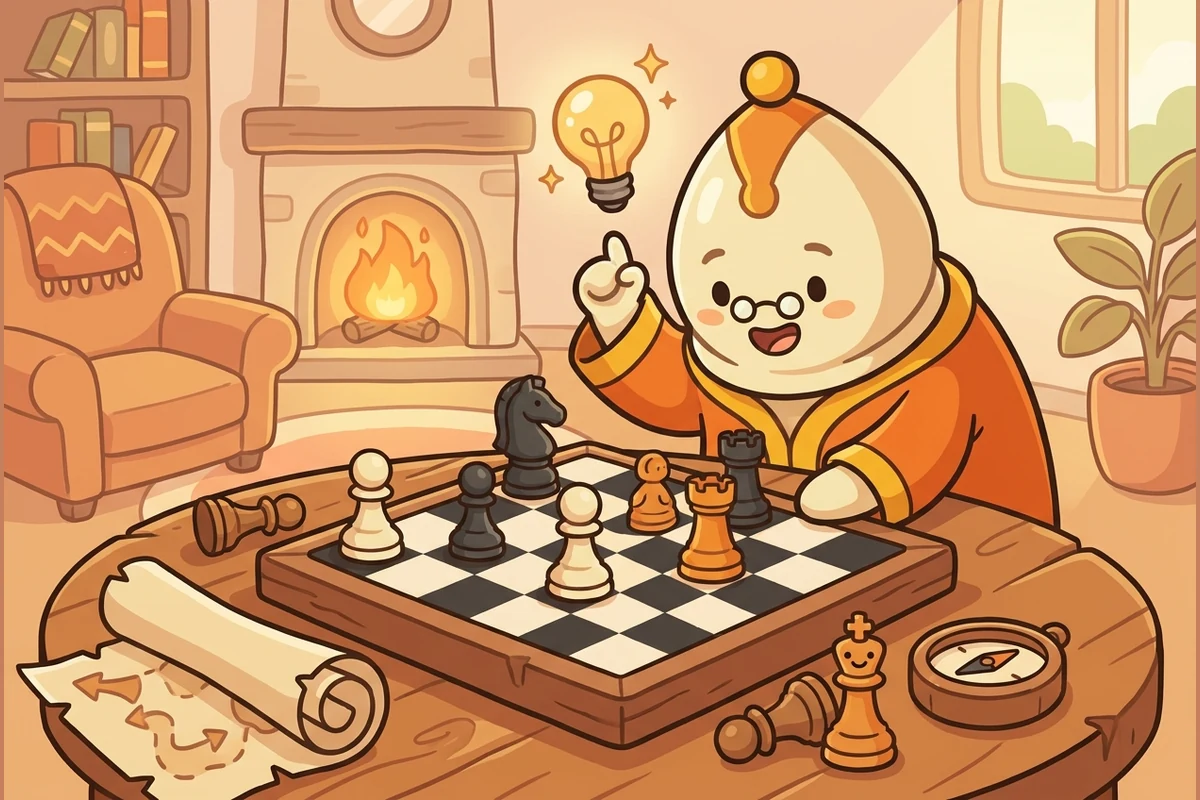 Tactics Trainer Name the tactic, then play the winning move.
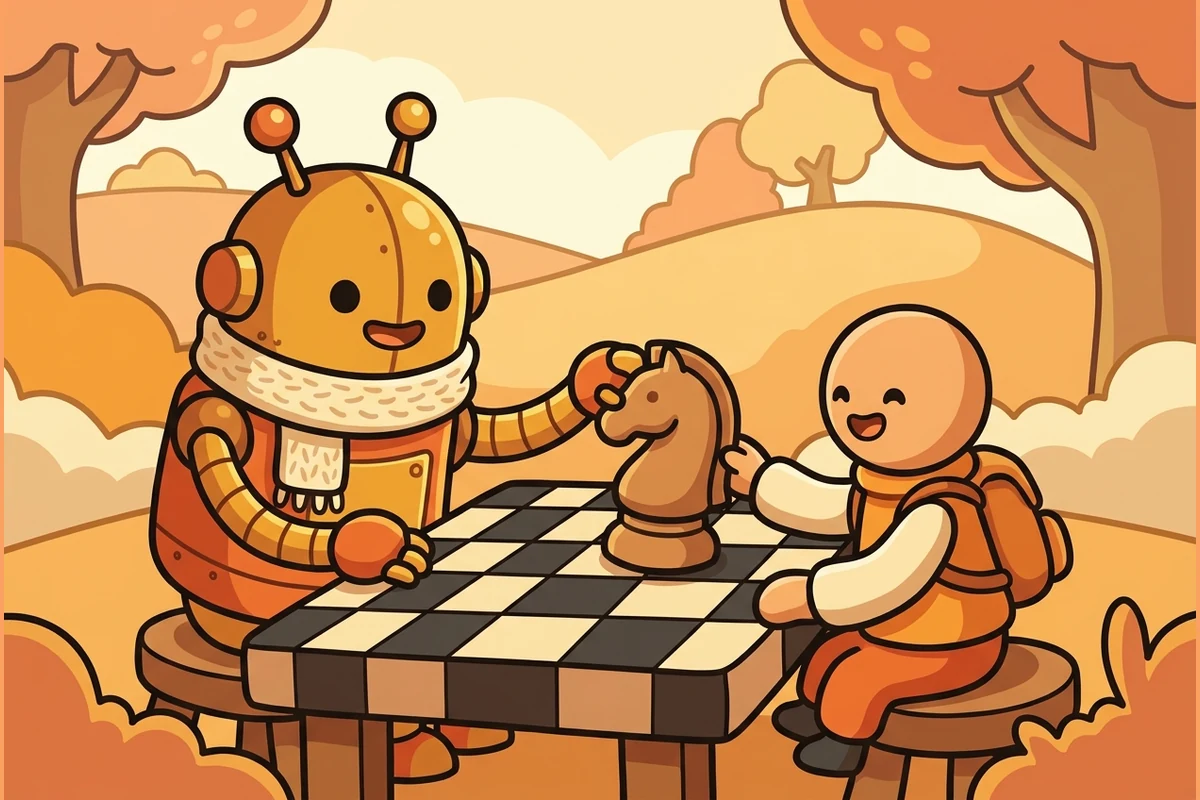 Play a Bot Play a bot that moves like a real person at your level.
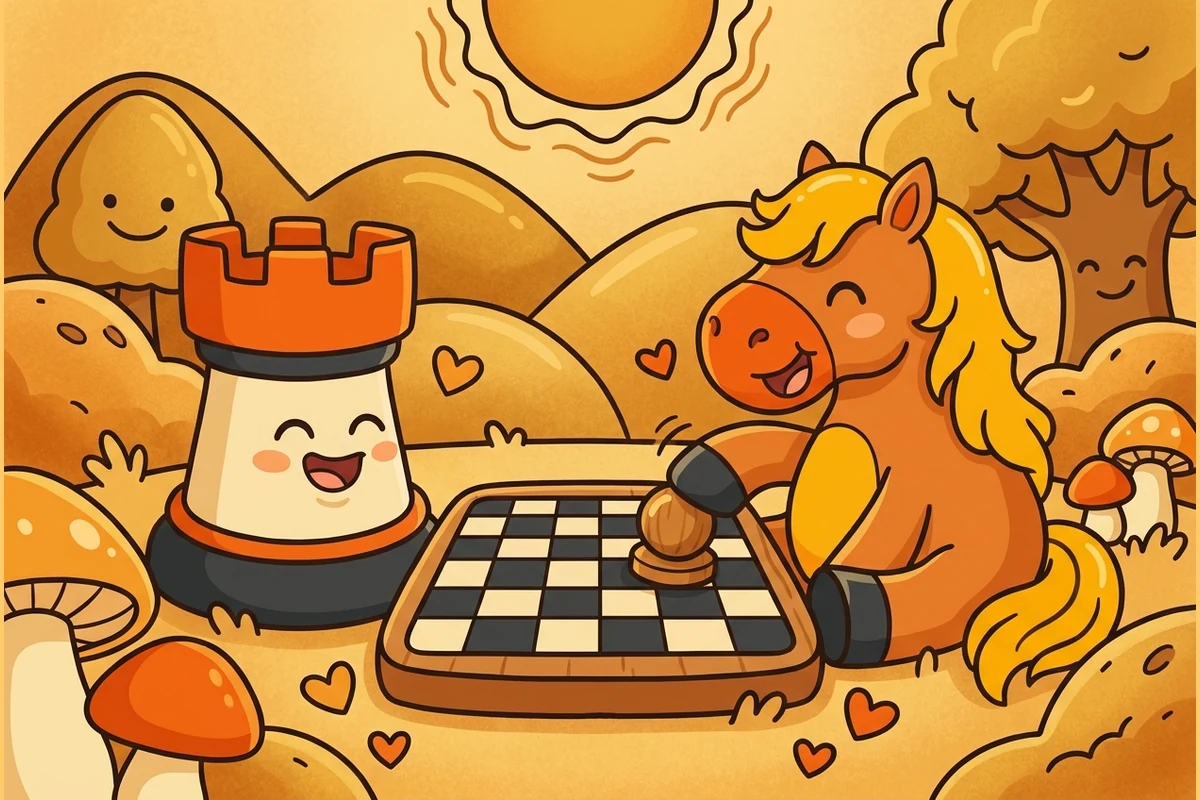 Play a Friend Share a room code and play a friend online.
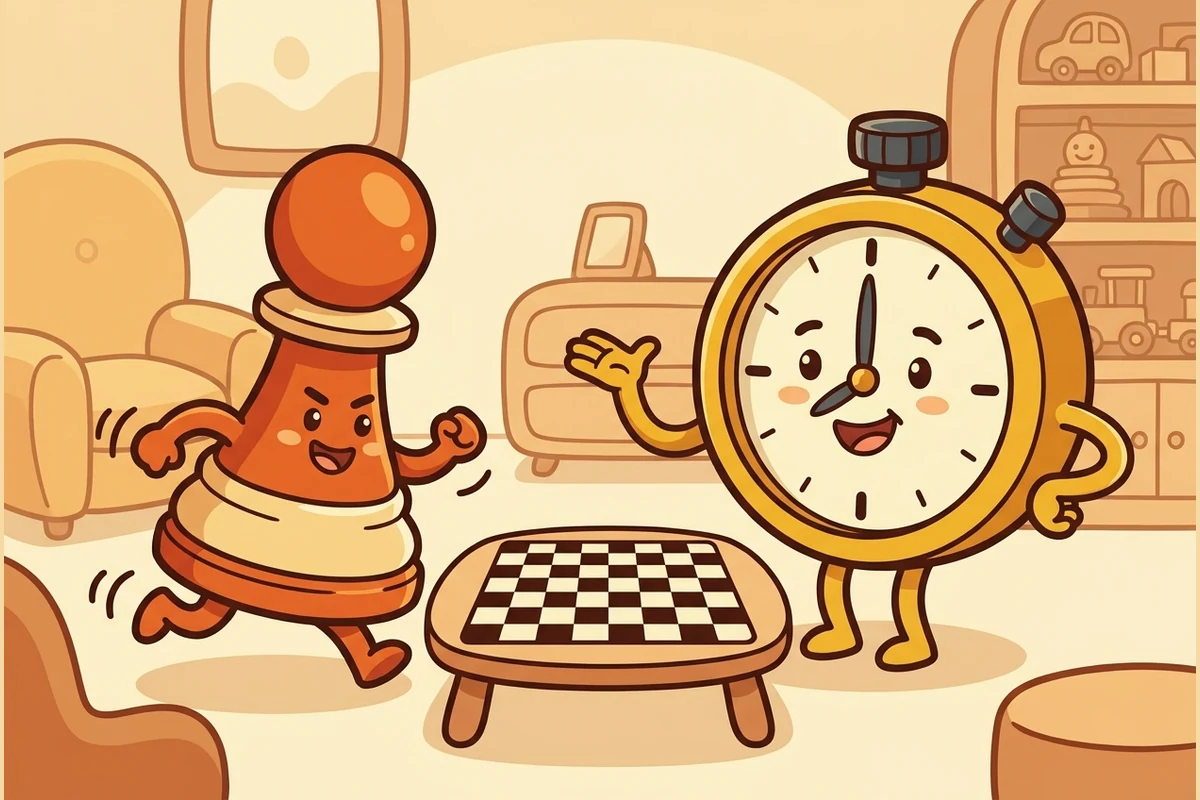 Tactics Rush Solve as many as you can in 90 seconds.
All activities
All activities
Solve tactics
Tactics Trainer Name the tactic, then play the winning move on a real board. A hint appears when you get stuck. Tactic Motifsnew Eight advanced motifs beyond the six core tactics — each taught by the character who lives by it. Pattern Detective Quick-fire: read a position and spot which of the six tactics wins. Build your pattern sense. Tactics Rushnew Solve as many tactics as you can in 90 seconds — they get harder as you go. Beat your best. Puzzle of the Day One fresh tactical puzzle every day — the same one for everyone, no account needed. Basic Checkmatesnew Drive the lone king to the edge and mate it — Queen, the two-rook ladder, and Rook. Solitaire Chessnew Clear the board! Every move must capture — chain your captures down to a single piece. Pure calculation, no opponent, no clock.
Sharpen your board sense
Sir Pinwell's Kingdomnew A story campaign: six champions, one per tactic. Meet each one, learn their signature move, then win their duel to be crowned. Program #186 flagship. Grandmaster Trainingnew The full curriculum: sixteen 3-minute training rounds across the rules, tactics, checkmates, openings, endgames and strategy — each with a memory hook, a joke, and a quick check. Win rounds, climb the rating, earn a certificate. Gem Huntnew Learn how each piece moves — slide the rook, jump the knight, step the king — by moving it to collect every gem. A movement primer for new players. Board Vision Know the board by heart — square names, colours, and how the pieces see. Quick drills. Master Gamesnew Guess the move a master played in a famous game — like the Opera Game — then see why it works. Teach the Cast Teach a tactic to a cast member still learning it — teaching it is how you make it stick. Trick Questions Chess brain-teasers with a twist — spot why the obvious-looking answer is a trap.
Play & analyze
Free Play Play a full game against the coach — pick your side and difficulty, then use your tactics. My Games Every game you play against the coach is saved on this device — replay it move by move and get a kind, move-by-move review. Nothing that names you leaves the device. Human Bot Play a bot that moves like a real person at your level — natural games, all on-device. King of the Hill A chess variant: race your king to the four centre squares to win, or win the normal way with checkmate. Three-Check A chess variant: give check three times to win, or win the normal way with checkmate. Racing Kings A chess variant: no pawns and no checks allowed — the first king to race to the 8th rank wins. Horde A chess variant: 36 king-less pawns vs the full army — White checkmates, Black captures every pawn. Antichess A chess variant: captures are forced and you win by losing all your pieces — every instinct flipped. Chess960 A chess variant: the back row is shuffled into one of 960 legal setups — no memorised openings, think from move one. Atomic A chess variant: every capture explodes, taking out the neighbours too — win by blowing up the enemy king. Crazyhouse A chess variant: a piece you capture joins your reserve and can be dropped back onto the board — a relentless, ever-refilling attack. Fog of War A chess variant: you see only your own pieces and where they can go — the rest is hidden in fog. No checks; win by capturing the enemy king. Duck Chess A chess variant with a twist: every turn you move a piece AND then move the duck to any empty square. The duck blocks it and can never be captured. No checks; win by capturing the enemy king. Analysis Board Set up any position and explore the lines with an on-device engine — nothing that names you leaves the device. Review Your Misses The tactics you got wrong come back — spaced so they return just as you’re about to forget them. Gambit Quest A progression trail through every kit — clear each stop of real practice, then move on.
Play a friend
Board Pass & Play Play a real chess game against a friend on one device — two humans take turns, no computer. Play a Friend Share a room code and play a friend online — one game, two devices, no accounts. Gambit Duel 2–4 players take turns on one device — same questions for everyone, highest first-try score wins.
Cast, stories & more
More ways to play
Where this game comes from
Chess
Chess grew out of chaturanga, played in India around the 500s. It travelled to Persia as shatranj, then to the Arab world and Europe. The queen got her long, fast move in Europe around 1475.
One thing to hold: The pattern of pieces most sets use today was designed in England in 1849.
Why it matters: Around 1300 a friar, Jacobus de Cessolis, preached that the board was a picture of a whole town, every piece with a job. William Caxton printed that sermon in English in 1474. It was one of the first books ever printed in English.
What we don’t know: Nobody is sure exactly where or when the very first version was played.
The game’s own words:
A knight on the rim is dim.
Put a knight on the edge, then in the middle. Count its moves each time — what do you notice?Knights before bishops.
Early in a game, which piece usually knows its best square sooner — and why might that be?
Meet the cast — the characters who teach this
-
 Sir Pinwell Pin pattern
-
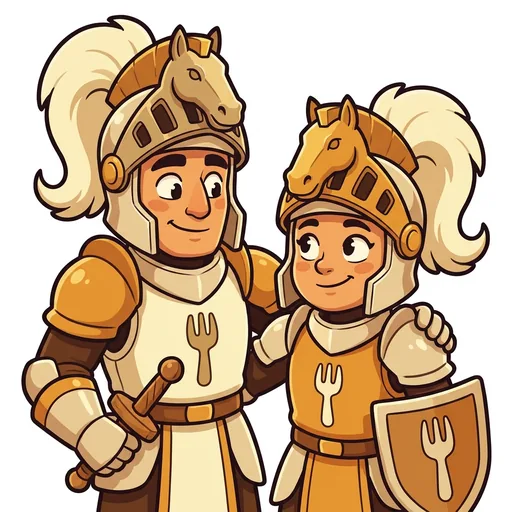 Twin Knights of Fork Hill Fork pattern
-
 Lady Skewer Skewer pattern
-
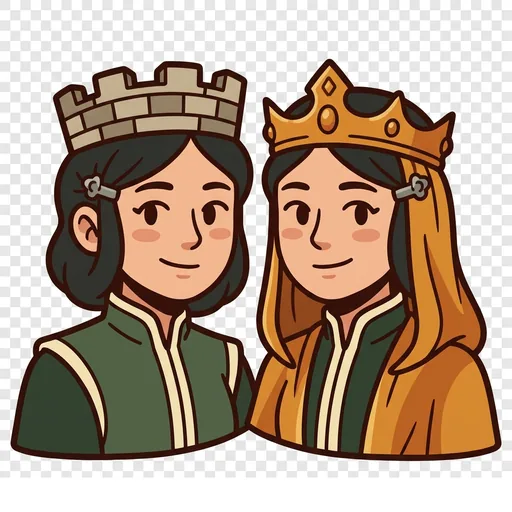 Veil & Vow X-ray attack
-
 Captain Crossfire Discovered attack
-
 The Glass Lantern Double attack
-
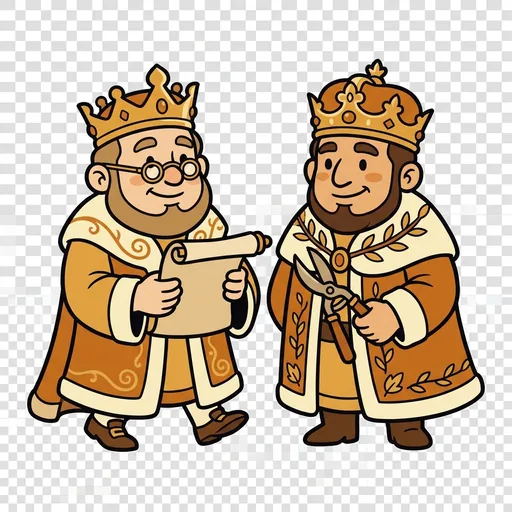 King Pumble & King Sable Two kings
-
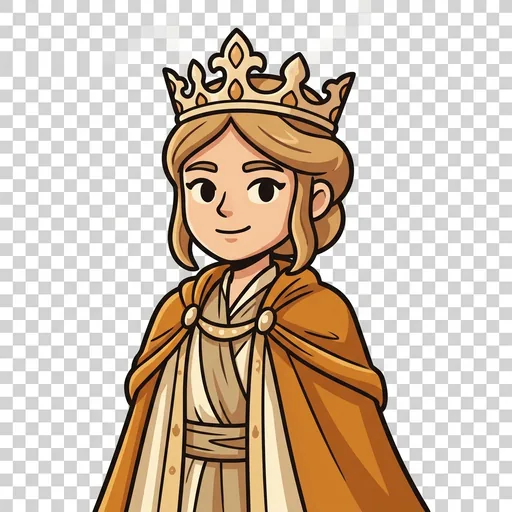 Queen Vesper Queen
-
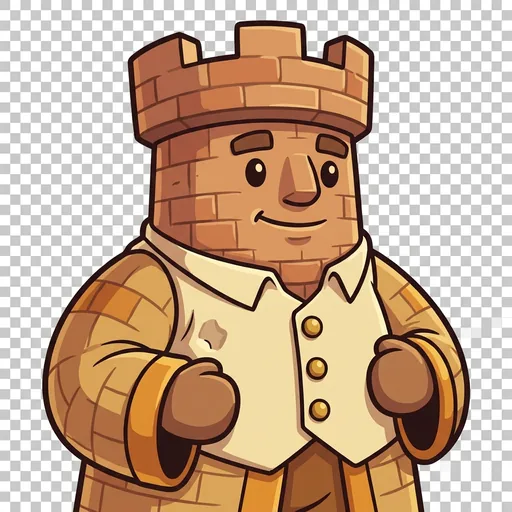 Captain Castle Mentor + narrator — rook archetype; the mascot who introduces the cast + scaffolds the lesson
-
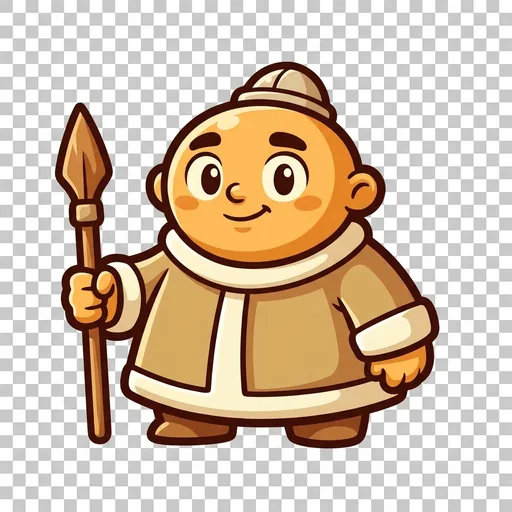 The Pawn Cohort Ensemble piece
-
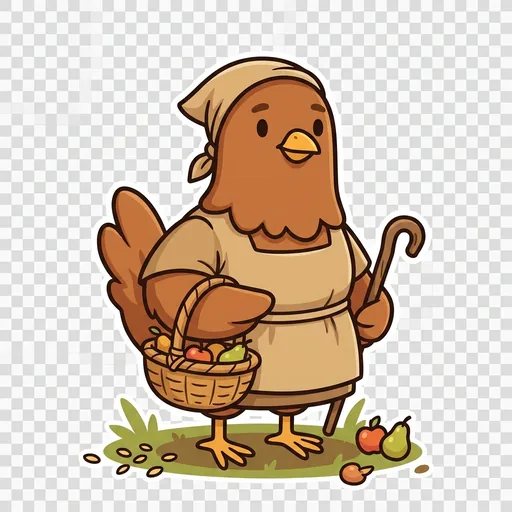 Merle the Gleaner Hanging Piece
-
 Sir Sidetrack Deflection
-
 Warden Snare Trapped Piece
-
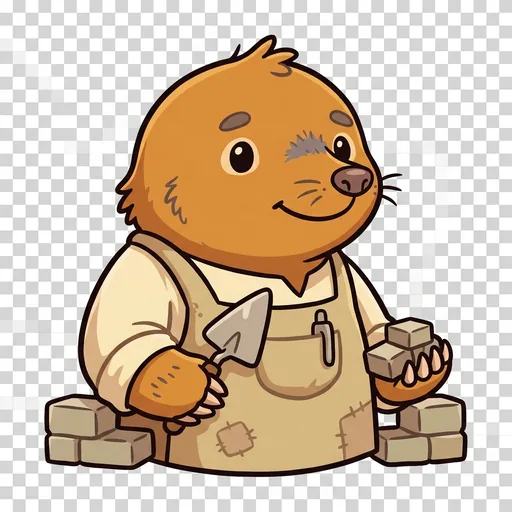 Mason the Interposer Interference
-
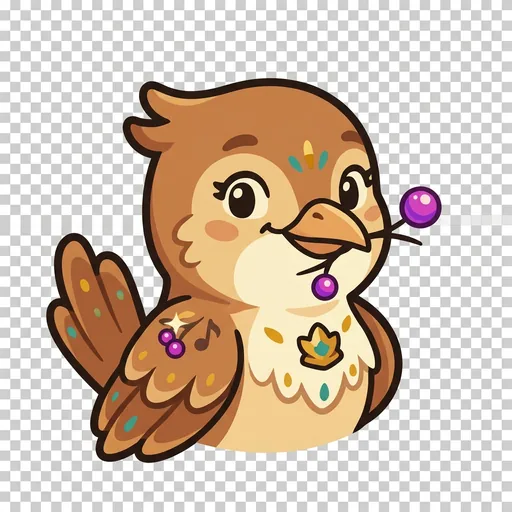 Siren Lyra Attraction
-
 Vale the Wayclearer Clearance
-
 Kester the Finisher Checkmate
-
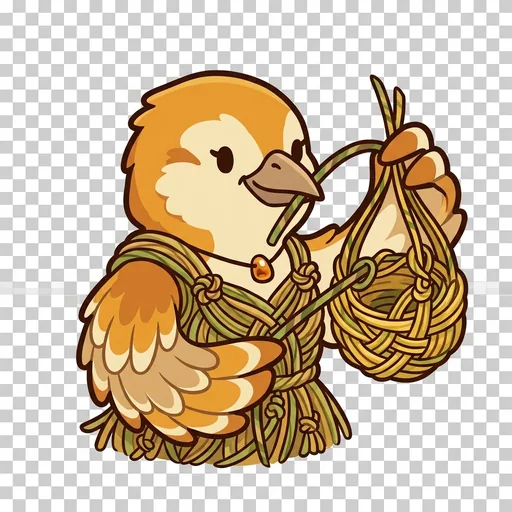 Linnet the Netweaver Checkmate in Two
-
 Baron Tarry King archetype
-
 Dame Bulwark Bishop archetype
-
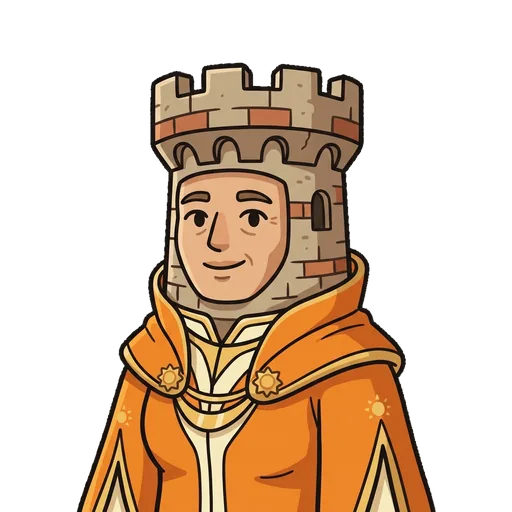 Lady Divert Rook archetype
Ensemble stories — the cast together
What next? Pick a door
- More like this CannonTales Can the cannon leap the screen? StrategyForge What is the winning move here? ShelfForge What move would you play here?
- A bit harder CrownTales Where is the forced-capture shot? PageForge Chess What is the idea in this position? ScanForge What position is in this picture?
- Something different SyntaxForge Which piece completes the program? SaffronLab What will heat do to this food? NumberVerse Where does this number sit on the line?
📚 Books for GambitTales
- Storybook
- Storybook (advanced)
- Volume 1
- Volume 2
- Activity book
- Puzzle book
- Strategy book
- Strategy puzzle workbook
- Flash cards
- Joke book
- Poster