Warden Snare
THE TRAPPED PIECE — a piece with every escape square taken away falls where it stands
Loading audio…
Press play to listen along. The line being read lights up as you go.
Show full transcript
Loading transcript…
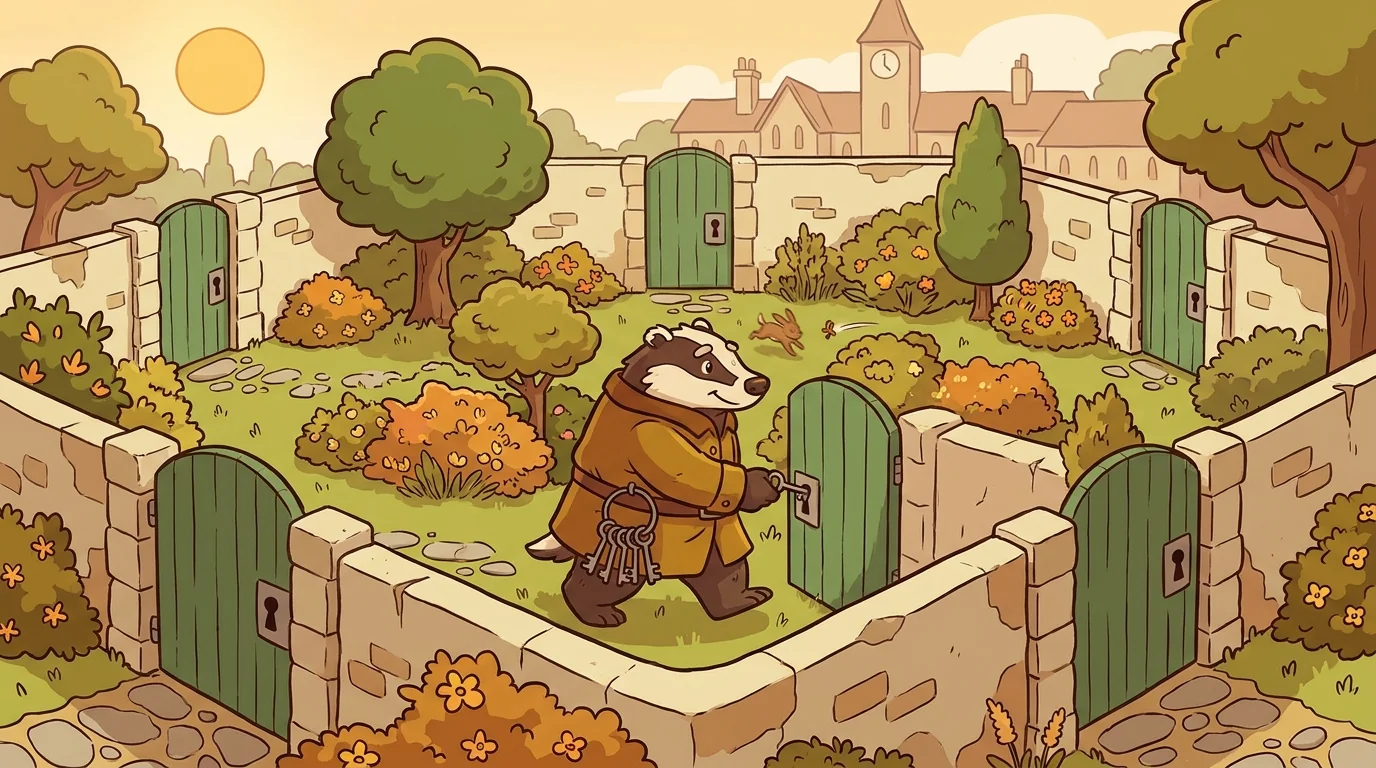
Behind the academy, though this is a later part of the story, there was once a walled garden in the town of Fernwick, and it had four green gates, one in each wall, and a keeper named Warden Snare who knew all four of them the way you know your own four fingers.
Warden Snare was a broad, unhurried badger in a keeper's coat with a great ring of keys at his belt, and every child in Fernwick knew him for one reason: nobody had ever won the garden game against him. The garden game was a gentle sort of tag. A runner started in the middle of the garden, and the Warden started at one gate, and the runner won by slipping out through any gate before the Warden could tap them. Any of the four gates. The runner was faster. The runner was smaller. The runner had four ways out and the Warden had only two slow legs.
The runner never won.
Because Warden Snare did not chase. Chasing, he had decided long ago, was a young badger's mistake — you cannot catch a swift thing by running after it. Instead, the Warden walked. He walked, unhurried, to the north gate, and he closed it and turned the key. Then he ambled to the east gate, and closed that. The runner would dart and double back and feint, and the Warden would simply keep closing gates, one at a time, until at last there were no gates left open at all — and the runner, breathless in the middle of a garden with four locked walls, would stand quite still, because there was suddenly nowhere left to run to.
Then the Warden would walk over, at his own pace, and tap them, gently, on the shoulder. "Caught," he would say, kindly. And the runner, who a moment ago had been the faster and cleverer of the two, would laugh, because it was funny, and because it was fair.
Warden Snare had never given this a name. He simply closed the gates.
It would take a hare, of all creatures, to name it.
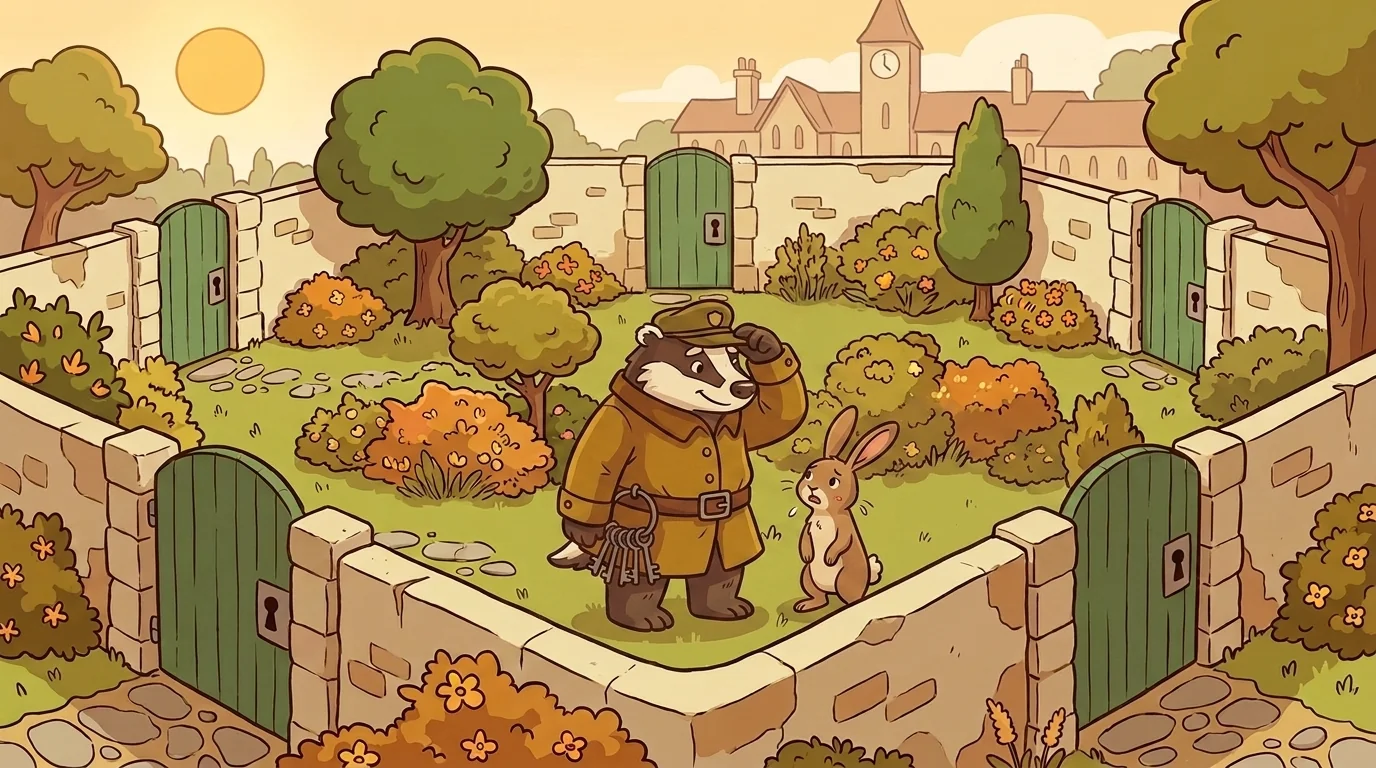
The hare's name was Fleet, and Fleet was the fastest child in Fernwick, and Fleet was certain she would beat the Warden.
She ran the garden game against him on a summer evening and lost it exactly the way everyone lost it. She darted, she jinked, she was a blur of ears and dust — and the Warden simply walked from gate to gate, closing each one, until Fleet skidded to a stop in the middle of the grass with all four walls sealed around her and nowhere at all to be fast toward.
She stood there, panting, staring at the four locked gates.
"You didn't even chase me," she said, when she got her breath. "You never once tried to catch me."
"No," said Warden Snare, ambling over. "I never catch the runner. I only close the doors. When all the doors are shut, the runner catches herself." He tapped her shoulder. "Caught."
Fleet looked around at the walls. Being the fastest had not helped her at all, because speed is only useful when there is somewhere to be fast toward, and there wasn't.
"I'm trapped," she said, wonderingly. "You didn't beat me. You just — took away all the outs. I'm trapped where I'm standing."
Warden Snare touched the brim of his keeper's cap.
"Trapped," he said. "Yes. That is the whole of it. A trapped thing falls where it stands — not because it is weak, but because it has run out of open doors."
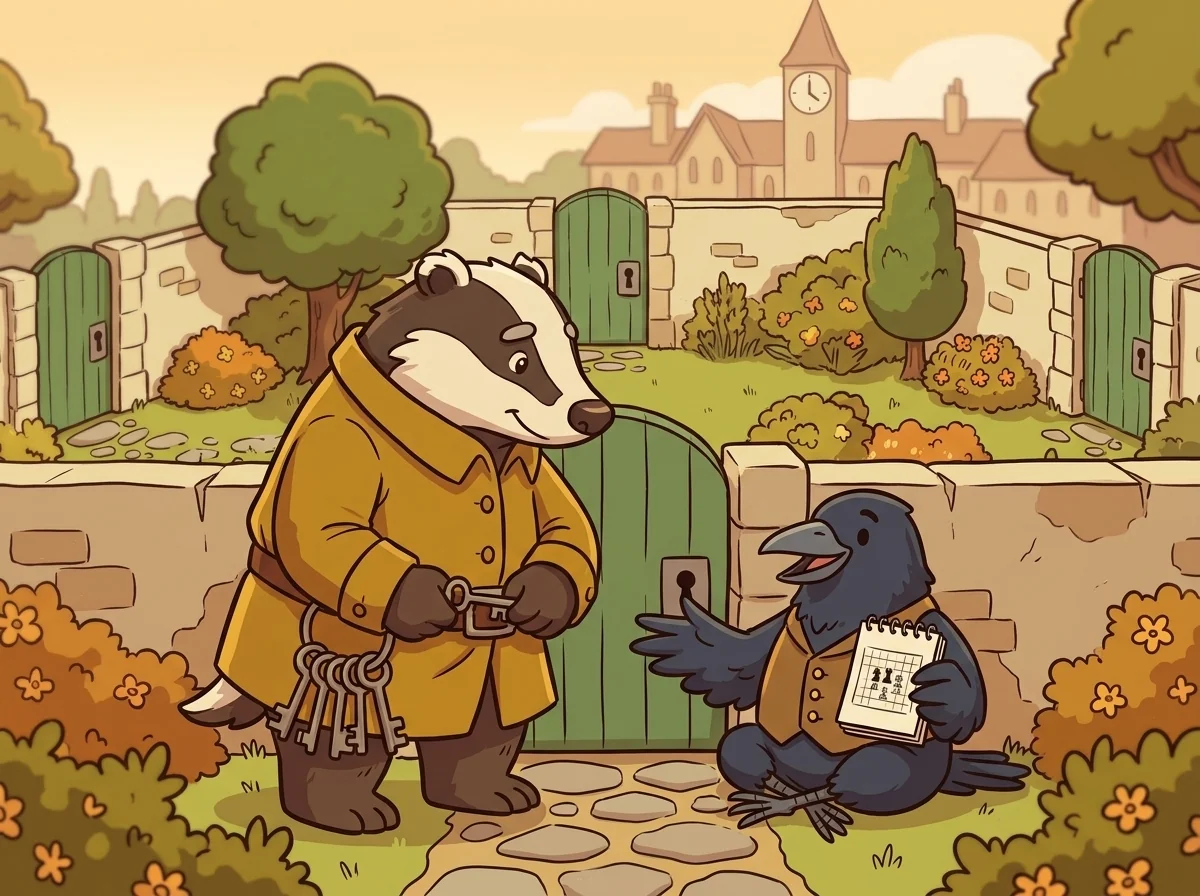
Some seasons later, a chunky cheerful rook in a brass-buttoned waistcoat leaned on the garden wall and watched the Warden close all four gates on yet another confident runner.
Captain Castle introduced himself and said he ran an academy where children learned the game of sixty-four squares, and that his students had a particular blind spot: they respected big, strong enemy pieces so much that they never thought to ask a simple question — where can that big piece actually go?
"They see a great enemy queen or a bold enemy knight," said Captain Castle, "and they assume it is safe because it is strong. They never count its escape squares. And I have long wanted someone who understands that a mighty piece with every exit covered is no better off than a small one."
Warden Snare turned the last key on his belt-ring, thoughtfully.
"I have spent my life," he said, "closing doors one at a time until there are none left open. I daresay a chessboard has doors too."
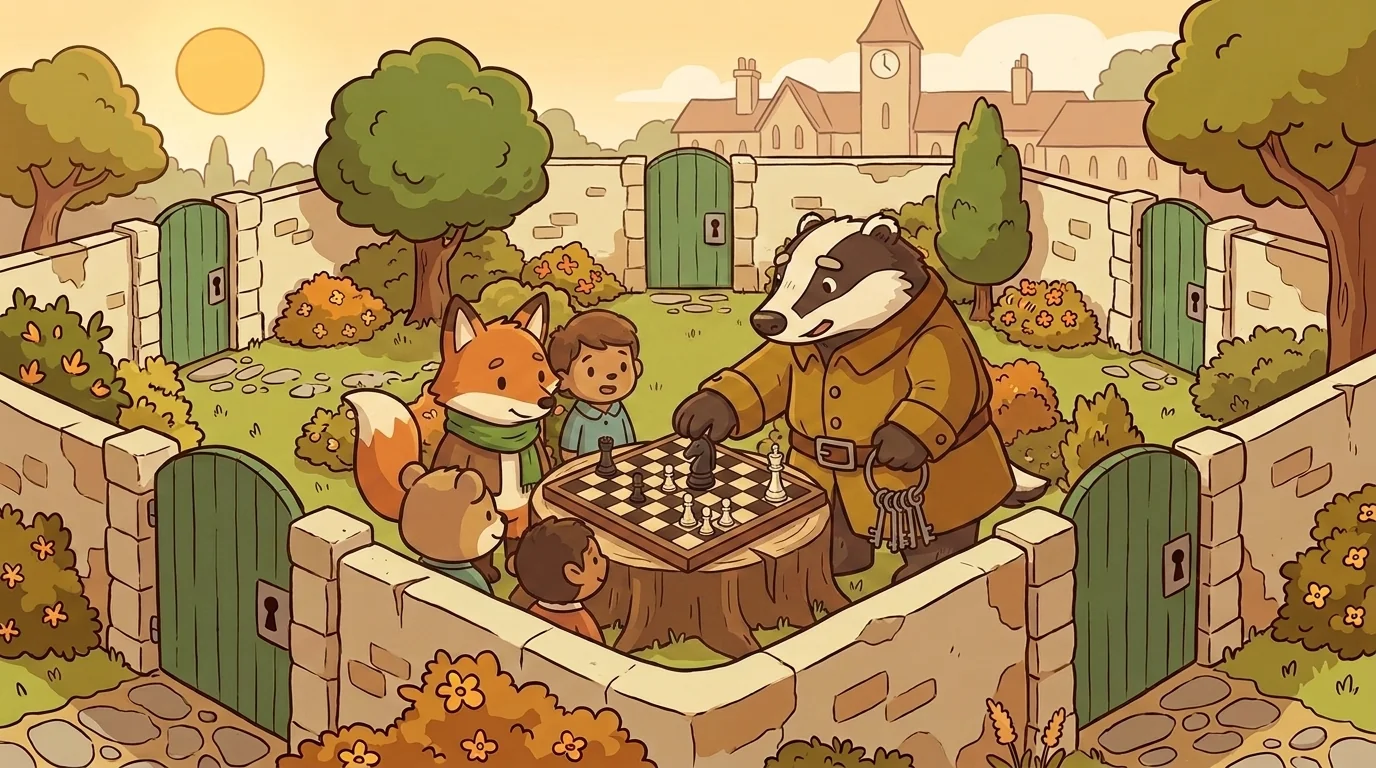
The chessboard, Warden Snare found, was a walled garden with the gates drawn on in dark ink.
He met his first class on a still afternoon. Captain Castle set a position in which a proud black knight had wandered deep into white's half of the board, and the children admired it — it looked dangerous, planted there among their pieces.
"It's so far advanced," said a fox in a green scarf, uneasily. "It's right in our camp."
"It is," said Warden Snare, unbothered. "Now. Let us count its doors." He pointed, slowly, to each square the knight could jump to. "It could go here — but our pawn covers that square. It could go here — but our bishop watches that one. Here — our own pawn is already standing there. And here —" he moved a single pawn forward one step — "there. That was its last open door, and I have just closed it."
The children counted again. Every square the knight could reach was either blocked or guarded. The proud, deep, dangerous knight had nowhere to go.
"So now," said Warden Snare, "we walk over — no hurry — and take it. It cannot flee. It has run out of doors. A strong piece with no safe square," he said, tapping the knight off the board as gently as he tapped a runner's shoulder, "falls exactly where it stands."
The fox in the green scarf wrote count its doors before you fear it in her notebook. Captain Castle, at the wall, smiled.
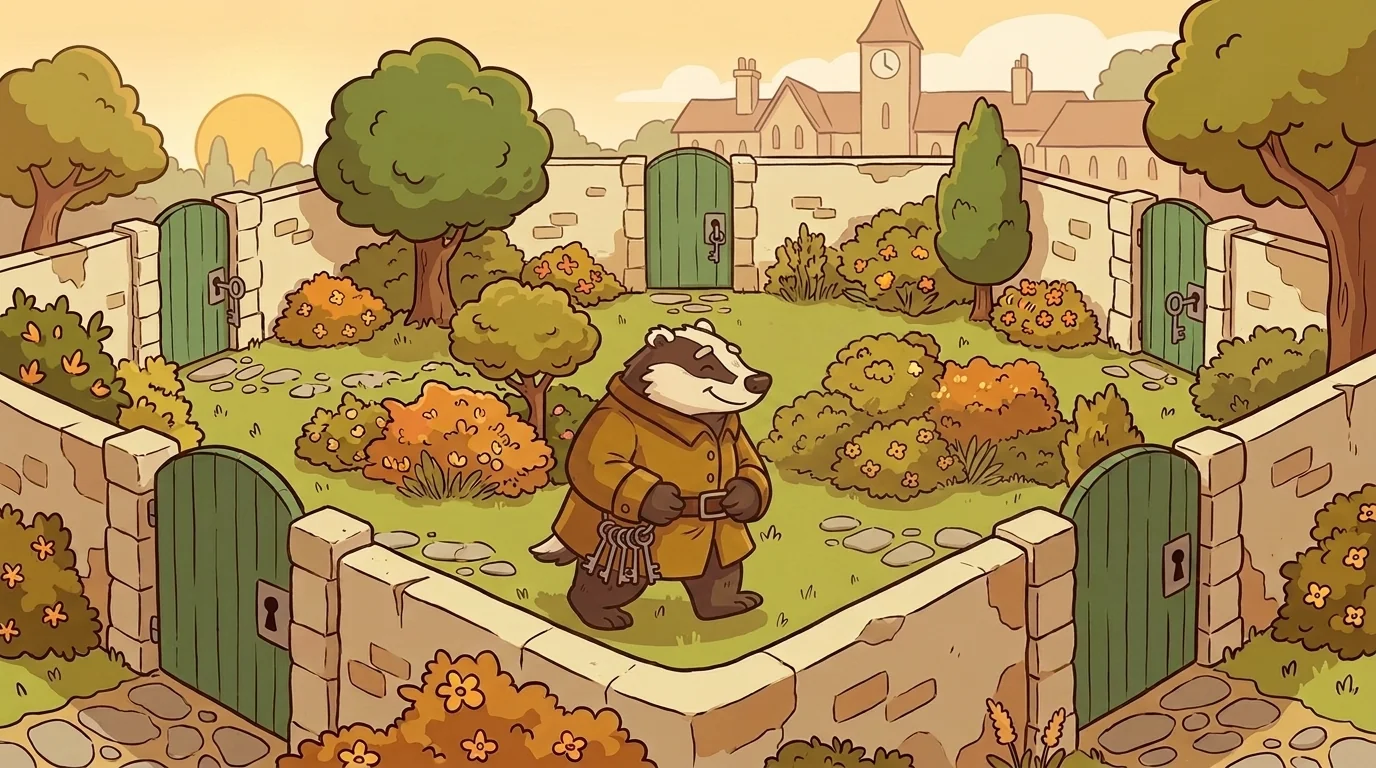
He still keeps a ring of keys, out of habit, though the board has no gates you can turn.
But when the lessons end and the children have gone home, Warden Snare walks the folded board slowly, the way he walks his garden at dusk — not looking at how strong the pieces are, but at how many open doors each one has left.
Sometimes the fox with the notebook stays behind, and asks, "Why so slow, Warden? Why not rush the strong piece down?"
And he will rest his broad paws on his keys, and consider, and say:
"You cannot catch a strong piece by chasing it — it is faster and prouder than you. So do not chase. Count its escape squares, and take them away one at a time, calmly, until it has none. A great piece with nowhere left to go is not great anymore. It is only stuck. And a stuck thing falls where it stands."
The fox writes it down. Warden Snare watches her, and feels — in a way he would never say plainly — the settled contentment of a keeper at closing time, all his gates locked and all his rows quiet. He closes the board. He walks home, jingling.
The GambitTales ensemble
Warden Snare is part of GambitTales's distributed-narrative cast. Each character embodies a different curricular primitive; together they teach the full subject.
-

Sir Pinwell
Pin pattern — freezes pieces along a line
-

Twin Knights of Fork Hill
Fork pattern — attack two targets at once
-

Lady Skewer
Skewer pattern — force a valuable piece out of the way
-

Veil & Vow
Discovered attack — step aside to reveal a hidden threat
-

Captain Crossfire
Double attack — one move threatens two targets
-

The Glass Lantern
X-ray attack — light pierces through to the piece behind
-

King Pumble & King Sable
Two kings — librarian and gardener; one step at a time
-

Queen Vesper
Queen — ranger-messenger; any direction, any distance
-

Captain Castle
Mentor + narrator — rook archetype; the mascot who introduces the cast + scaffolds the lesson
-

The Pawn Cohort
Ensemble piece — the four pawn-paired sets (Pawn Patrol + Sienna & Bran + Trotter & Trundle + Gable & Garrett) acting as one in the world layer
-
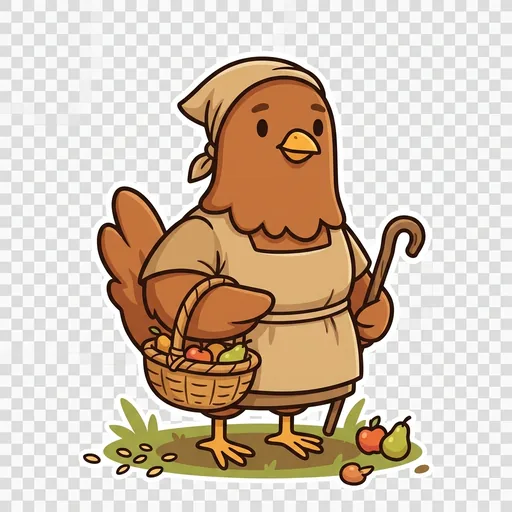
Merle the Gleaner
Hanging Piece — a piece with no defender is a free piece
-

Sir Sidetrack
Deflection — chase the guard off its duty, then take what it protected
-

Mason the Interposer
Interference — cut the line between a defender and its charge
-

Siren Lyra
Attraction — lure a piece onto the square where your next move wins it
-

Vale the Wayclearer
Clearance — move your own piece off the line so the power behind lands
-

Kester the Finisher
Checkmate — a check the king cannot escape, block, or capture
-
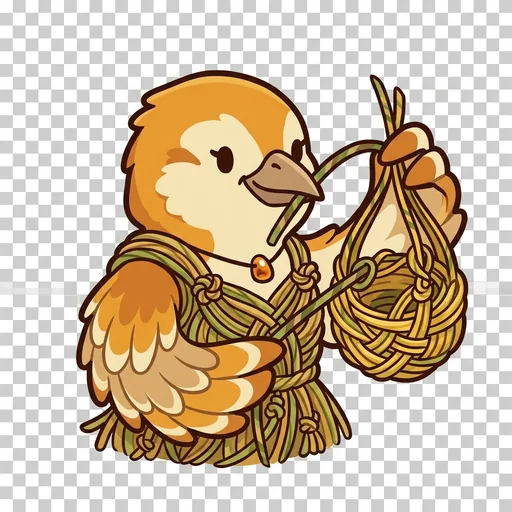
Linnet the Netweaver
Checkmate in Two — the first move forces the reply, the second springs the mate