
Anna Gram
ANAGRAM / LETTER MANIPULATION — take the exact same set of letters and rearrange them into a different word (LISTEN becomes SILENT); the letters don't change, only their order does, and the order changes everything
Loading audio…
Press play to listen along. The line being read lights up as you go.
Show full transcript
Loading transcript…
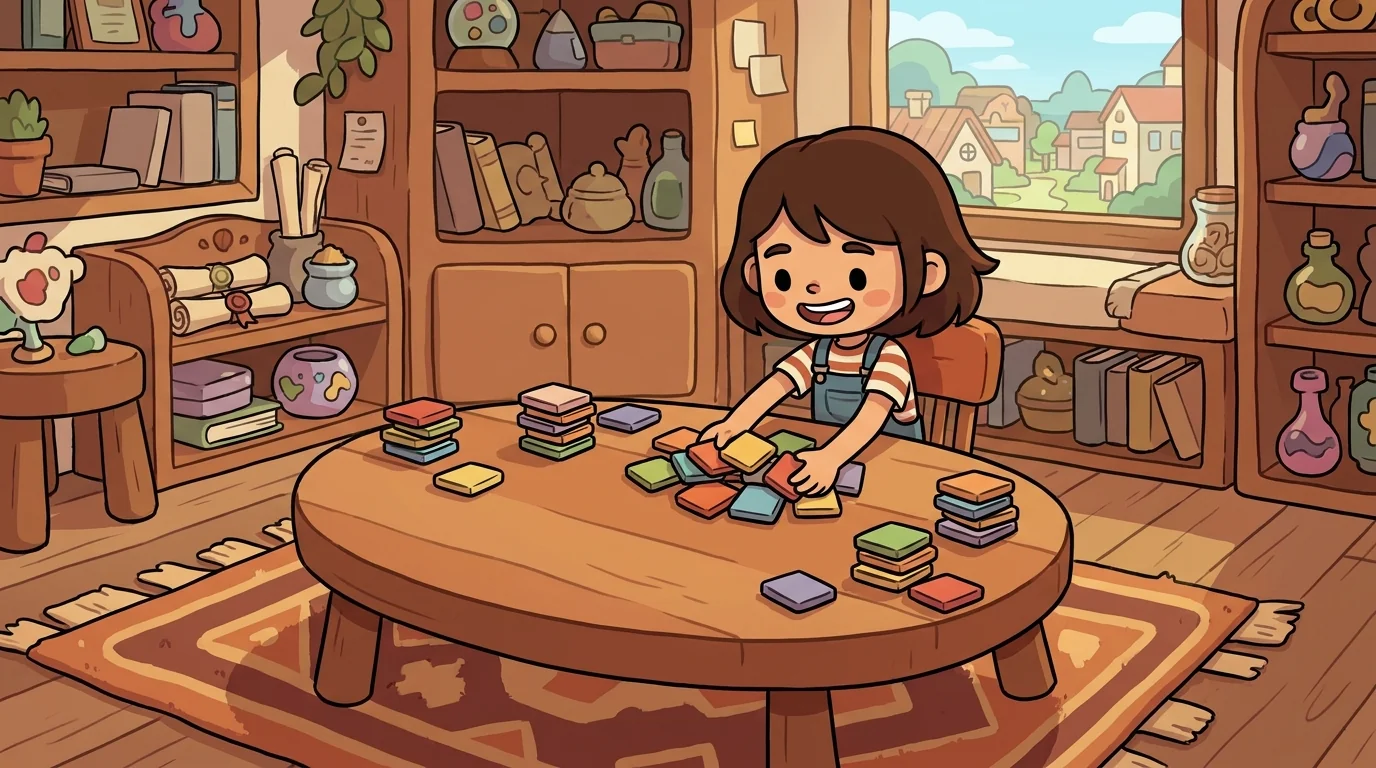
Anna Gram never asked for new letters. She had a rule she repeated like a charm: everything I need is already in my hand; I just have it in the wrong order.
"An anagram is the gentlest magic in the language," she told the solvers. "Take LISTEN — six letters. Don't add one. Don't drop one. Just move them, and you get SILENT. Same six letters, a completely different word, a completely different meaning. Nothing arrived and nothing left. Only the order changed, and the order changed everything."
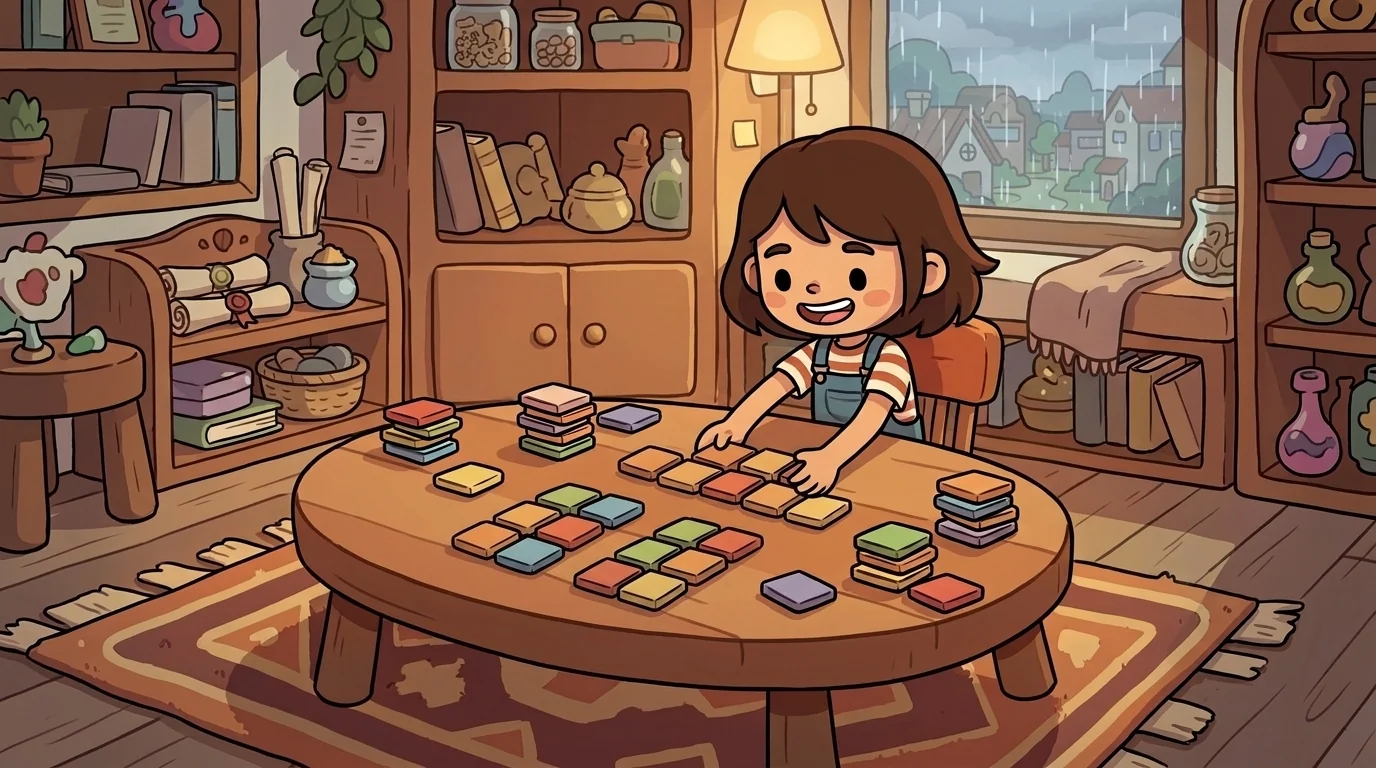
She taught the method, because beginners tried to anagram by staring and hoping.
"Staring is the slow way," she said. "The fast way is to sort first. Take the jumbled letters and put them in alphabetical order — A, E, L, P, P — now you're not looking at a mess, you're looking at an inventory. Two P's. That's rare; it narrows things fast. An A and an E. Now ask what words use exactly these letters. APPLE. You didn't guess APPLE out of the chaos. You organized the chaos until APPLE was almost the only thing left."
The subtext the older solvers caught was that you rarely need more than you have — you need to see what you have clearly, laid out in order, before the answer will show itself.
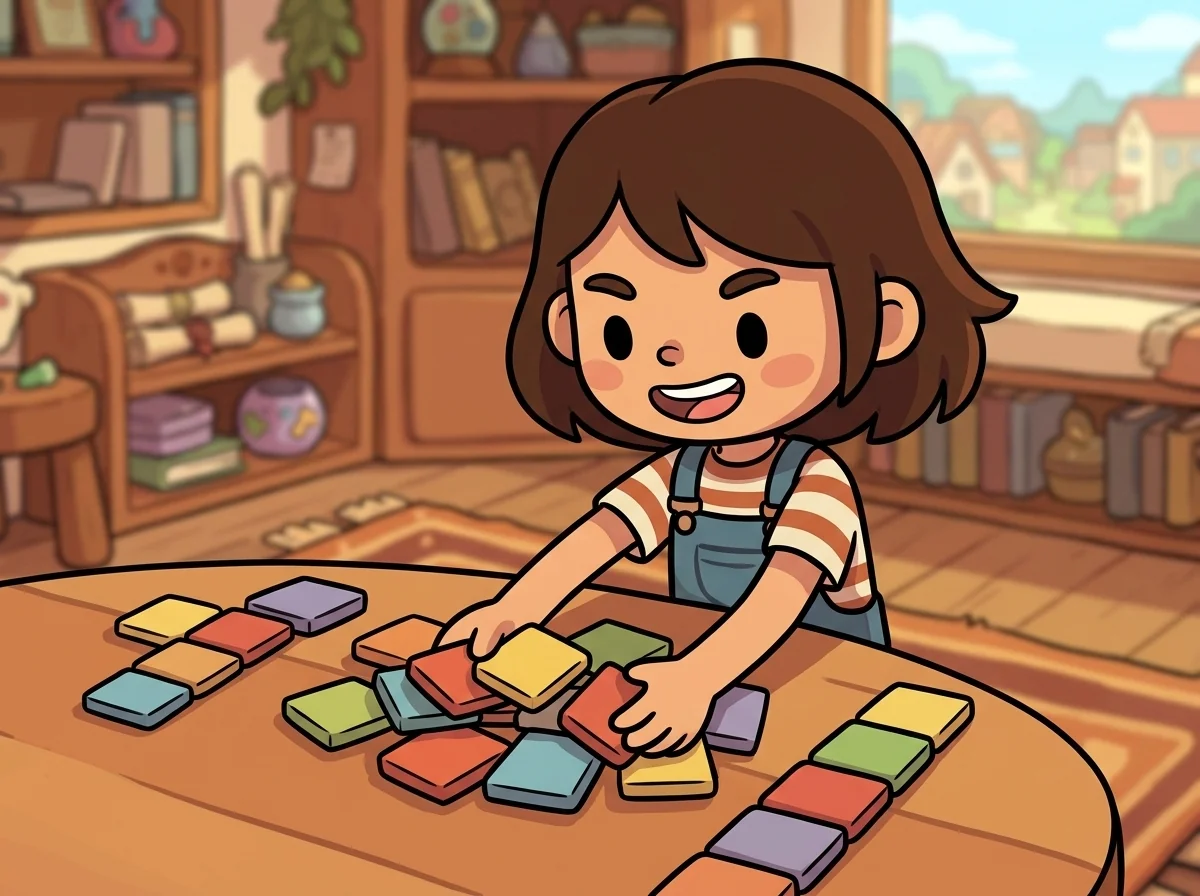
Anna had humbled herself once by forgetting her own rule.
"A jumble of letters had me stuck for an hour," she said. "I was sure I was missing something — I kept wanting one more vowel, a different consonant. Then I sorted them and counted, and everything I needed had been sitting in my hand the whole time. I hadn't been short a letter. I'd been short a system. The moment I stopped wishing for new letters and organized the old ones, the word fell out."
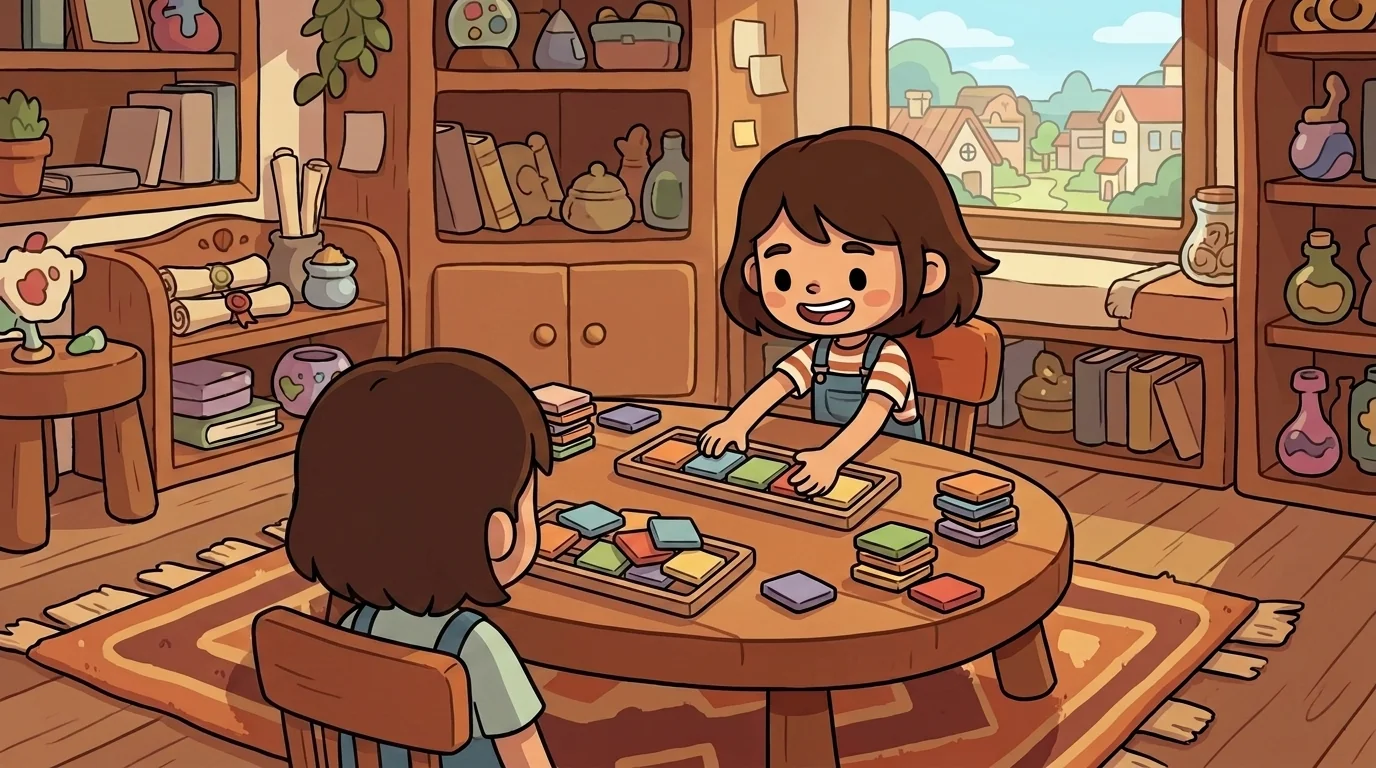
The Host set her a seven-letter jumble that looked hopeless.
"Watch," Anna said. "First, sort — A, E, G, L, N, R, T. Seven letters, one vowel-heavy cluster. Now look for a common ending buried in there. There's an -ING? No, only one N and no I. But there's a T-R-A start, and an -ANGLE feel..." She shuffled the tiles. "TANGLER. RENTAL plus a G. Or —" she slid them once more — "TRIANGLE has an I; we don't have one. GARNET? That's only six. LARGE-N-T... TANGLER." She set it down. "Sorted, counted, and hunted by the pieces I actually had — not the ones I wished for."
The solver blinked. "You never once asked for a different letter."
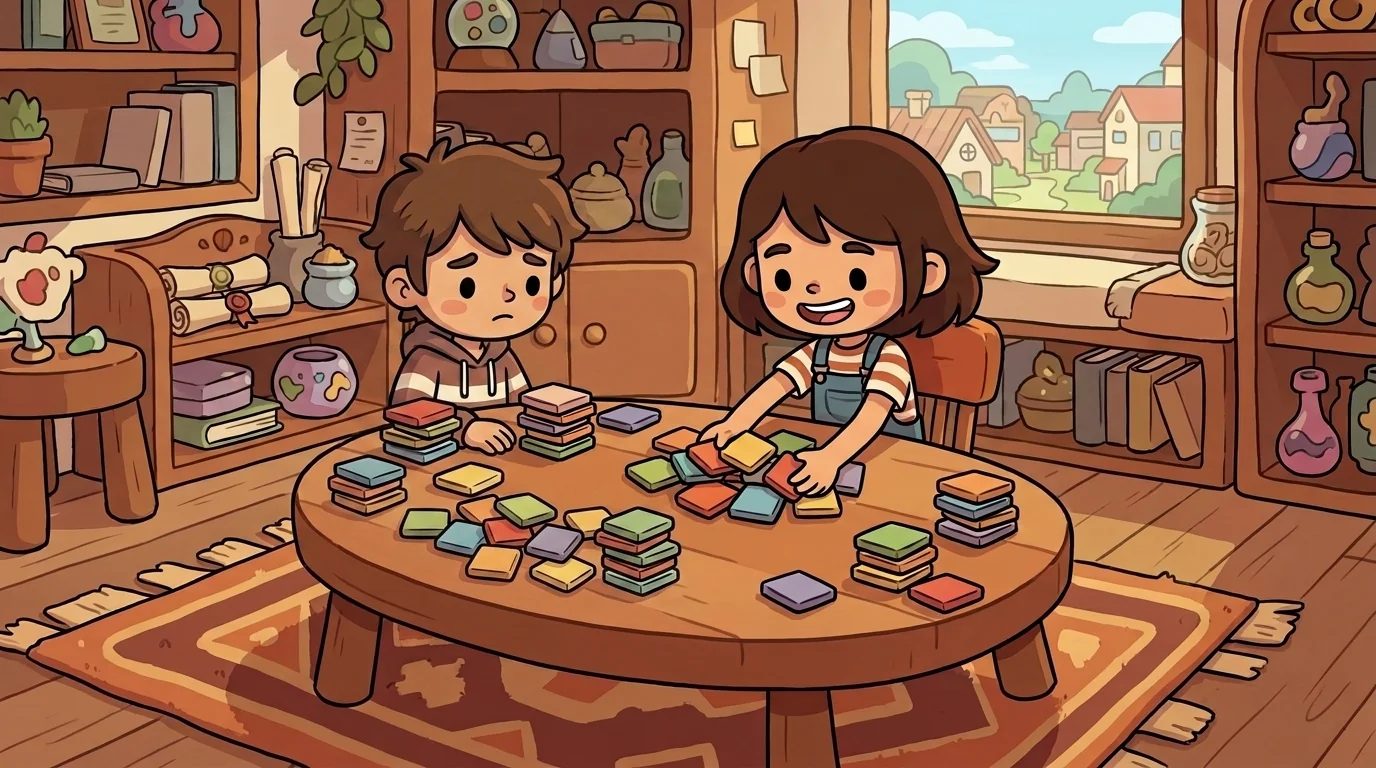
At the end Anna gave them the rule to keep.
"When something feels impossible," she said, "check whether you're actually missing a piece — or just holding your pieces in the wrong order. Sort what you have. Count it. Lay it out where you can see it. More often than you'd believe, the answer was never somewhere else. It was in your hand the whole time, waiting for you to stop hoping and start arranging." She scattered the tiles and reassembled them into a new word, grinning. "Same letters. New world. That's the whole trick — and it's yours already."
The WordForge ensemble
Anna Gram is part of WordForge's distributed-narrative cast. Each character embodies a different curricular primitive; together they teach the full subject.
-
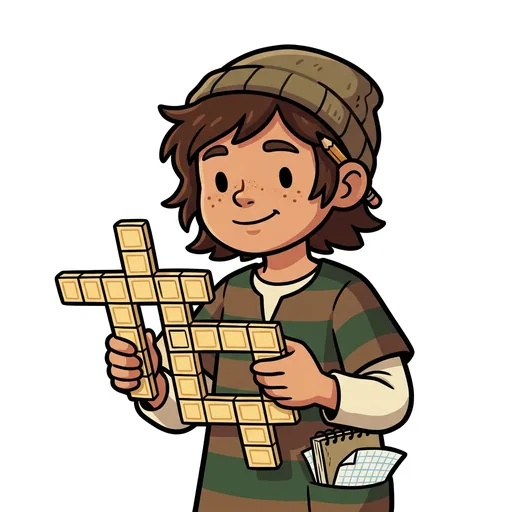
Acrostica
Crossword construction — builds grids where every letter satisfies two crossing words at once
-
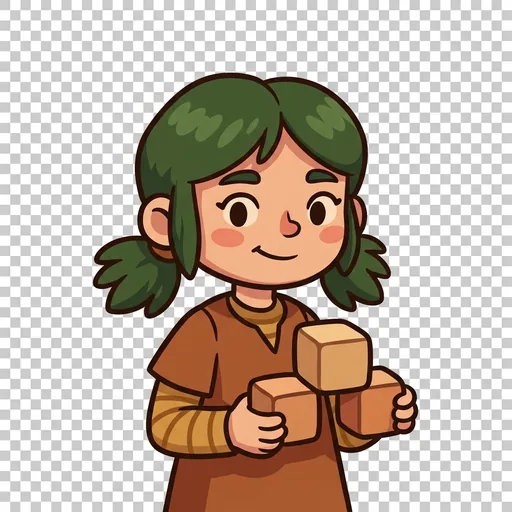
Radicle
Morphology / word-building — bolts a prefix and suffix onto a root to grow new words
-
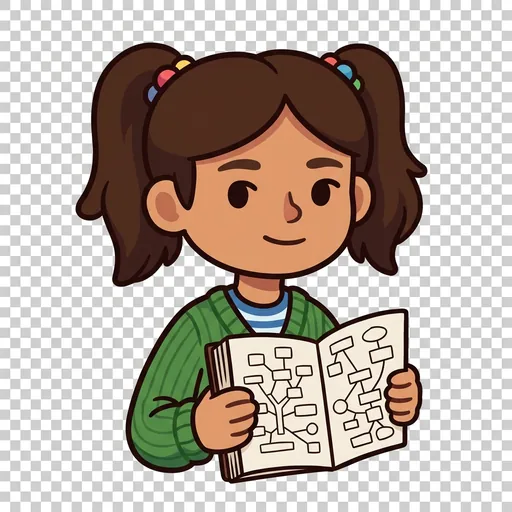
Origo
Etymology / word origins — traces a word back through its ancestor languages
-

Rung
Word ladder — climbs word→word changing exactly one letter per step
-
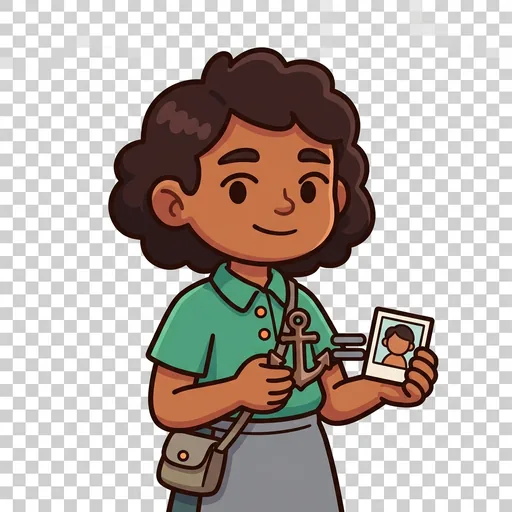
Metaphora
Figurative language — sets two things side by side and says one IS the other
-

Tinge
Nuance / connotation — sorts near-synonyms by their exact shade of feeling
-

Rebus
Double-meaning / cryptic clues — refuses the obvious reading and finds the hidden second one
-
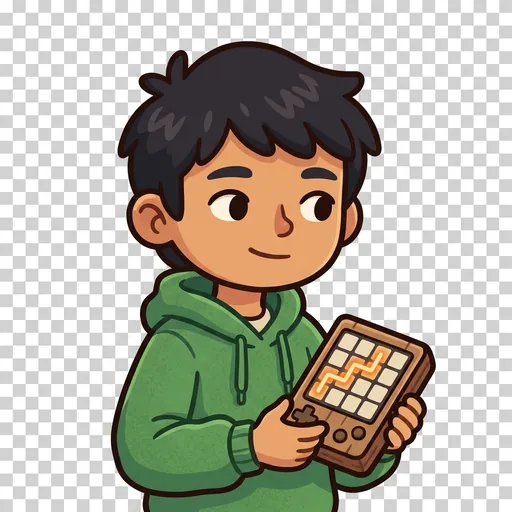
Boggs
Adjacency word-search — traces a path through touching letters to find hidden words
-

Vellum
The arcade keeper (mentor) — introduces each format and normalizes not knowing a word