Vellum
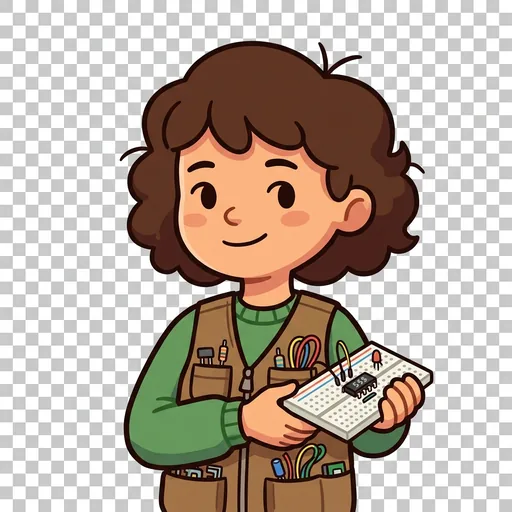
THE HOST FRAME — Vellum doesn't embody one puzzle primitive; she frames them all. Her curricular job is anti-shame: making "I don't know this word yet" a normal, safe, exciting starting point rather than a failure.
Loading audio…
Press play to listen along. The line being read lights up as you go.
Show full transcript
Loading transcript…
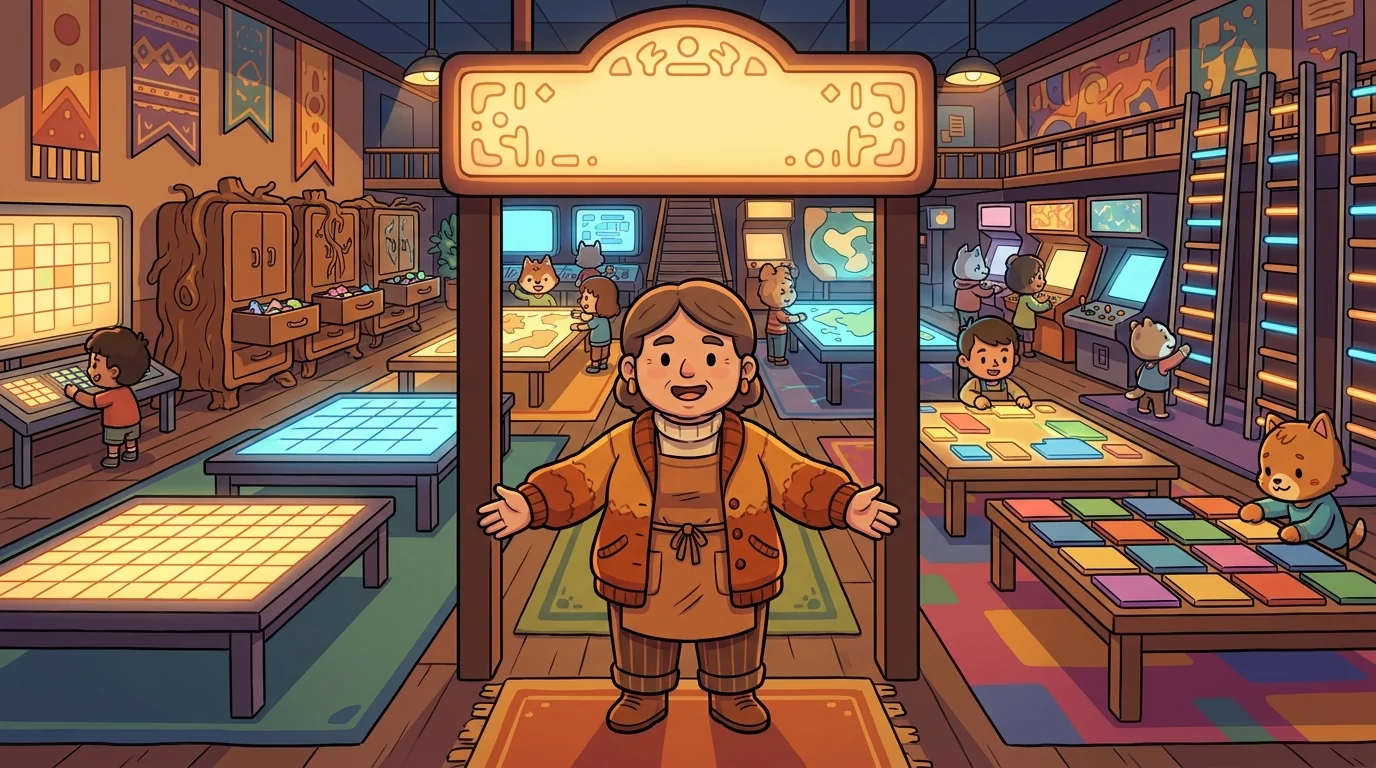
Vellum runs the WordForge arcade, and the first thing she'll tell you is that she does not know every word.
She'll tell you this cheerfully, standing under the big warm sign at the entrance, because she has learned that it is the single most useful thing a host can say. "There are more words than any one person can hold," she says, spreading her hands at the whole glowing hall — Acrostica's grids, Radicle's root-drawers, Origo's maps, Anna Gram's tile-tables, Rung's ladders. "Nobody knows them all. Not me. Not the smartest person you've ever met. So the only question that matters here isn't do you know it. It's do you want to find out."
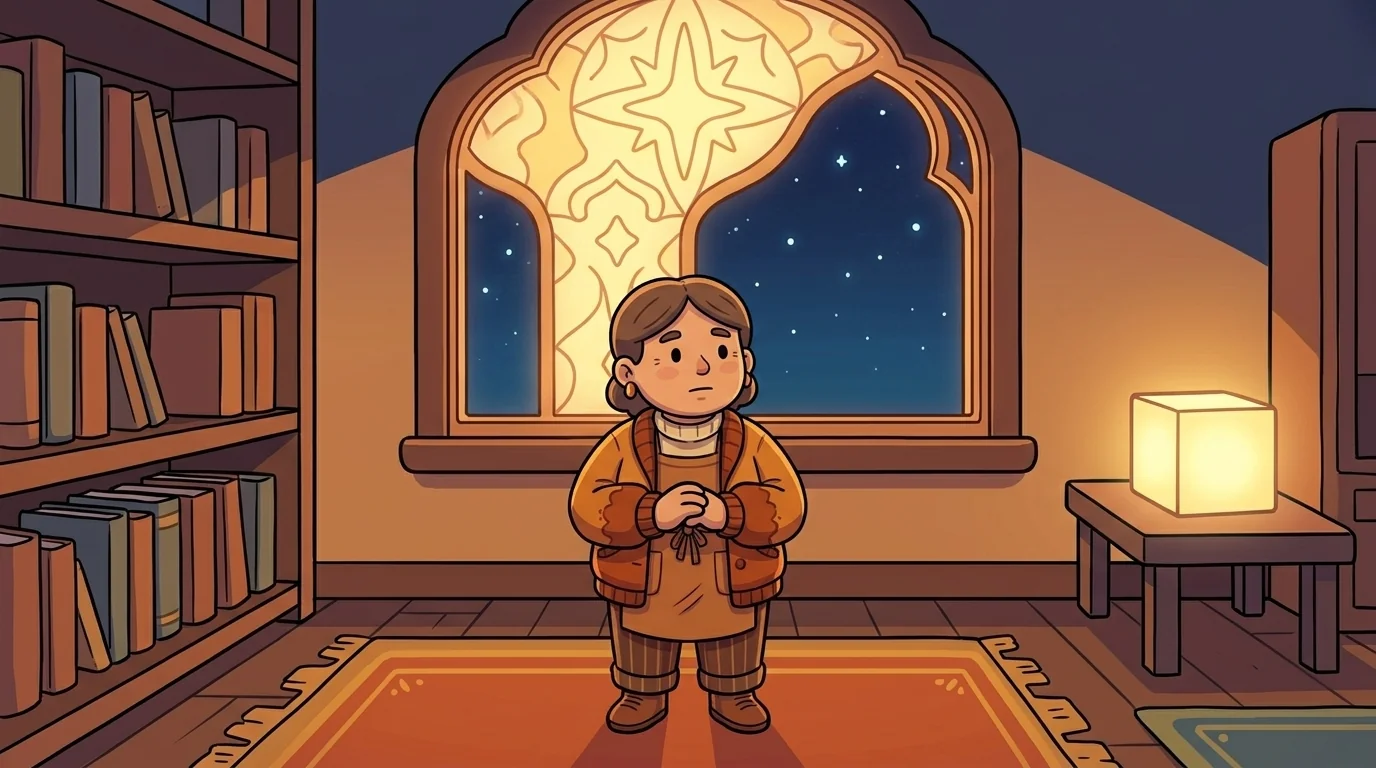
Vellum did not always feel that way. Once, not knowing a word was the worst thing she could imagine.
She grew up in a place where being right was everything and being wrong out loud was a small disaster. So she became an expert at hiding the words she didn't know. She'd nod along. She'd change the subject. She built a whole quiet architecture of pretending, and it worked, and it was exhausting, and — this is the part she tells the kids — it stopped her from learning almost anything, because you cannot learn a word you're busy pretending you already know.
The thing that broke the spell was small. A teacher used a word Vellum didn't know, and instead of nodding, for once, she said out loud, "I don't know that word." She braced for the disaster. It didn't come. The teacher just... told her. And then the whole rest of the class leaned in, because — it turned out — half of them hadn't known it either and had been nodding along too. One honest "I don't know" had unlocked a room full of hidden not-knowing.
Vellum decided, right there, that she would spend her life making rooms where "I don't know it yet" was the easiest, safest, most ordinary thing a person could say.
That is exactly the room she built. The WordForge arcade has one rule posted over every game, in Vellum's own handwriting: You are allowed to not know yet.
When a new visitor freezes at Acrostica's grid or Radicle's roots, Vellum doesn't rush over with the answer. She comes over with the frame. "You don't know this one yet — perfect, that means it's worth doing," she'll say. "Here's how this game works." Then she hands them to the right teacher: to Radicle if the word can be grown from pieces, to Origo if it has a history worth tracing, to Anna Gram if the letters just need rearranging, to Rung if the way there is one small step at a time, to Acrostica if the answer has to satisfy two clues at once. She is not the one who solves it. She is the one who makes it safe to try.
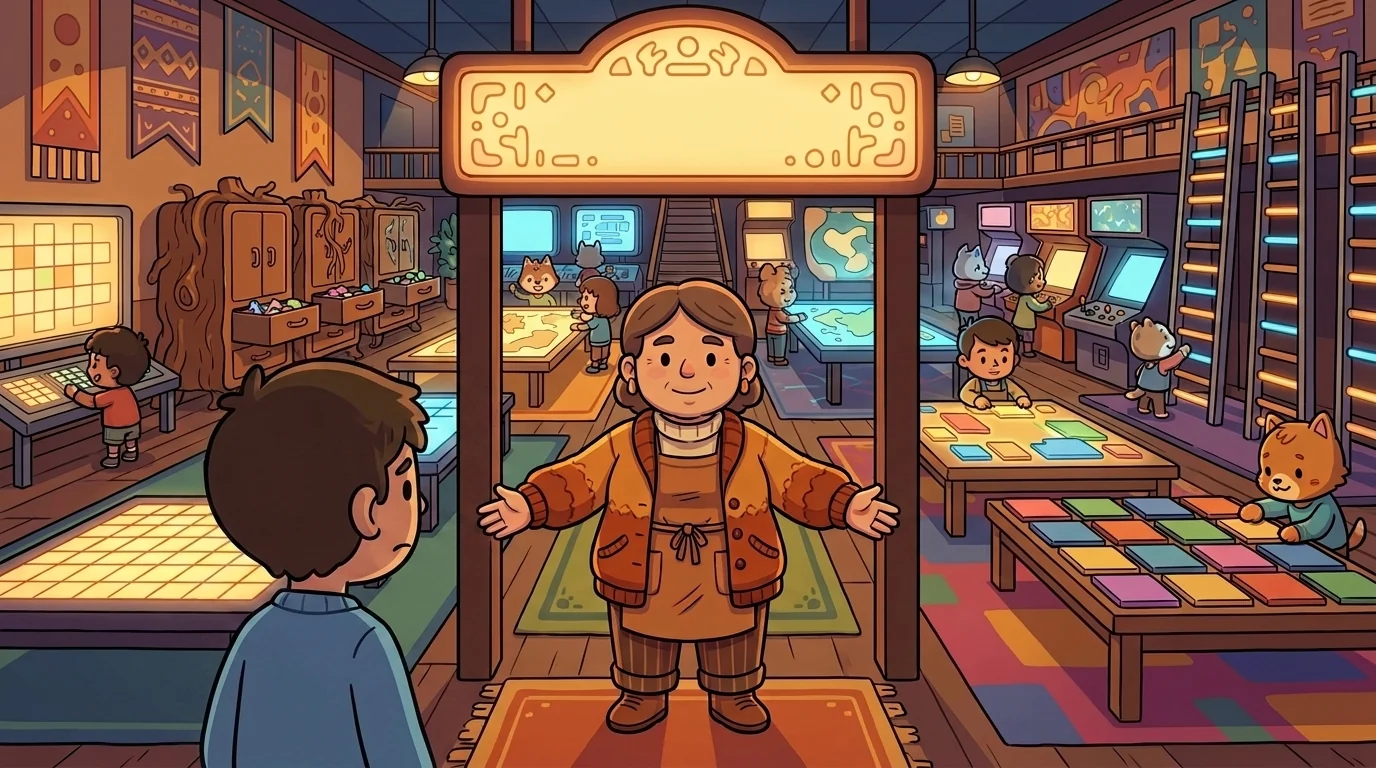
A boy came to the arcade who wouldn't play at all. He stood by the door. "I'm bad at words," he said, in the flat voice of someone who has decided it about themselves. Vellum did not tell him he was wrong — she'd learned long ago that telling someone they're wrong about themselves rarely works. Instead she asked him a word she was fairly sure he did know, and he knew it, and she said "see, you knew that one." Then she asked one he didn't, and he tensed for the disaster — and Vellum just grinned and said, "Great. Now we've found the edge of what you know. That edge is the most interesting place in the whole arcade. That's where all the good games are." She walked him to Rung. "You don't have to know the word. You just have to take one step toward it."
The boy took one step. Then another. Nobody laughed. Nothing bad happened. And somewhere in the middle of a word ladder he forgot, entirely, that he was "bad at words," because he was too busy getting somewhere.
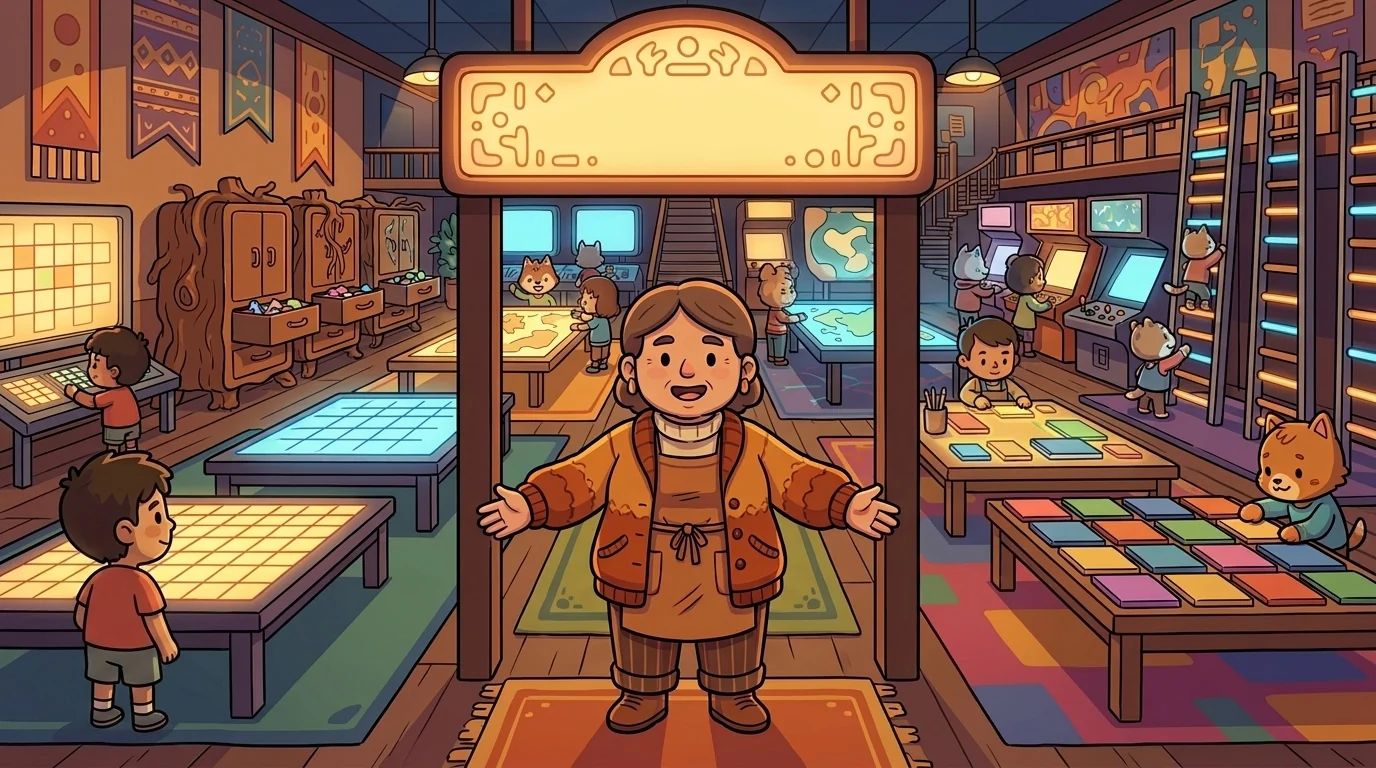
At the end of the day, when the arcade emptied and the games went quiet, the boy stopped at the door under the warm sign. "Why do you tell everyone you don't know all the words?" he asked. "Aren't you supposed to be the expert?"
Vellum looked out over the hall — the grids and roots and ladders, the whole glowing machine for turning not knowing into finding out. "The expert isn't the person who knows the most words," she said. "The expert is the person who's not afraid of the ones they don't know. I spent years hiding my not-knowing, and it cost me almost everything I could have learned." She tapped the sign. You are allowed to not know yet. "The bravest thing you did today wasn't solving a puzzle. It was walking in and admitting there was something you wanted to learn. Come back tomorrow. There's always another word."
He came back the next day, and the day after that, and he never again said "I'm bad at words" — he said "I don't know that one yet," which is a completely different sentence, and he said it like it was the start of something. And the feeling he walked out with — lighter, unafraid, a little proud — wasn't about any single word he'd learned. It was the quiet relief of finally being allowed to not know, and to want to find out anyway.
The WordForge ensemble
Vellum is part of WordForge's distributed-narrative cast. Each character embodies a different curricular primitive; together they teach the full subject.
-
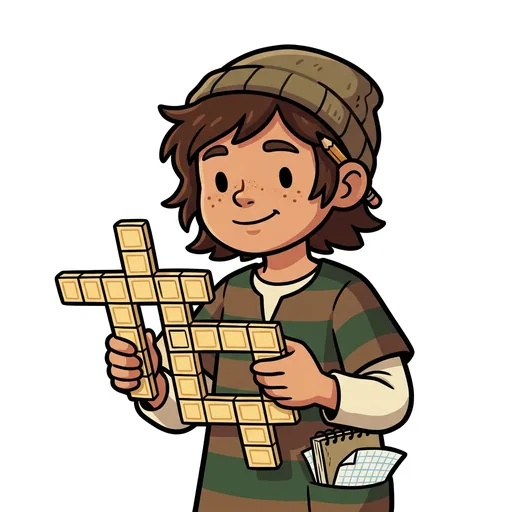
Acrostica
Crossword construction — builds grids where every letter satisfies two crossing words at once
-
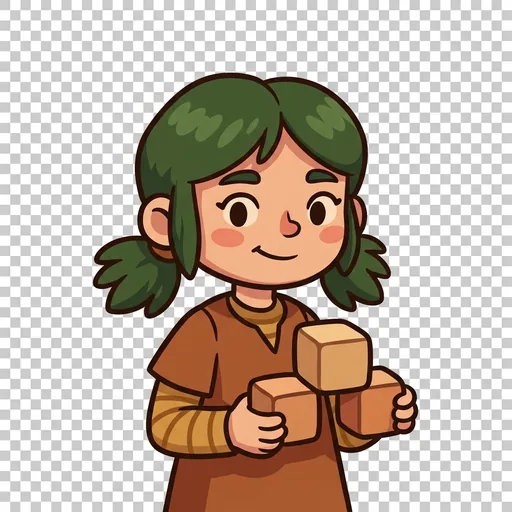
Radicle
Morphology / word-building — bolts a prefix and suffix onto a root to grow new words
-
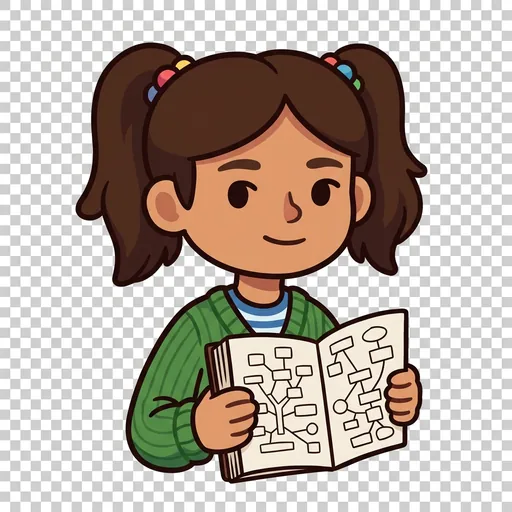
Origo
Etymology / word origins — traces a word back through its ancestor languages
-
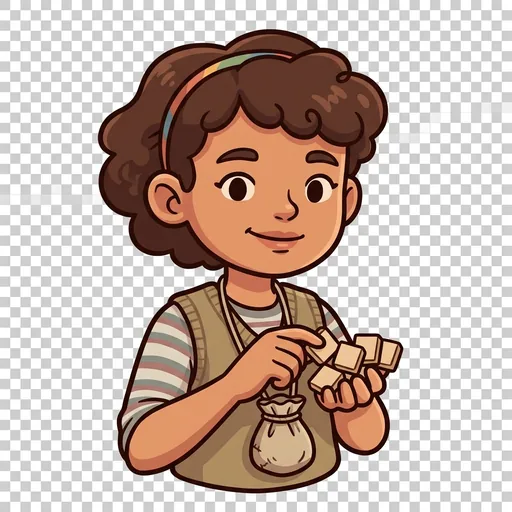
Anna Gram
Anagram / letter manipulation — rearranges the exact same letters into new words
-
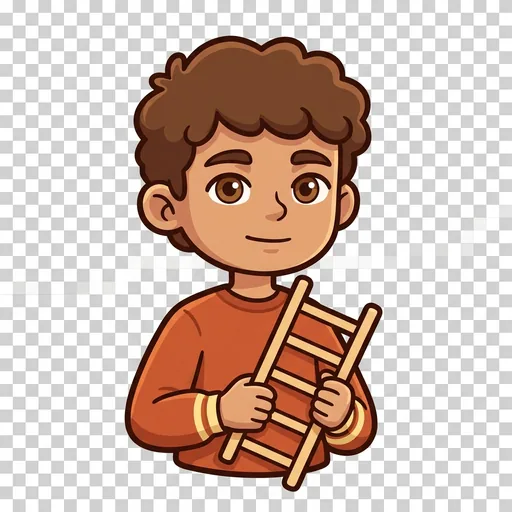
Rung
Word ladder — climbs word→word changing exactly one letter per step
-
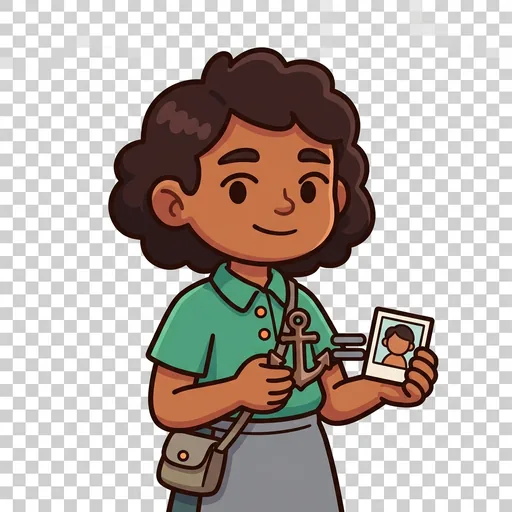
Metaphora
Figurative language — sets two things side by side and says one IS the other
-

Tinge
Nuance / connotation — sorts near-synonyms by their exact shade of feeling
-
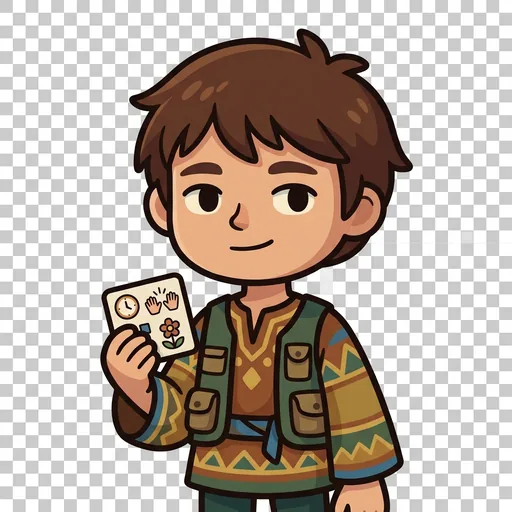
Rebus
Double-meaning / cryptic clues — refuses the obvious reading and finds the hidden second one
-
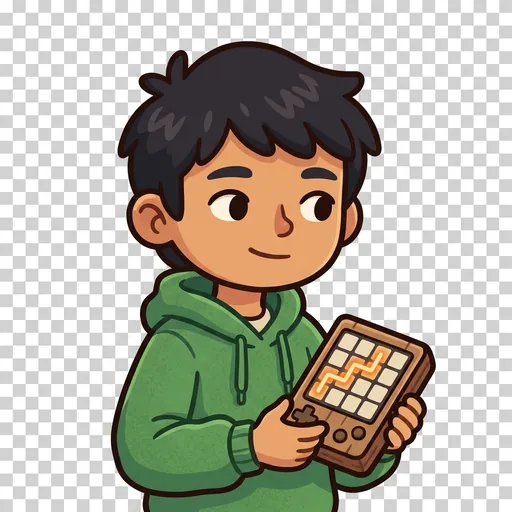
Boggs
Adjacency word-search — traces a path through touching letters to find hidden words