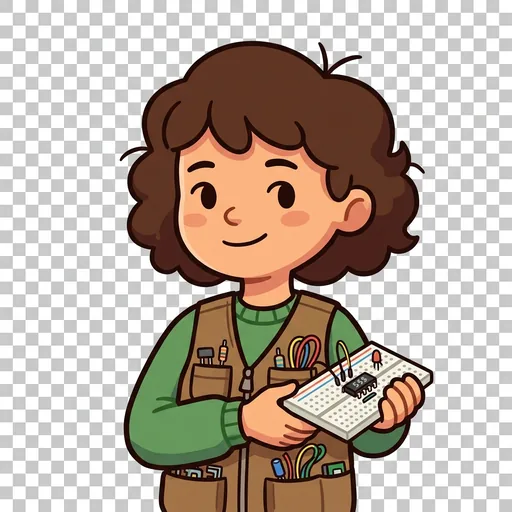
Boggs
ADJACENCY WORD-SEARCH (Boggle / word-search) — words hide inside a grid of letters, spelled by stepping from each letter to a *touching* neighbor. You don't rearrange the letters (that's anagram); you *walk a path* through them. The skill is scanning a jumble and seeing the trails that spell real words.
Loading audio…
Press play to listen along. The line being read lights up as you go.
Show full transcript
Loading transcript…
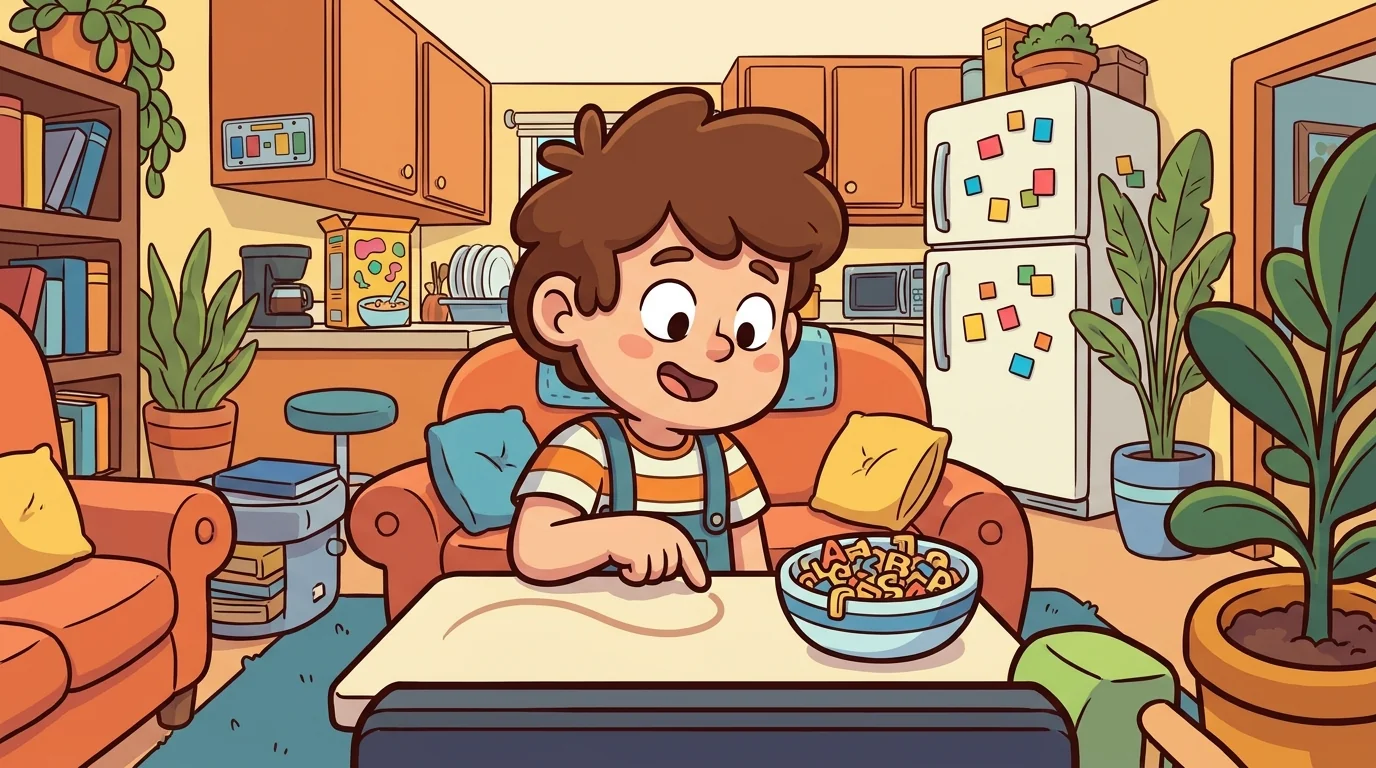
Boggs sees words everywhere, and it is a small, constant, delightful problem.
License plates, cereal boxes, the scattered magnet letters on a fridge — his eyes are always walking, stepping letter to touching letter, tracing little trails that suddenly spell something. He'll be mid-conversation, glance at a bowl of alphabet soup, go quiet, and murmur "...ladder. And dale. And, oh — addled, nice." He isn't rearranging anything. Everything stays exactly where it is. He's just found the path that was already there, waiting, spelled out in letters that happened to be standing next to each other.
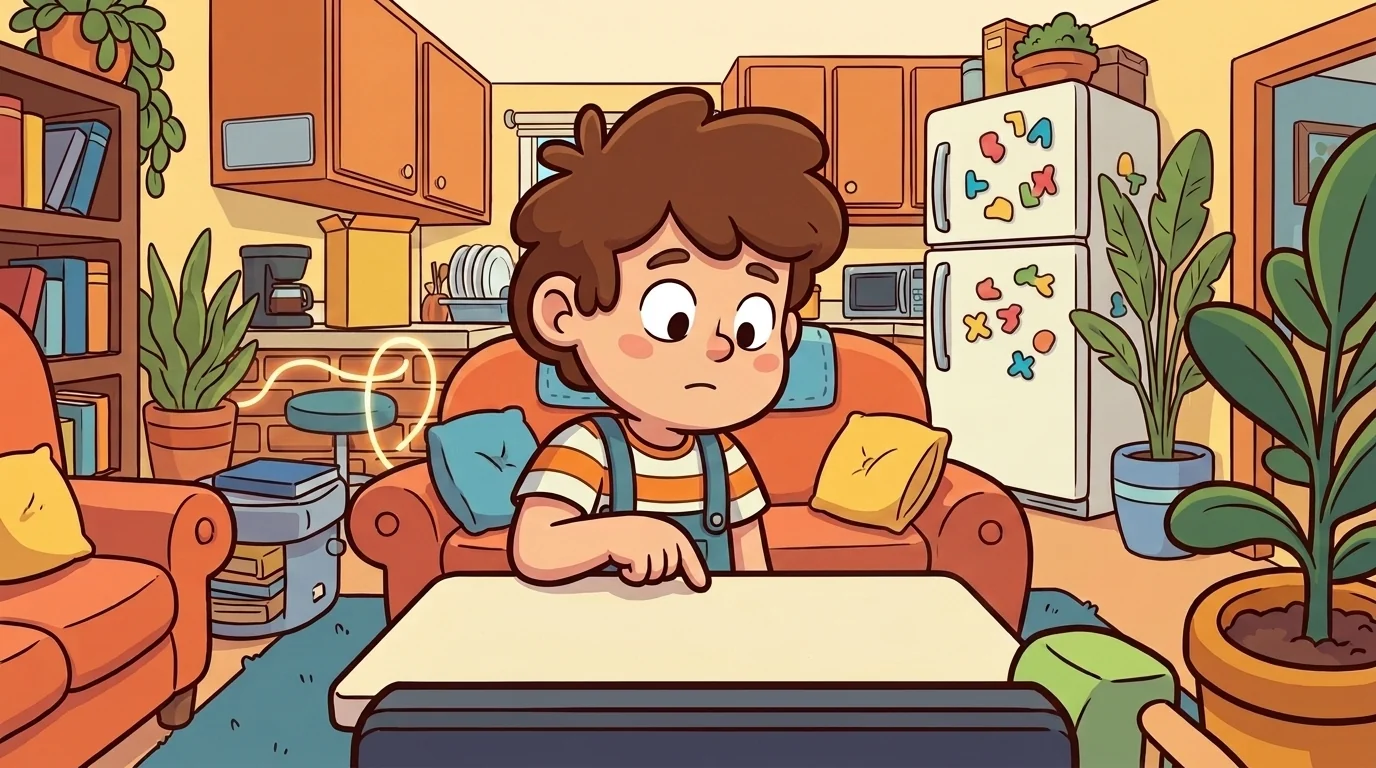
Boggs was the kind of kid who got called "spacey" a lot, because he'd drift off staring at, apparently, nothing. But he wasn't staring at nothing. He was staring at the texture of things — the way a wall of bricks had a rhythm, the way a crowd had currents, the way a page of small print had shapes in it if you unfocused your eyes. He wasn't distractible. He was the opposite: he couldn't stop finding order inside mess. It just wasn't the order anyone had asked him to find.
"Everybody thinks a jumble is empty," he says. "Like it's just noise, just clutter, nothing in it. But a jumble is full. It's packed. There are more real words hiding in a handful of random letters than you'd ever believe — you just have to be willing to walk around in there instead of standing at the edge saying 'that's a mess.'"
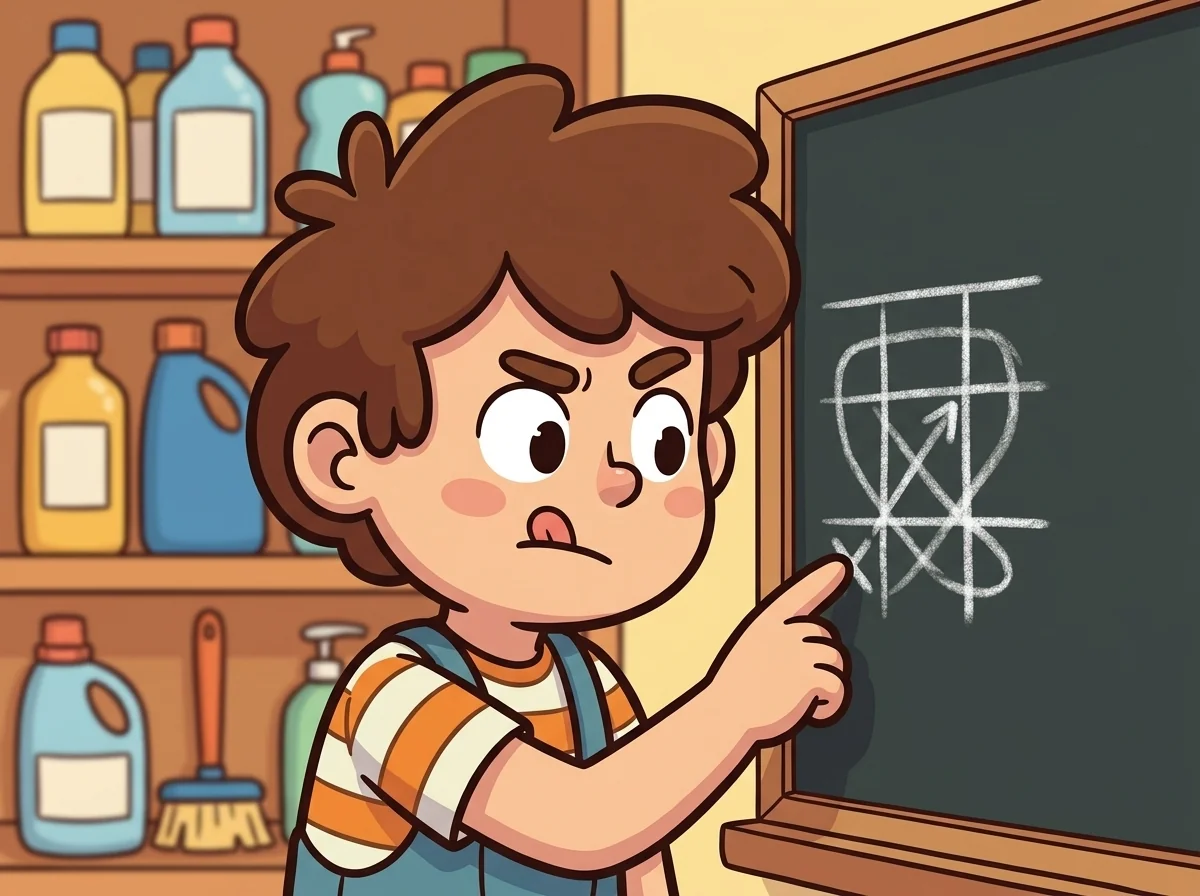
He came to the WordForge academy because Vellum found him in the supply closet, having discovered eleven words in the label of a cleaning bottle, and asked if he'd like a bigger closet. On his first day the head chalked a small grid on the board:
`` C A T R O E D S T ``
"How many words," the head asked, "if you may step to any touching letter — sideways, up, down, or corner — but never lift your finger?"
The other apprentices found cat. One found cot. Boggs stepped to the board and his finger started moving, tracing paths as he talked — "cat, cot, cord, cost, coat, crate, dots, card, cards, tote—" his hand walking diagonals and corners the others hadn't even considered were legal. "You're all only going straight," he said, not unkindly. "The word doesn't care about straight. It just needs each letter touching the next one." The head, who had watched most apprentices find three words and quit, said quietly, "You didn't look at the grid. You looked through it." And that stuck.
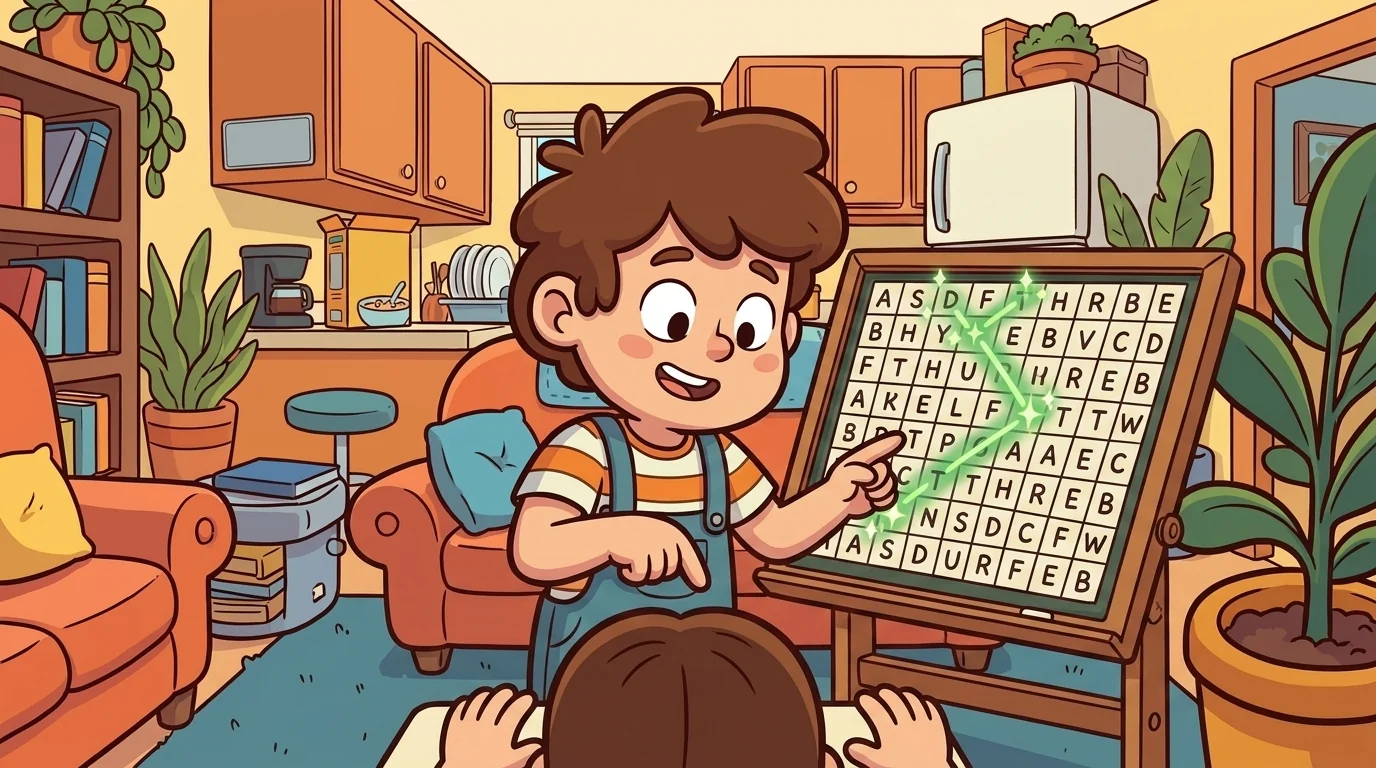
In his workshop he teaches students that a jumble is an invitation. A girl came in defeated by a word-search — "I can only ever find the easy ones, going straight across." Boggs nodded like she'd described a completely reasonable starting point. "Straight-across is where everyone starts, because that's how we read," he said. "Left to right, tidy lines. But hidden words don't read. They hide. And the best hiding spots are the directions your eyes don't go on their own — backward, upward, and diagonal. Especially diagonal. Nobody's eyes go diagonal without being told."
He gave her one instruction: for the next puzzle, don't hunt for whole words. Hunt for a single starting letter, then check all eight directions around it, like checking for traffic before you cross. The girl tried it — picked a T, looked in all eight directions, and gasped: there was a word going up and to the left, a direction she'd have never scanned. "It was there," she said, almost accusing.
"It was always there," Boggs said gently. "You were reading the grid like a book. A grid isn't a book. A book only goes one way. A grid goes every way at once, and the words are stacked in all of them, on top of each other, sharing letters." He smiled. "The mess was never a mess. It was just dense."
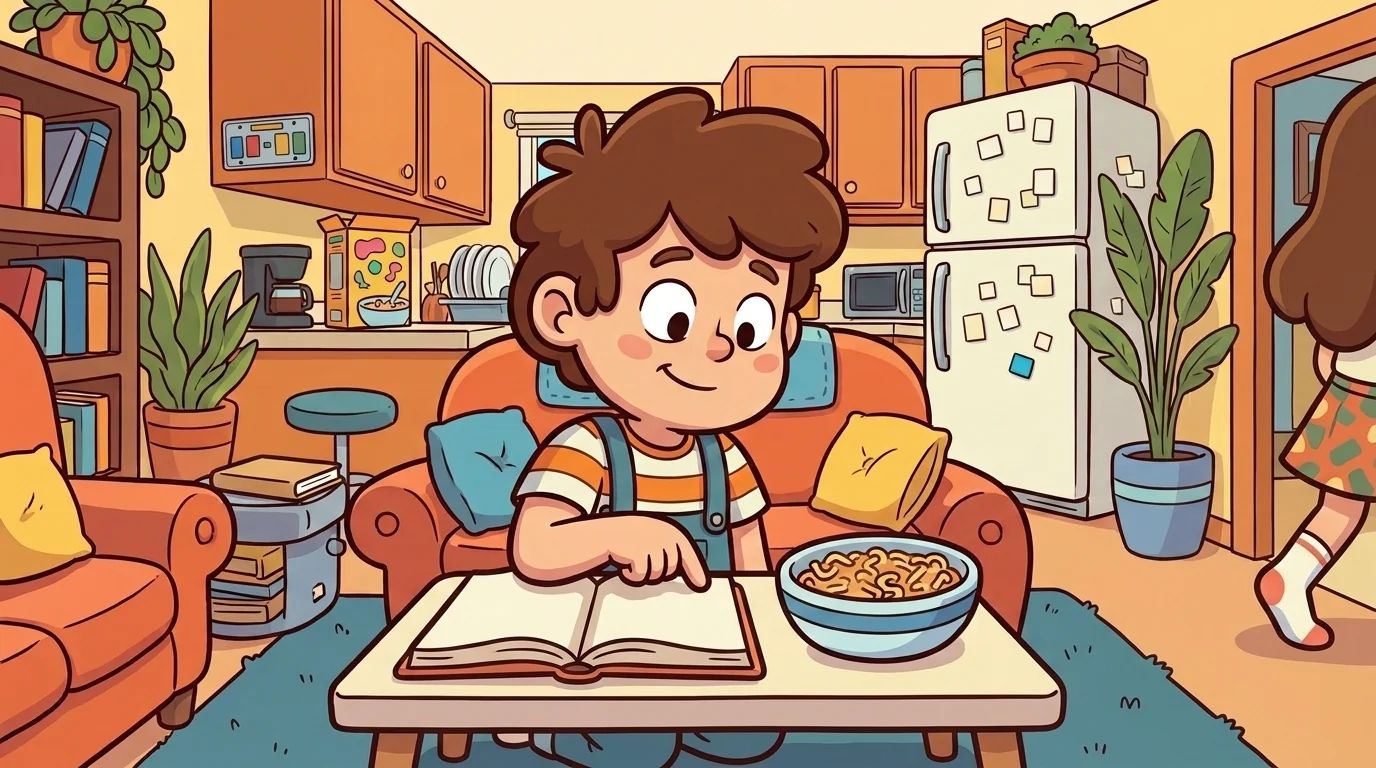
Later the girl asked the question. "But how do you scan so fast? You find ten while I find one."
Boggs thought about it. "I don't scan faster," he said. "I scan lazier. I don't try to see the whole grid at once — that's overwhelming, that's how you freeze. I pick one letter and I get curious about only that letter: what could start here? what could end here? Then I move to its neighbor and get curious about that one. One tile at a time. It feels slow." He grinned. "But 'one tile, all directions, then the next tile' never misses anything — and 'stare at the whole board hoping a word jumps out' misses almost everything. Slow-and-local beats fast-and-everywhere. Every time."
The girl went home and, that night, found her own name spelled diagonally in the tangle of magnets on the fridge — letters that had been standing there for years, touching, waiting, spelling her out to anyone patient enough to walk the path.
The WordForge ensemble
Boggs is part of WordForge's distributed-narrative cast. Each character embodies a different curricular primitive; together they teach the full subject.
-
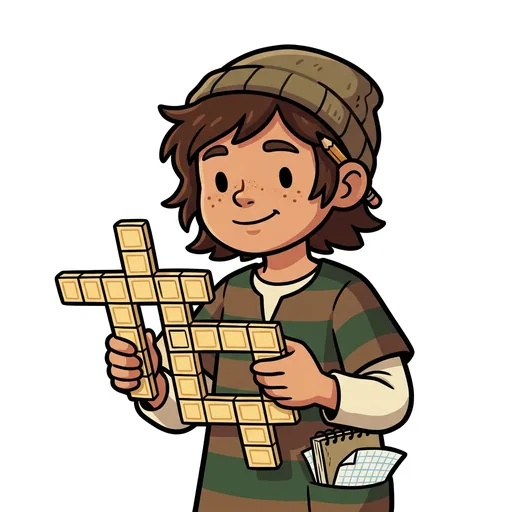
Acrostica
Crossword construction — builds grids where every letter satisfies two crossing words at once
-
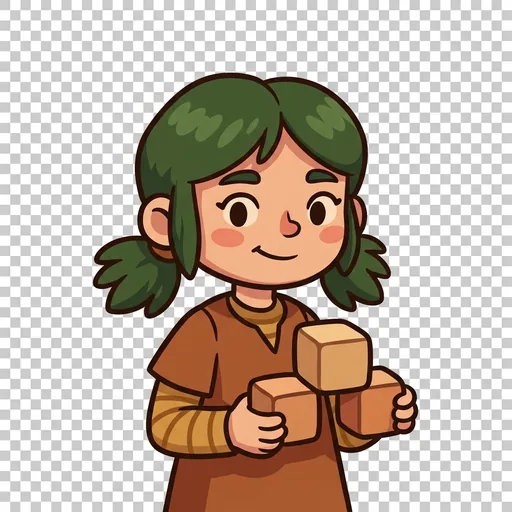
Radicle
Morphology / word-building — bolts a prefix and suffix onto a root to grow new words
-
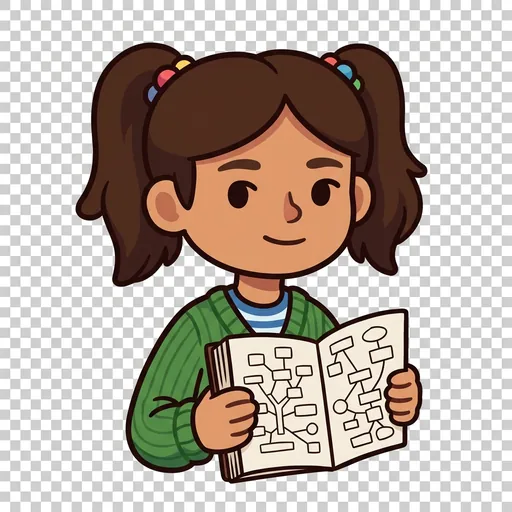
Origo
Etymology / word origins — traces a word back through its ancestor languages
-
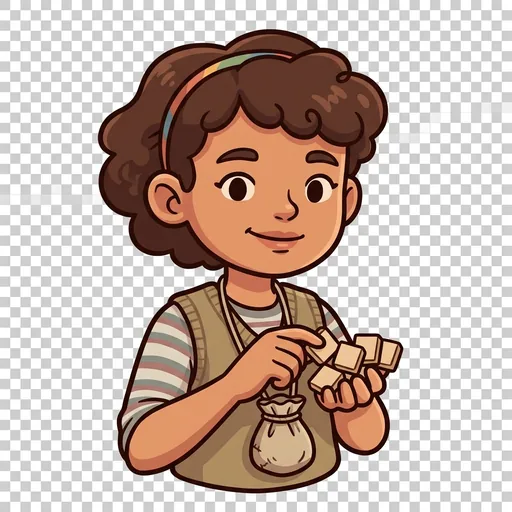
Anna Gram
Anagram / letter manipulation — rearranges the exact same letters into new words
-
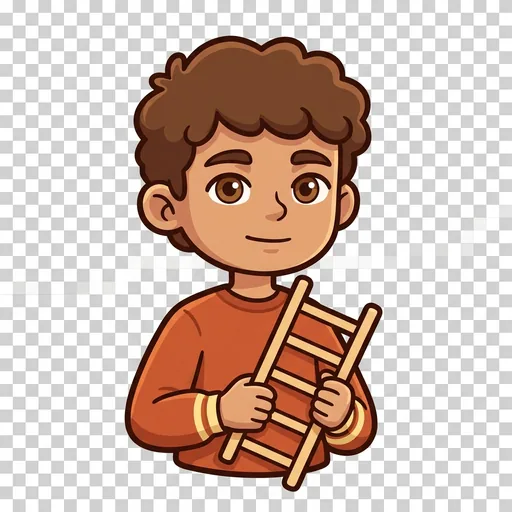
Rung
Word ladder — climbs word→word changing exactly one letter per step
-
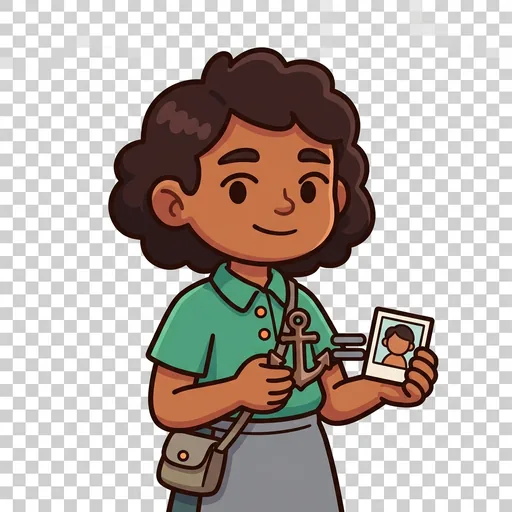
Metaphora
Figurative language — sets two things side by side and says one IS the other
-

Tinge
Nuance / connotation — sorts near-synonyms by their exact shade of feeling
-
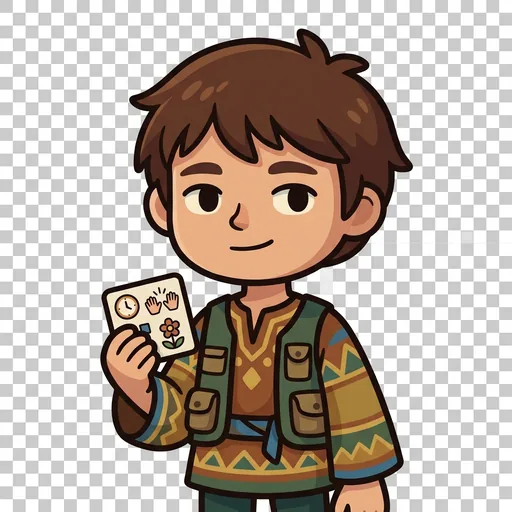
Rebus
Double-meaning / cryptic clues — refuses the obvious reading and finds the hidden second one
-
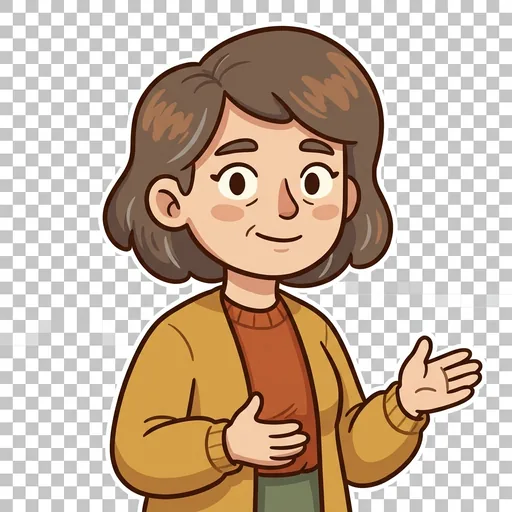
Vellum
The arcade keeper (mentor) — introduces each format and normalizes not knowing a word