Origo
ETYMOLOGY / WORD ORIGINS — every word has a history; you can trace it back through the languages it travelled through to the older word it grew from. "salary" ← Latin for salt. "clue" ← a ball of thread. Origins reveal meaning and connect word families.
Loading audio…
Press play to listen along. The line being read lights up as you go.
Show full transcript
Loading transcript…
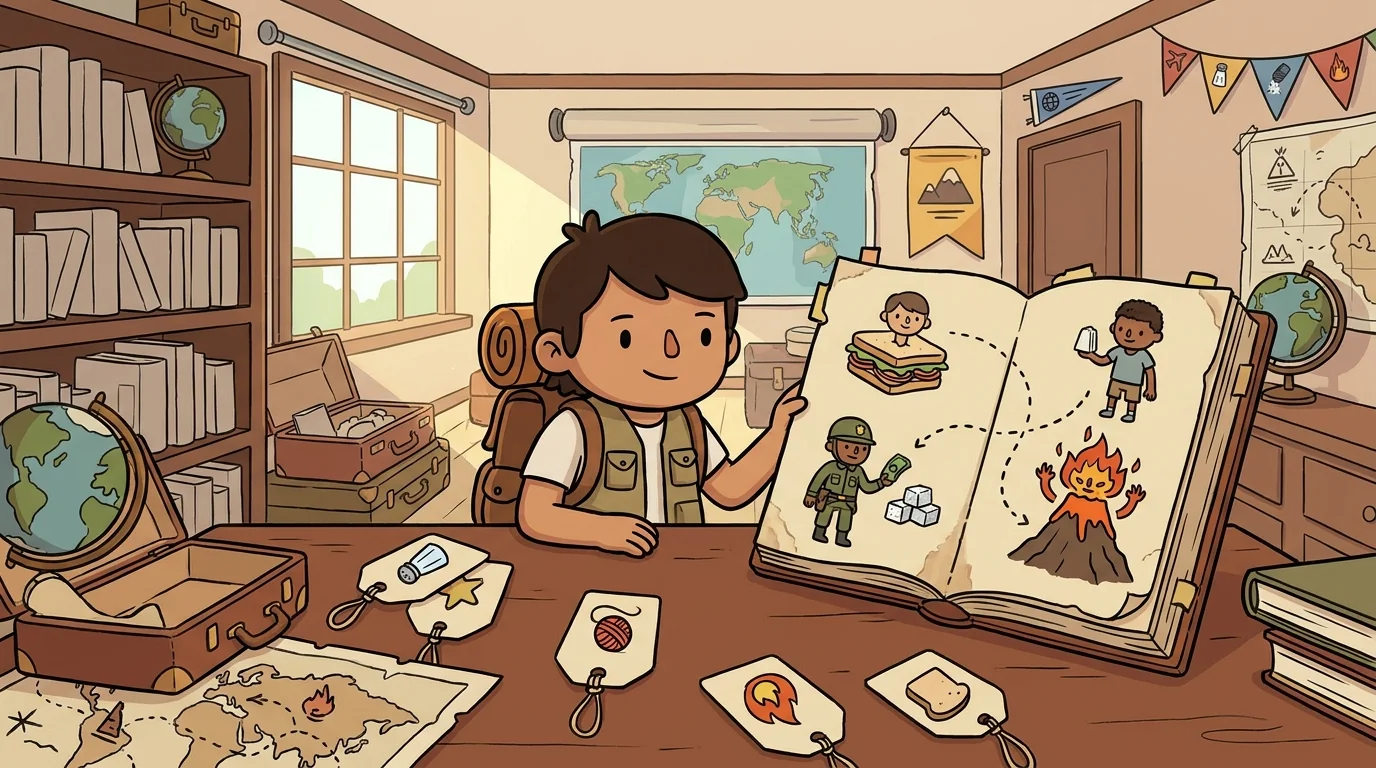
Origo collects passports, but not for people — for words.
Every word, she says, is a traveller. It was born somewhere, in some older language, and it walked a long road to get to your mouth. "Sandwich came from a man's name," she'll tell you, delighted. "Salary came from salt, because soldiers were once paid in it. Volcano came from a god of fire." She keeps a fat notebook of these journeys, and when she meets a new word the first thing she wants to know is not what it means but where it has been.
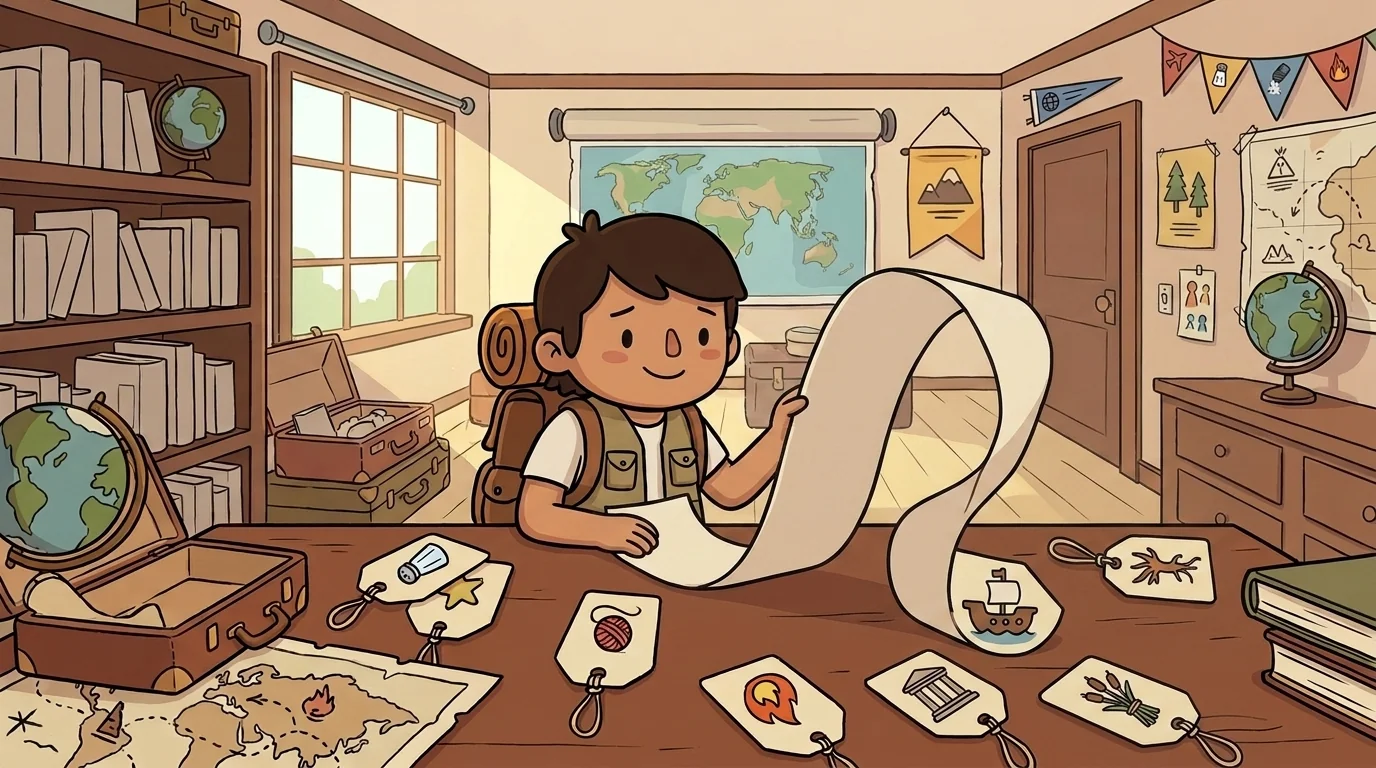
Origo did not know where she had been, for a long time, and it bothered her more than she let on.
She was adopted, and as a small child she had a lot of questions with no answers — about the language her first family had spoken, about the country a syllable of her name came from, about why certain foods at certain festivals made her feel a homesickness for a place she had never seen. The adults in her life loved her completely and could not answer these questions, and for a while the not-knowing felt like a hole.
Then her grandfather — the one who loved old books — showed her that her name had a history he could trace. He took it apart, sound by sound, and followed each piece back through three languages to the very old words they came from, and he wrote the whole journey down for her on a long roll of paper. "You come from further back than any of us can remember," he told her. "But the word for you remembers. It has been travelling toward you for a thousand years."
Something in Origo unclenched. If a name could carry its whole journey inside it — if the past wasn't lost but folded up inside the present, waiting to be traced — then maybe nothing that mattered was ever really gone. She started tracing everything after that.
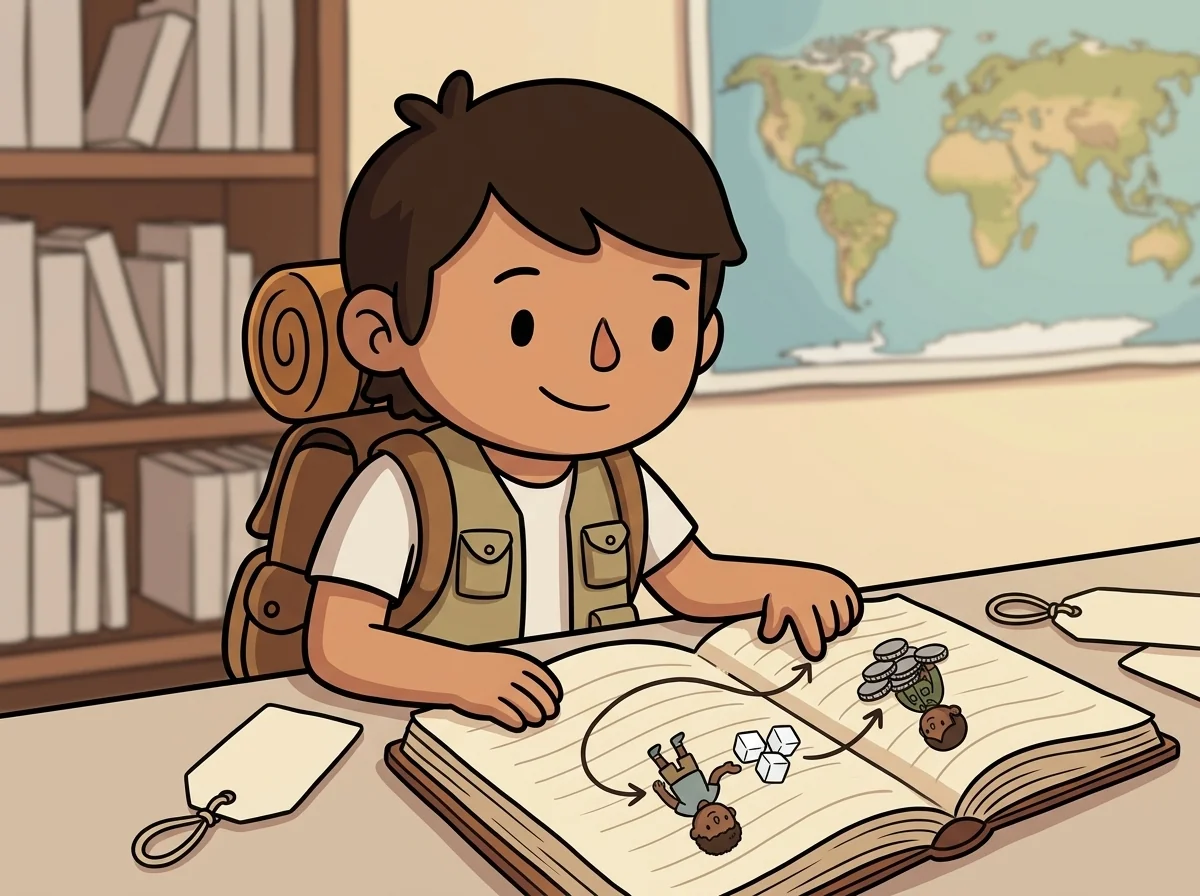
She arrived at the WordForge academy already fluent in the one thing the academy prized most: curiosity about where things come from. On her first day the head wrote a strange word on the board — QUARANTINE — and asked if anyone could guess why it meant what it did.
The apprentices guessed at the meaning. Origo raised her hand and did something else. "It comes from an Italian word for forty," she said. "Quaranta. Ships used to wait forty days before landing, so no sickness could come ashore. The forty is still hiding inside the word." She had traced it, not defined it. She had found the journey folded up inside.
The head looked at her for a long moment. "Most people," he said, "ask a word what it means. You ask it where it has been." And that became her whole method. Origo does not look words up. She traces them back.
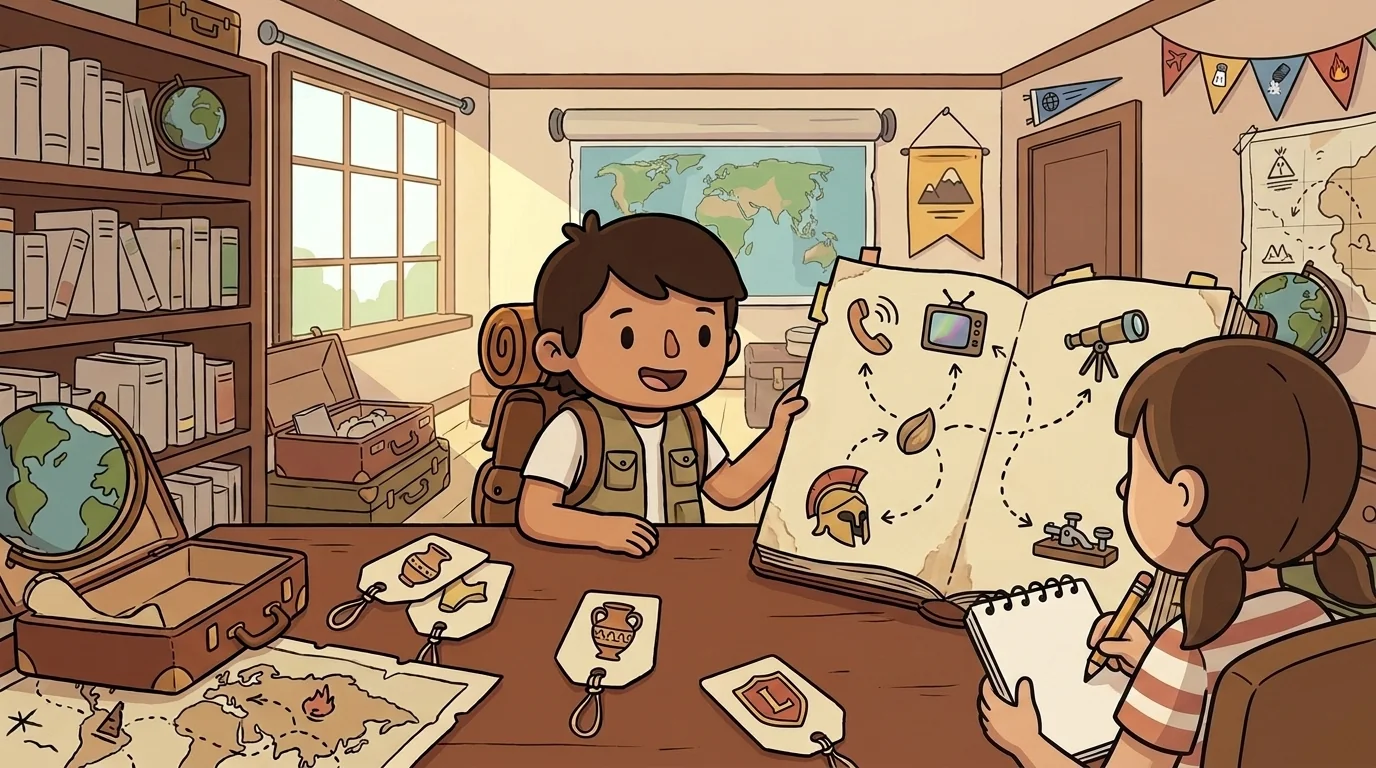
A student came to her hating vocabulary — "there are too many words, I'll never remember them all." Origo did not give her a longer list. She gave her a root and a map.
"You know telephone," she said. "Tele — far. Phone — sound. Sound from far away." The girl nodded. Origo kept going, laying the words down like stops on a road. "Television — far sight. Telescope — far look. Telegram — far writing." She looked up. "You didn't learn four words just now. You learned one traveller — tele, meaning far — and followed it to four places. Learn the traveller, and you get the whole family for free."
The girl stared at the little map of words, all grown from the same ancient seed, and you could watch the too-many-words feeling drain out of her. Words weren't an endless pile of strangers. They were families, and families have histories, and histories can be followed.
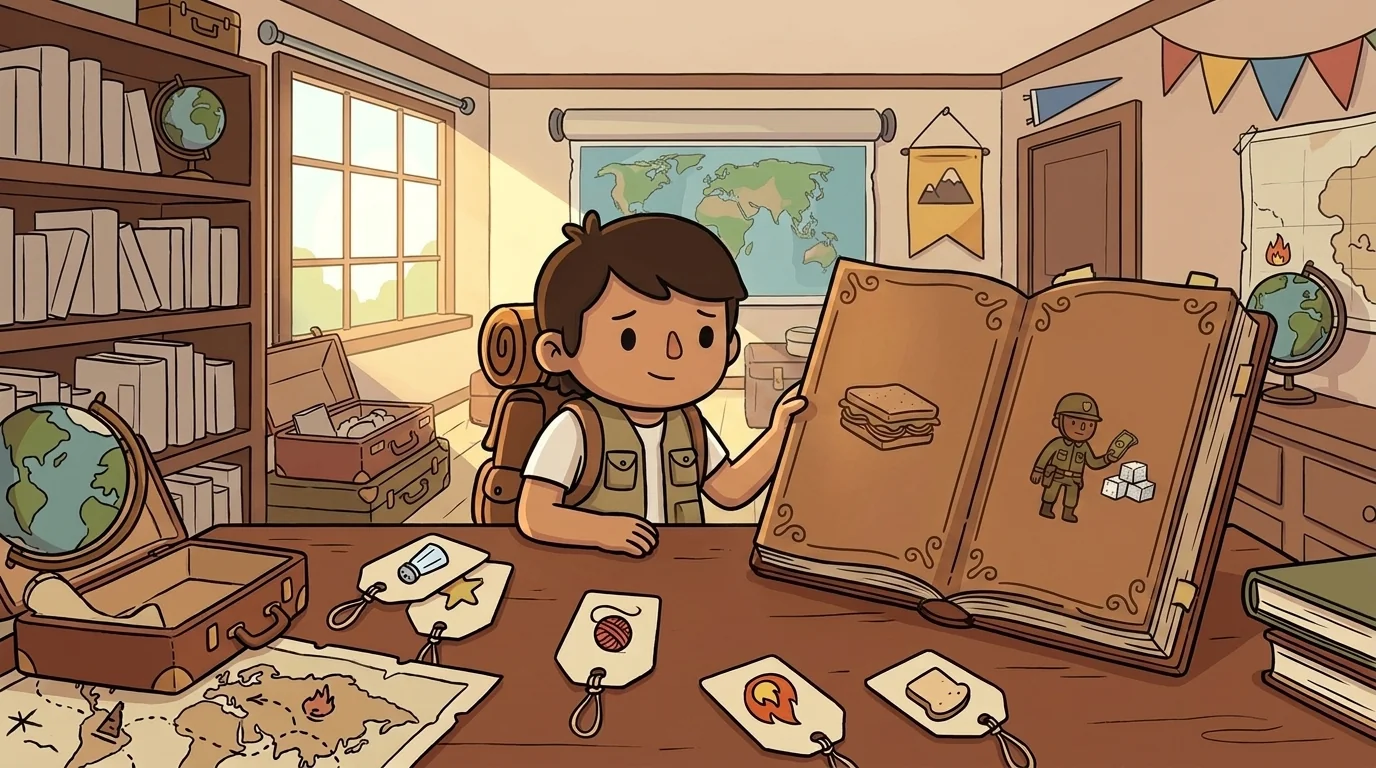
Late that afternoon the girl asked the question Origo had once asked her grandfather. "Doesn't it ever feel sad — that the old languages are gone?"
Origo closed her notebook slowly. "They're not gone," she said. "That's the whole thing. Every time you say salary, an old Latin word for salt is still travelling. Every time you say clue, you're holding a thread from a story about a maze that's thousands of years old. The past isn't behind the word." She touched the notebook, gently, the way you touch something that once healed you. "The past is inside it, folded up, remembering. Nothing that matters is ever really lost — it just changes shape and keeps travelling toward whoever needs it next."
The girl walked home saying old words under her breath, feeling for the journeys folded up inside them, and — for the first time — not lonely about the things she didn't know, because now she had a way to trace them back.
The WordForge ensemble
Origo is part of WordForge's distributed-narrative cast. Each character embodies a different curricular primitive; together they teach the full subject.
-
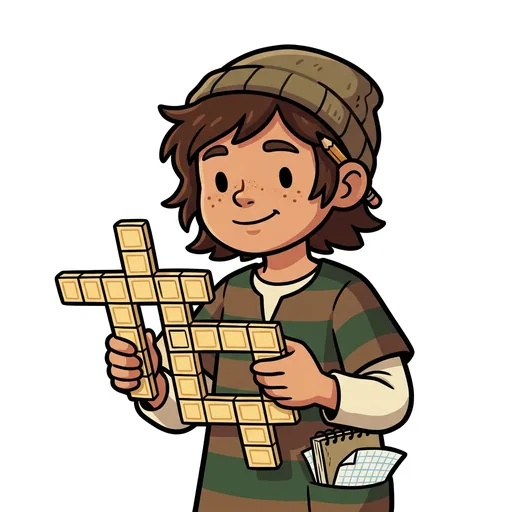
Acrostica
Crossword construction — builds grids where every letter satisfies two crossing words at once
-
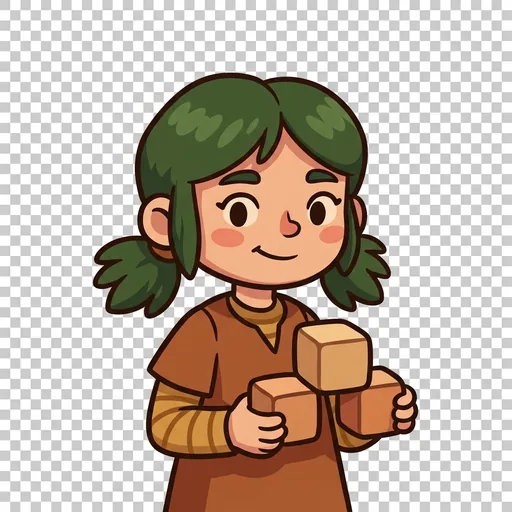
Radicle
Morphology / word-building — bolts a prefix and suffix onto a root to grow new words
-
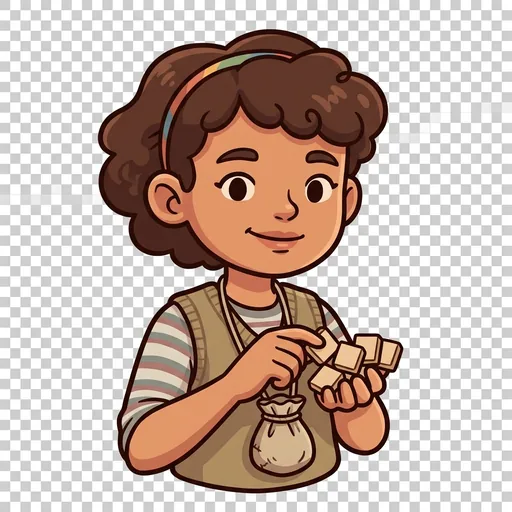
Anna Gram
Anagram / letter manipulation — rearranges the exact same letters into new words
-
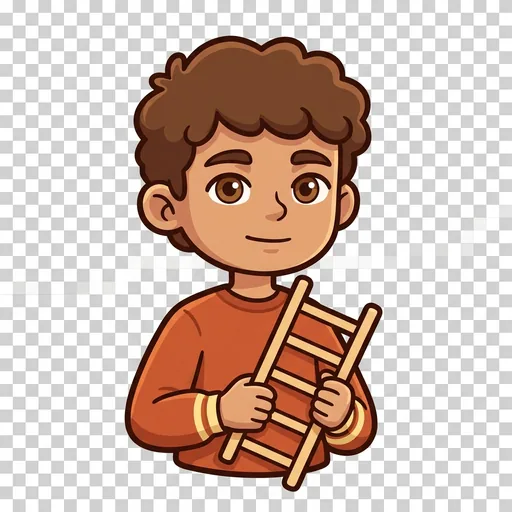
Rung
Word ladder — climbs word→word changing exactly one letter per step
-
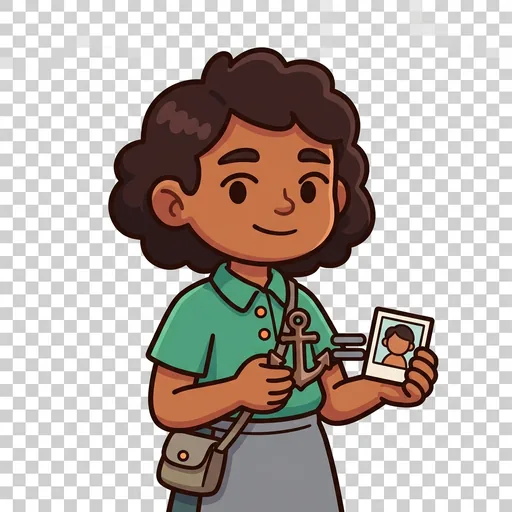
Metaphora
Figurative language — sets two things side by side and says one IS the other
-

Tinge
Nuance / connotation — sorts near-synonyms by their exact shade of feeling
-
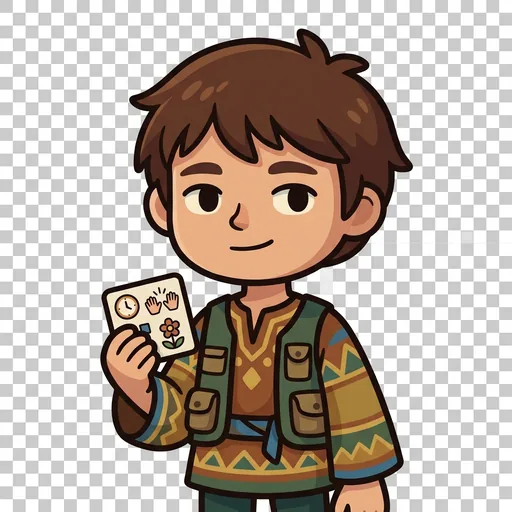
Rebus
Double-meaning / cryptic clues — refuses the obvious reading and finds the hidden second one
-
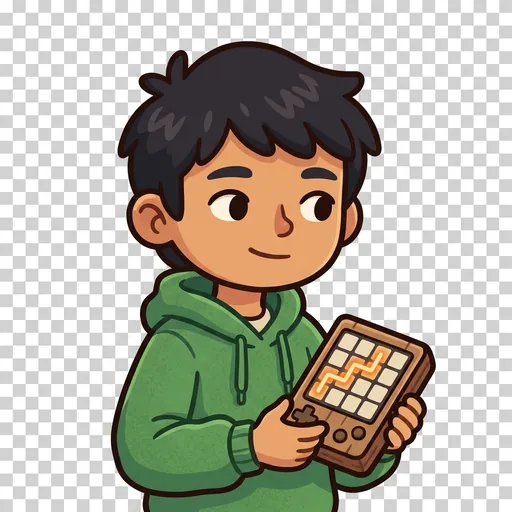
Boggs
Adjacency word-search — traces a path through touching letters to find hidden words
-
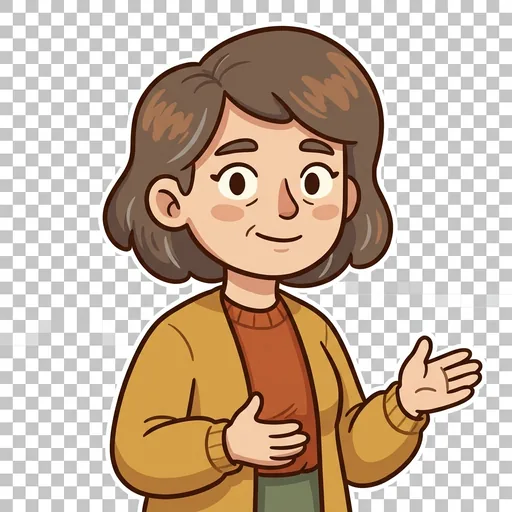
Vellum
The arcade keeper (mentor) — introduces each format and normalizes not knowing a word