Rebus
DOUBLE MEANING / CRYPTIC CLUES — a good puzzle clue reads two ways. The surface says one innocent thing; a hidden second reading points at the answer. "Flower" might mean a rose — or a thing that *flows* (a river). Cracking it means refusing the first, obvious reading and hunting for the one hiding underneath.
Loading audio…
Press play to listen along. The line being read lights up as you go.
Show full transcript
Loading transcript…
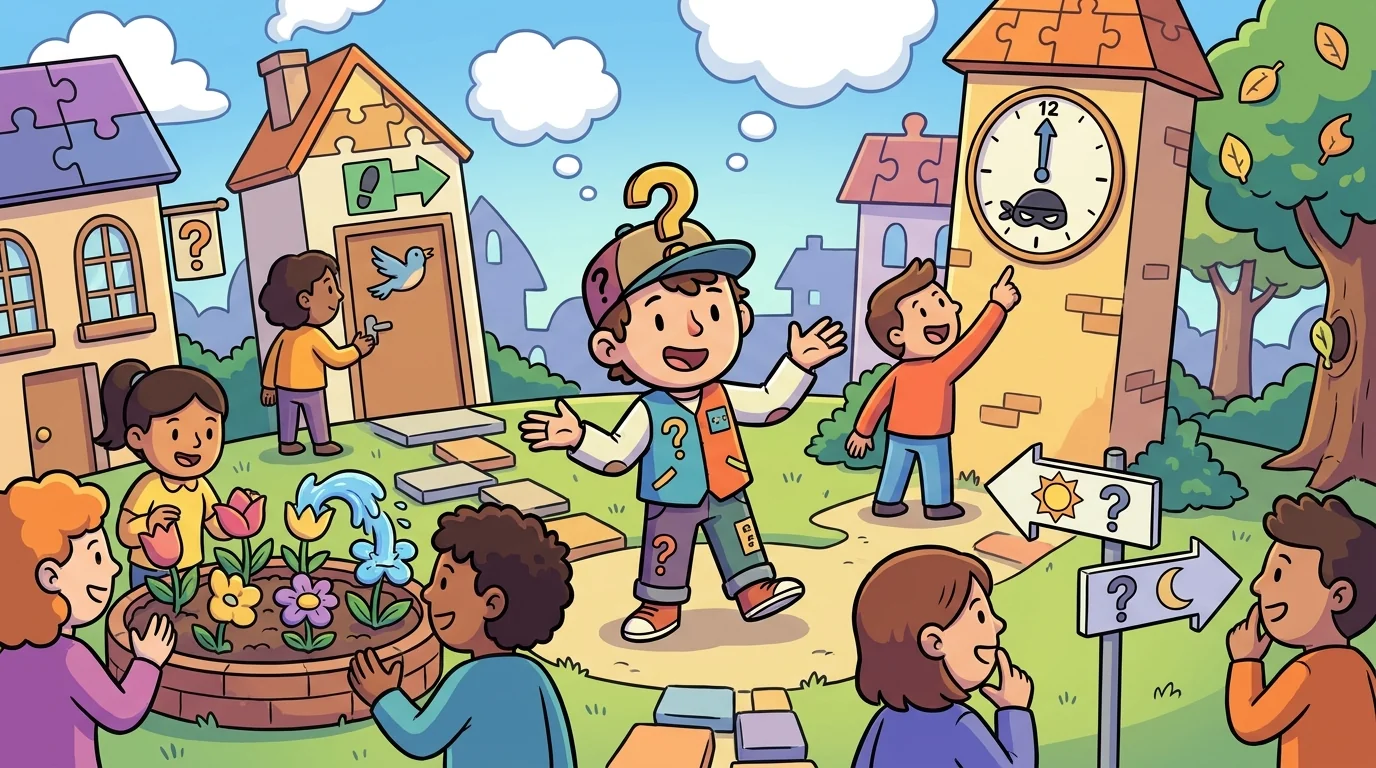
Rebus talks in clues, and he cannot help it, and he is very sorry, and also he is not sorry at all.
Ask him the time and he'll say, "When both hands are up, like a robbery." Ask him where the exit is and he'll say, "Follow the word that's also a verb for leaving." People find him exhausting for exactly four minutes and then, once, they crack one — they hear the second meaning click into place behind the first — and their whole face changes, and after that they follow him around asking for more. "Everything I say is true twice," he explains, pleased. "You just have to stop believing the first true thing long enough to hear the second one."
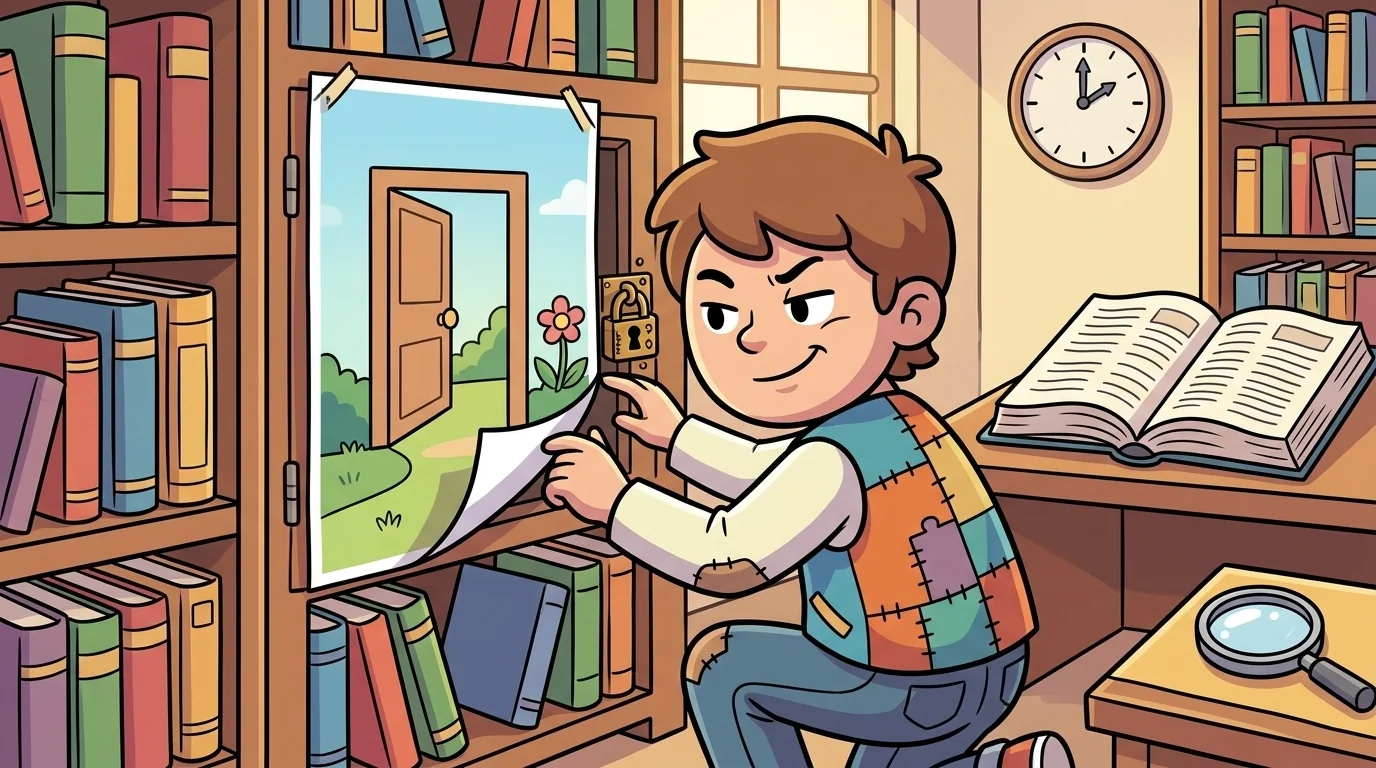
Rebus grew up the youngest at a table of adults who talked over the children in a kind of code — "we'll discuss that later," "you know how your aunt is" — sentences with a locked second floor. So he taught himself to listen for the trapdoor. He got good, unnervingly good, at hearing the thing under the thing. It made him a strange kid. It also, eventually, made him unbeatable at any puzzle where the clue was trying to fool you, because he had simply never trusted a first reading in his life.
"The obvious answer," he says, "is bait. It's put there. A clue that only meant one thing wouldn't be a puzzle — it'd be a label. The whole game is: the setter hid a door behind a poster of a door. Everybody walks into the poster."
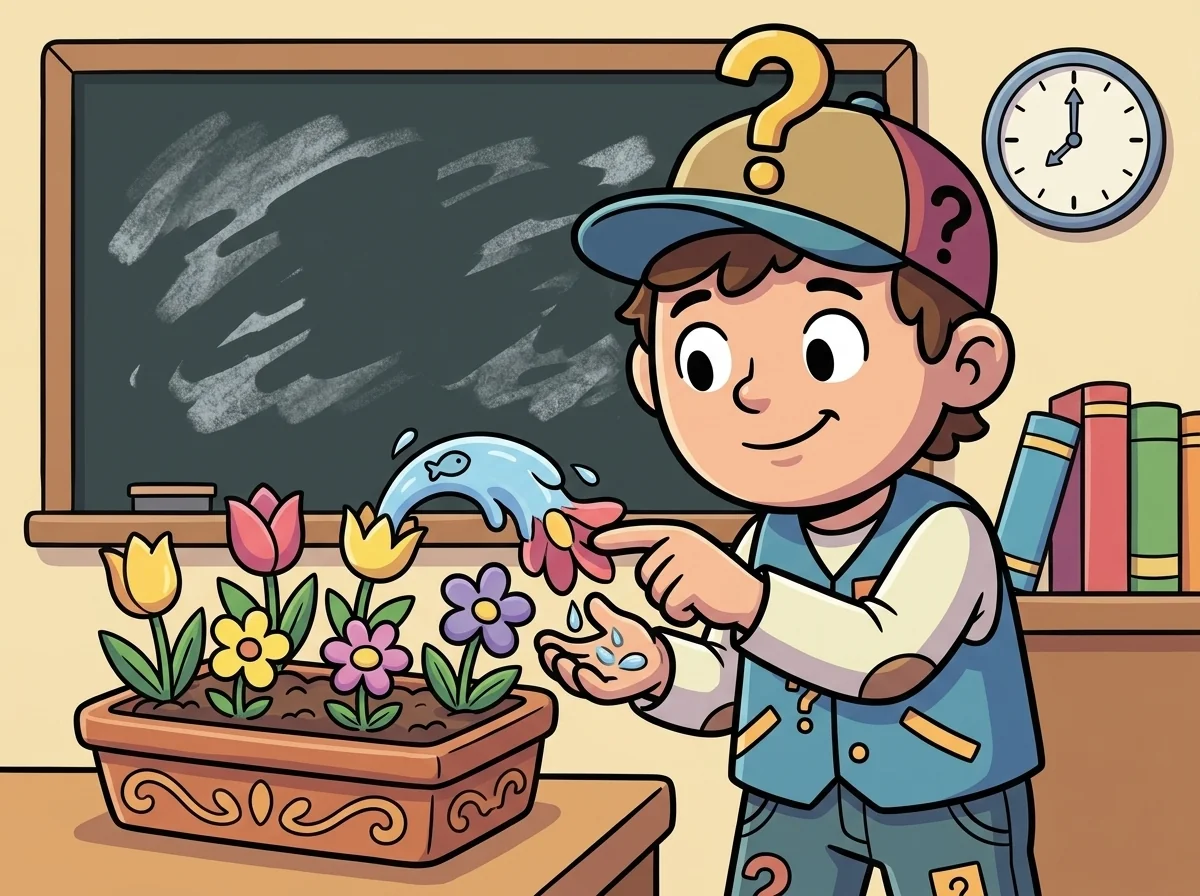
He came to the WordForge academy sideways, of course — he answered Vellum's entrance question ("what brings you here?") with "a thing with a keyboard and no lock," and Vellum laughed for a full minute and admitted him on the spot. On his first real day the head wrote a single cryptic clue on the board:
A flower that never grows in a garden (5)
The other apprentices started listing flowers — tulip, daisy, pansy — five letters, counting on their fingers. Rebus just shook his head slowly. "You're all smelling roses," he said. "But it says it never grows in a garden. So it isn't that kind of flower." He tapped the word flower and pulled it gently apart with two fingers. "Flow. Er. A thing that flows." He wrote it: RIVER. "A river is a flow-er. Five letters. Never grew in a garden in its life." The head, who had watched decades of apprentices sprint straight into the poster, said quietly, "You didn't solve it. You refused it — and then solved what was left."
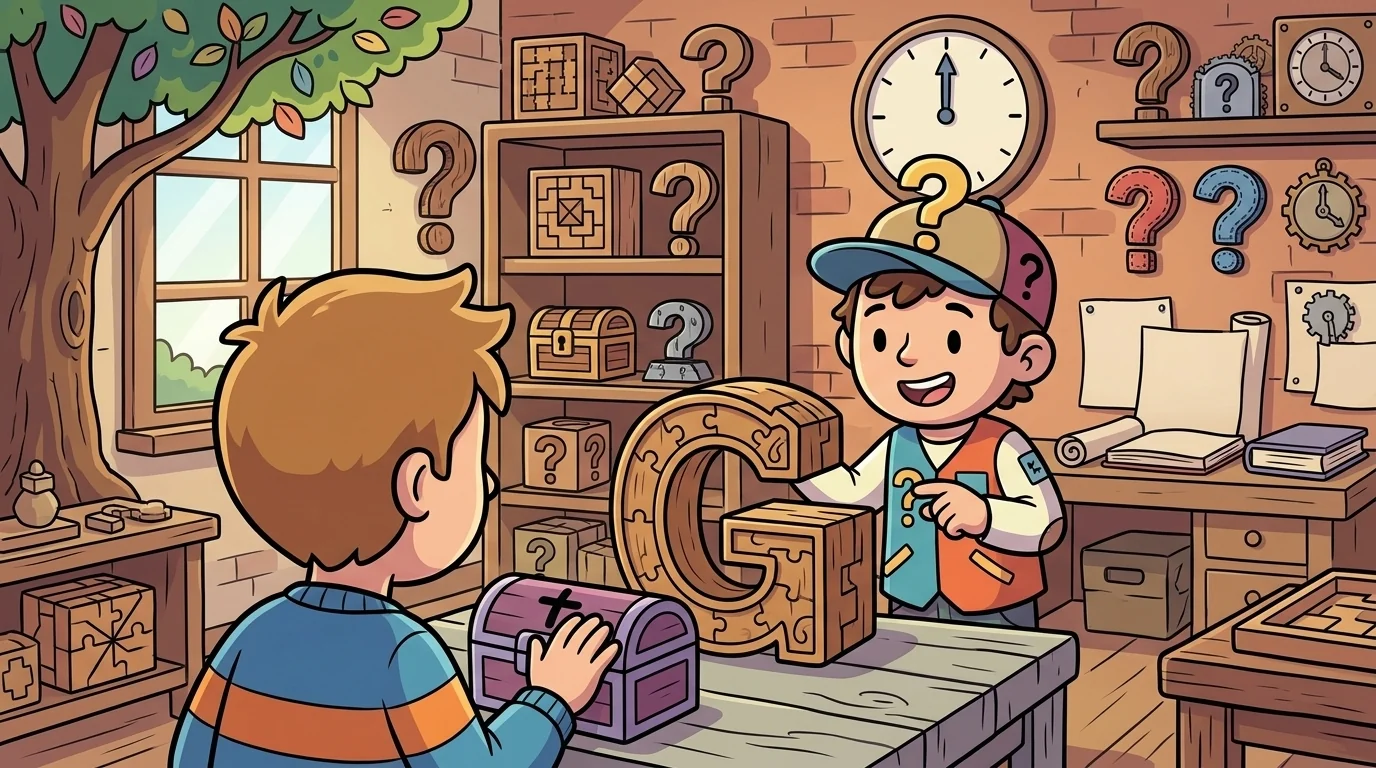
In his workshop he teaches students to distrust their own first idea, kindly. A boy came in convinced he was "bad at riddles" because his first guess was always wrong. Rebus lit up. "Your first guess is always wrong?" he said. "That's not a weakness, that's a superpower with the sign flipped. You have a perfect detector for the bait. You're just eating it instead of marking it."
He set a clue in front of the boy: The end of everything. "Quick — first answer, say it fast, don't think."
"Death," the boy said, wincing. "Or, like, the universe ending—"
"Perfect. That's the poster. Now cross it out," Rebus said, "and read it cheaply. Literally. Stingily. 'The end of everything' — the end of the word."
The boy stared. "...G? The letter G. It's the end of 'everything.'"
"The end of everything," Rebus agreed, "is the letter G." He grinned. "Your first answer was the door in the poster. But you found the poster faster than anyone. So from now on, when your gut shouts an answer — don't argue with it. Just say 'that's the bait' and look one inch to the left."
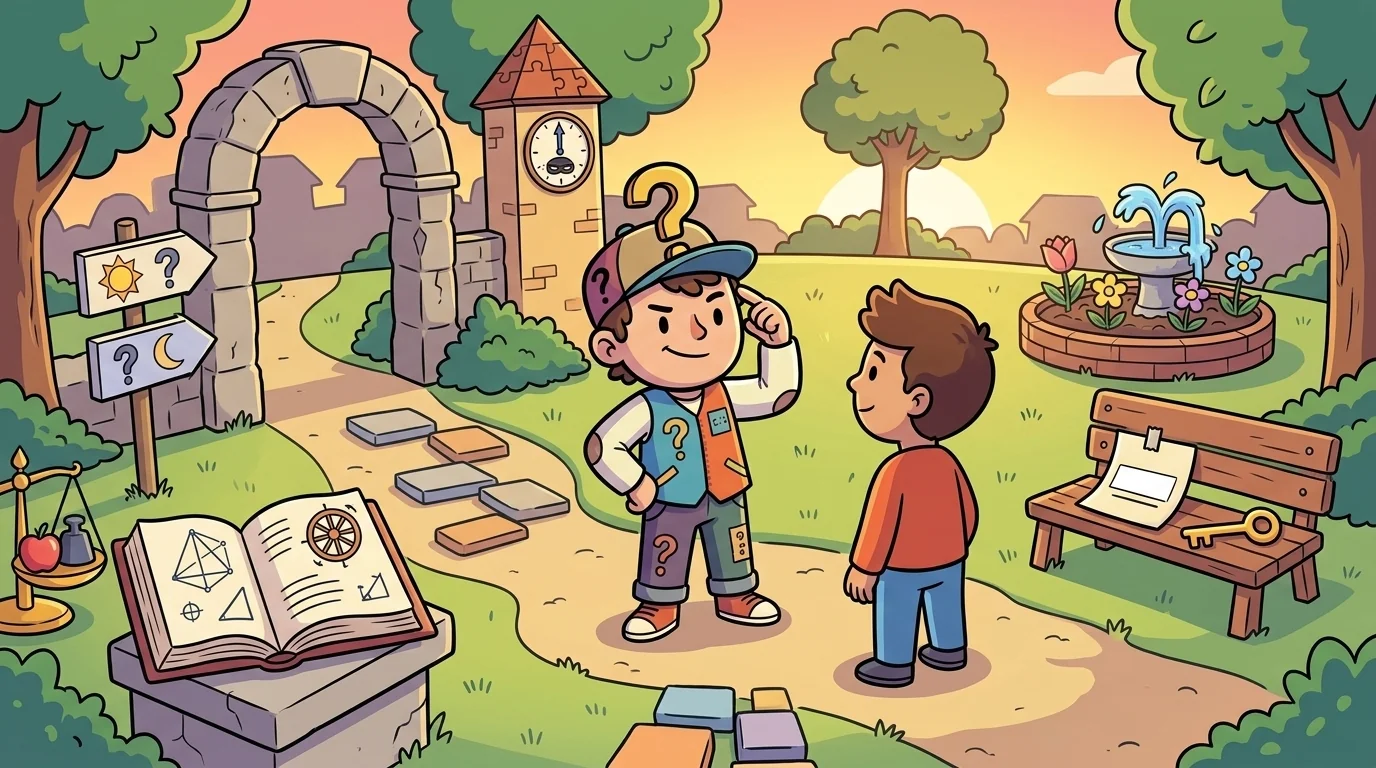
Later the boy asked the question. "But how do you know a clue even has a second meaning? What if the obvious answer is just... the answer?"
Rebus considered this seriously, which he did rarely. "Sometimes it is," he admitted. "Not every sentence has a basement. But a puzzle clue is built — someone chose those exact words on purpose, and puzzle-makers don't waste words being obvious. So when a clue feels a little too easy, a little too neat — that neatness is the tell. Real language is messy. A clue that's suspiciously tidy has been arranged, and arranged things have a reason." He tapped his temple. "Trust the itch. When an answer arrives too fast and too clean, that's not you being smart. That's the trap being well-made. Slow down and read it a second way — the ugly way, the literal way, the way nobody's supposed to." He smiled. "The second reading is always uglier. That's how you know it's the real one."
The boy went home and, that night, re-read a note his older sister had left him — "thanks for NOTHING" with the NOTHING underlined twice — and understood, for the first time, that she'd hidden a whole apology inside a word that looked like an insult, and that he'd almost walked right into the poster.
The WordForge ensemble
Rebus is part of WordForge's distributed-narrative cast. Each character embodies a different curricular primitive; together they teach the full subject.
-
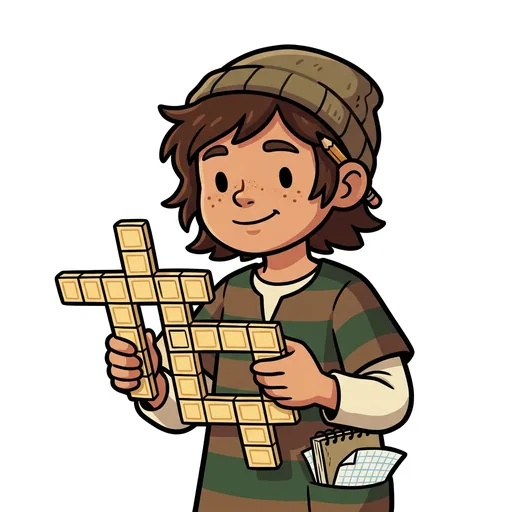
Acrostica
Crossword construction — builds grids where every letter satisfies two crossing words at once
-
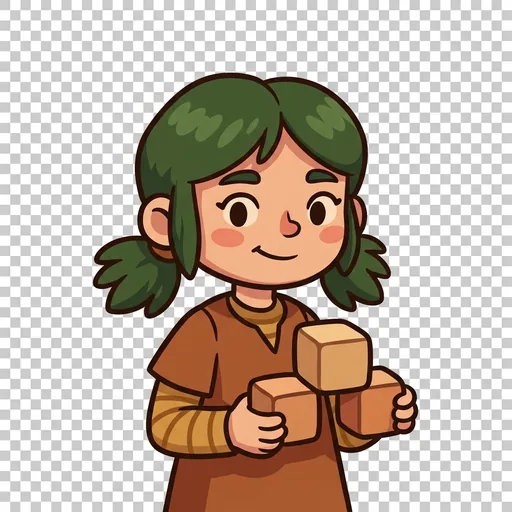
Radicle
Morphology / word-building — bolts a prefix and suffix onto a root to grow new words
-
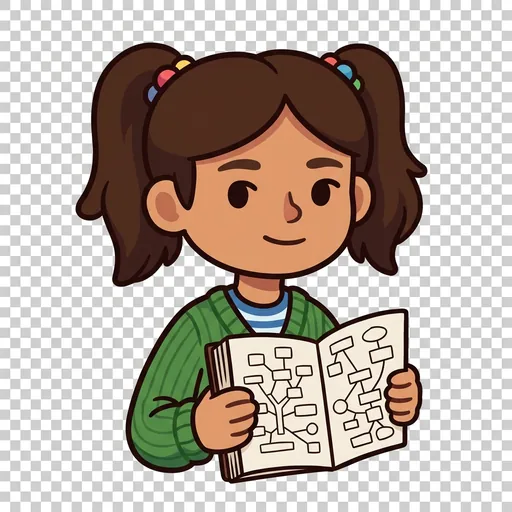
Origo
Etymology / word origins — traces a word back through its ancestor languages
-
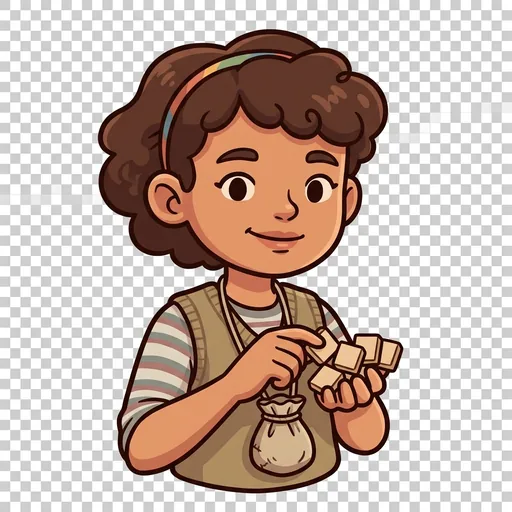
Anna Gram
Anagram / letter manipulation — rearranges the exact same letters into new words
-
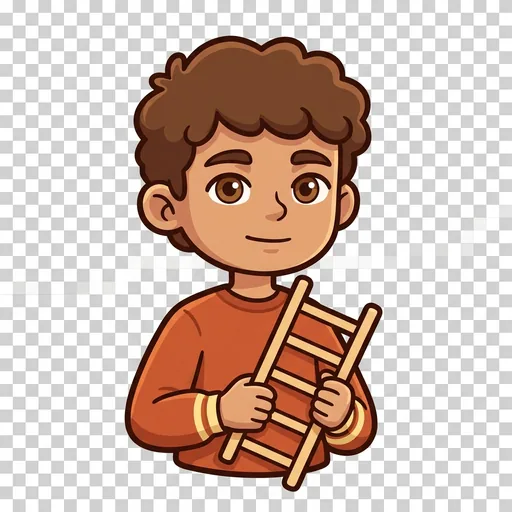
Rung
Word ladder — climbs word→word changing exactly one letter per step
-
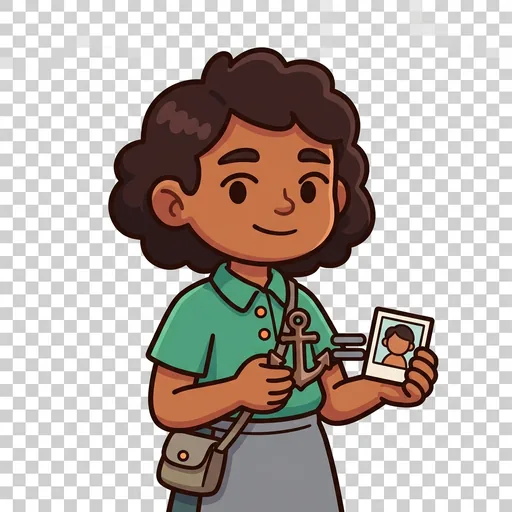
Metaphora
Figurative language — sets two things side by side and says one IS the other
-

Tinge
Nuance / connotation — sorts near-synonyms by their exact shade of feeling
-
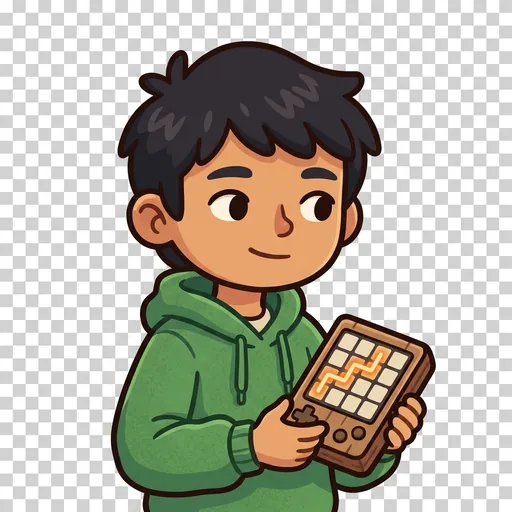
Boggs
Adjacency word-search — traces a path through touching letters to find hidden words
-
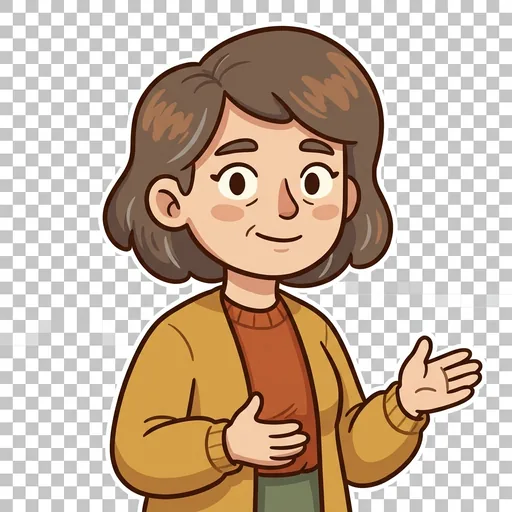
Vellum
The arcade keeper (mentor) — introduces each format and normalizes not knowing a word