Radicle
MORPHOLOGY / WORD-BUILDING — a word grows from a root by bolting a prefix onto the front and a suffix onto the end. port → transport → transportation. The root carries the core meaning; the pieces you add change what the word can do.
Loading audio…
Press play to listen along. The line being read lights up as you go.
Show full transcript
Loading transcript…
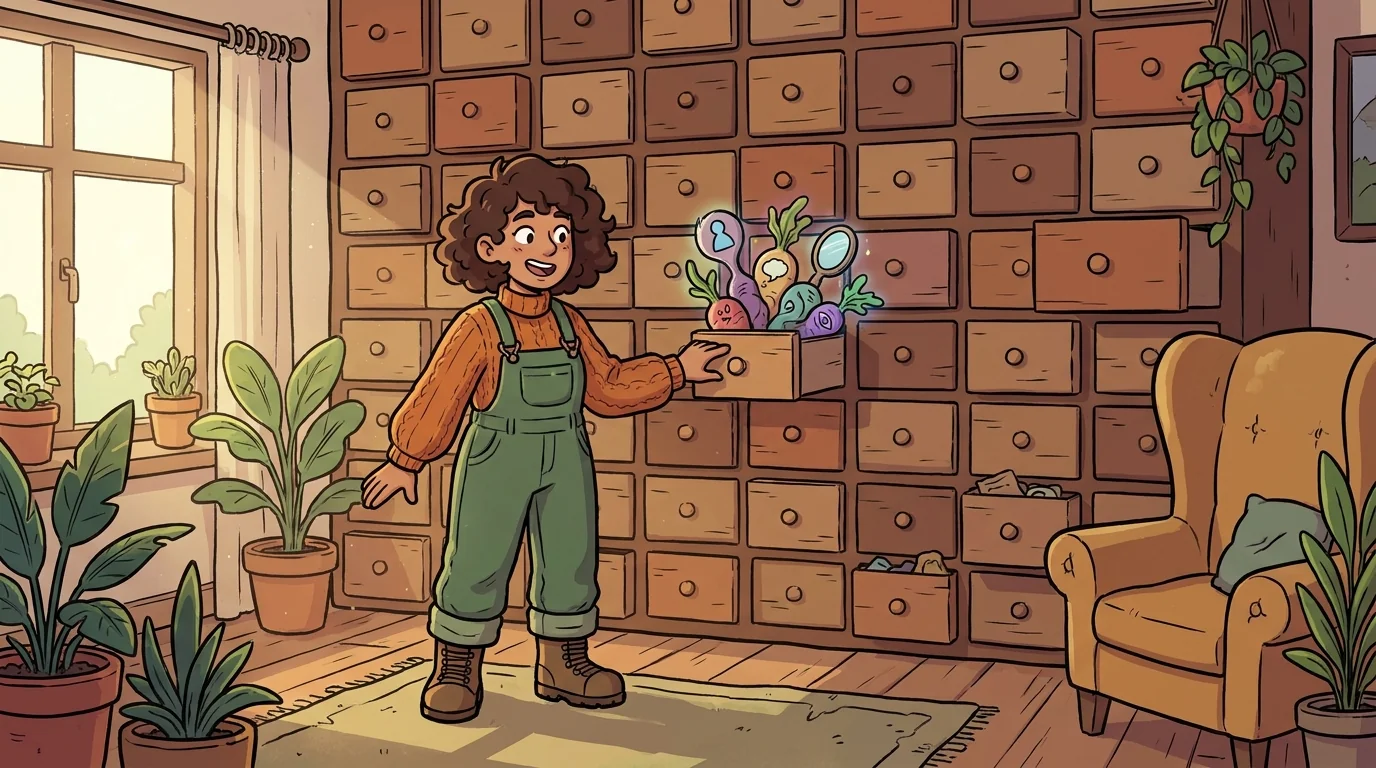
Radicle keeps a garden, but nothing in it is green.
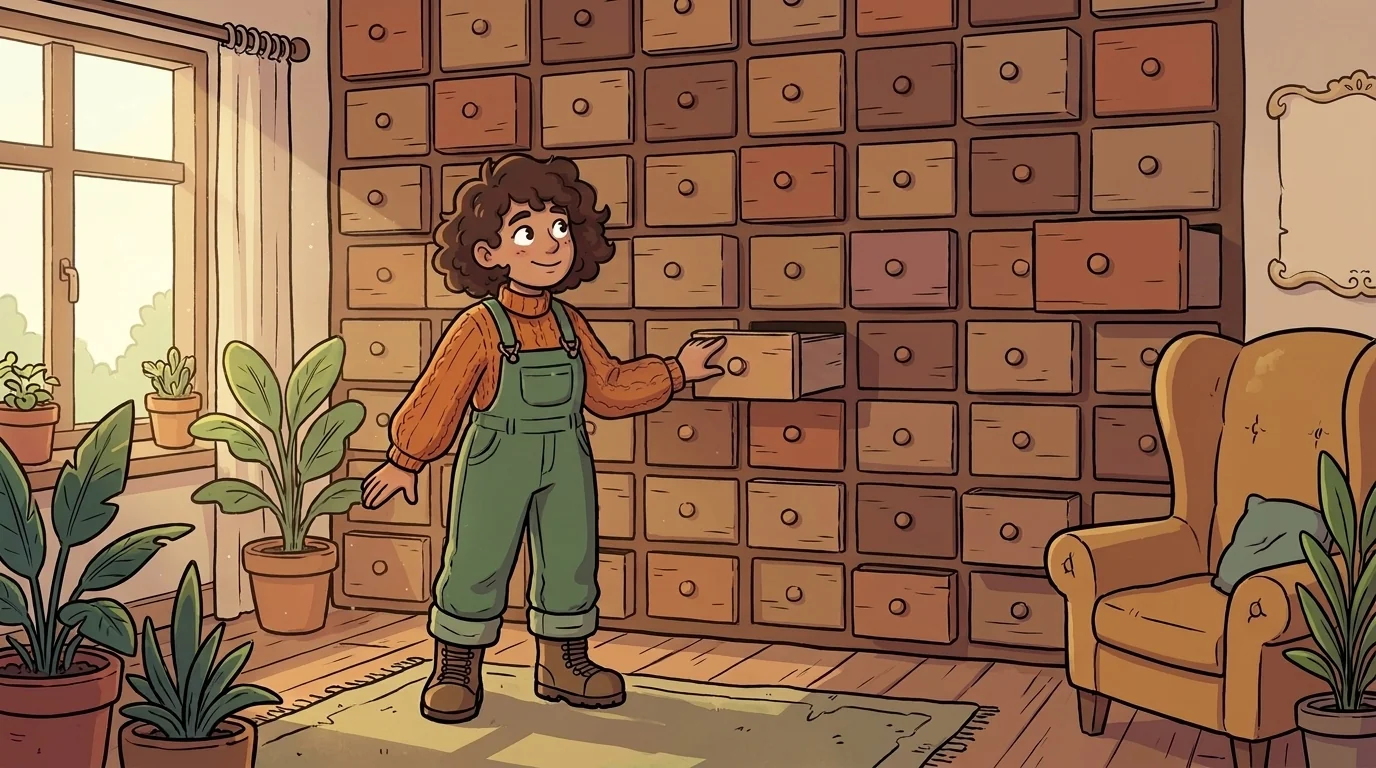
Her garden is a wall of small wooden drawers, and in every drawer is a root — not the kind with dirt on it, the kind with meaning in it. PORT, which means carry. SCRIBE, which means write. DICT, which means say. SPECT, which means look. She keeps them the way other people keep seeds, because that is exactly what she thinks they are.
"A root," she likes to say, pulling open a drawer, "is not a small word. It is a whole family, folded up."
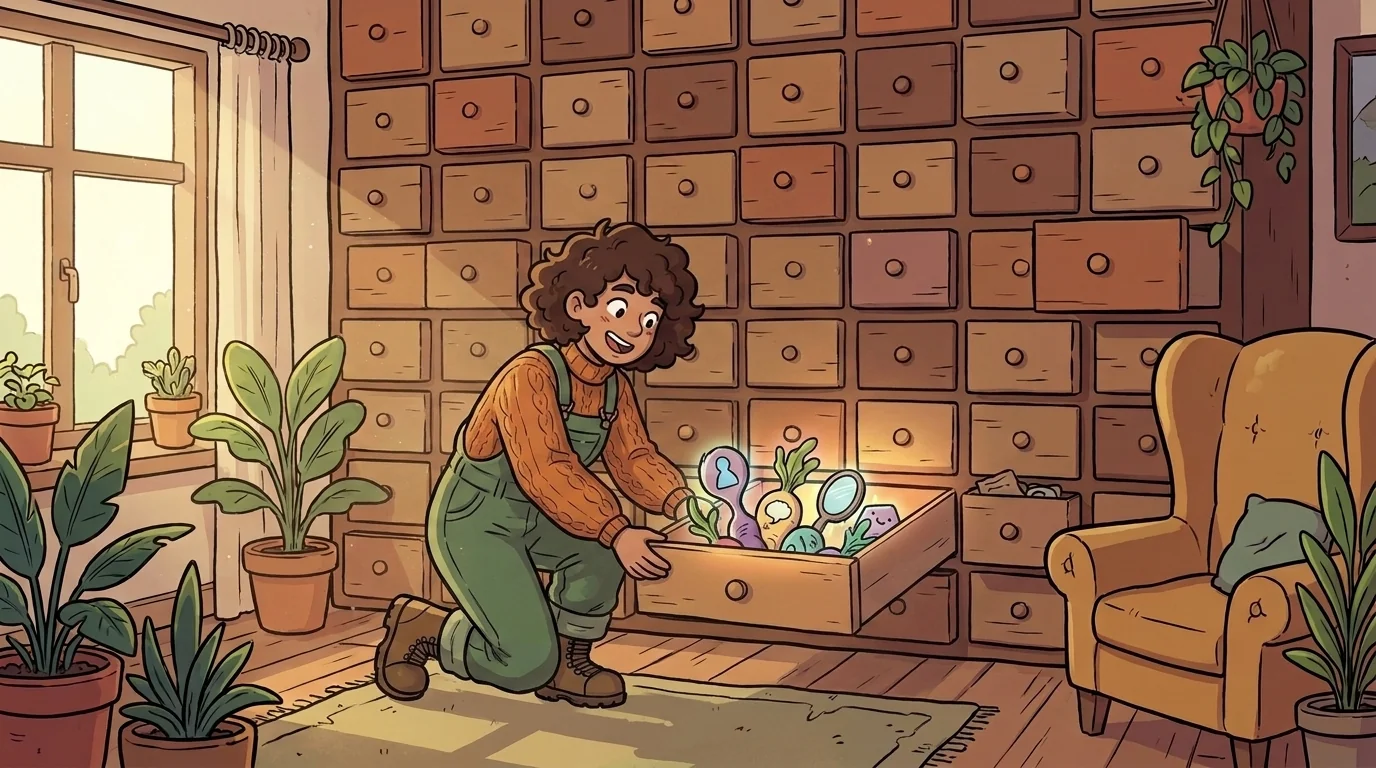
When Radicle was young she thought she was too small to matter. She was the youngest of a large, loud family, and she spent a lot of time being talked over. She got very good at listening instead — at noticing the pieces of things. She noticed that her grandmother, who spoke four languages, would sometimes stop in the middle of a sentence, look at a difficult word, and take it apart with her hands in the air, like unstacking a tower.
"Transportation," her grandmother said once, when small Radicle asked what it meant. "Watch." She held up one finger. "Port — carry." A second finger. "Trans — across." A third. "-ation — the act of doing a thing." She pressed her hands together. "The act of carrying across. You did not need me to tell you. The word already told you. You only had to listen to its parts."
Radicle never forgot it. A word you had never seen before was not a locked door. It was a set of pieces, and if you knew the pieces, the word would tell you what it meant.
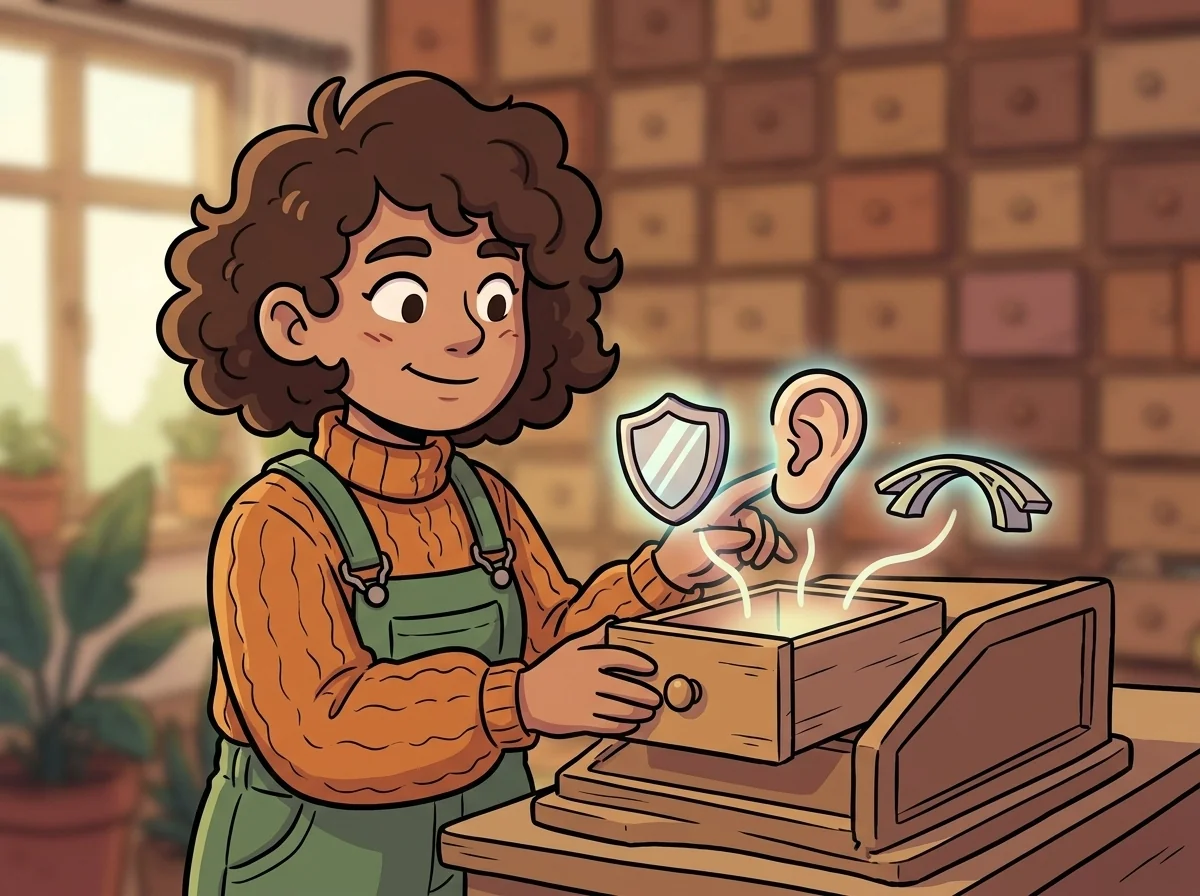
She came to the WordForge academy the way a gardener comes to good soil — she just knew it was hers. On her first day the head asked every new apprentice to define a word they had never met. He wrote it on the board: INAUDIBLE.
The other apprentices went quiet. Radicle walked up to the board and, without saying anything, drew three lines to break the word apart:
IN · AUD · IBLE
Then she spoke, one piece at a time. "Aud — hear. Like audience, like audio." She tapped it. "-ible — able to be." She tapped it. "In- — not." She stepped back. "Not able to be heard. Inaudible." She had never seen the word before in her life. She did not need to.
The head, who had watched a hundred apprentices freeze at that same word, said quietly, "You did not guess. You grew it." And that is the word he used from then on. Radicle does not guess at words. She grows them.
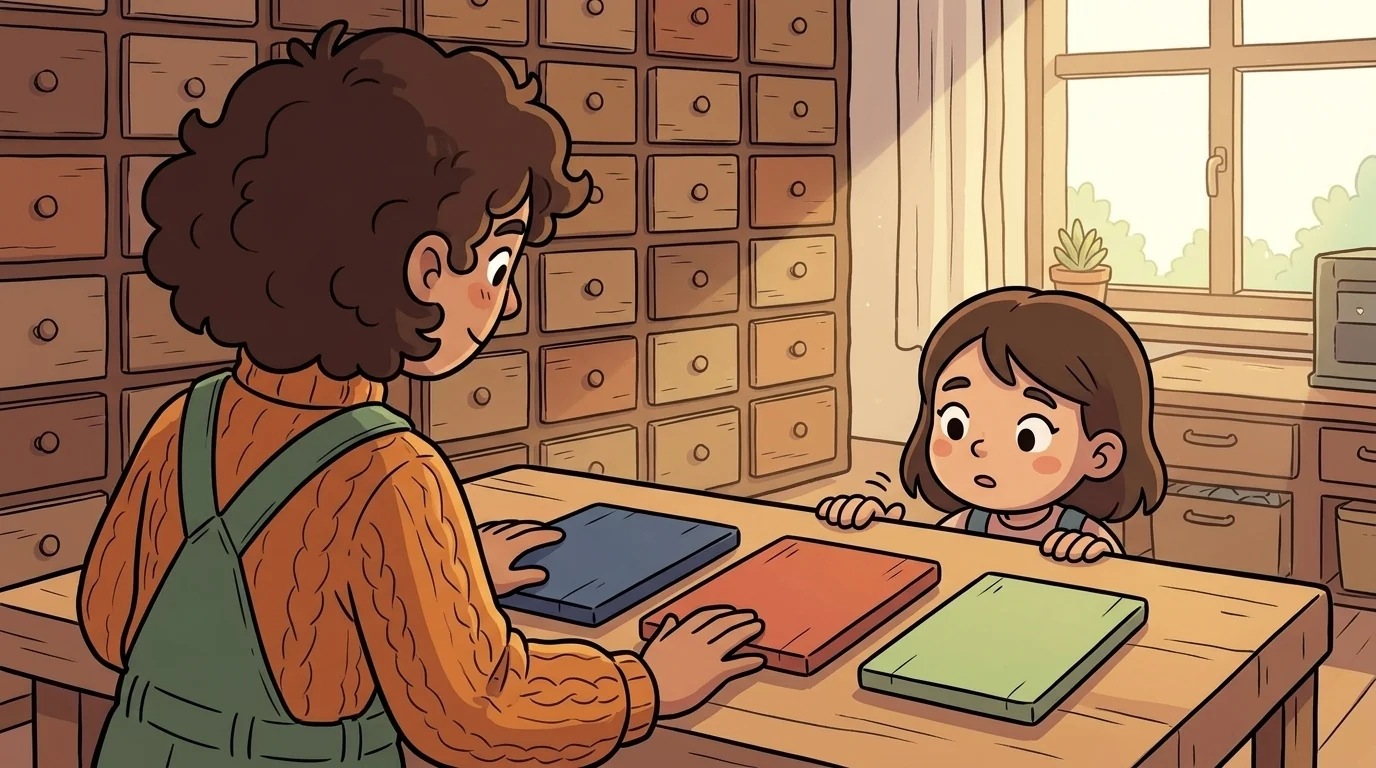
In her workshop she teaches the way she was taught — with her hands, in pieces. A student came to her once nearly in tears over a spelling test, convinced she was "bad at big words." Radicle did not tell her she was wrong. She opened a drawer.
"Give me a root," she said. "Any one."
"Struct?" the student said. "I don't even know what it means."
"You know construction. You know structure. You know a building gets destroyed." Radicle laid three little tiles on the bench. "So struct means —"
The girl stared at the tiles. "...build?"
"Build." Radicle slid a DE- in front. "And de- means down, or undo."
"Destruct. Un-build. Knock down."
"Now the end." Radicle set an -ION after it. The girl read the whole thing off the bench — DE · STRUCT · ION — destruction, the act of un-building — and something in her face changed. She had not memorized it. She had assembled it. A big word had come apart in her hands and gone back together, and it had obeyed her.
"You are not bad at big words," Radicle said. "You just did not know they came in pieces. Everything big is made of small things bolted together. Including" — she tapped the girl once, lightly, on the shoulder — "you."
Later, when the workshop was empty, the girl came back to ask one more question. "How do you know so many roots?"
Radicle looked at her wall of drawers — hundreds of them now, built one at a time over a whole life of listening. "I didn't, once," she said. "I started with one. Port — carry. Just the one." She smiled the small, private smile of someone remembering being small. "And every root I learned let me grow ten more words. And every word I grew showed me another root I didn't have yet. So I built another drawer. And another." She closed the drawer softly. "A whole garden, from one seed. That's the thing nobody tells you when you feel small. Small is where the big things start."
The girl went home and, that night, took the longest word she could find and broke it gently into its pieces on the kitchen table, the way you'd unfold something you'd been afraid of, and found — to her genuine surprise — that it had been trying to tell her what it meant the whole time.
The WordForge ensemble
Radicle is part of WordForge's distributed-narrative cast. Each character embodies a different curricular primitive; together they teach the full subject.
-
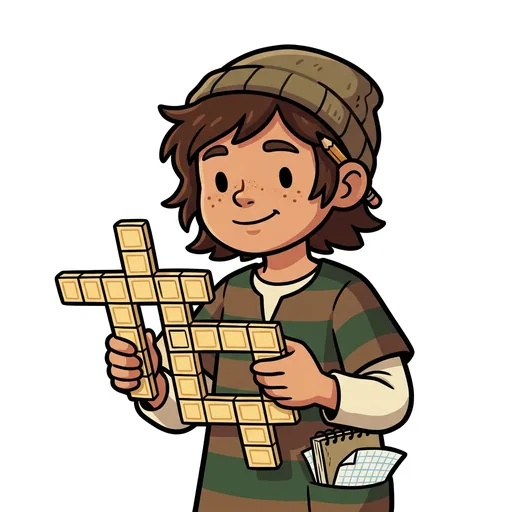
Acrostica
Crossword construction — builds grids where every letter satisfies two crossing words at once
-
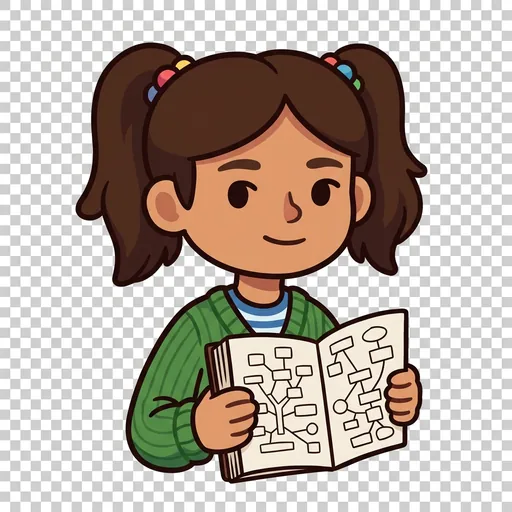
Origo
Etymology / word origins — traces a word back through its ancestor languages
-

Anna Gram
Anagram / letter manipulation — rearranges the exact same letters into new words
-
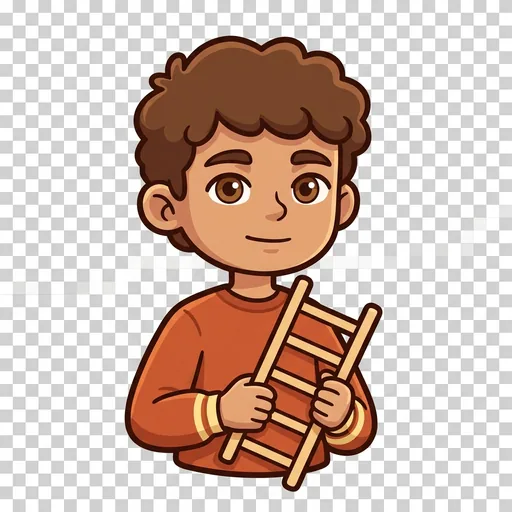
Rung
Word ladder — climbs word→word changing exactly one letter per step
-
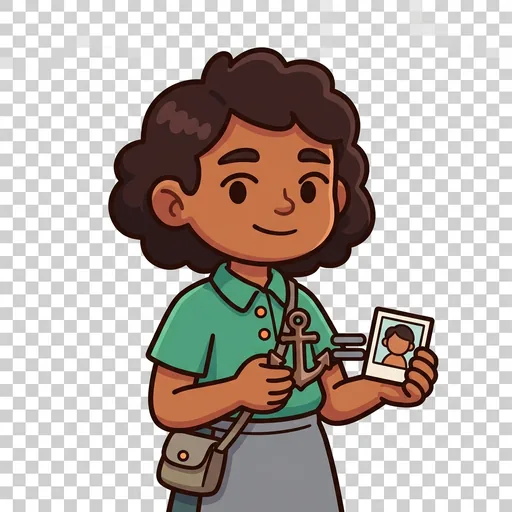
Metaphora
Figurative language — sets two things side by side and says one IS the other
-

Tinge
Nuance / connotation — sorts near-synonyms by their exact shade of feeling
-

Rebus
Double-meaning / cryptic clues — refuses the obvious reading and finds the hidden second one
-
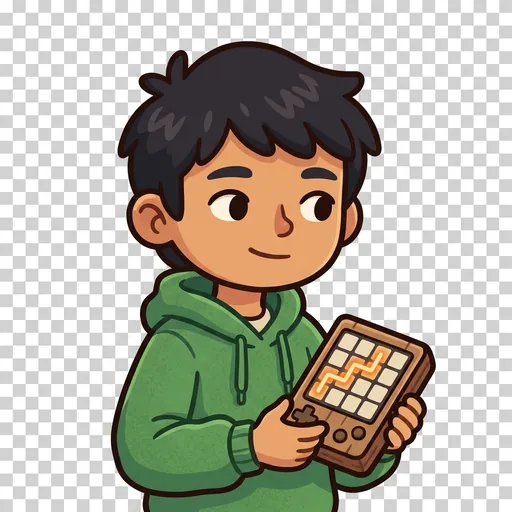
Boggs
Adjacency word-search — traces a path through touching letters to find hidden words
-

Vellum
The arcade keeper (mentor) — introduces each format and normalizes not knowing a word