Acrostica
CROSSWORD CONSTRUCTION — building a grid where every filled square belongs to TWO words at once (an across and a down), so each letter must satisfy two clues simultaneously. The crossing letters are constraints that tell you what fits.
Loading audio…
Press play to listen along. The line being read lights up as you go.
Show full transcript
Loading transcript…
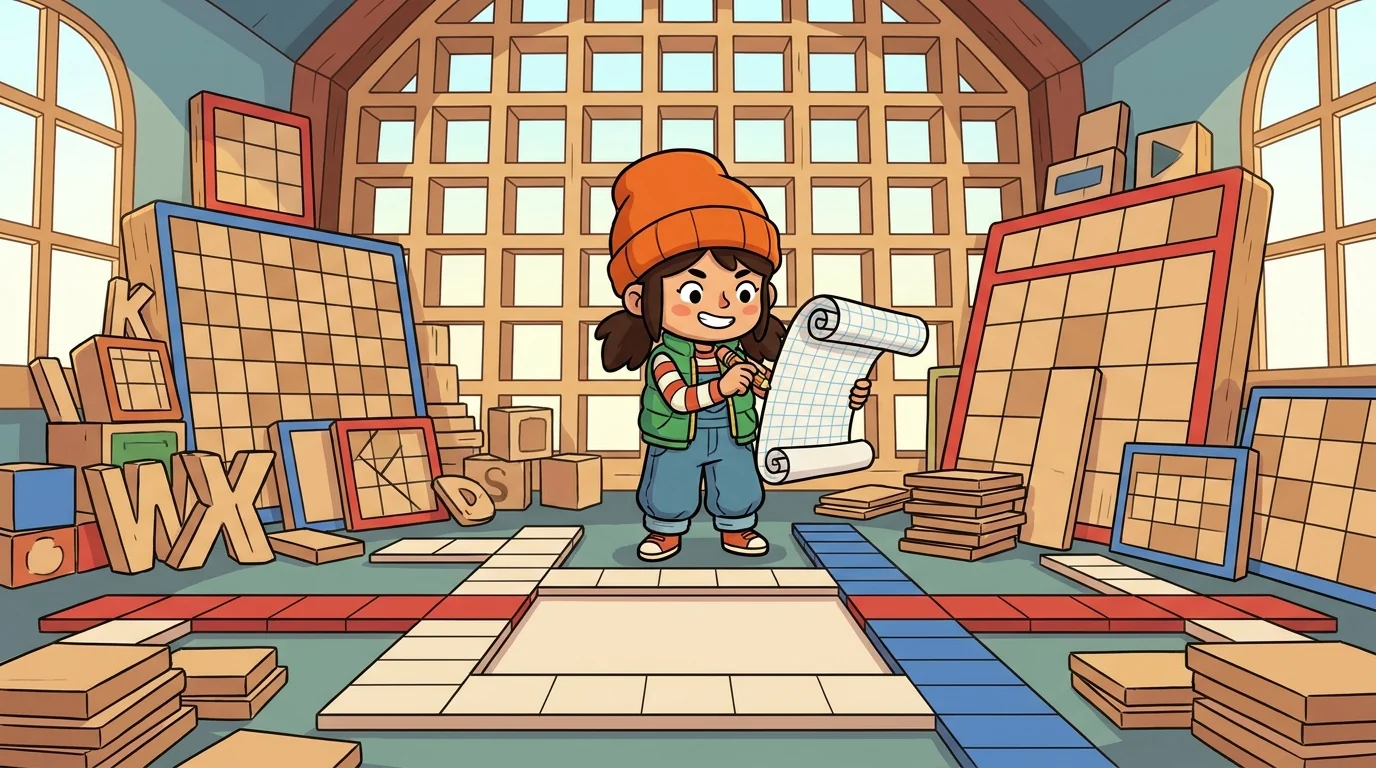
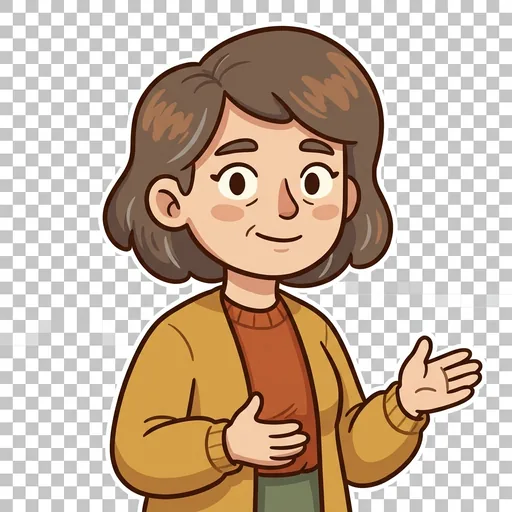
Acrostica builds rooms out of words, and every square in every room has to answer to two bosses at once.
That is what a crossword is, she'll tell you — not a list of clues but a grid, a place where an "across" word and a "down" word share a single square, so the letter sitting there has to be right for both. "One square, two words," she says, tapping a pencil on the graph paper she carries everywhere. "Every letter is a promise you made to two people. The trick is keeping both promises with the same letter."
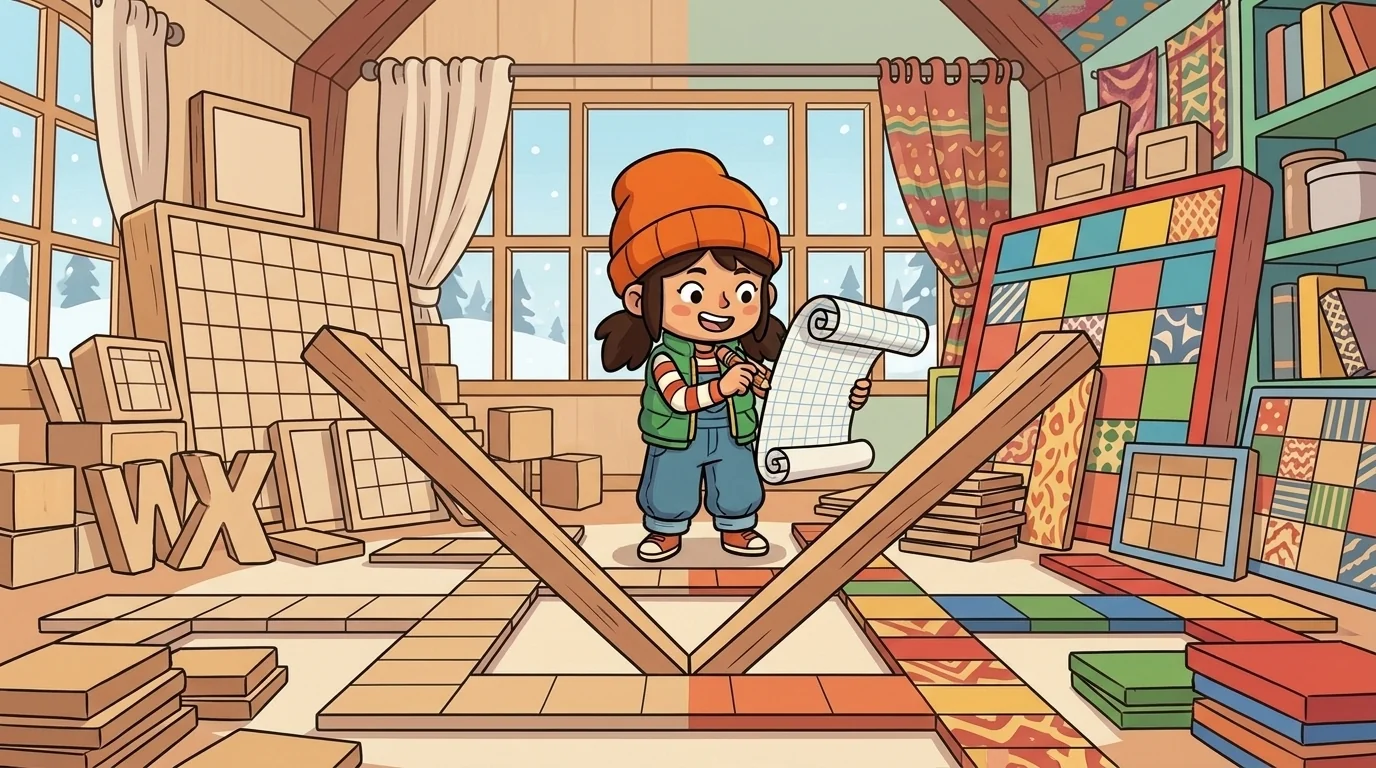
She learned the trick before she knew it had a name.
Acrostica grew up between two households — a week here, a week there — and for a long time it felt like being two different kids. There was the kid her mother's quiet house expected, and the kid her father's noisy house expected, and small Acrostica spent a lot of energy trying to be a different person in each place. It was exhausting. She felt like she was always failing one of them.
Then one winter she got a book of crossword puzzles, and something in her chest went still.
Here was a whole world built on the thing she'd been fighting. A letter in a crossword did not get to be one thing here and a different thing there. It had to be the same letter in both directions — right for the across word and right for the down word at the same time. And the puzzle wasn't impossible. It was solvable. There was, for every square, a letter that kept both promises.
She stopped trying to be two kids. She started trying to be one person both houses could recognize. It was the crossword that taught her it was possible.
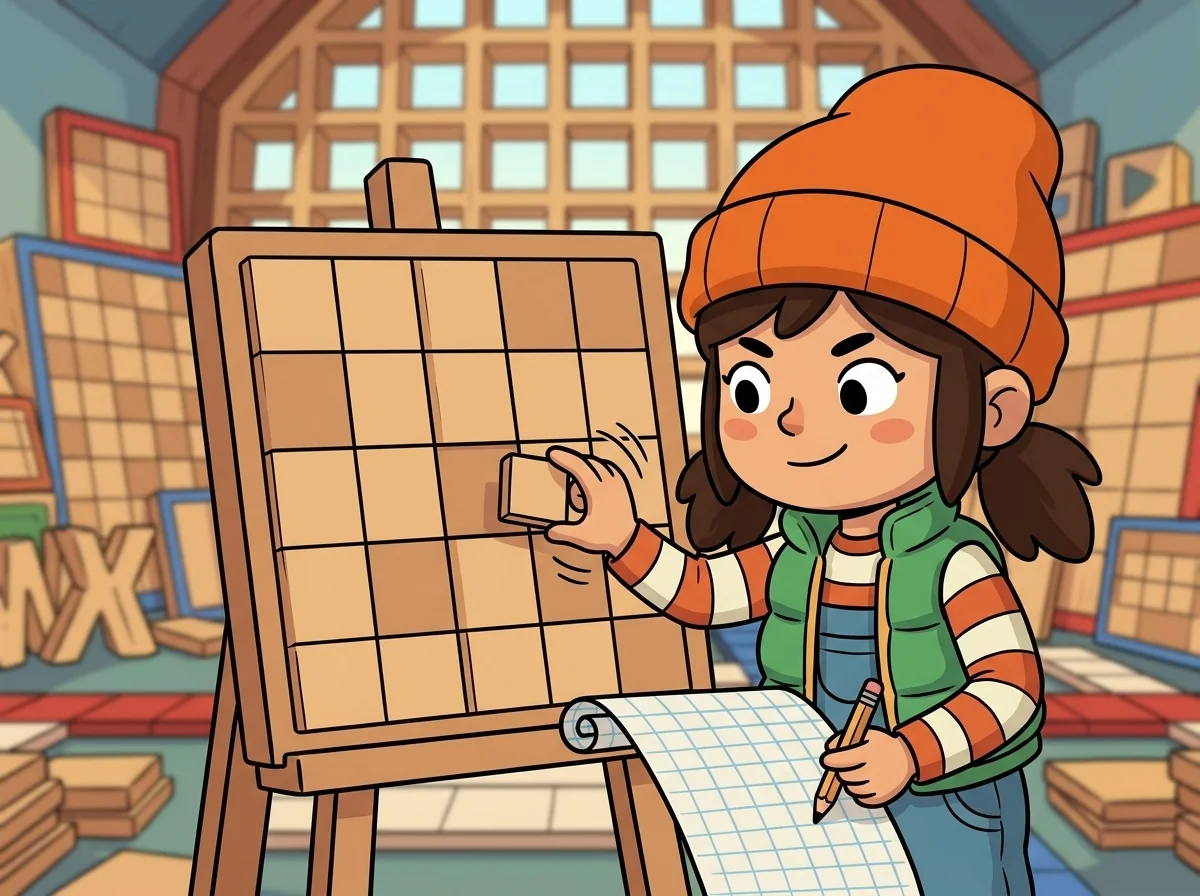
By the time she reached the WordForge academy she was building grids of her own. On her entrance day the head handed each apprentice an empty 5×5 grid and one instruction: fill it so that every across and every down is a real word.
The others filled in across words and watched their down words turn to nonsense. Acrostica worked differently. She never wrote a letter for just one word. Before she placed a single tile she would look at the square and ask it two questions — what does the across word need here, and what does the down word need here? — and she only wrote the letter that answered both.
When she was done, the head read her grid across and then down and then across again, and every line was a word. "You didn't fill a grid," he said. "You satisfied it. Every square is doing two jobs."
"Every square was always doing two jobs," Acrostica said. "Most people just fill in one direction and hope. I ask both directions first."
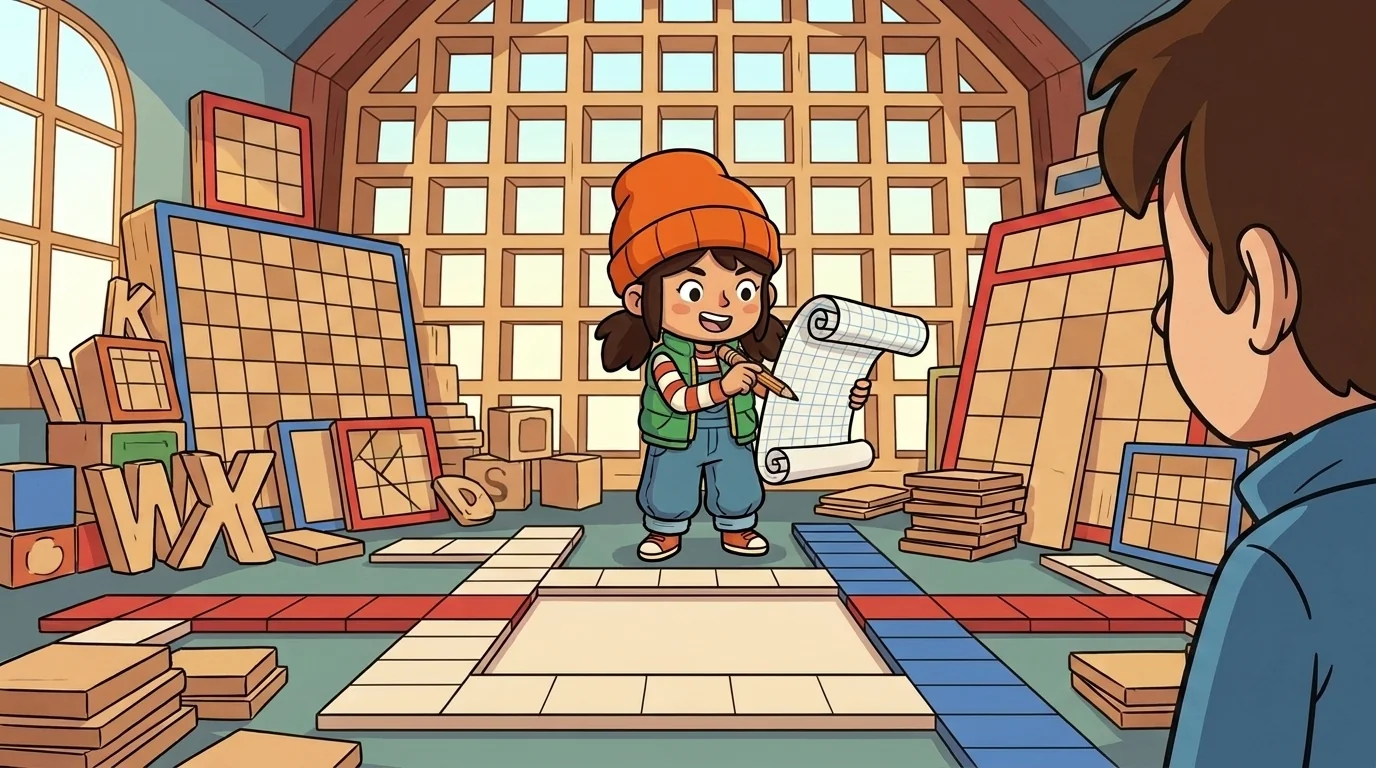
Her workshop is a wall of half-finished grids, and students come to her stuck. A boy once brought her a puzzle he'd given up on. "It's impossible," he said. "I put SHINE across and now the down word starts S-H and there's no word."
Acrostica didn't erase anything. She pointed at the crossing square — the one where his across word and the down word met. "This letter," she said. "It has to work both ways. You chose it for SHINE. Did you check the down?"
"...no."
"Then don't choose it for one word. Choose it for the crossing." She covered the across clue with her hand so he could only see the down. "What does the down word need in this square?" He thought. "An A?" She uncovered the across. "Does an A still let you finish an across word from here?" His eyes moved. "...SHAME? SHALE?" The grid, which had been "impossible," quietly came unstuck — not because he'd found a better across word, but because he'd started letting the crossing letter tell him what fit.
"The crossing isn't the hard part," Acrostica said. "The crossing is the help. It's two clues pointing at the same square. Two clues are easier than one — they leave fewer letters that could possibly fit."
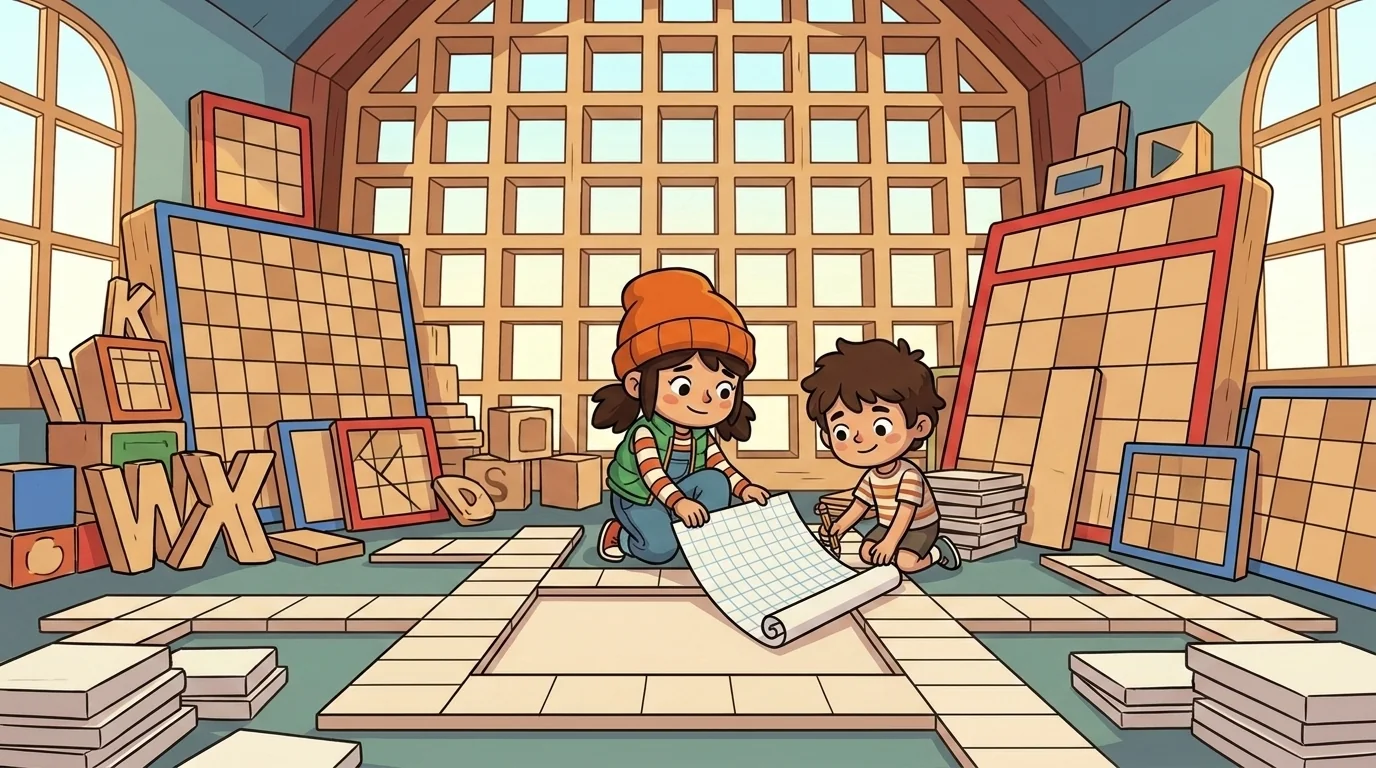
The boy came back the next day having finished the whole puzzle, and he had a strange, pleased look on his face. "It got easier near the end," he said, as if reporting a magic trick. "The more squares I filled, the more the crossings decided the rest for me."
"That's the secret nobody believes at first," Acrostica said. She looked, for a moment, less like a puzzle-maker and more like someone remembering being two kids in two houses. "A square that has to satisfy two things feels harder. But it isn't. Two clues narrow it down. When something in your life has to be right in two directions at once, it can feel like too much. But often it's the thing that finally tells you exactly who to be." She handed him a fresh empty grid. "Now build one for someone else."
The WordForge ensemble
Acrostica is part of WordForge's distributed-narrative cast. Each character embodies a different curricular primitive; together they teach the full subject.
-
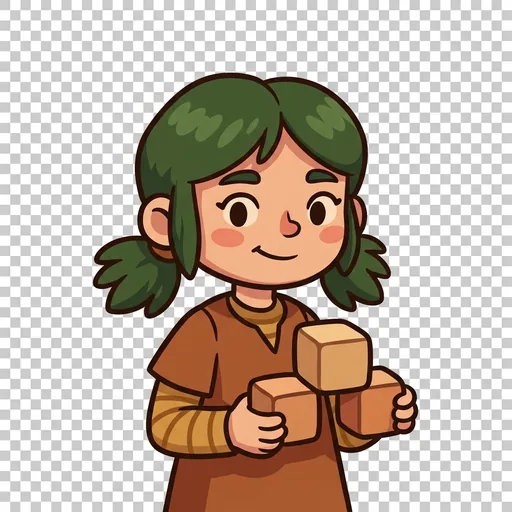
Radicle
Morphology / word-building — bolts a prefix and suffix onto a root to grow new words
-
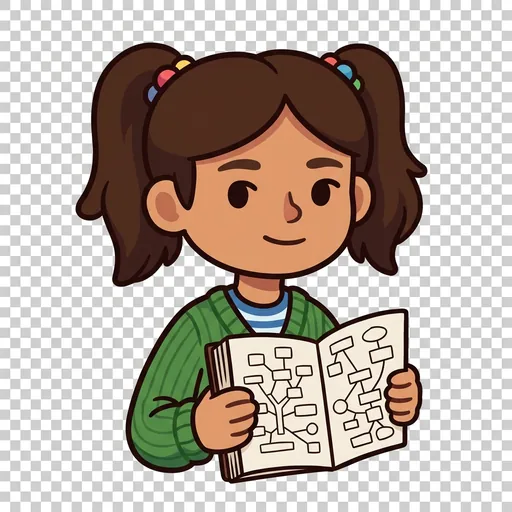
Origo
Etymology / word origins — traces a word back through its ancestor languages
-
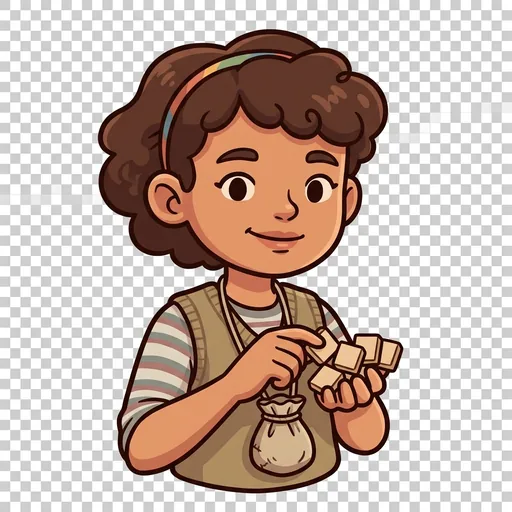
Anna Gram
Anagram / letter manipulation — rearranges the exact same letters into new words
-
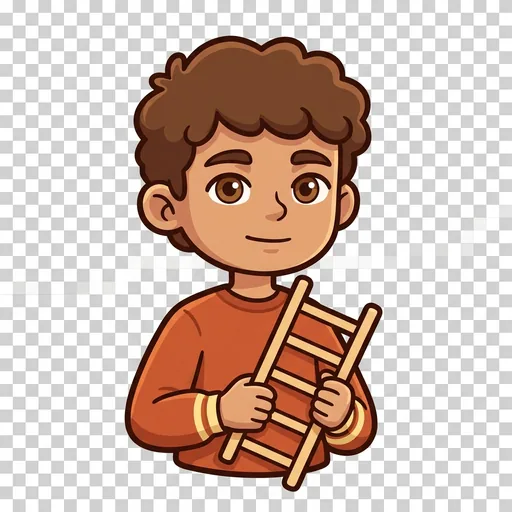
Rung
Word ladder — climbs word→word changing exactly one letter per step
-
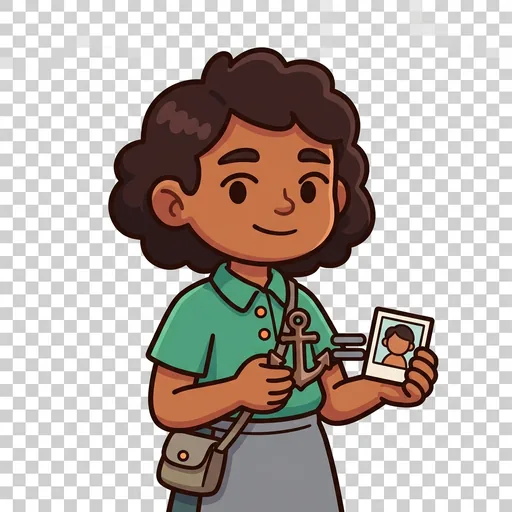
Metaphora
Figurative language — sets two things side by side and says one IS the other
-
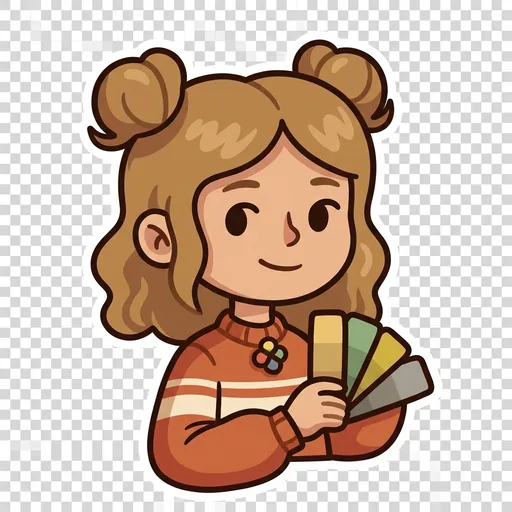
Tinge
Nuance / connotation — sorts near-synonyms by their exact shade of feeling
-
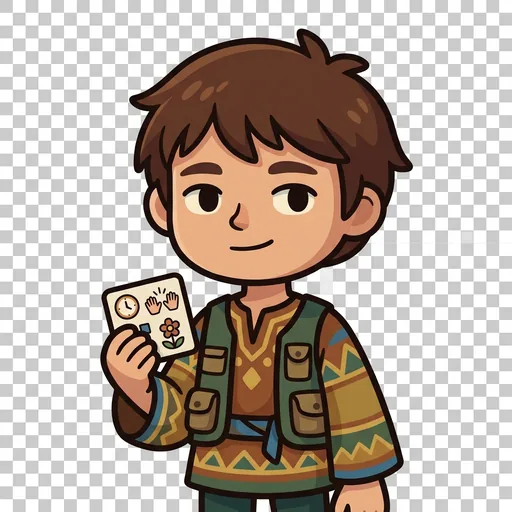
Rebus
Double-meaning / cryptic clues — refuses the obvious reading and finds the hidden second one
-
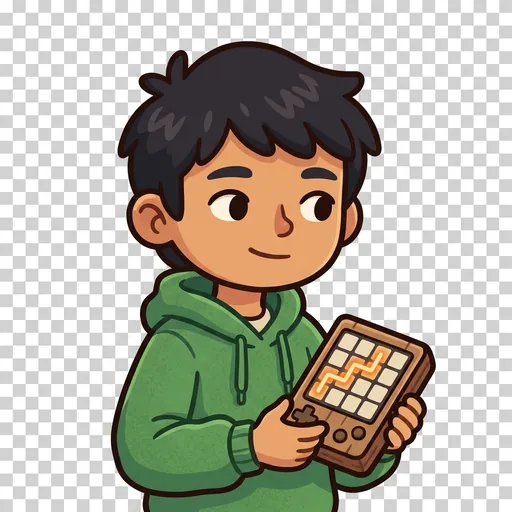
Boggs
Adjacency word-search — traces a path through touching letters to find hidden words
-
Vellum
The arcade keeper (mentor) — introduces each format and normalizes not knowing a word