
Boggs
ADJACENCY WORD-SEARCH (Boggle) — words hide inside a grid of letters, spelled by stepping from each letter to a TOUCHING neighbour; you don't rearrange the letters, you walk a path through them, scanning a jumble for the trails that spell real words
Loading audio…
Press play to listen along. The line being read lights up as you go.
Show full transcript
Loading transcript…
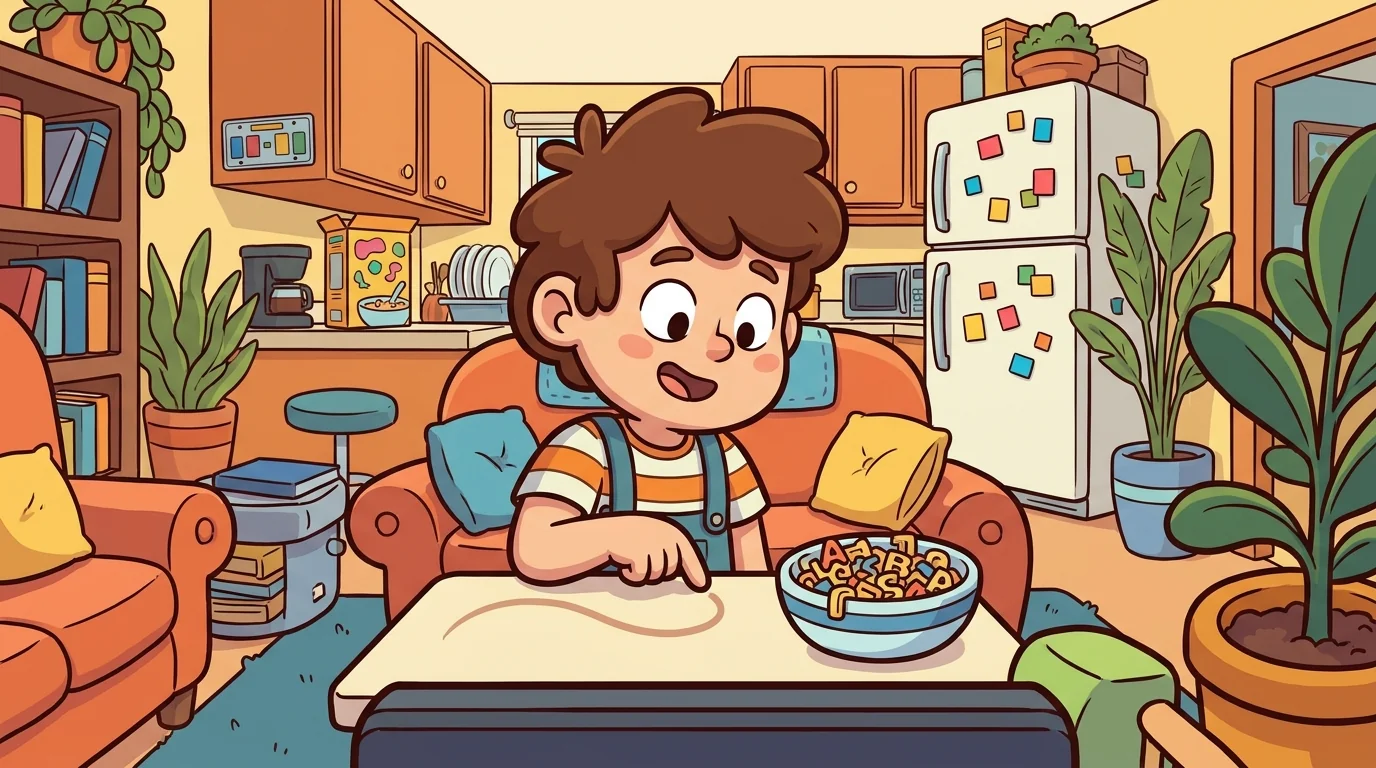
Boggs looked at a grid of random letters the way a tracker looks at a forest floor: to everyone else it was noise, but he saw trails.
"A word-search grid isn't a mess," he told the solvers. "It's a map with the roads faded out. Every real word is a path — start on a letter, step to a touching neighbour, step again, and if the letters spell something, you've found a trail. You don't move the tiles like Anna Gram does. The letters stay put. You walk them."
He taught the difference that beginners always blurred.
"An anagram rearranges loose letters. A word-search does NOT — the letters are fixed in the grid, and a word only counts if each letter touches the next, up-down-sideways-or-diagonal. So the skill isn't rearranging. It's scanning for adjacency — training your eye to notice when three or four touching letters happen to spell a beginning you know."
The subtext the older solvers heard was about attention — that finding things in chaos is a trainable skill, not luck; you learn to see the pattern you're hunting for, and then it leaps out everywhere.
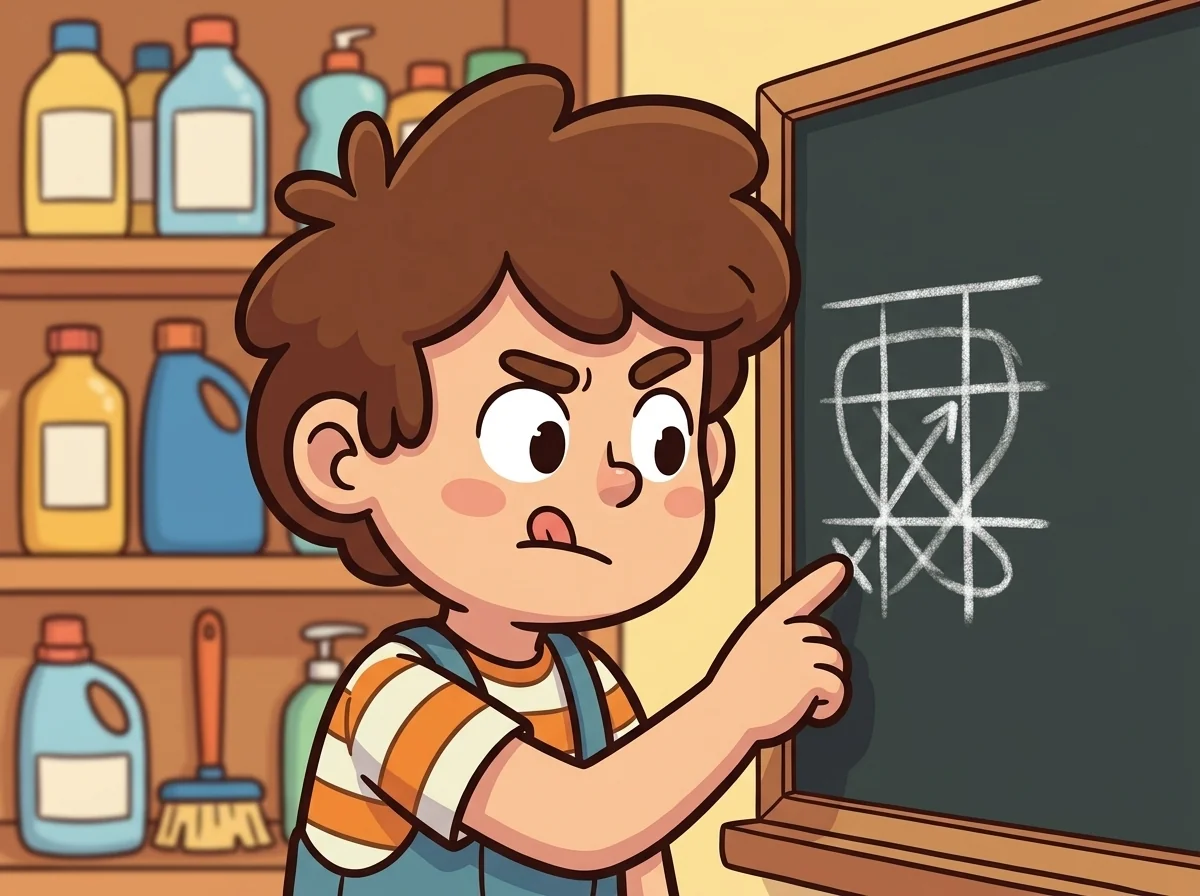
Boggs shared how he'd gone from hopeless to fast.
"When I started I scanned randomly, eyes darting everywhere, finding nothing, feeling stupid. Then I changed one thing: instead of hunting whole words, I hunted beginnings. I'd sweep the grid for a T-H, an S-T, an -ING knot of touching letters — the common openings and endings. Find a start, and you only have to check the few neighbours it could continue into. I stopped searching the whole forest and started following the paths that were most likely to lead somewhere."
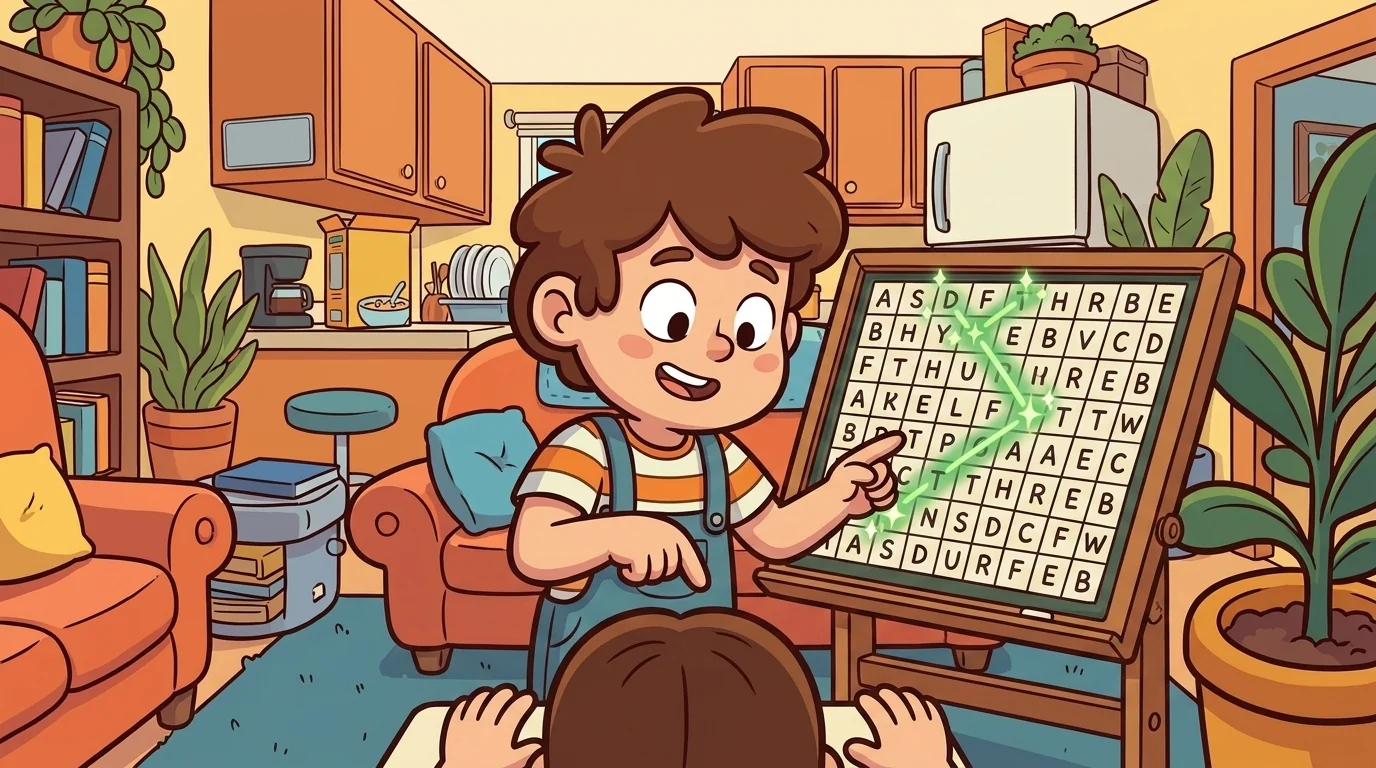
The Host handed him a dense grid and asked him to think aloud.
"First, common starts," Boggs said, eyes moving in deliberate sweeps. "There — S touching T touching A. STA... the A touches an R and an B. STAR? The R's neighbours... yes, STARE — E's right there touching the R. One trail." He traced it with a finger. "Now from the same S — S-P-I-N, all touching, SPIN. And the P also touches an A: SPA. I'm not scanning the whole grid over and over. I found two live starting letters and I'm walking every path out of them."
The solver watched the words surface. "They were all there the whole time."
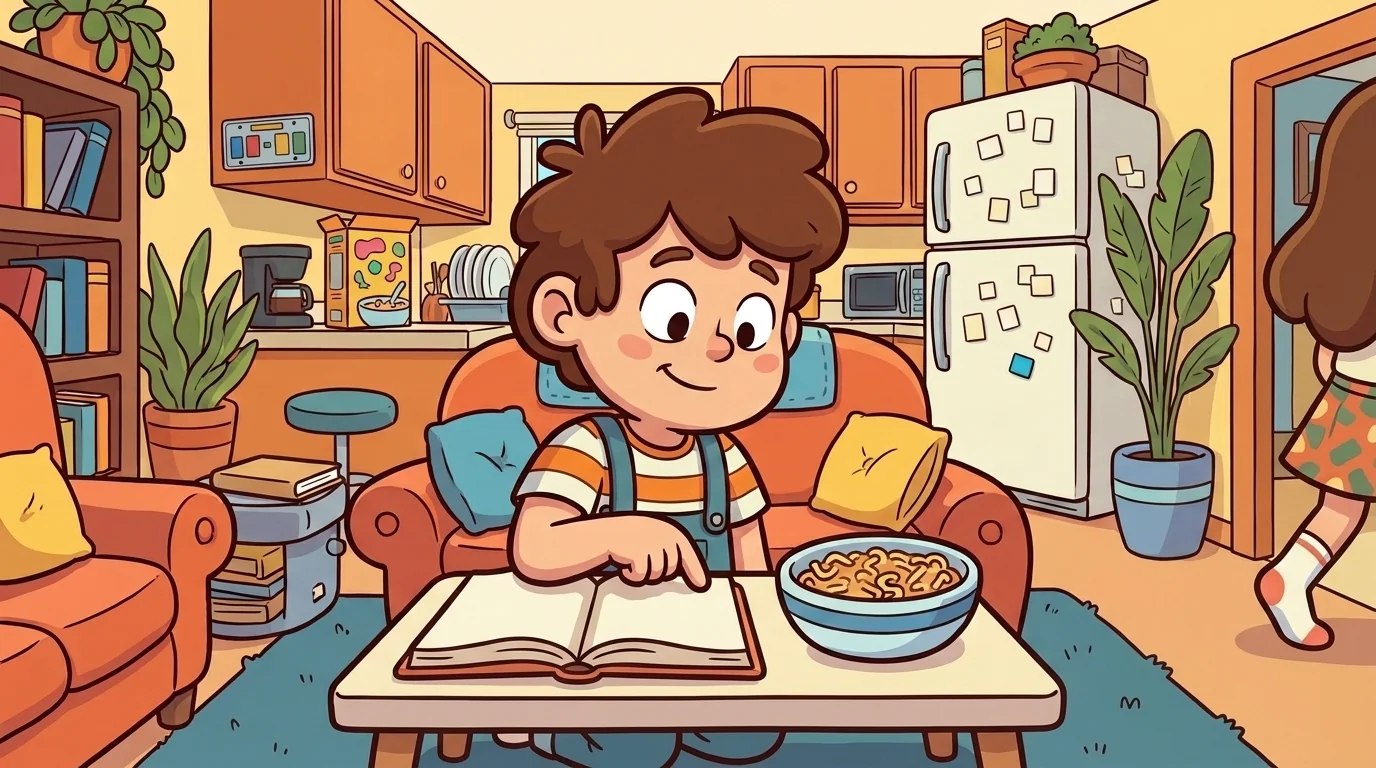
At the end Boggs gave them the tracker's lesson.
"When you're looking for something inside a jumble — a word, an answer, a pattern — don't scan the whole thing at random and hope," he said. "Find a foothold you recognize: a common start, a familiar shape. Then follow only the paths that lead out of it. The thing you're hunting is almost always already there, sitting in plain sight, waiting for an eye that knows what a trail looks like." He tapped a letter and traced a word out of it in one smooth line. "The grid never changes. What changes is you — you learn to see the roads."
The WordForge ensemble
Boggs is part of WordForge's distributed-narrative cast. Each character embodies a different curricular primitive; together they teach the full subject.
-
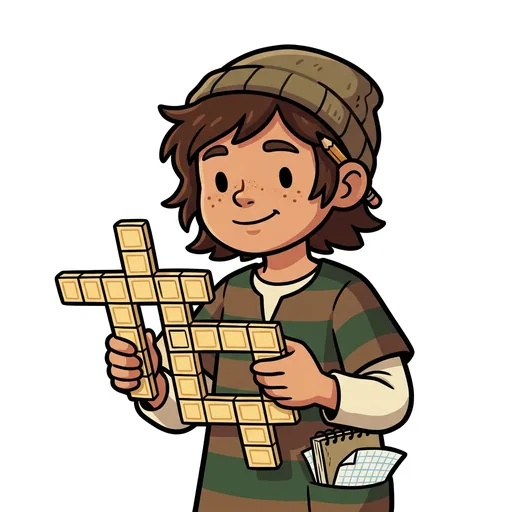
Acrostica
Crossword construction — builds grids where every letter satisfies two crossing words at once
-
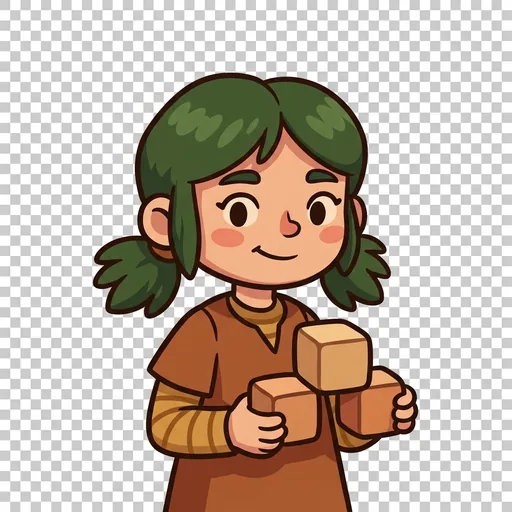
Radicle
Morphology / word-building — bolts a prefix and suffix onto a root to grow new words
-
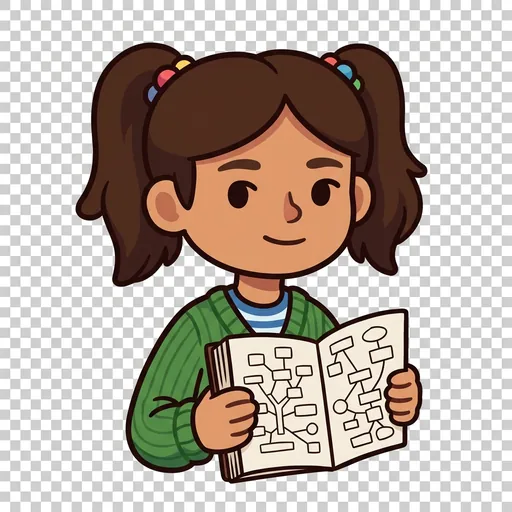
Origo
Etymology / word origins — traces a word back through its ancestor languages
-
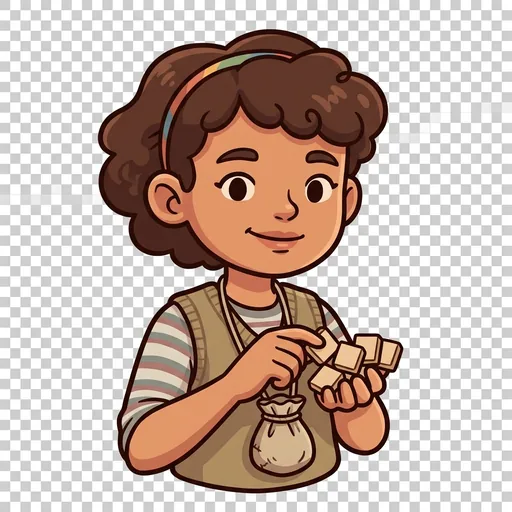
Anna Gram
Anagram / letter manipulation — rearranges the exact same letters into new words
-
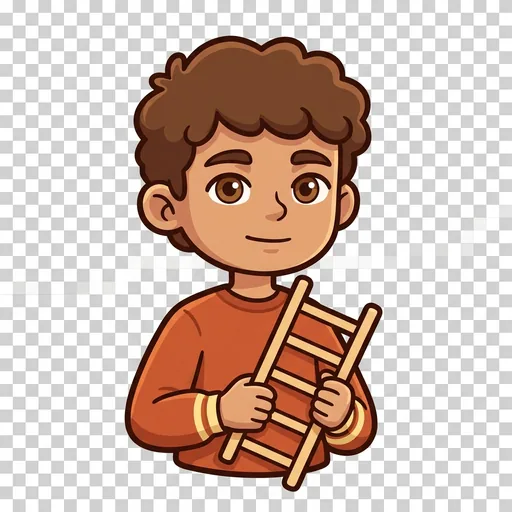
Rung
Word ladder — climbs word→word changing exactly one letter per step
-
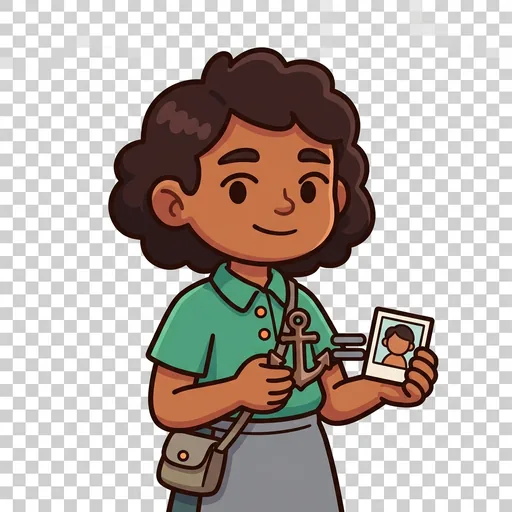
Metaphora
Figurative language — sets two things side by side and says one IS the other
-

Tinge
Nuance / connotation — sorts near-synonyms by their exact shade of feeling
-
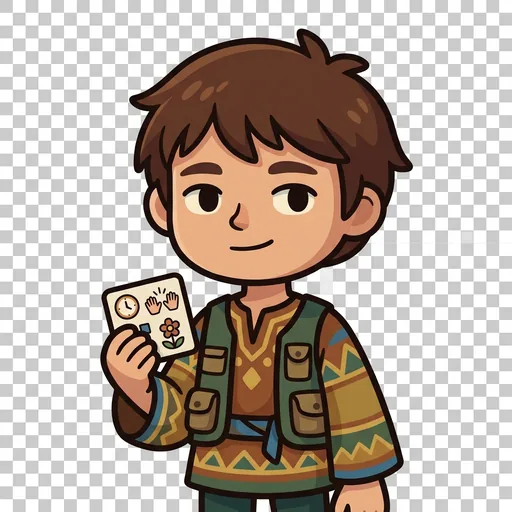
Rebus
Double-meaning / cryptic clues — refuses the obvious reading and finds the hidden second one
-
Vellum
The arcade keeper (mentor) — introduces each format and normalizes not knowing a word