
Metaphora
FIGURATIVE LANGUAGE — a metaphor says one thing IS another (the classroom was a zoo); a simile says one thing is LIKE another (brave as a lion); you borrow what everyone already feels about the second thing and hand it to the first, the words stay literal but the meaning goes somewhere new
Loading audio…
Press play to listen along. The line being read lights up as you go.
Show full transcript
Loading transcript…
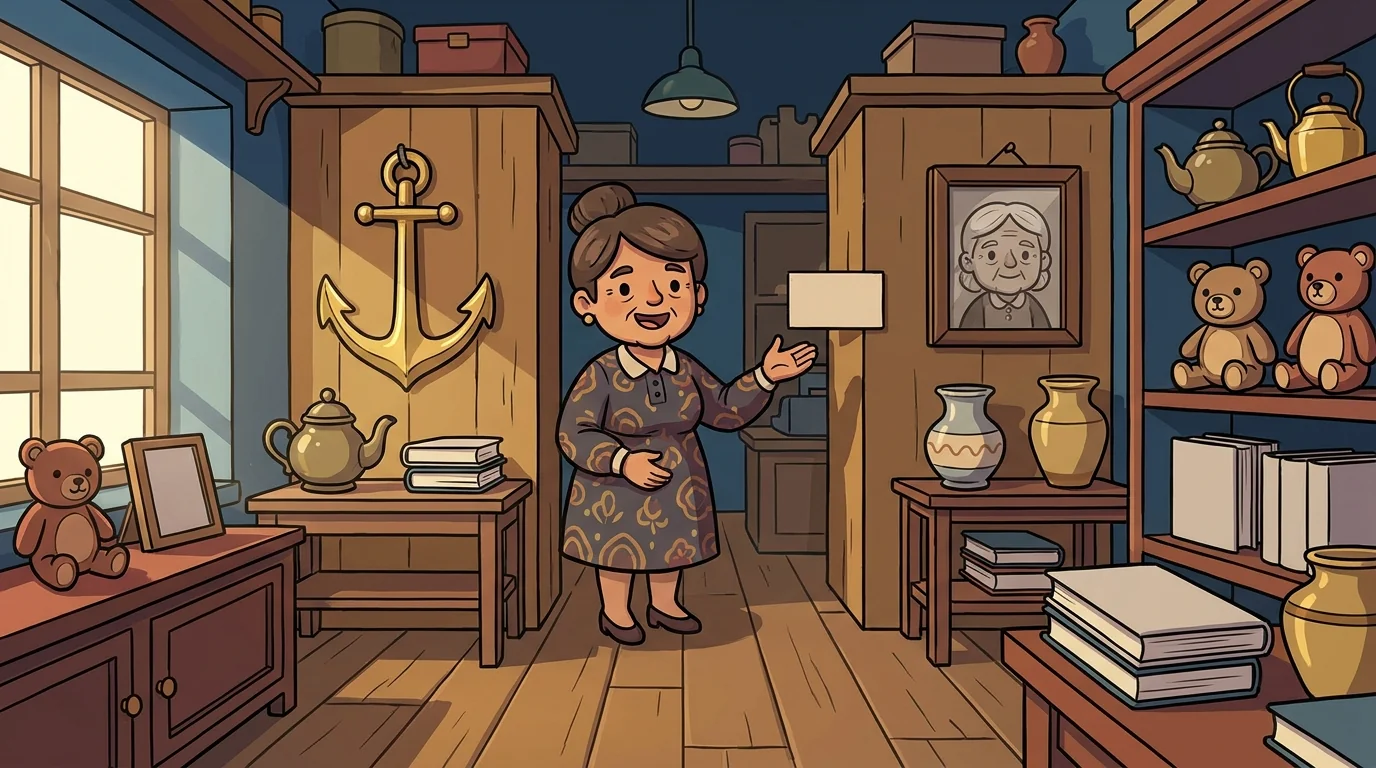
Metaphora traded in a strange currency: she made people understand new things by handing them feelings they already owned.
"A metaphor is a loan," she told the solvers. "When I say 'the classroom was a zoo,' I'm not claiming there were lions at the desks. I'm borrowing everything you already feel about a zoo — the noise, the chaos, the wildness — and lending it to the classroom. The words stay perfectly literal. But the meaning jumps somewhere the literal words could never reach on their own."
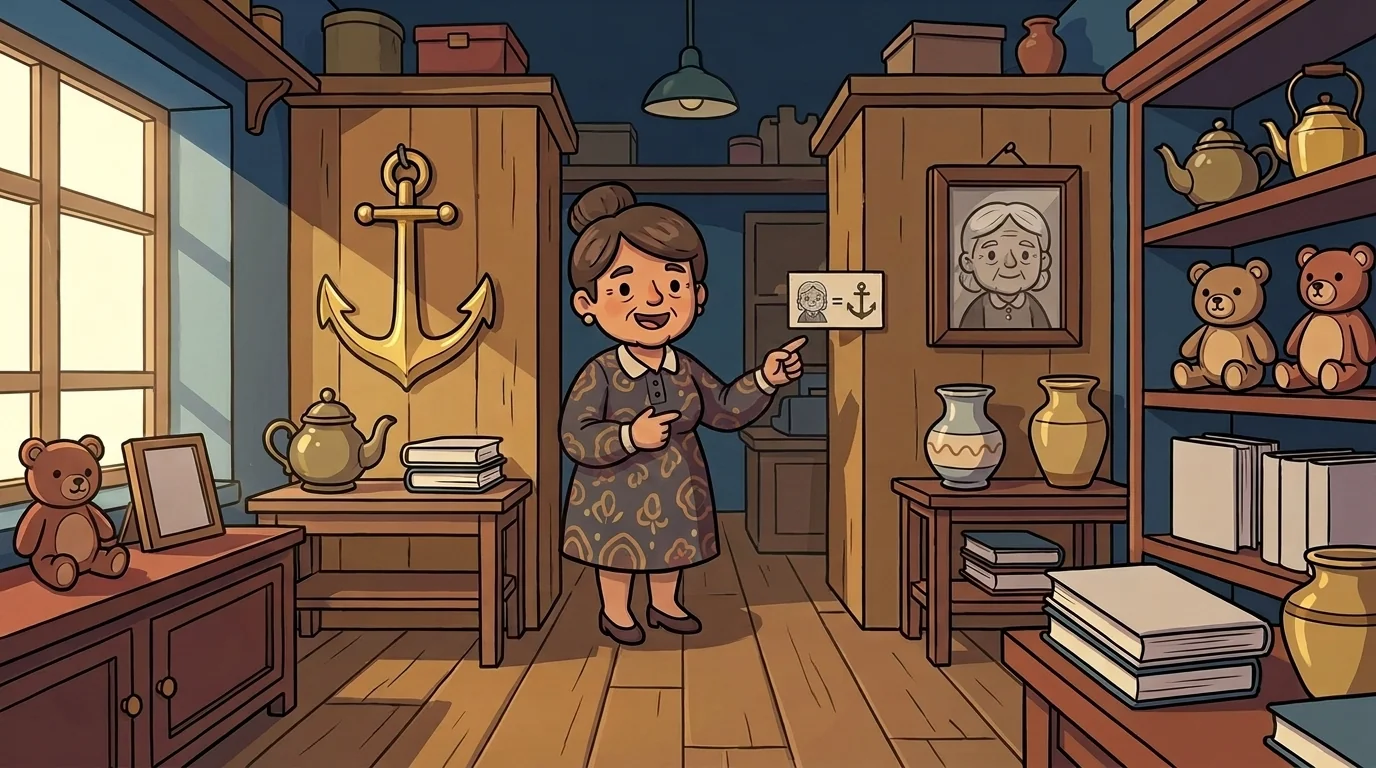
She drew the line between her two tools, because solvers always mixed them.
"A simile keeps the seam showing: 'brave as a lion,' 'quiet like a mouse.' You can see the stitch — the as, the like — where two things are held side by side. A metaphor hides the seam and just says it is: 'he was a lion out there.' No 'like,' no 'as' — the two things fuse. Same borrowing, but the metaphor is bolder; it doesn't compare, it declares."
The subtext the older solvers heard was about how understanding actually travels — that you learn a hard, new, abstract thing fastest by mapping it onto something familiar you already feel in your body.
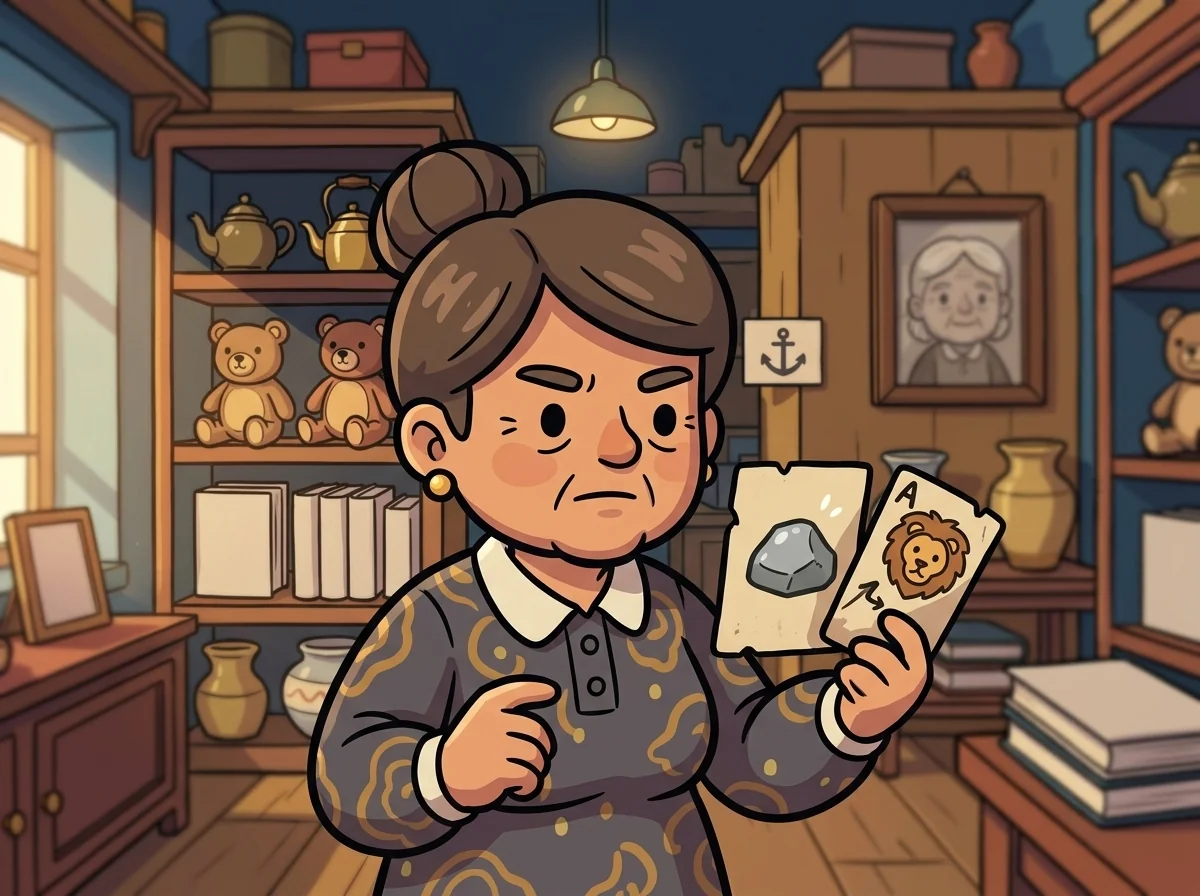
Metaphora confessed the trap she'd fallen into as a young writer.
"I loved comparisons so much I made bad ones," she said. "'Her smile was a refrigerator' — cold? bright? full of leftovers? Nobody knew, because a refrigerator carries too many feelings and none of them clearly. A metaphor only works if the two things share the exact quality you mean. 'Her smile was sunlight' works — we all agree sunlight is warm and welcome. Borrow a feeling everyone already shares, or you've handed your reader a locked box with no key."
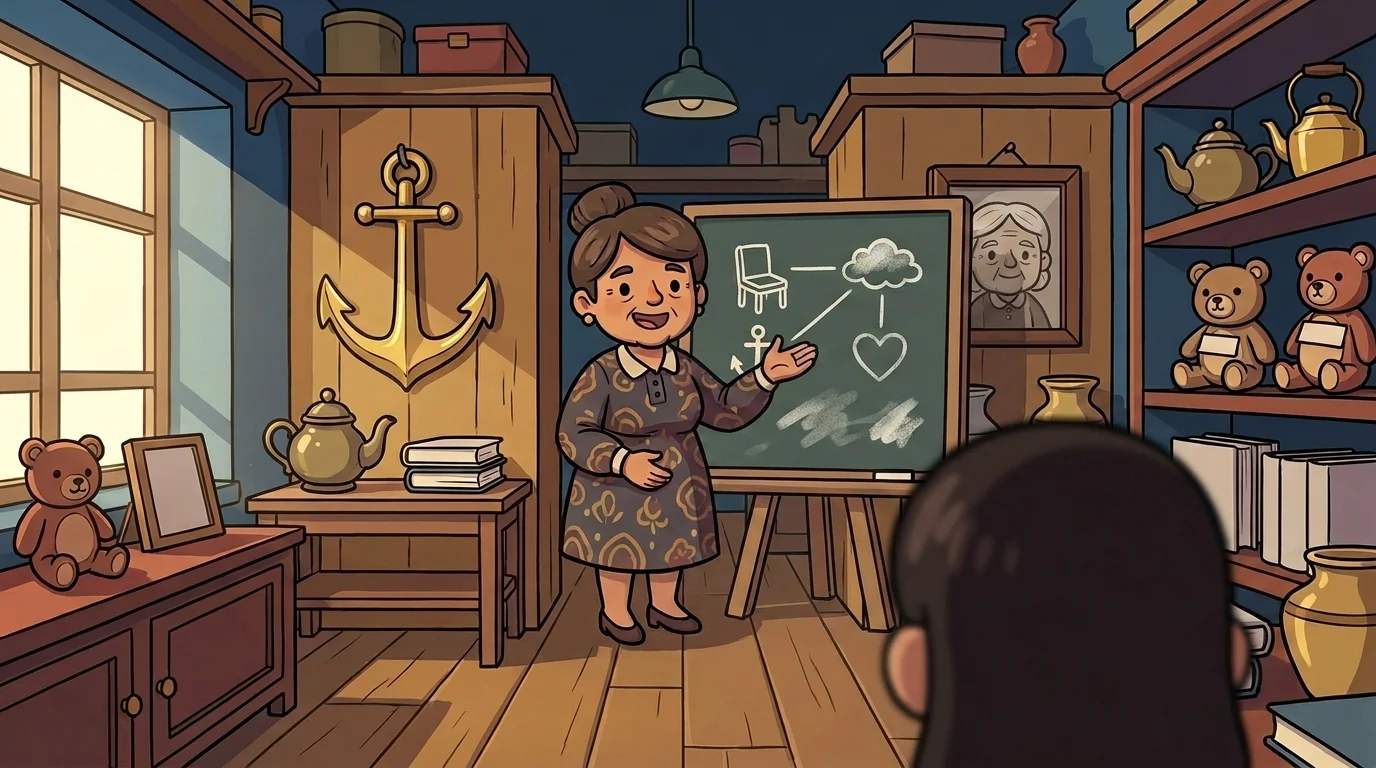
The Host asked her to fix a flat, literal sentence: The old man walked slowly down the street.
"Literal and true and completely forgettable," Metaphora said. "So I borrow. What moves slowly and carries weight and time? A river near its mouth. A glacier. 'The old man moved down the street like a glacier, in no hurry the world could rush.' Now you don't just know he was slow — you feel the patient, unstoppable weight of it. I didn't add facts. I added a borrowed feeling, through a like, so the seam shows and the picture lands."
The solver read it back. "The facts are the same. But now I can see him."
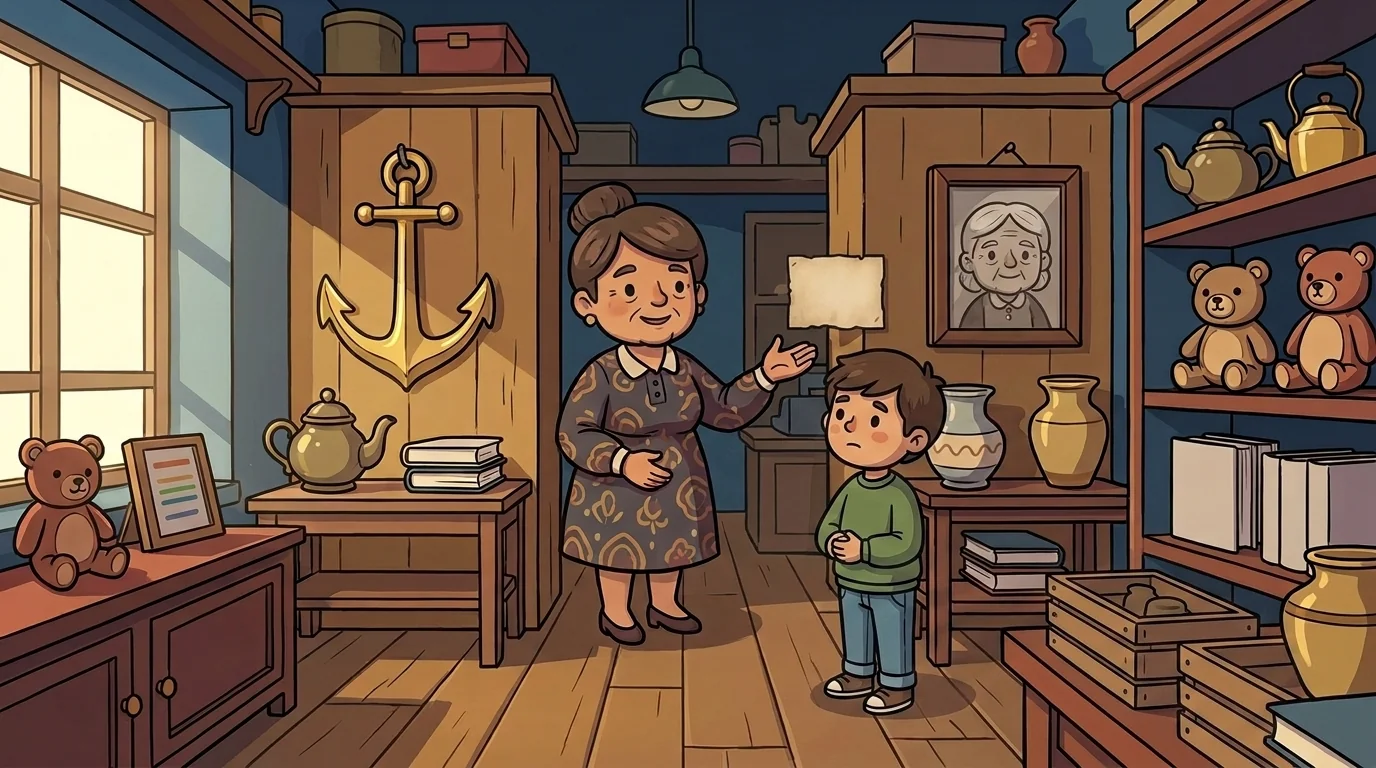
At the end Metaphora gave them the loan officer's rule.
"When you want someone to feel a new thing, don't pile on more literal words — reach for something they already feel, and lend it over," she said. "Say it's like that thing, or be bold and say it is that thing. But check the loan first: do the two things truly share the quality you mean? If they do, understanding crosses instantly, for free. If they don't, you've only made a prettier kind of confusion." She smiled. "The best comparisons don't decorate a meaning. They deliver one."
The WordForge ensemble
Metaphora is part of WordForge's distributed-narrative cast. Each character embodies a different curricular primitive; together they teach the full subject.
-
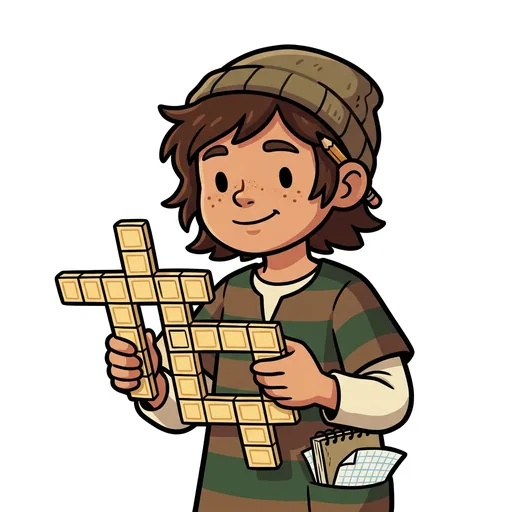
Acrostica
Crossword construction — builds grids where every letter satisfies two crossing words at once
-
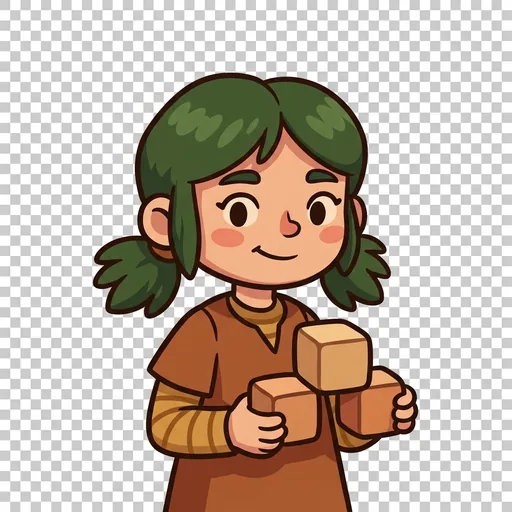
Radicle
Morphology / word-building — bolts a prefix and suffix onto a root to grow new words
-
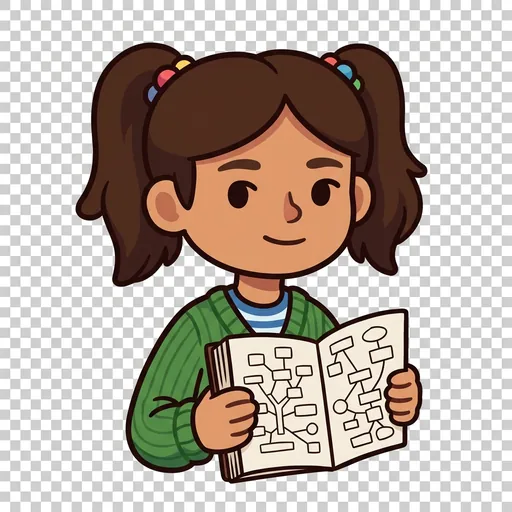
Origo
Etymology / word origins — traces a word back through its ancestor languages
-

Anna Gram
Anagram / letter manipulation — rearranges the exact same letters into new words
-

Rung
Word ladder — climbs word→word changing exactly one letter per step
-

Tinge
Nuance / connotation — sorts near-synonyms by their exact shade of feeling
-

Rebus
Double-meaning / cryptic clues — refuses the obvious reading and finds the hidden second one
-

Boggs
Adjacency word-search — traces a path through touching letters to find hidden words
-

Vellum
The arcade keeper (mentor) — introduces each format and normalizes not knowing a word