
Origo
ETYMOLOGY / WORD ORIGINS — every word has a history you can trace back through the languages it travelled through to the older word it grew from (salary from the Latin for salt; clue from a ball of thread); origins reveal meaning and connect word families
Loading audio…
Press play to listen along. The line being read lights up as you go.
Show full transcript
Loading transcript…
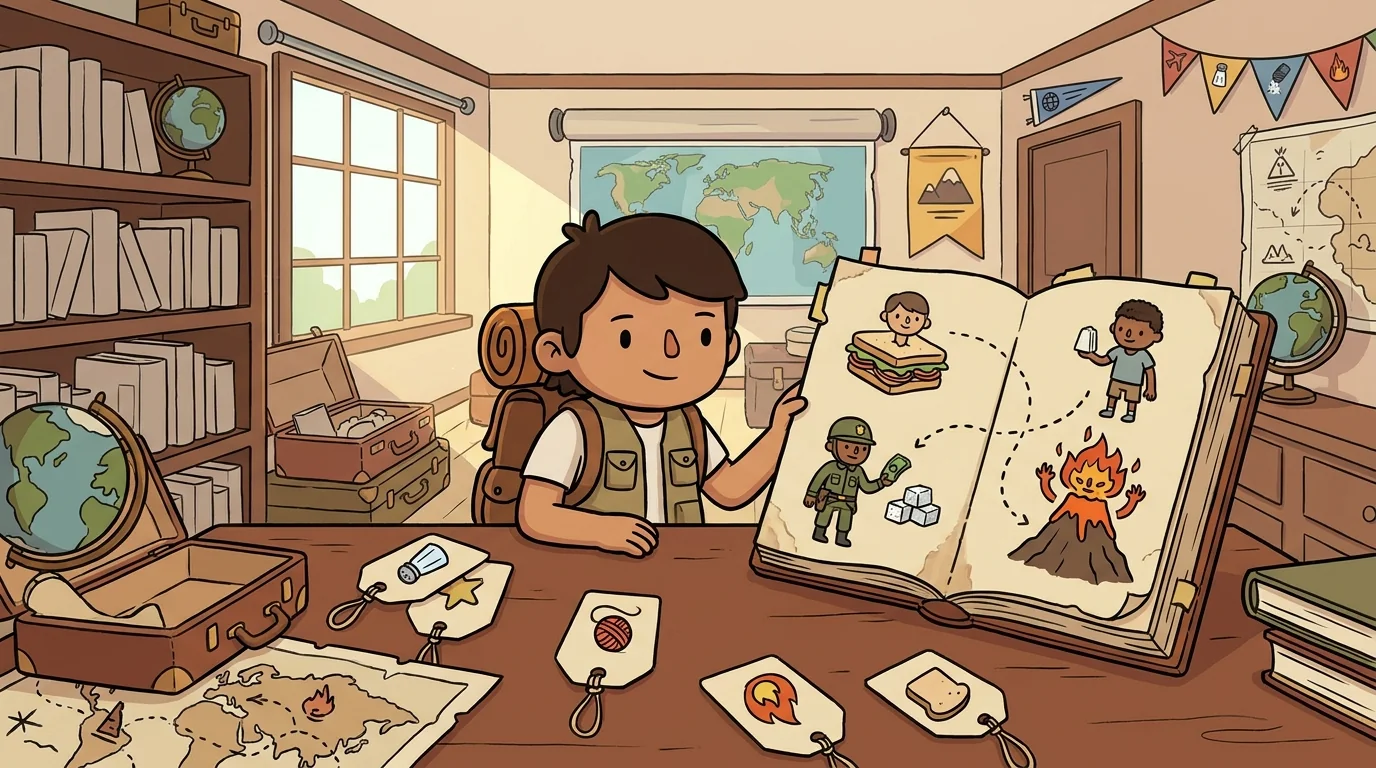
Origo treated words like travelers with passports, and she loved reading the stamps.
"Every word you say has been somewhere," she told the solvers. "It didn't appear out of nowhere. It travelled — through older languages, changing shape at each border, until it arrived in your mouth. And the trip is written right inside it, if you know how to read the stamps. 'Salary' came from the Latin salarium — money given to Roman soldiers to buy salt. Your paycheck is, secretly, still about salt."
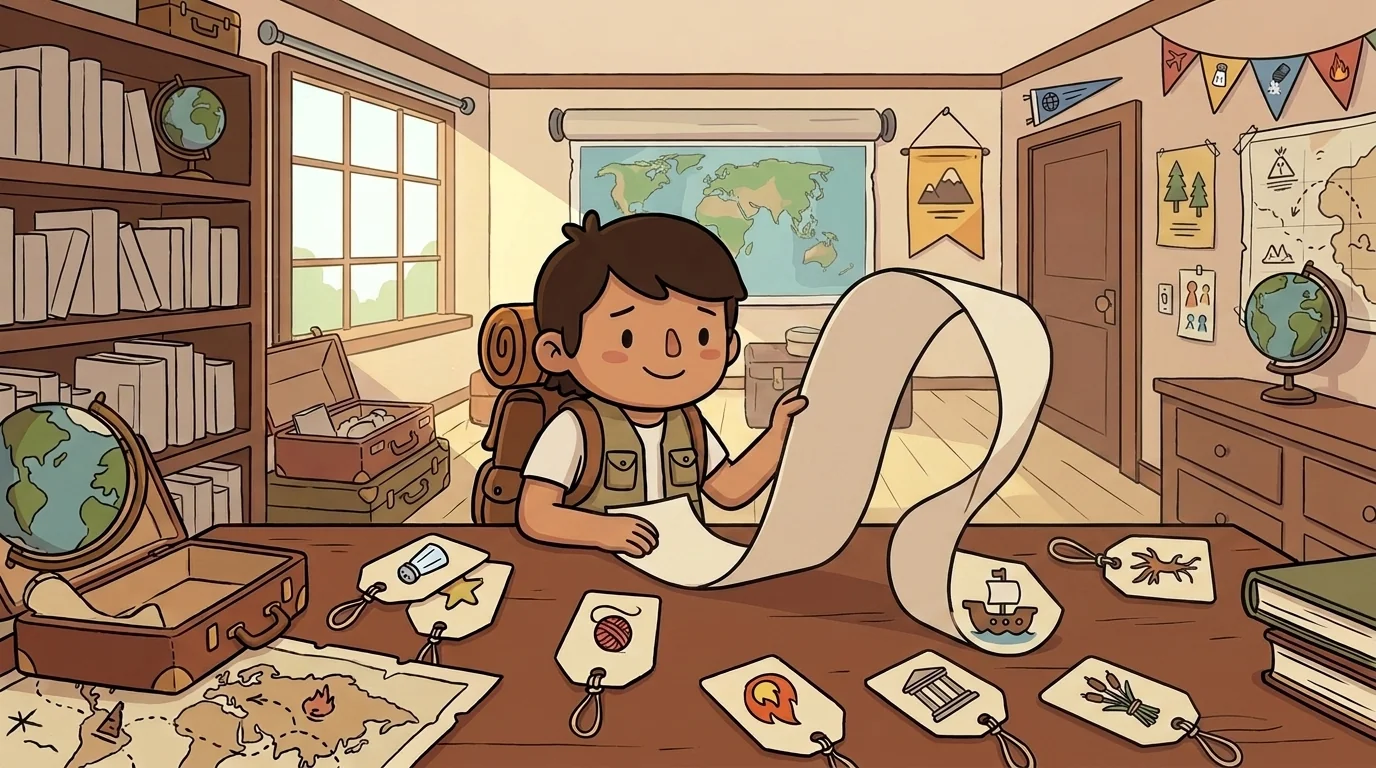
She taught why the trip matters, not just as trivia.
"Origins aren't decoration — they're a key," she said. "'Clue' comes from an old word for a ball of thread — the thread the Greek hero unwound to find his way out of the maze. So a clue was literally the thing that leads you out of a puzzle. Once you know that, you never forget what a clue is. History doesn't just tell you where a word's been. It hands you the word's true meaning, packed in a story you can't unhear."
The subtext the older solvers caught was about depth — that the surface of a thing makes more sense once you know what's underneath it, and that curiosity about origins is a kind of X-ray vision.
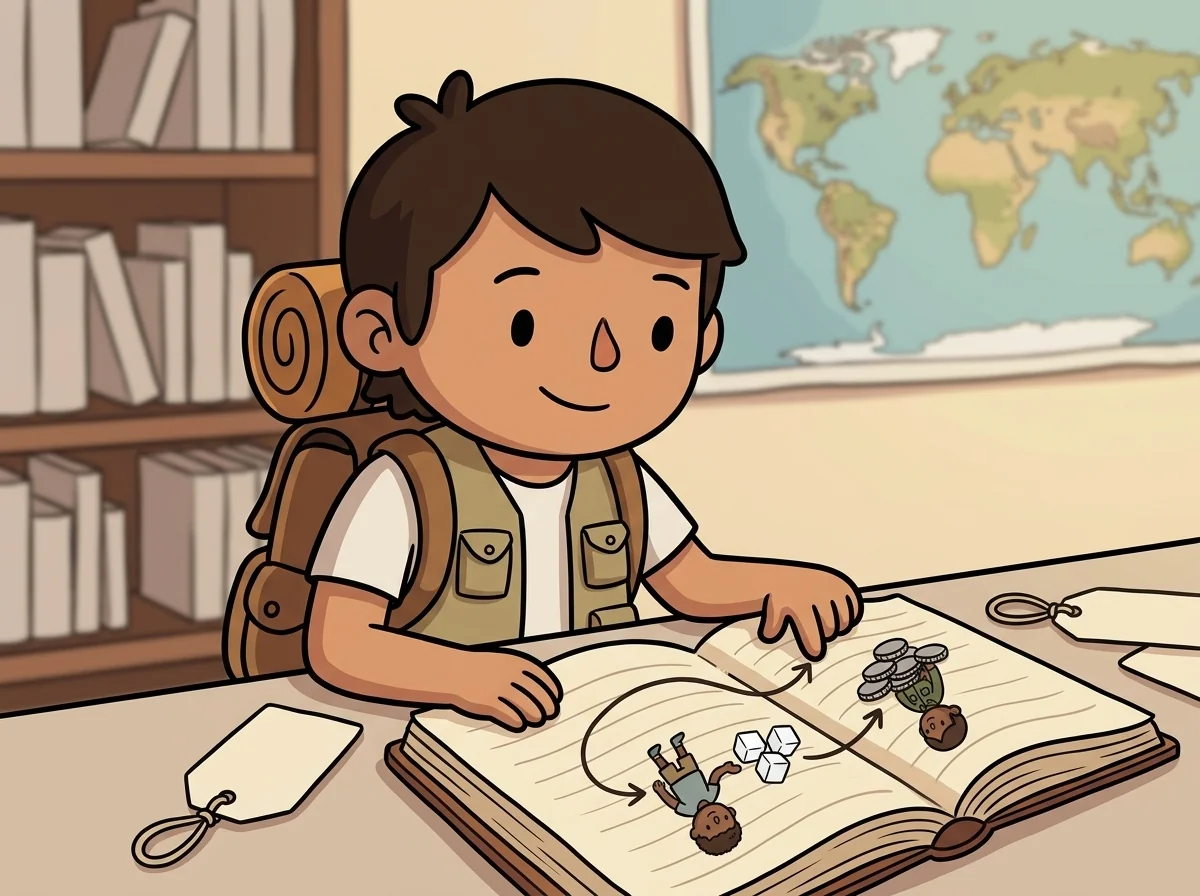
Origo shared the discovery that changed how she read.
"For years I learned words one at a time, like unrelated strangers," she said. "Then I learned a single root — port, Latin for 'carry' — and a whole crowd of words turned out to be relatives. Transport: carry across. Import: carry in. Export: carry out. Portable: able to be carried. Porter: one who carries. One root, and suddenly a dozen words all made sense at once, because I'd met the ancestor they all share. I stopped memorizing words and started meeting families."
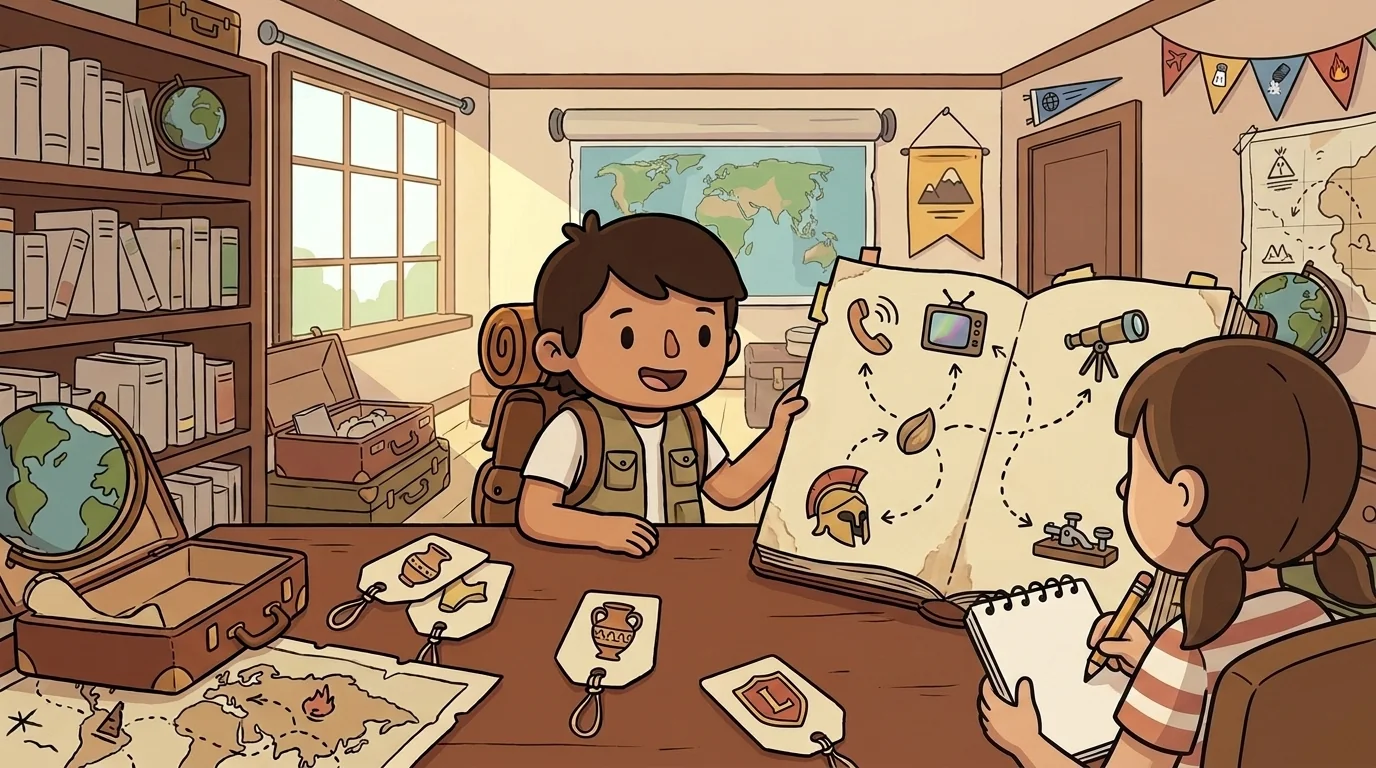
The Host gave her an unfamiliar word: dexterous.
"Never seen it? Trace it," Origo said. "It comes from the Latin dexter — meaning 'right,' as in the right hand. For most of history the right hand was the skilled, capable one. So dexterous means skilled-with-the-hands, nimble. And now the family opens: ambidextrous — 'both right' — able to use both hands as if each were the skilled one." She smiled. "I didn't look it up. I read the passport. The word told me what it meant, because I asked where it had been."
The solver tried it aloud. "Dexter — right hand — skilled. Ambi — both. I actually can't forget that now."
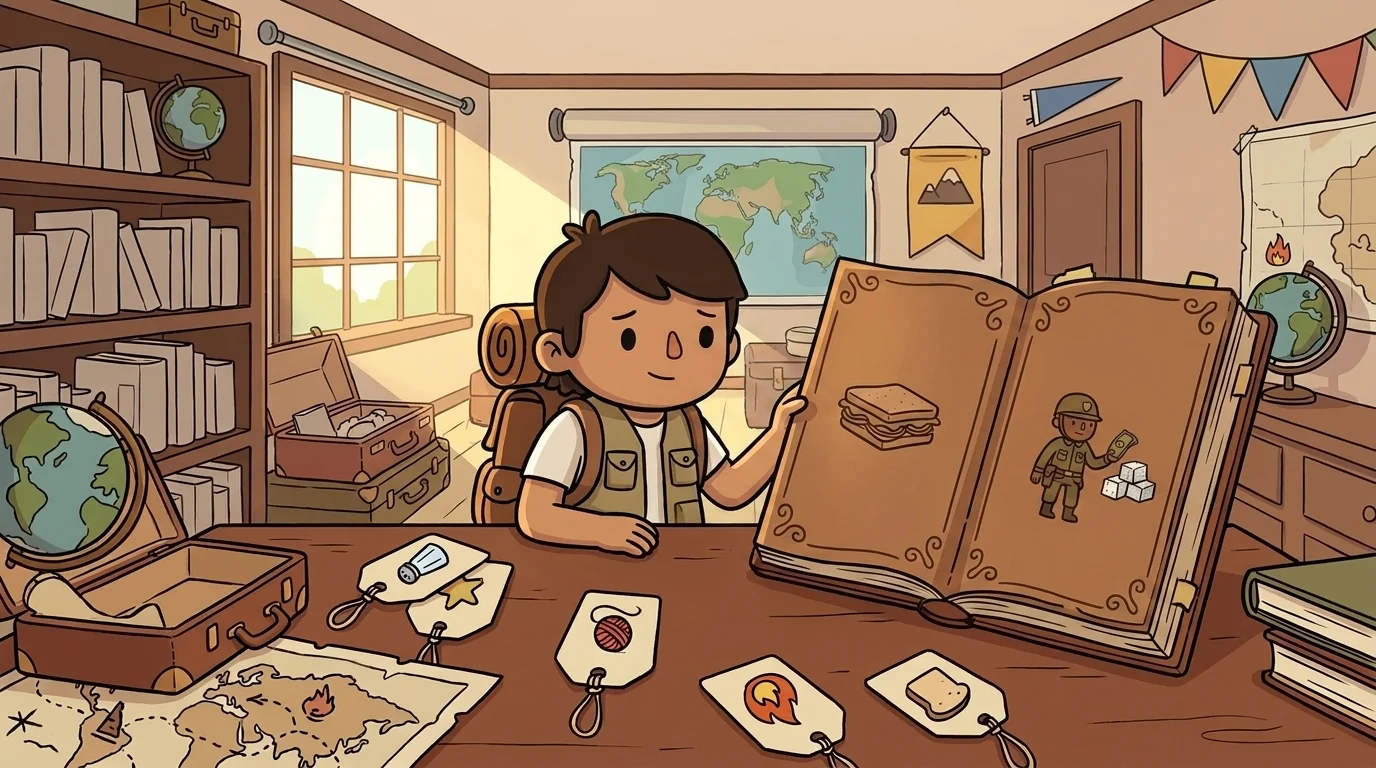
At the end Origo gave them the traveler's habit.
"When a word is a stranger to you, don't just memorize it and move on," she said. "Ask where it came from. Trace it back — the root will almost always hand you the meaning, wrapped in a story, and half the time it'll introduce you to a whole family of cousins you already half-knew. Every word is a road with a long history behind it." She tapped a page fondly. "Learn to read the road, and you'll never again meet a word that's entirely a stranger."
The WordForge ensemble
Origo is part of WordForge's distributed-narrative cast. Each character embodies a different curricular primitive; together they teach the full subject.
-
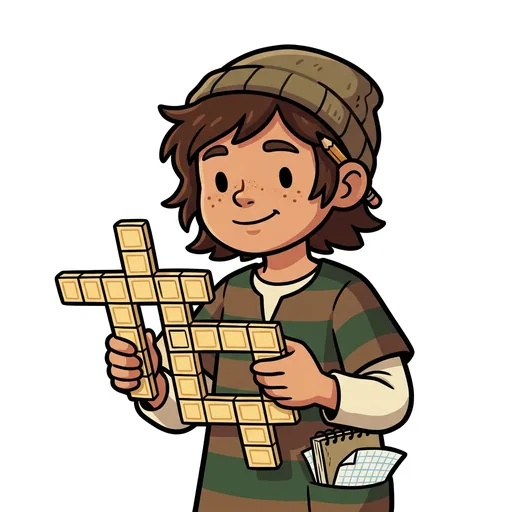
Acrostica
Crossword construction — builds grids where every letter satisfies two crossing words at once
-
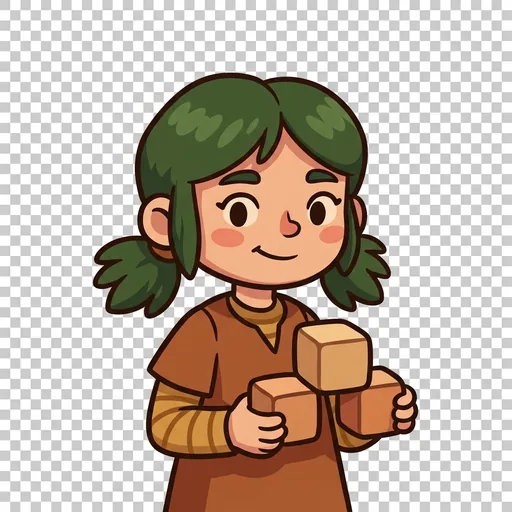
Radicle
Morphology / word-building — bolts a prefix and suffix onto a root to grow new words
-
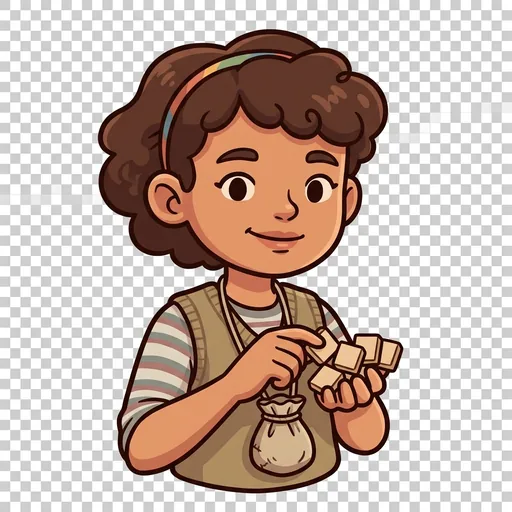
Anna Gram
Anagram / letter manipulation — rearranges the exact same letters into new words
-

Rung
Word ladder — climbs word→word changing exactly one letter per step
-
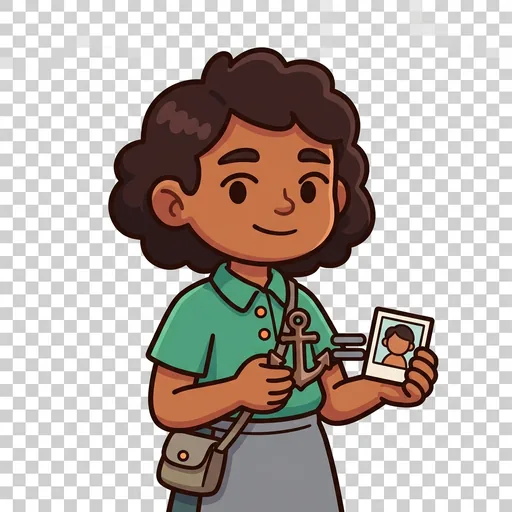
Metaphora
Figurative language — sets two things side by side and says one IS the other
-

Tinge
Nuance / connotation — sorts near-synonyms by their exact shade of feeling
-

Rebus
Double-meaning / cryptic clues — refuses the obvious reading and finds the hidden second one
-
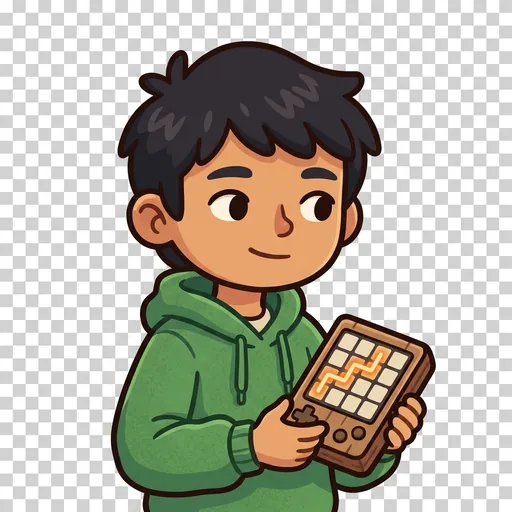
Boggs
Adjacency word-search — traces a path through touching letters to find hidden words
-

Vellum
The arcade keeper (mentor) — introduces each format and normalizes not knowing a word