
Rebus
DOUBLE MEANING / CRYPTIC CLUES — a good puzzle clue reads two ways; the surface says one innocent thing while a hidden second reading points at the answer (flower can mean a rose, or a thing that flows, a river); cracking it means refusing the obvious reading and hunting the one hiding underneath
Loading audio…
Press play to listen along. The line being read lights up as you go.
Show full transcript
Loading transcript…
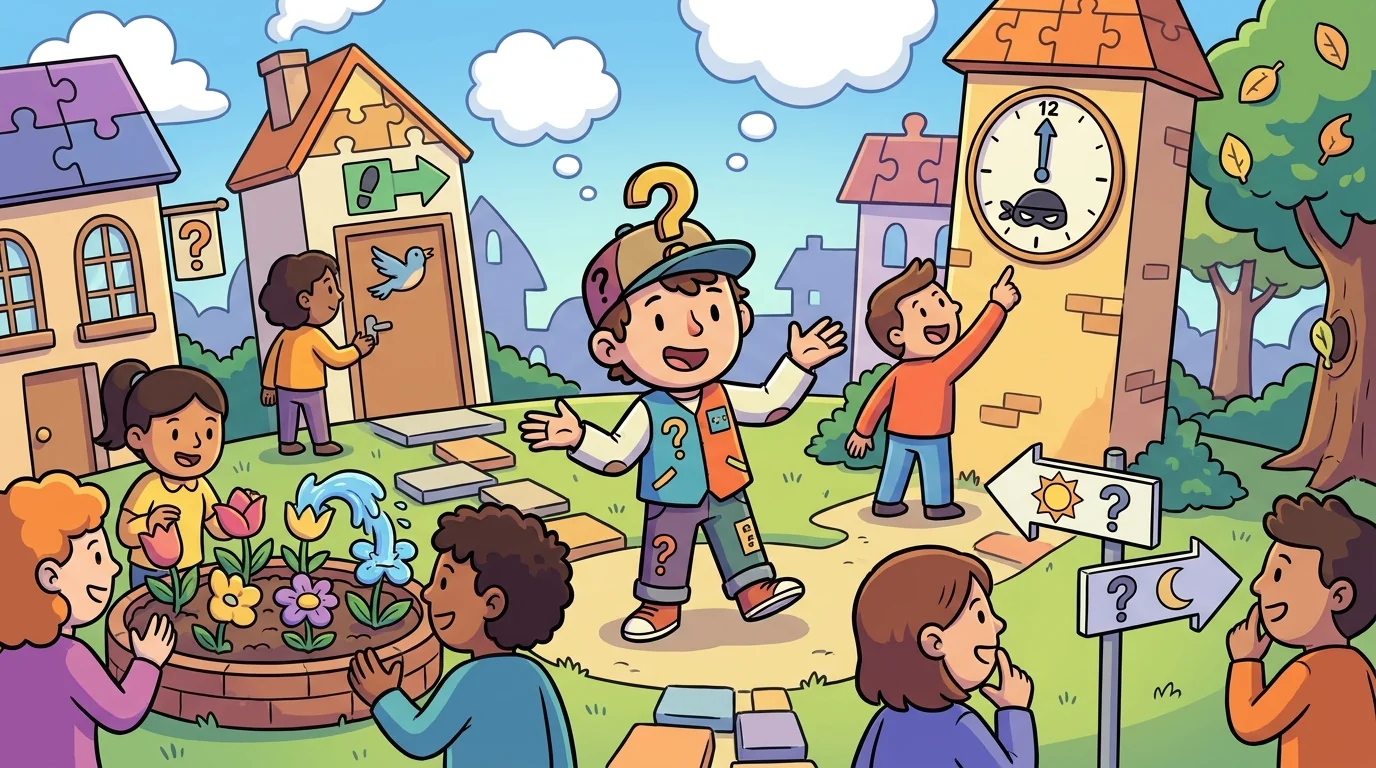
Rebus distrusted first impressions on principle — not because words lie, but because the best words tell the truth in disguise.
"A cryptic clue is the most honest trickster in the language," he told the solvers. "Take the clue 'Flower.' Your mind jumps to a rose, a tulip — the obvious reading. But read it again: a flow-er, a thing that flows. A river. The clue never lied. It handed you the answer in plain sight and trusted you to refuse the easy reading and find the one hiding underneath."
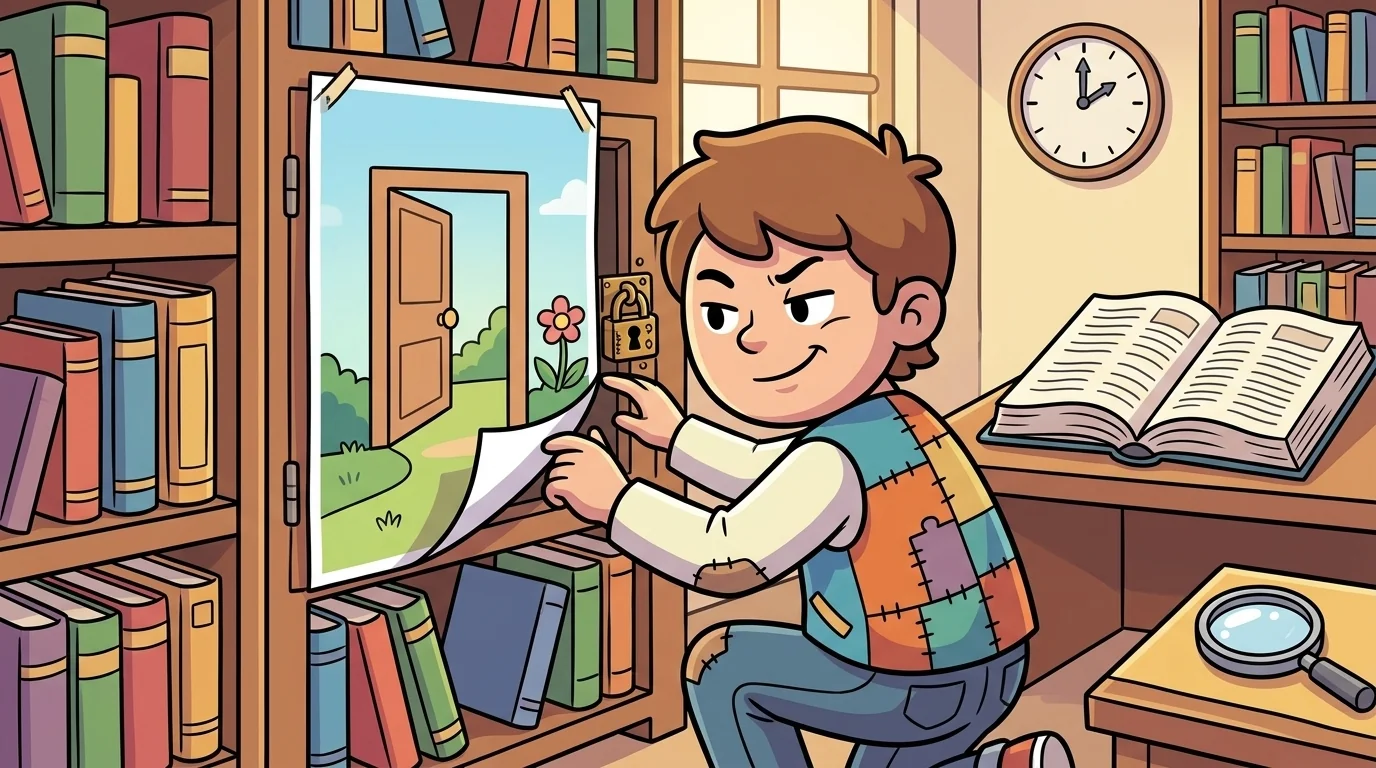
He taught the discipline, which was mostly a habit of doubt.
"The obvious reading is a trap the clue wants you to fall into," Rebus said. "So the first move is always: distrust the surface. Ask, 'what ELSE could these exact words mean?' A word that's a noun the obvious way — could it be a verb the hidden way? 'Bark' is a dog's noise, or a tree's skin, or a small ship. A good clue picks the meaning you won't think of first, precisely because you won't. Refuse the front door and look for the side one."
The subtext the older solvers heard was about interpretation itself — that the first, most comfortable reading of anything (a sentence, a situation, a person's tone) is not always the true one, and that a little disciplined doubt reveals a second layer.
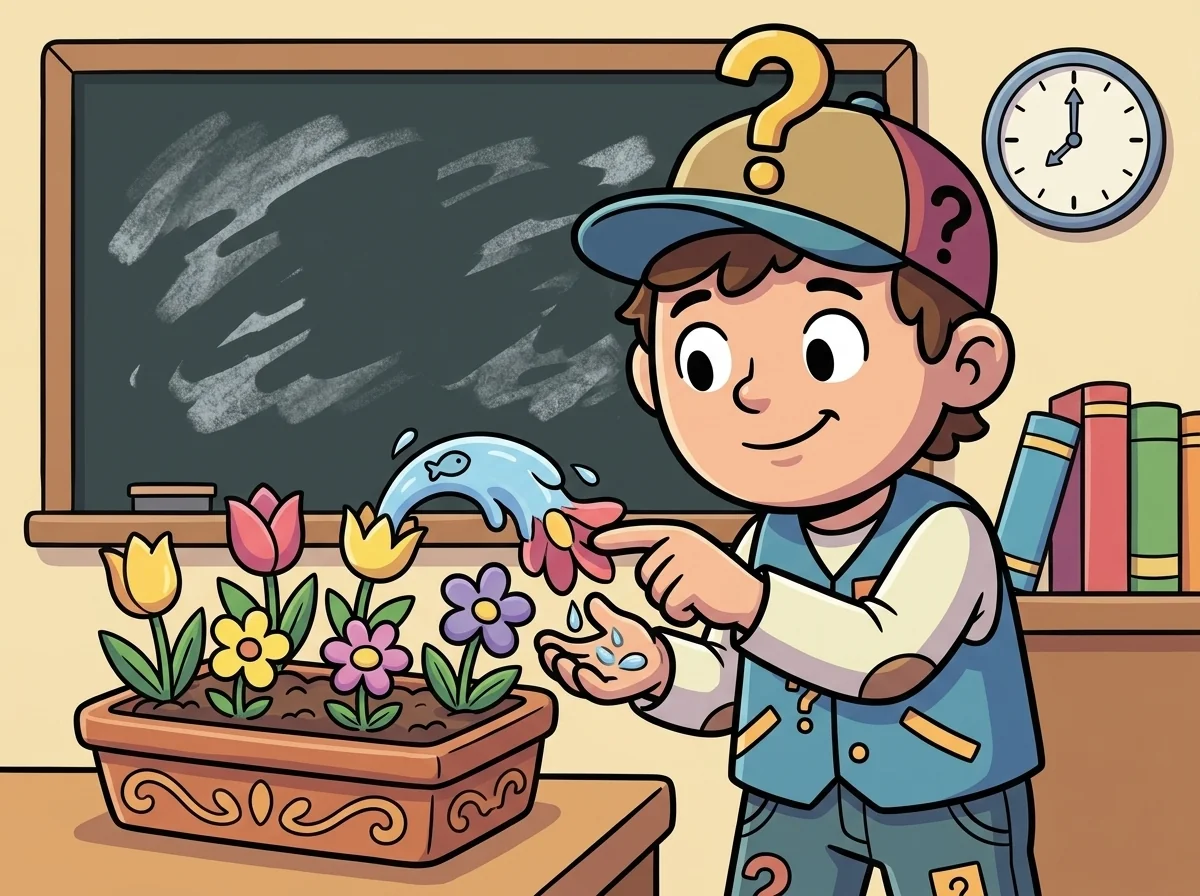
Rebus admitted the frustration that had taught him patience.
"I used to get furious at cryptic clues — I'd lock onto the obvious meaning and pound at it, sure the puzzle was unfair. It was never unfair. The answer was right there, in the clue, every time. I just refused to let go of my first reading. The day I learned to say 'that's the obvious meaning, so it's probably NOT the one' — that's the day the puzzles opened up. The clue was always telling the truth. I just wasn't listening to all of it."
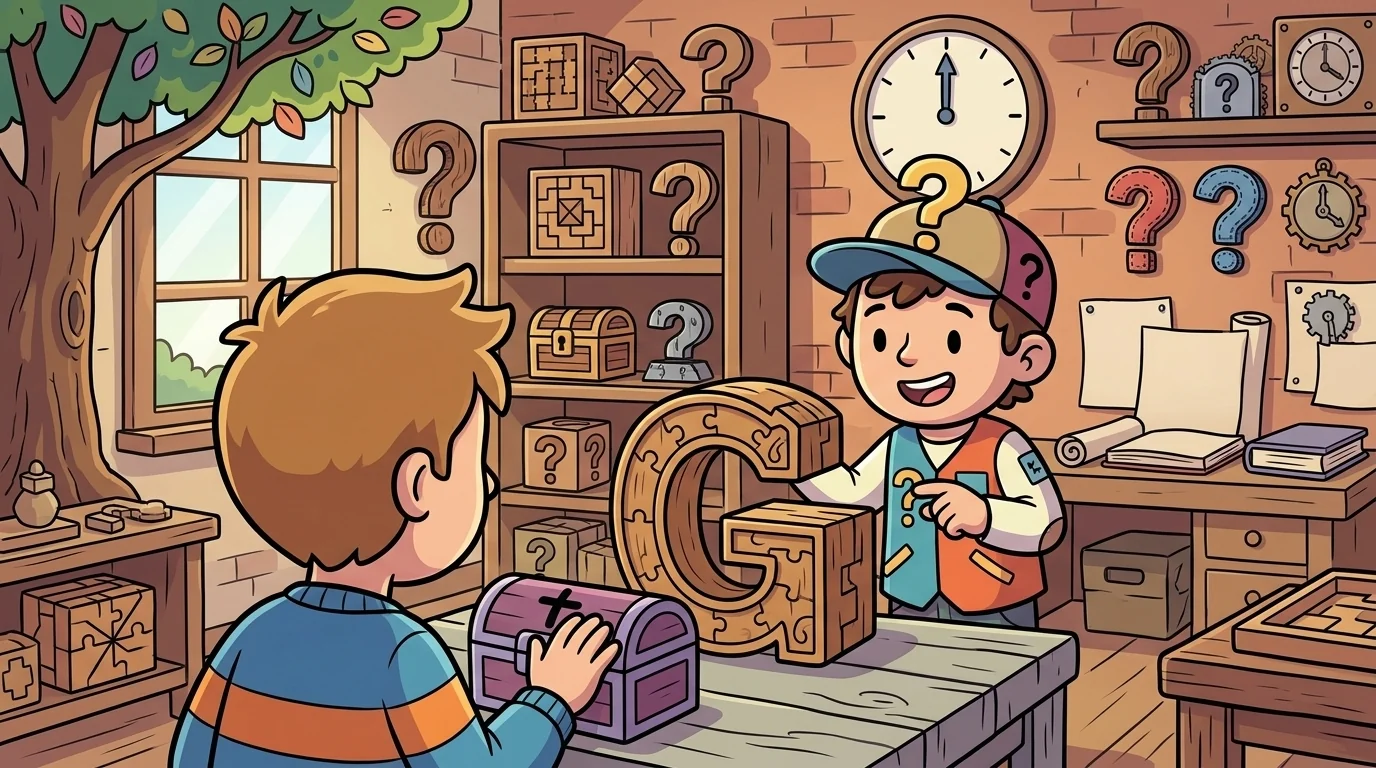
The Host gave him a clue: "A number that's also a feeling."
"Obvious reading — a number is 1, 2, 3," Rebus said. "Dead end; numbers aren't feelings. So refuse it. What word is a number AND a feeling? ...Blue? No, that's a colour and a feeling. Wait — 'a feeling' ... down. 'Down' is a feeling. And 'down' is... no." He turned it over. "Cross. A cross is a mark, an X — and 'cross' means angry, a feeling. But a number? No..." He tried once more. "Even? Even is a number-kind AND 'we're even,' a settled feeling. There — I refused 'count the number' and found the double."
The solver laughed. "It was fair the whole time."
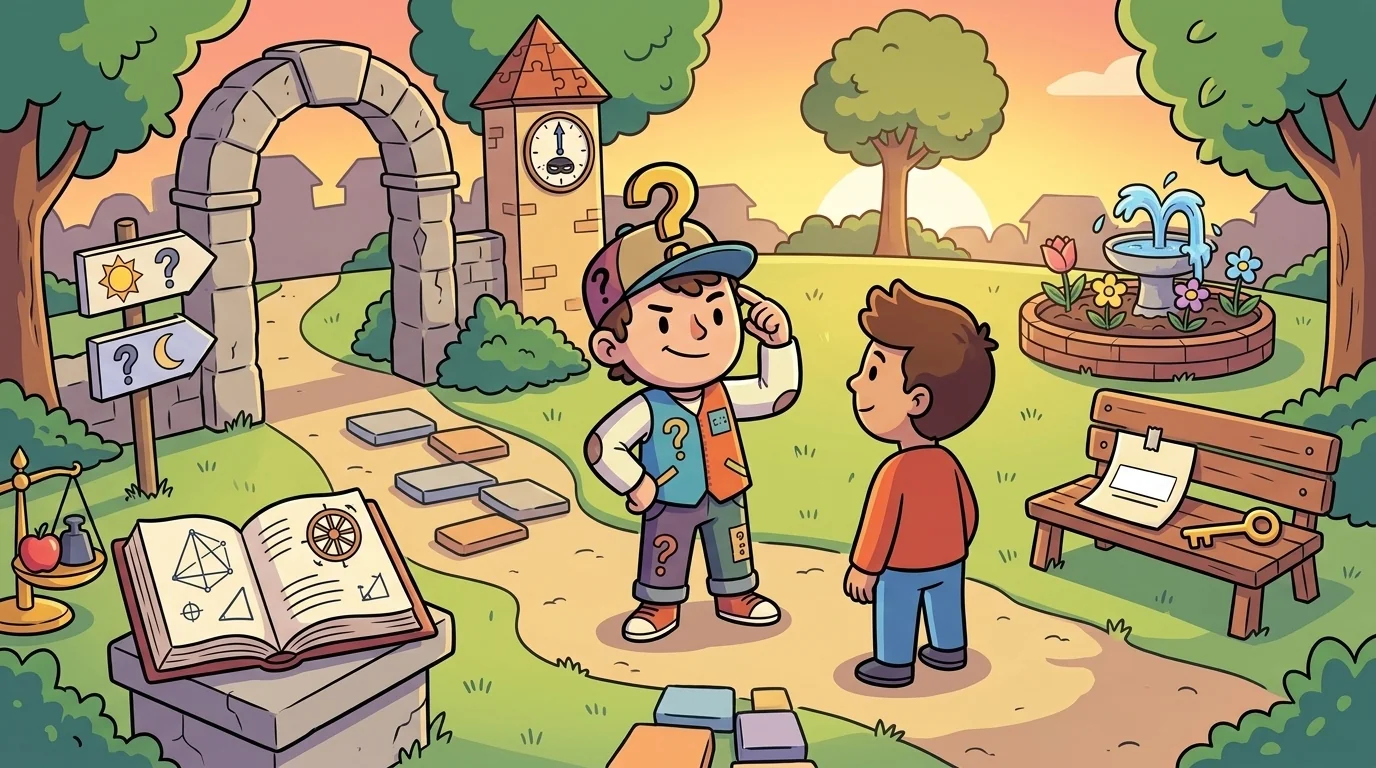
At the end Rebus gave them the doubter's gift.
"When something has an obvious meaning and you're stuck," he said, "try assuming the obvious meaning is the decoy. Ask what else the very same words could say — a different sense, a hidden pun, a second reading the surface is hiding. The truth is usually right there in what you were given; you just have to stop accepting the first thing it seems to say." He tapped a clue and smiled. "Cryptic doesn't mean dishonest. It means the truth is wearing a disguise — and it wants to be found by anyone patient enough to look twice."
The WordForge ensemble
Rebus is part of WordForge's distributed-narrative cast. Each character embodies a different curricular primitive; together they teach the full subject.
-
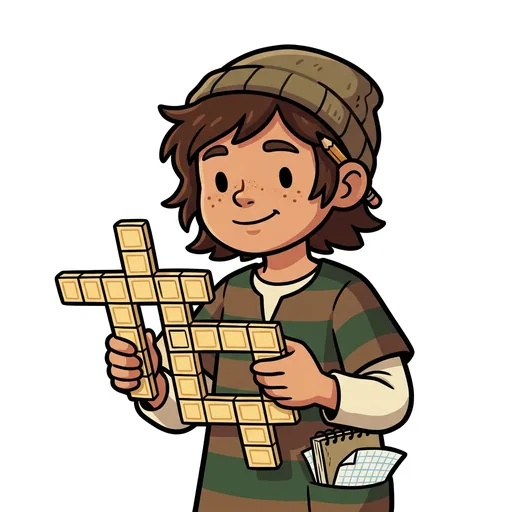
Acrostica
Crossword construction — builds grids where every letter satisfies two crossing words at once
-
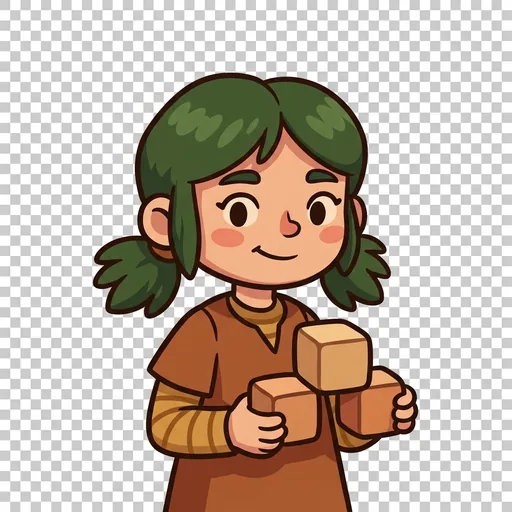
Radicle
Morphology / word-building — bolts a prefix and suffix onto a root to grow new words
-
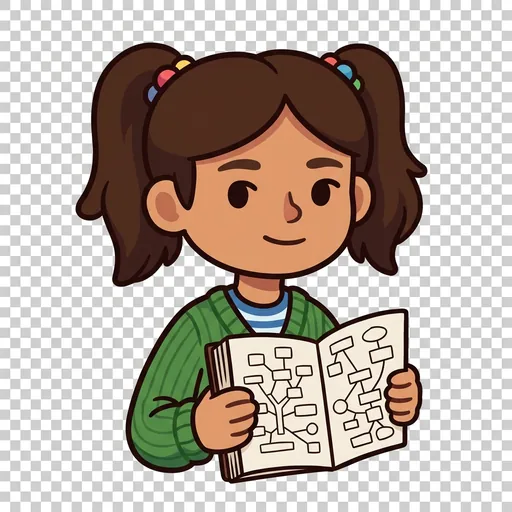
Origo
Etymology / word origins — traces a word back through its ancestor languages
-
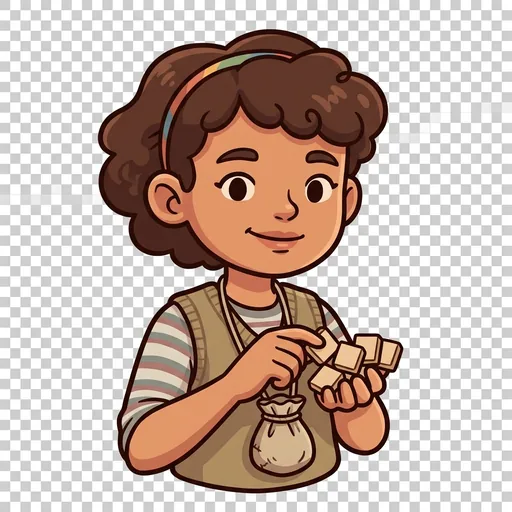
Anna Gram
Anagram / letter manipulation — rearranges the exact same letters into new words
-
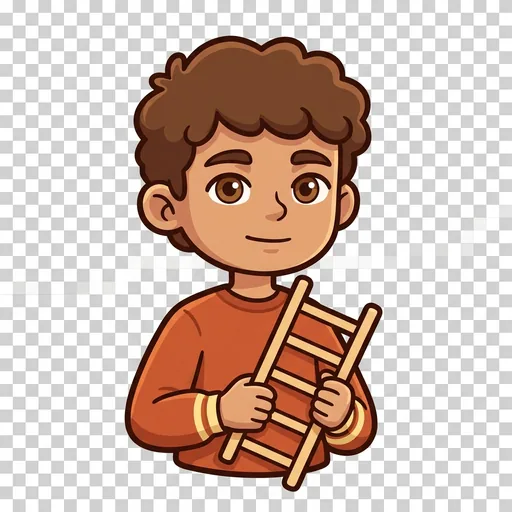
Rung
Word ladder — climbs word→word changing exactly one letter per step
-
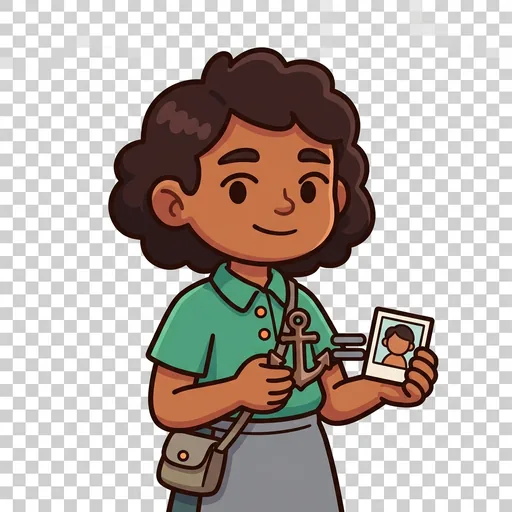
Metaphora
Figurative language — sets two things side by side and says one IS the other
-
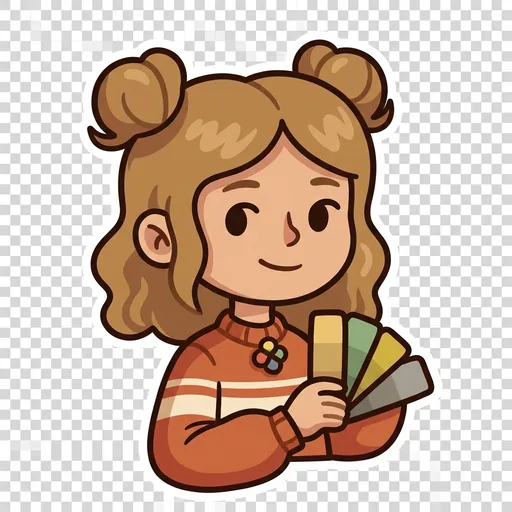
Tinge
Nuance / connotation — sorts near-synonyms by their exact shade of feeling
-
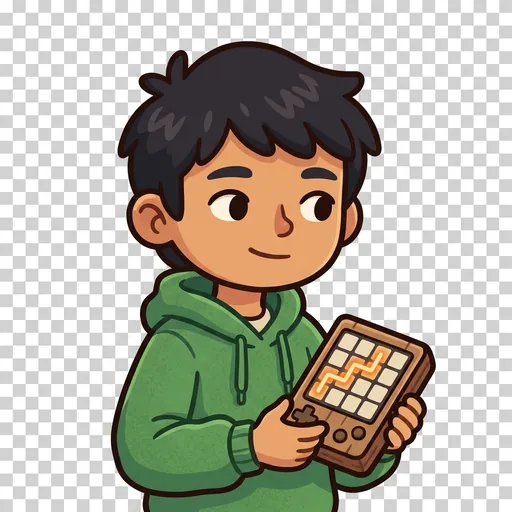
Boggs
Adjacency word-search — traces a path through touching letters to find hidden words
-
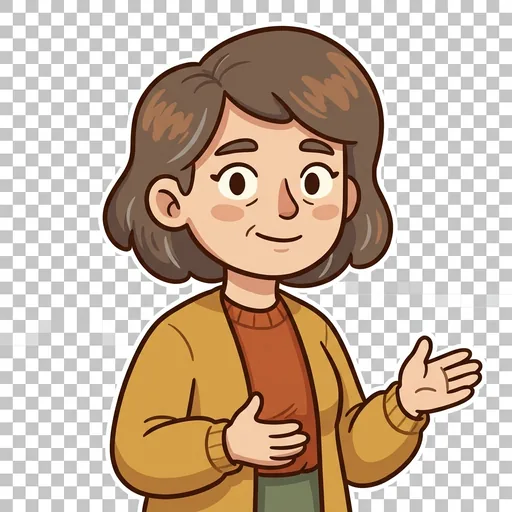
Vellum
The arcade keeper (mentor) — introduces each format and normalizes not knowing a word