
Tinge
NUANCE / CONNOTATION — words that mean nearly the same thing carry different shades of feeling (thrifty, frugal, cheap, stingy all point at doesn't-spend-much, but one is a compliment and one is an insult); choosing the right synonym isn't about the dictionary meaning, it's about the tint the word adds
Loading audio…
Press play to listen along. The line being read lights up as you go.
Show full transcript
Loading transcript…
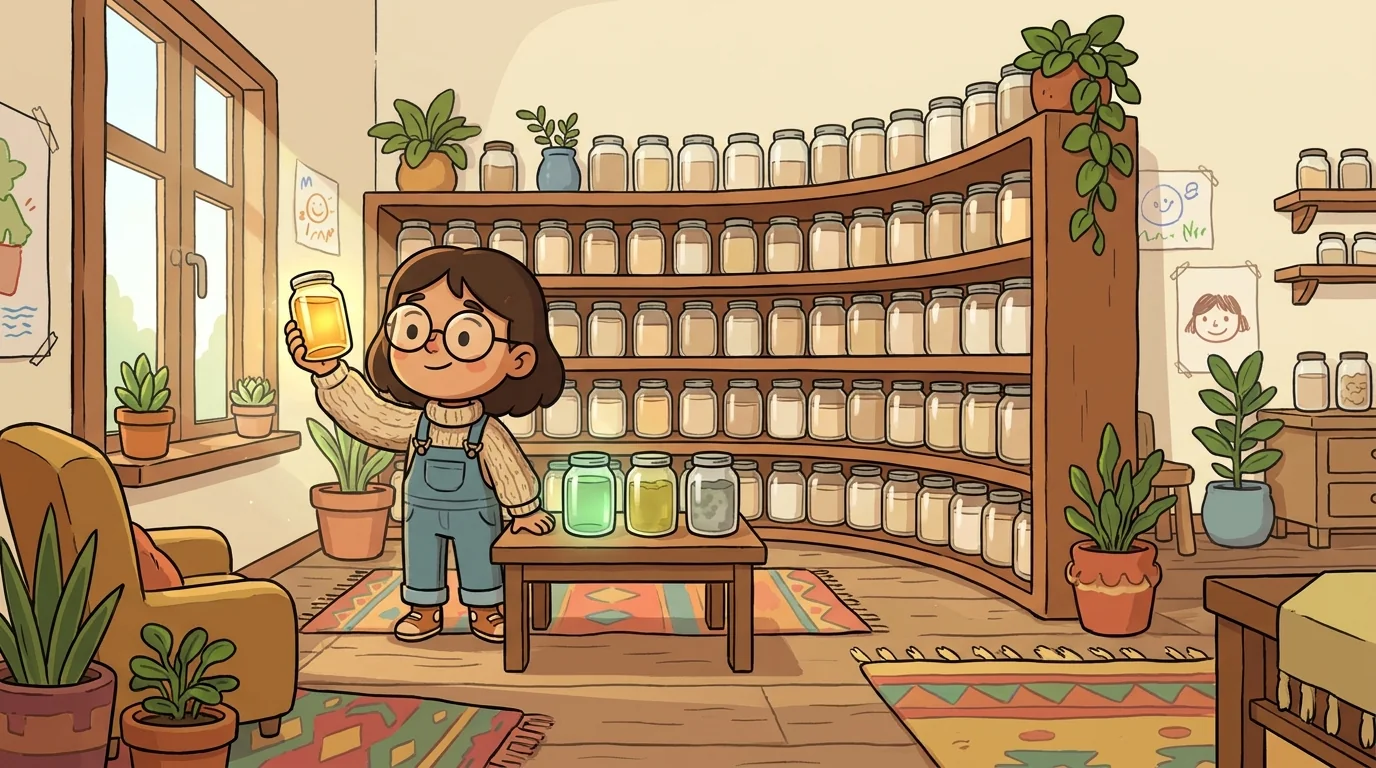
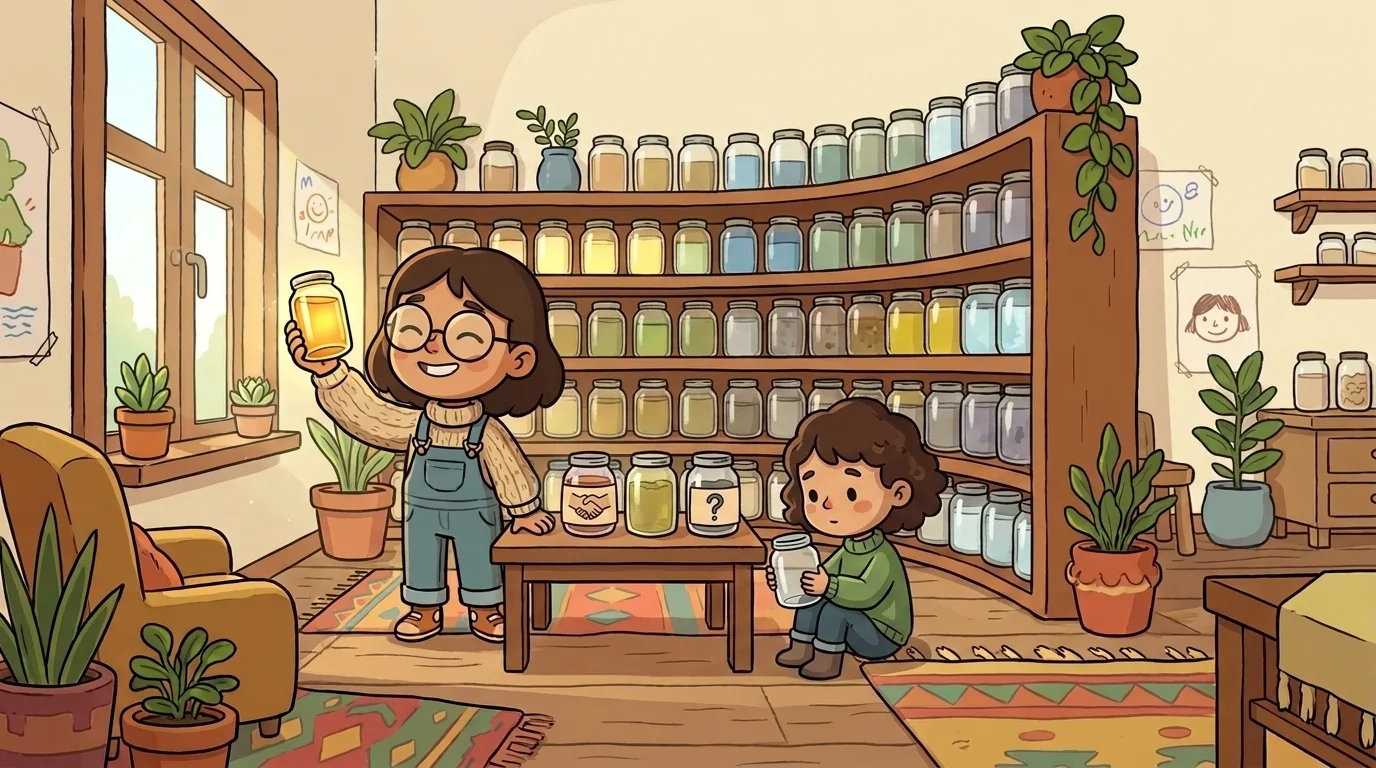
Tinge could take four words that meant almost exactly the same thing and prove that one was a hug and one was a slap.
"'Doesn't spend much money,'" she told the solvers. "Four words point right at that idea. Thrifty. Frugal. Cheap. Stingy. Look them up and they're nearly identical. But say them about your friend and watch their face. 'You're so thrifty' — they smile. 'You're so stingy' — they flinch. Same dictionary meaning. Opposite feelings. The difference isn't in what the word means. It's in the tint it carries."
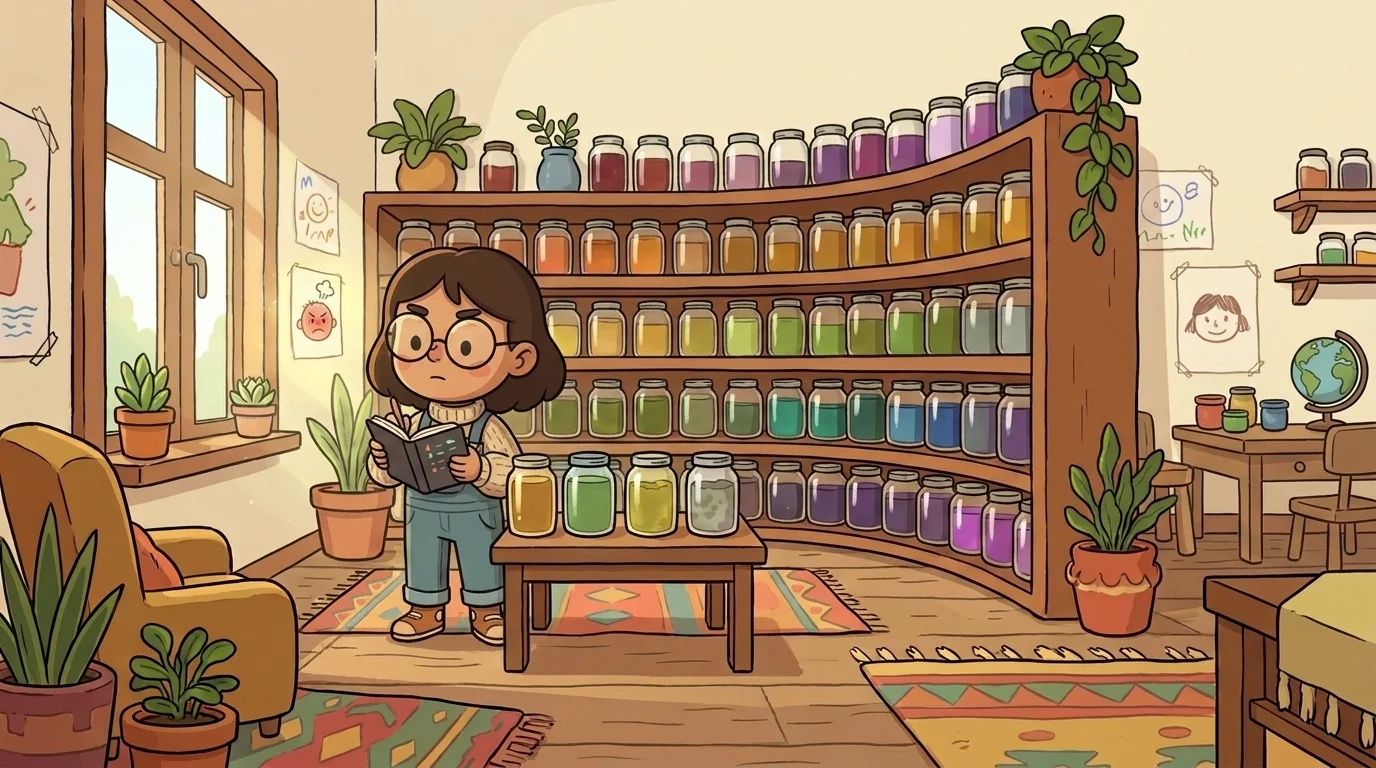
She taught the invisible layer under every synonym.
"Every word has two things," Tinge said. "Its denotation — the plain meaning, the thing in the dictionary. And its connotation — the feeling it's soaked up over centuries of being used a certain way. 'Slender,' 'slim,' 'skinny,' 'scrawny' all denote 'not much body.' But 'slender' admires, 'scrawny' pities or mocks. When you choose a synonym, you're not choosing a meaning — you already have the meaning. You're choosing a feeling to hand the listener."
The subtext the older solvers heard was that precision in language isn't pedantry — it's respect, and power. The exact word you pick tells the listener how you feel, whether you meant to or not.
Tinge shared the mistake that taught her to weigh words.
"I once described a careful, quiet friend as 'timid,' thinking I was being kind," she said. "She was hurt, and I didn't understand why — the meaning was accurate! But 'timid' carries a tint of weakness, of fear. What I meant was 'gentle,' or 'thoughtful,' or 'reserved' — same quiet person, but tinted with dignity instead of shrinking. The fact was right. The feeling I handed her was wrong. That's when I learned: the dictionary tells you what a word means, but only your ear tells you what it does."
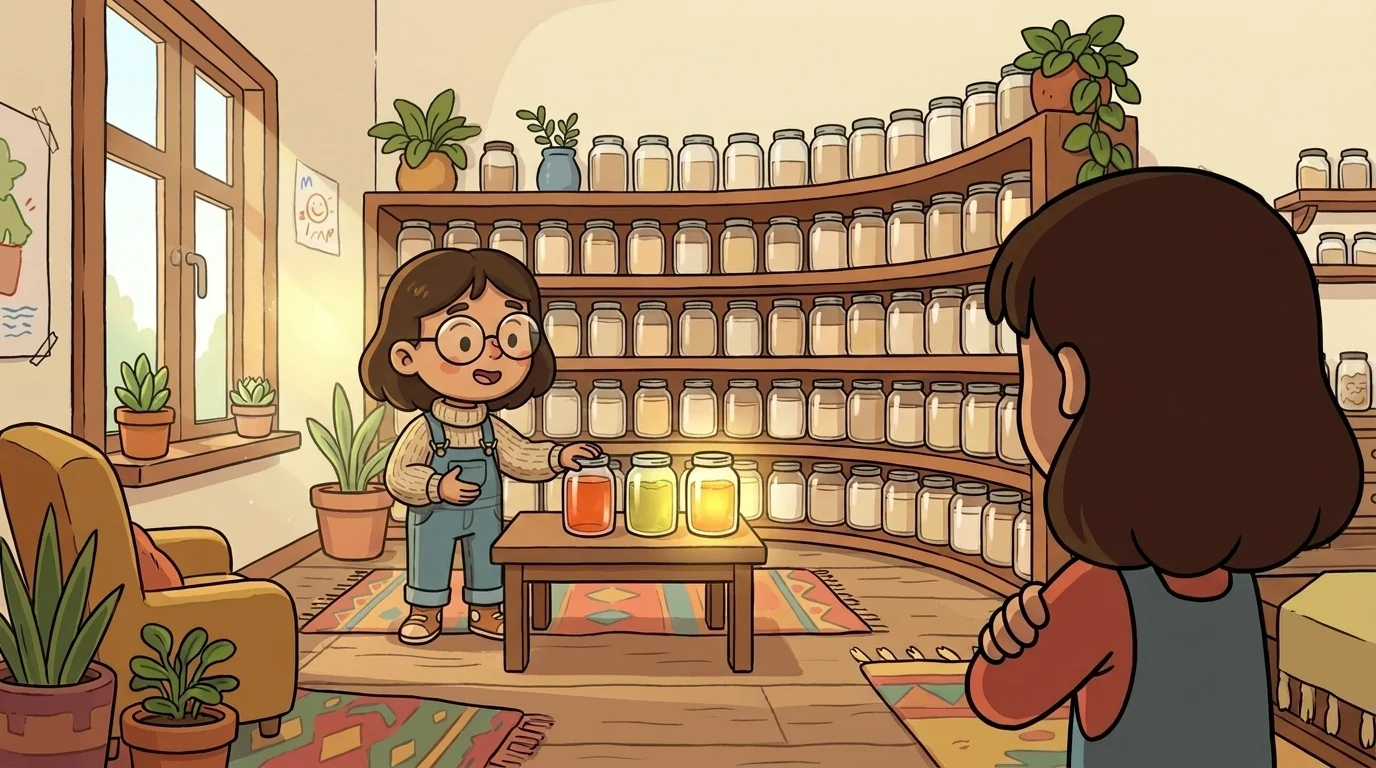
The Host gave her a sentence to sharpen: "He was confident."
"Confident is a good word — but it's neutral, so let me aim it," Tinge said. "If I admire him: 'He was assured' — calm, earned confidence. If I'm wary of him: 'He was cocky' — confidence tipped into too-much. If I'm afraid of him: 'He was arrogant' — confidence curdled into contempt. Assured, cocky, arrogant — all 'confident,' all pointing at the same trait. But each one tells you exactly how I feel about him, without me ever saying so."
The solver read the three aloud. "The fact never changed. But I know your opinion three different ways."
At the end Tinge gave them the careful speaker's gift.
"When two words mean the same thing, they are almost never the same word," she said. "One admires, one insults, one pities, one respects. So before you choose, ask not just 'is this accurate?' but 'what feeling am I handing over?' Because the listener hears the tint long before they check the meaning." She held up two near-identical words like two paint chips. "Same colour of meaning. Different shade of feeling. Choose the shade on purpose — because whether you meant to or not, you're always telling people how you feel."
The WordForge ensemble
Tinge is part of WordForge's distributed-narrative cast. Each character embodies a different curricular primitive; together they teach the full subject.
-
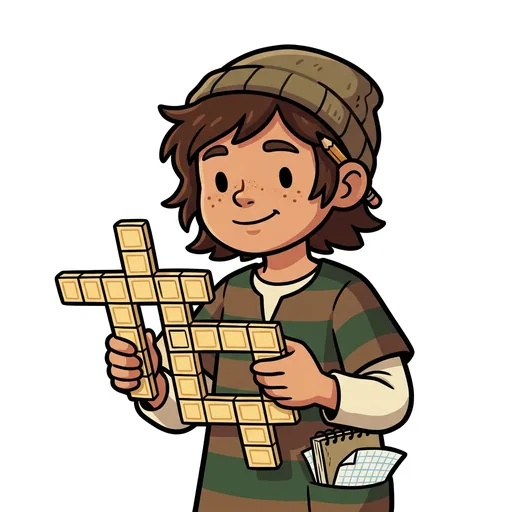
Acrostica
Crossword construction — builds grids where every letter satisfies two crossing words at once
-
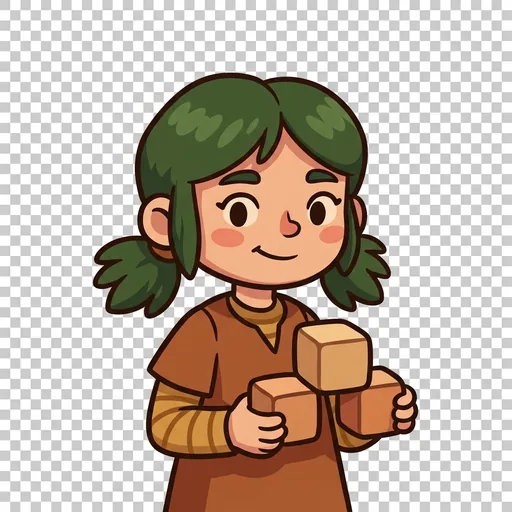
Radicle
Morphology / word-building — bolts a prefix and suffix onto a root to grow new words
-
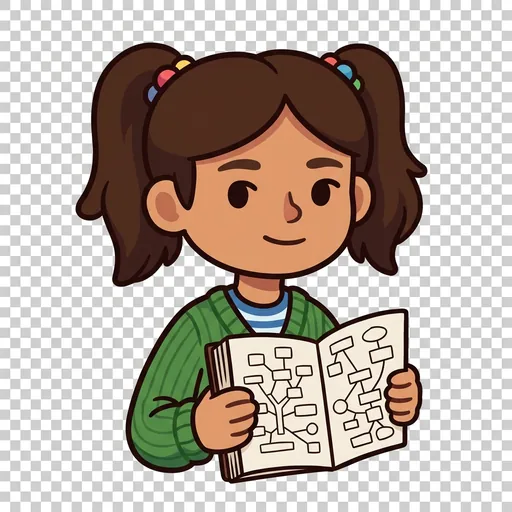
Origo
Etymology / word origins — traces a word back through its ancestor languages
-
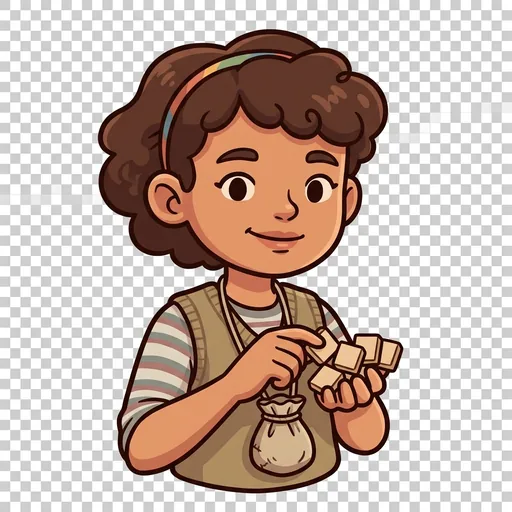
Anna Gram
Anagram / letter manipulation — rearranges the exact same letters into new words
-
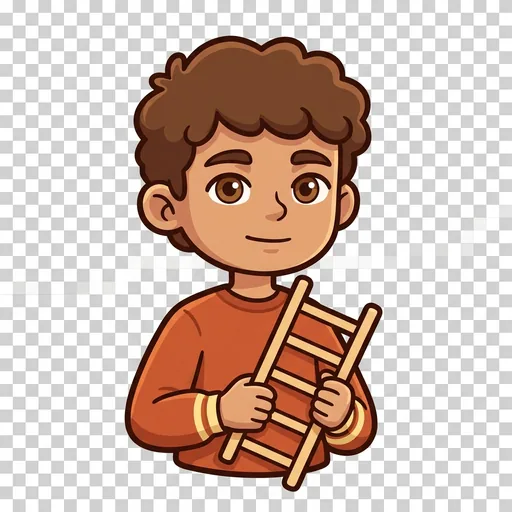
Rung
Word ladder — climbs word→word changing exactly one letter per step
-
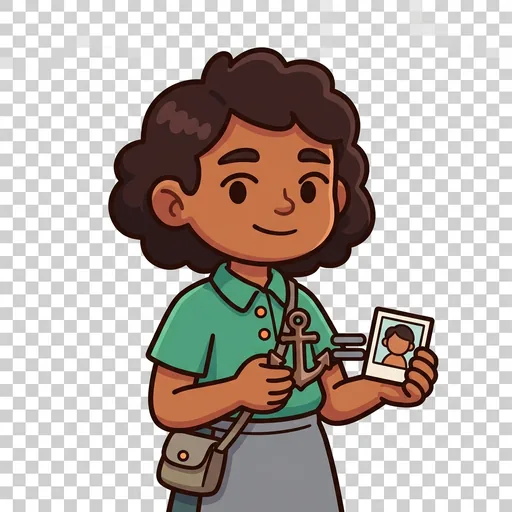
Metaphora
Figurative language — sets two things side by side and says one IS the other
-
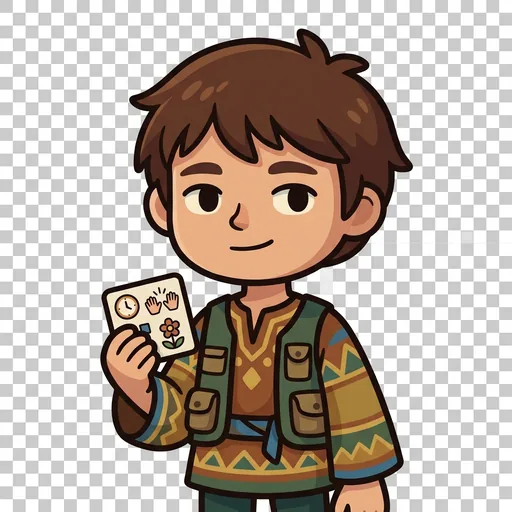
Rebus
Double-meaning / cryptic clues — refuses the obvious reading and finds the hidden second one
-
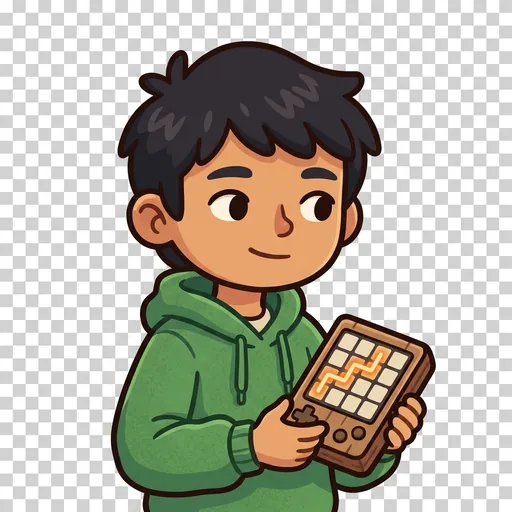
Boggs
Adjacency word-search — traces a path through touching letters to find hidden words
-
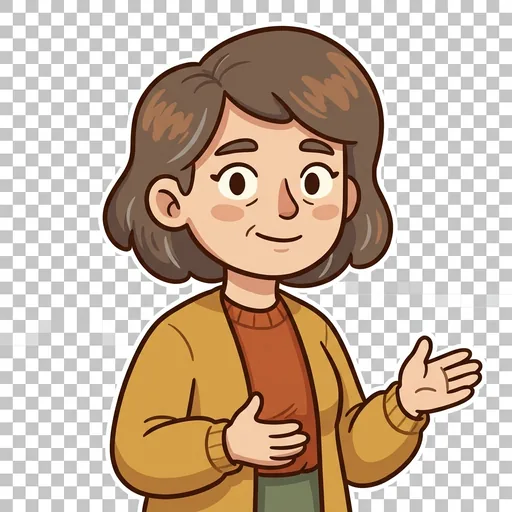
Vellum
The arcade keeper (mentor) — introduces each format and normalizes not knowing a word