Boomerang Fu
The PAWN (Fu) — advances one square forward, and the drop-return intro (a captured piece changes sides and comes back into play)
Loading audio…
Press play to listen along. The line being read lights up as you go.
Show full transcript
Loading transcript…
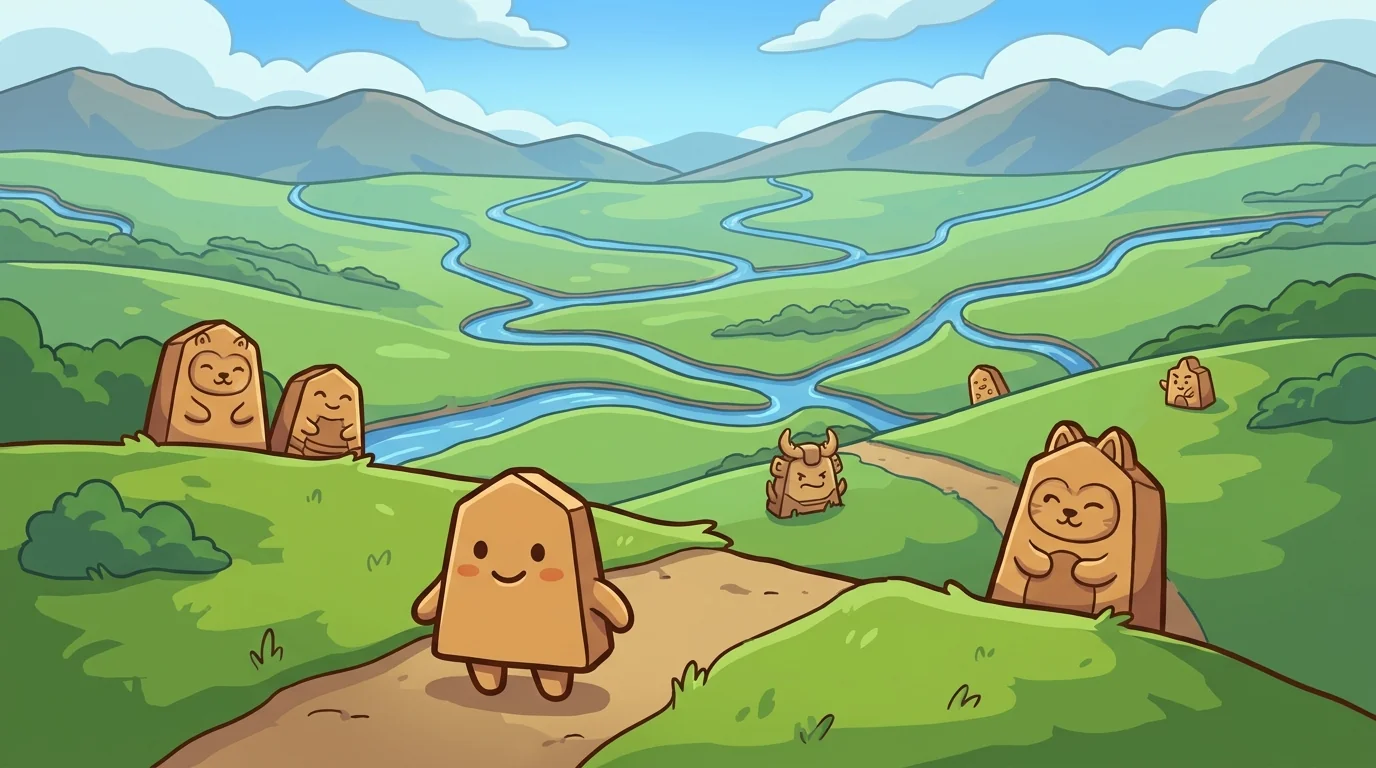
In the long green valley of Nine Rivers, where every child learned the game before they learned to whistle, the very first piece anyone was given was a foot-soldier named Fu.
Fu was small. She was, if you are honest about it, the smallest piece on the whole board — a plain little five-sided token with a single word painted on her front. She could not gallop like the horse-riders or sweep across the valley like the long generals. She could do exactly one thing: she could take one step forward. One square, straight ahead, once a turn. Never a leap, never a slide, never a step back to where it was safe.
The other pieces teased her about it, gently, the way older cousins do. "One square, Fu," they'd say. "You'll get to the far mountains around the time the rivers run dry."
But Fu had noticed something the teasing pieces hadn't. One square a day is still a journey. A soldier who takes one honest step every single turn, and never stops, and never wanders sideways looking for an easier road — that soldier crosses the whole valley while the fancy pieces are still arguing about the scenery. She wasn't fast. She was relentless, which is a slower thing and a stronger one.
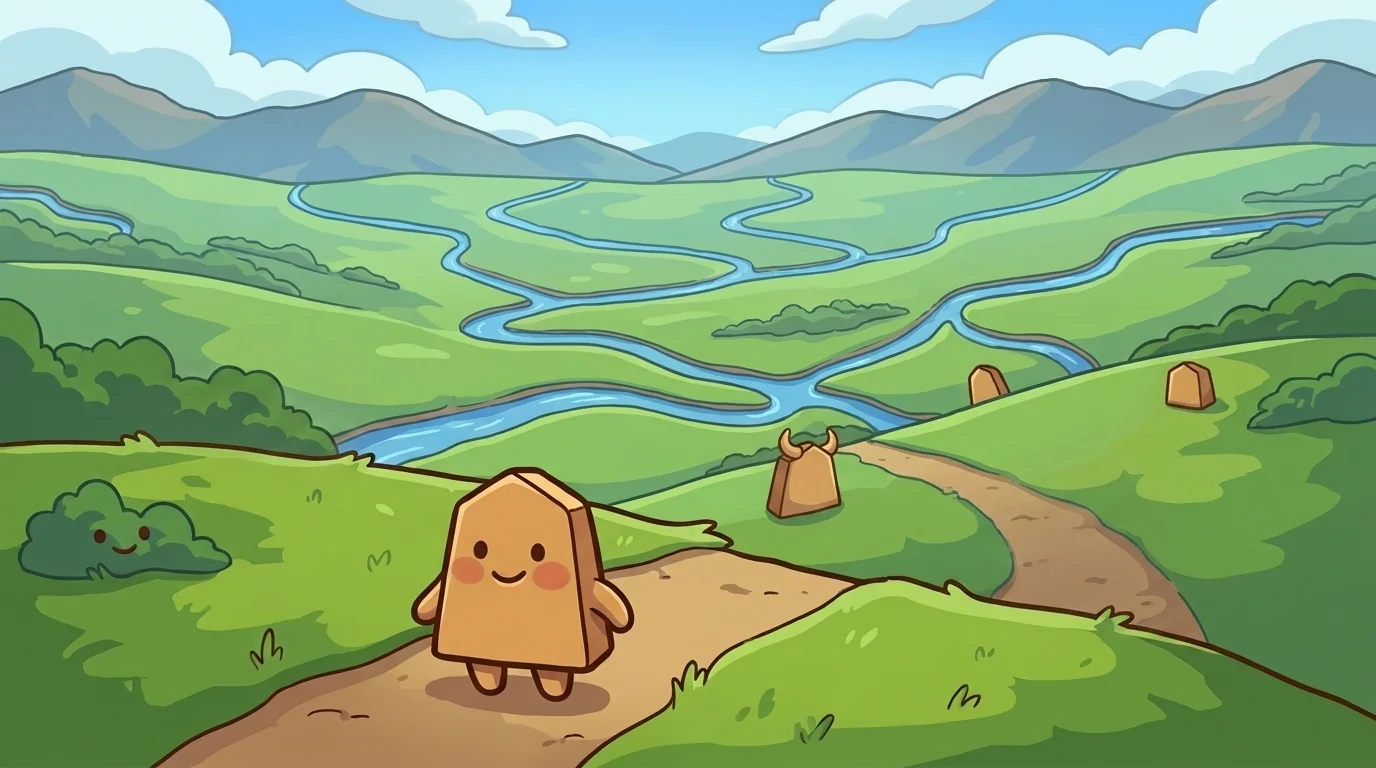
Fu had not always understood the strangest rule of her life. She learned it the hard way, in her very first battle, on a cold morning by the Second River.
She had done her job perfectly. One step, one step, one step, straight toward the enemy lines. And then a great enemy general came down on her, and knocked her clean off the square, and Fu felt the whole world tip over. This is it, she thought. This is where a foot-soldier ends.
But it was not where she ended.
In the valley of Nine Rivers, a fallen piece is not thrown away. When Fu was captured, she was not taken off to some dusty box forever. She was turned around — and she stood up again, blinking, on the enemy's side of the board, wearing their colours now, ready to march for them. She had changed hands. She was the same little Fu, one square at a time, still herself — but the arrow she'd been marching under was pointing the other way.
It was the most bewildering feeling of her life, and then, slowly, it became the most freeing. "I'm not finished when I fall," she said aloud, testing the shape of the thought. "I just... start again. Facing the other way." She took her one step forward — her new forward — and something in her chest that had felt broken quietly mended.
That was the great secret of her valley, the one that made its game unlike any other in the world: nobody was ever really out. A soldier who fell simply came back, and marched again, and mattered again.
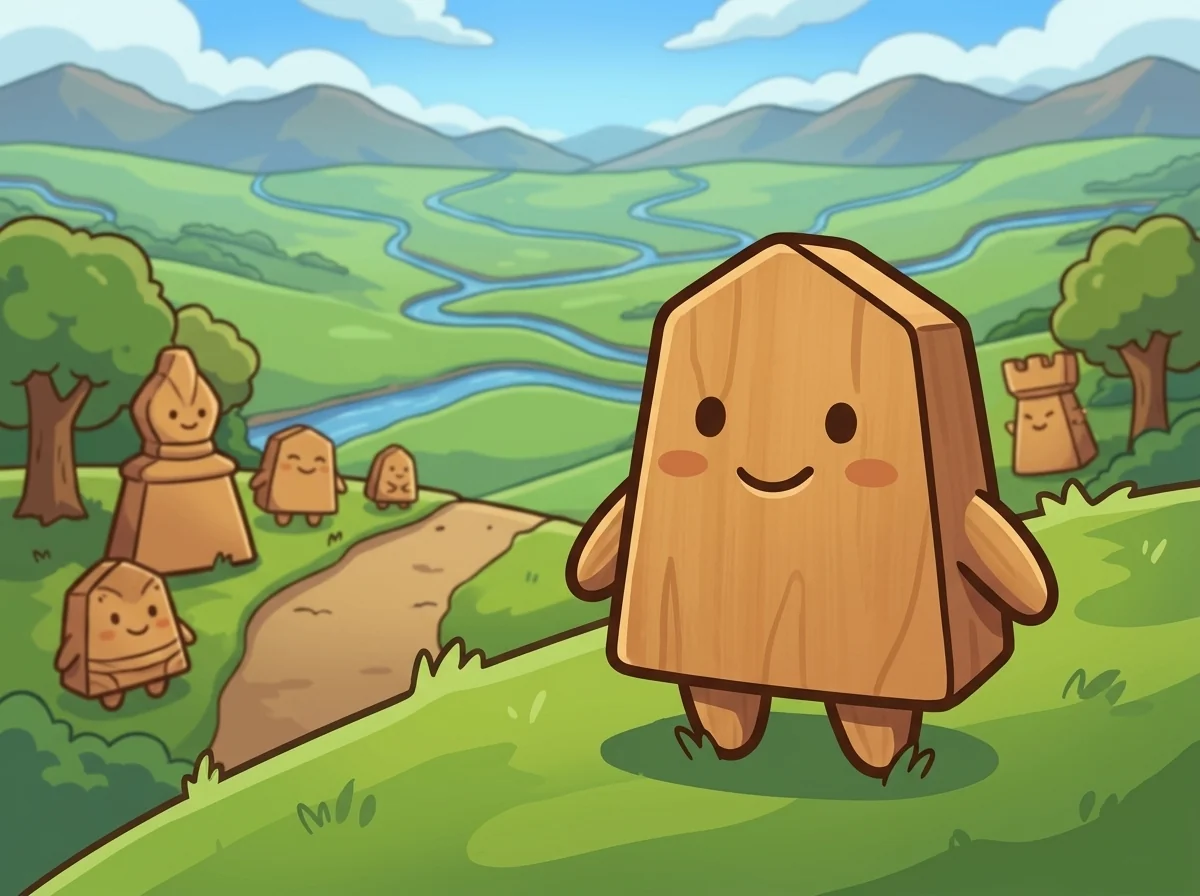
Word of the small relentless soldier travelled, as word does, and one day a message came for Fu to present herself at the House of Study on the hill — the place where the finest pieces trained the valley's children.
Fu climbed the hill one step at a time (she could not, of course, climb it any other way), and at the top she found the great hall full of tall clever pieces who could do a dozen things she could not. She felt very small in the doorway.
The Head of the House, an old careful piece who had watched a thousand soldiers come and go, looked down at her. "And what," she asked, not unkindly, "can a single foot-soldier teach my students that a bishop or a rook cannot?"
Fu thought about it honestly. "I can't teach them to be clever," she said. "But I can teach them to keep going. And I can teach them the thing the fancy pieces forget — that when a piece falls in this valley, it doesn't leave. It comes back. On the other side. Still able to help." She looked up. "The big pieces think a capture is the end of a soldier. I know it's only the middle."
The Head of the House was quiet for a moment. Then she said, "Come in, small one. That is the first lesson, and most of them never learn it. You will teach it well."
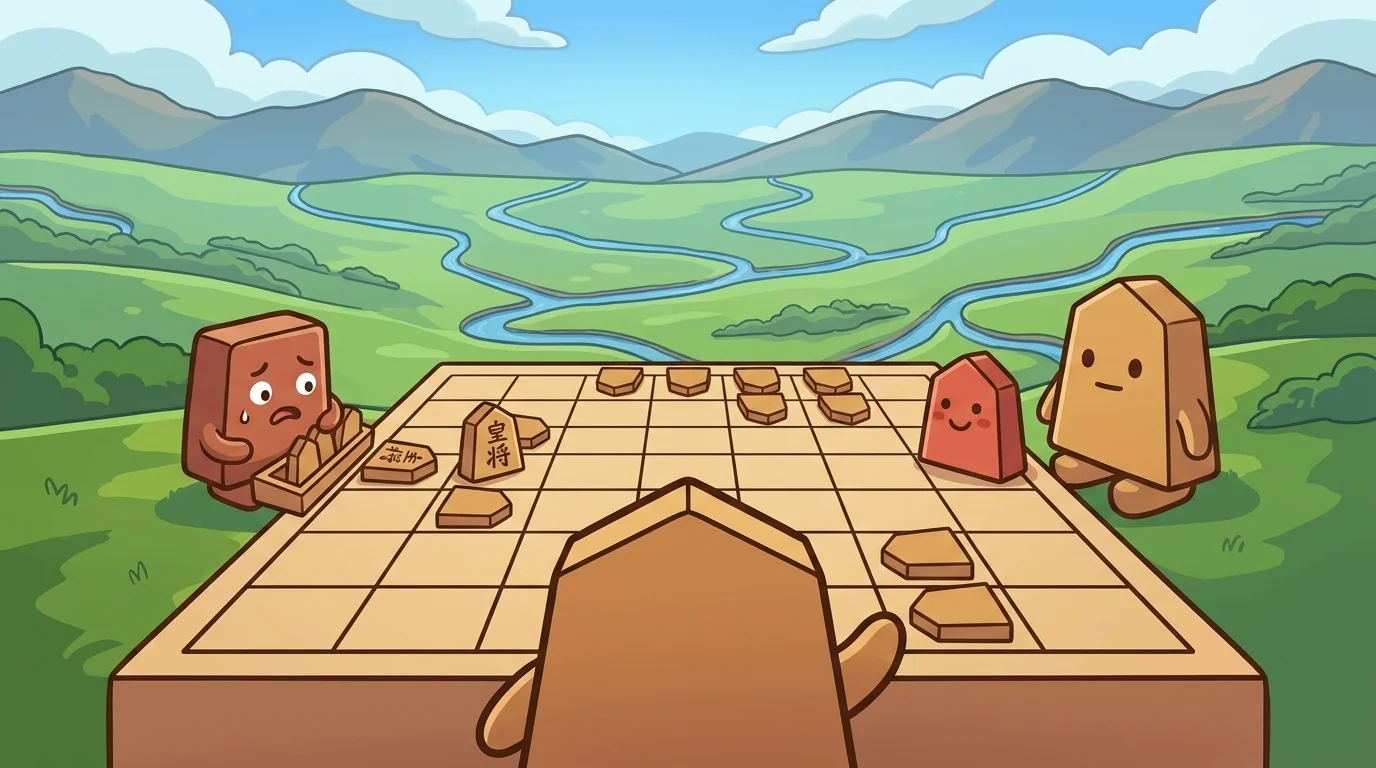
Fu's first student was a worried boy named Ren who hated to lose his pieces. Every time one of his soldiers was captured he groaned as if a friend had died, and after that he played all scrunched up and afraid, hiding his pieces in the back rows where nothing could happen to them — which meant, of course, that nothing ever did.
"Watch," said Fu, and she marched a soldier forward, one square, into danger. Ren winced. The enemy took it. Ren groaned.
"Now watch what happens to me," said Fu, standing up on the other side of the board in enemy colours. "Am I gone?"
"...No," said Ren slowly. "You're — you're theirs now. But you're still there."
"And when you capture one of their soldiers," said Fu, "it comes into your hand, and it can march for you. Nothing on this board is ever really lost, Ren. It only changes sides. So you don't have to play scared. A soldier who's captured isn't a friend who died. It's a friend who's about to work for the other team for a while — and one you can win right back." She took her one small step forward. "Stop hiding your pieces in the corner. Let them march. The worst that can happen is they come back around."
Ren looked at the board as if it had turned into a different game overnight — which, in a way, it had. He pushed a soldier forward, one square, into the open. And this time, when it was captured, he did not groan. He just nodded, and waited for his chance to bring it home.
Long after Ren had gone clattering down the hill, still talking to himself about drops and returns, Fu stood alone in the empty hall and took one step forward across the cooling board, just because she could.
She thought about the cold morning by the Second River, and the moment the world tipped over, and how sure she had been that a small soldier's story ended the first time she fell. She thought about how wrong she'd been.
She was still small. She was still, honestly, the slowest piece in the whole valley. But she had marched all the way to the far mountains more than once now, one square at a time, and she had fallen and come back and fallen and come back, and every single time she had stood up still herself and still going. There was a warmth in that — a stubborn, quiet, one-step-at-a-time warmth — that she would not have traded for the longest slide on the board.
"One more step," she said to the empty hall, and took it, and smiled, and did not for one moment feel finished.
The DropTale ensemble
Boomerang Fu is part of DropTale's distributed-narrative cast. Each character embodies a different curricular primitive; together they teach the full subject.
-

Lance Kyo
The lance: charges straight forward any distance, never retreats
-

Leaping Kei
The knight (Keima): the only jumper — two fixed forward hops over any piece
-

Silverstep Gin
The silver general: steps forward plus all four diagonals (the attacker's five)
-
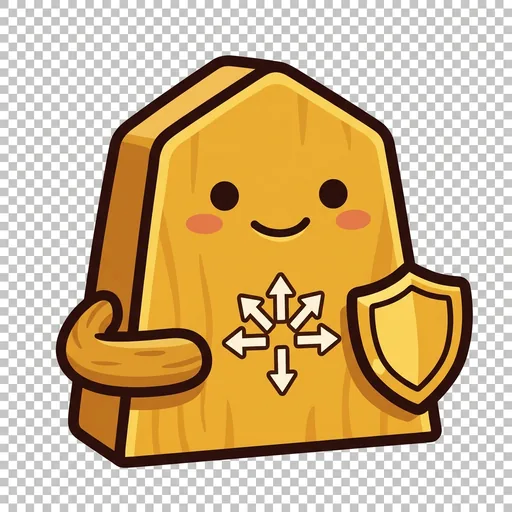
Goldguard Kin
The gold general: the six-direction shield step (cannot promote)
-

Bishop Kaku
The bishop: the long diagonal slide, locked to one colour
-

Rook Hisha
The rook: the long file and rank sweep — the strongest slider
-

Crownfall Gyoku
The king: one step any direction; protecting it is the game — checkmate is its fall
-

Promote Nari
The promotion zone: a piece flips to its stronger promoted side in the last three ranks
-
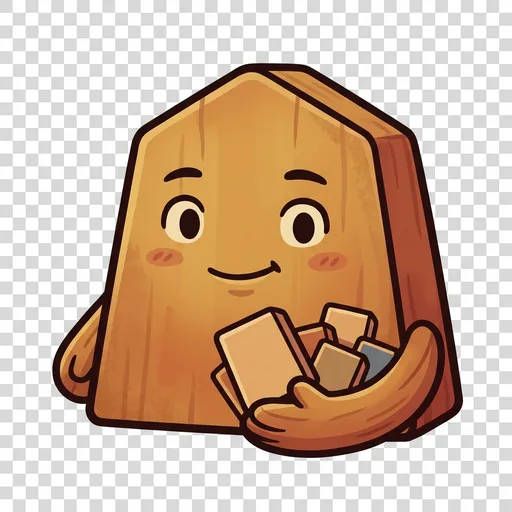
Dropcatch Dai
The DROP rule: a captured piece enters your hand and redeploys on an empty square
-
Reserve Rin
Piece-in-hand + drop limits: the komadai reserve, nifu and uchifuzume
-
Sensei Tsume
The tsume-shogi puzzle master (mentor): forced-mate problems with one solution