
Gamut
THE NEED UNDER THE WANT - two people can want opposite things and still need things that fit together; a good middle is built from the needs, not the wants.
Listen along — Gamut
Loading audio…
Press play to listen along. The line being read lights up as you go.
Show full transcript
Loading transcript…
Gamut and the Two Loud Voices
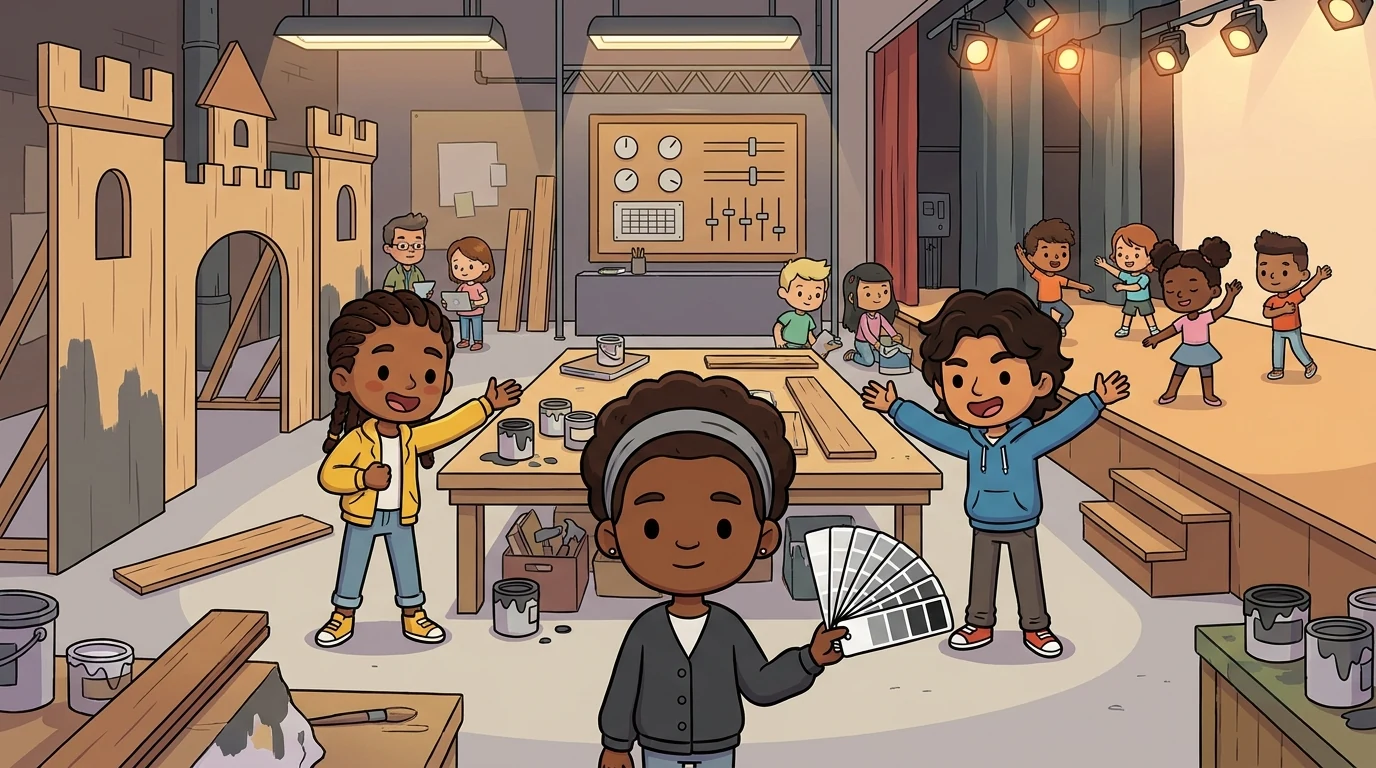
Gamut keeps a fan of paint cards in her cardigan pocket. White at one end, black at the other, and every grey you can imagine in between. When people at the Little Lamp Theatre start arguing, she pulls it out and fans it open, and somehow the room gets quieter.
“Most things aren’t white or black,” she says. “Most things are one of these.”
On the first evening of rehearsals, Gamut walked into the set workshop and felt it straight away: the air was tight, like a rubber band about to snap. Two of the older kids, Priya and Sol, were standing on either side of a half-built set.
“The play needs a castle,” said Priya. “A proper one. Tall towers. It’s the whole story.”
“The play needs space,” said Sol. “We have twelve dancers in the second act. If you build a castle they’ll be dancing in a cupboard.”
Each of them turned to Gamut. “Tell her she’s wrong,” said Sol. “Tell him he’s wrong,” said Priya, at exactly the same moment.
Gamut felt the old pull. When she was younger, she always wanted to pick the winner quickly so the shouting would stop. She had learned that picking a winner usually just made a loser, and losers don’t stop being upset. They go quiet and stay upset.
So she didn’t pick. She asked something else.
“Priya, what do you need the castle to do?”
Priya blinked. Nobody had asked her that. “I need the audience to know it’s a castle,” she said slowly. “Straight away. In the first scene. Or the story doesn’t make sense.”
“Sol, what do you need the space for?”
“The dancers need to move from one side to the other without crashing,” Sol said. “Mostly in the second act.”
Gamut fanned her paint cards and held up a grey right in the middle. “Notice something,” she said. “Priya didn’t say she needs the castle there all night. She needs people to know it’s a castle in scene one. And Sol didn’t say he needs an empty stage all night. He needs room in act two.”
The two of them looked at each other. The rubber band in the room went slack.
“So the castle could be big in scene one,” Priya said, “and then… come apart?”
“Or slide back,” said Sol. “On wheels.”
By the end of the evening there was a plan sketched on the back of a cardboard box: two tall towers on castors that rolled to the sides during the interval, leaving a wide floor for the dancers. Neither of them got exactly what they first asked for. Both of them got what they needed.
That’s the thing Gamut teaches everyone who comes through the theatre. The want is what people say first: a castle, an empty stage, the last slice, the window seat. The need is what the want is for: being understood, having room, being treated fairly, feeling safe. Two wants can crash head-on. Two needs very often fit together.
She doesn’t pretend it always works. Sometimes the needs really do pull in different directions, and then you have to choose, and somebody has to give more. Gamut says that’s okay to say out loud. A good middle is honest about what it costs.
But she starts the same way every time. Not “who’s right?” Not “who started it?”
“What does each of you really need?”
Then she waits, with her paint cards fanned, for the grey to show up.
The ShadeForge ensemble
Gamut is part of ShadeForge's distributed-narrative cast. Each character embodies a different curricular primitive; together they teach the full subject.
-

Rheo
Turns an all-or-nothing switch into a dial
-

Tolly
Asks how many, really - and counts
-

Ellery
Asks how much, compared with what
-
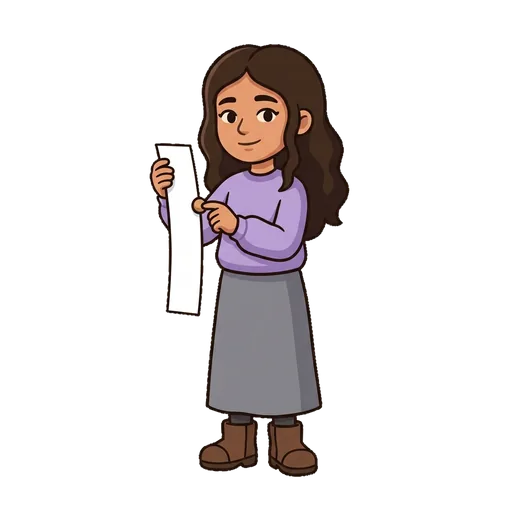
Odelia
Asks how sure we really are
-
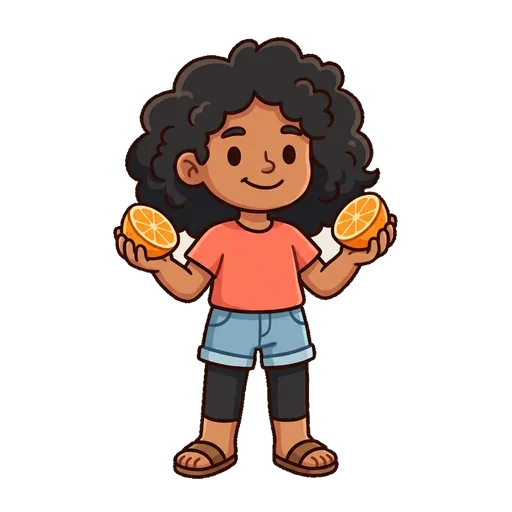
Halvie
The Split move - each side gets part of what they want
-

Turnby
The Alternate move - take turns across time
-

Quid
The Trade move - swap something each side values
-
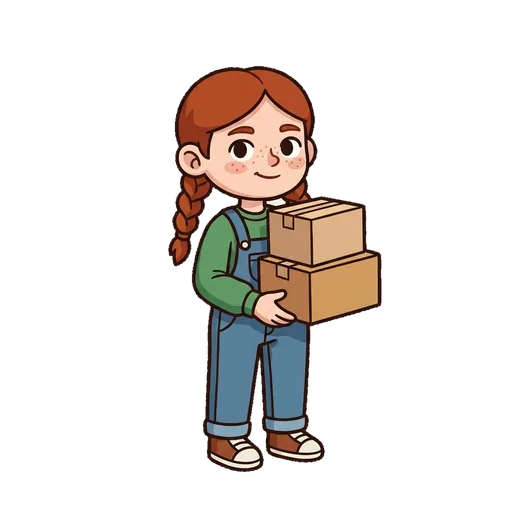
Tierney
The Stack move - do both, one on top of the other
-

Novo
The Third Option - invents what neither side proposed
-

Truett
Tells a question with a true answer from a trade-off of values