Tierney
THE STACK - two plans that look like rivals can sometimes both happen, in layers or one after another; stacking turns 'or' into 'and'.
Listen along — Tierney
Loading audio…
Press play to listen along. The line being read lights up as you go.
Show full transcript
Loading transcript…
Tierney and the Two Boxes
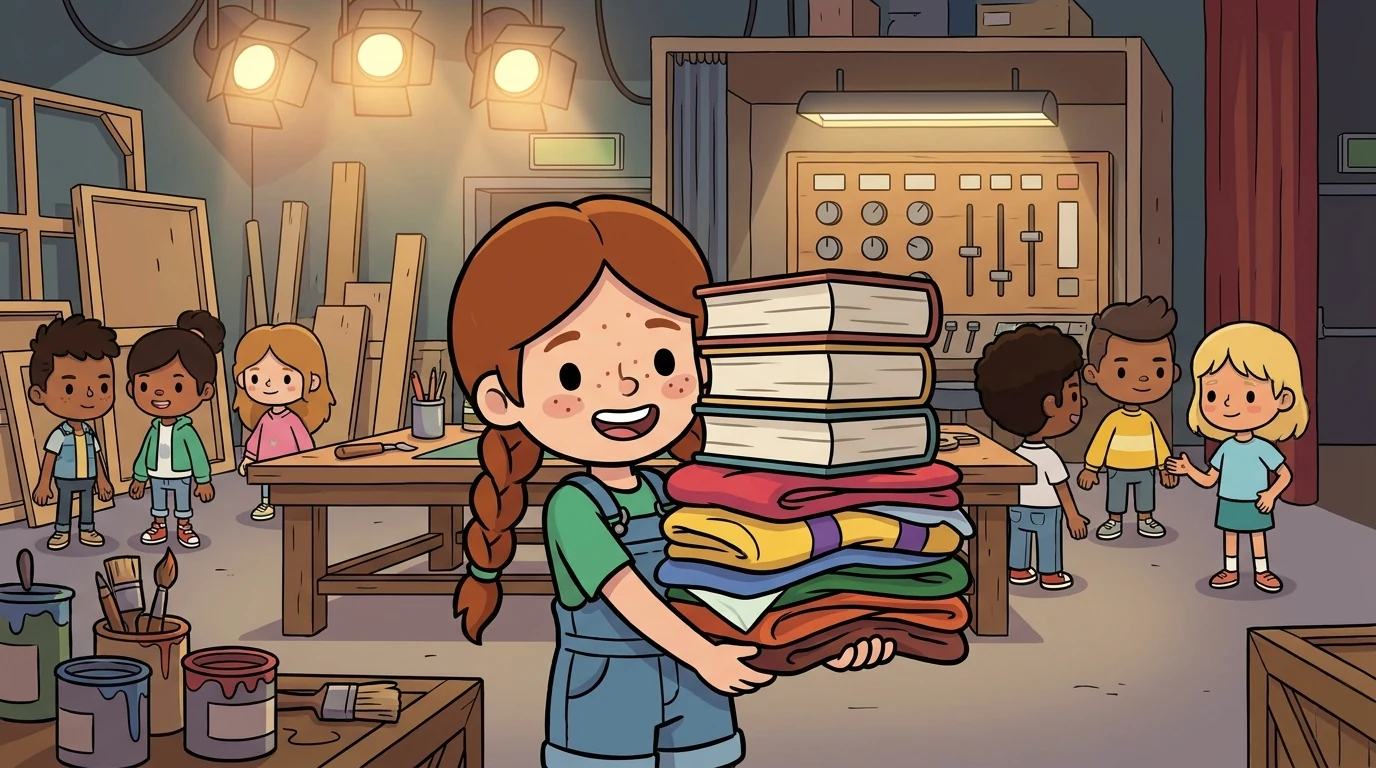
Tierney carries things in stacks. Two boxes, one balanced on the other. Three books. A pile of folded costumes. She says it’s because she’s always in a hurry. Her friends say it’s because she can’t resist showing everyone her favourite trick.
“Everyone thinks it’s this OR that,” she says, hoisting her boxes. “Half the time it’s this AND that. You just have to stack them.”
It started on her tenth birthday.
Tierney’s family had one Saturday and two plans. Tierney wanted to go to the zoo. Her little brother Finn wanted to go to the cinema to see a film about a robot dog. Their mum said they’d have to choose, and the whole kitchen went tense, because whoever lost was going to spend the day sulking.
Tierney felt her chest go heavy. It was her birthday. She should win. But she looked at Finn’s face and saw he was already blinking hard, getting ready to lose, and the heavy feeling turned into something more uncomfortable.
Then she noticed something. The zoo opened at nine. The film was on at four.
She felt a little click inside, like a box landing neatly on top of another one.
“What if we don’t choose?” she said. “Zoo in the morning, film in the afternoon.”
Her mum looked at the clock and the bus times and laughed. “That’s a long day. But yes. We could.”
They did both. Finn fell asleep halfway through the film, and Tierney didn’t mind at all.
That was the first stack. Since then, Tierney has stacked all sorts of things at the Little Lamp Theatre.
Two directors wanted different endings for the play, one happy and one sad. Tierney stacked them: the play ended sadly, and then, after the curtain call, the cast came back for a short, joyful song. Two groups argued over whether the lobby should be a quiet reading corner or a place to sell snacks. She stacked it: snacks before the show and in the interval, quiet reading on rehearsal days.
Stacking doesn’t always work. Sometimes there really isn’t enough time, or money, or space for both. Sometimes doing both means doing both badly, and then it’s kinder to choose. Tierney says the test is simple: does stacking give each side what it really needs, or does it just squash two things into a space that only fits one?
When it fits, though, a stack feels like magic, because a problem that looked like it needed a loser suddenly doesn’t.
She hoists her two boxes, one on top of the other, and heads for the stage door.
“Not or,” she calls over her shoulder. “And.”
The ShadeForge ensemble
Tierney is part of ShadeForge's distributed-narrative cast. Each character embodies a different curricular primitive; together they teach the full subject.
-
Gamut
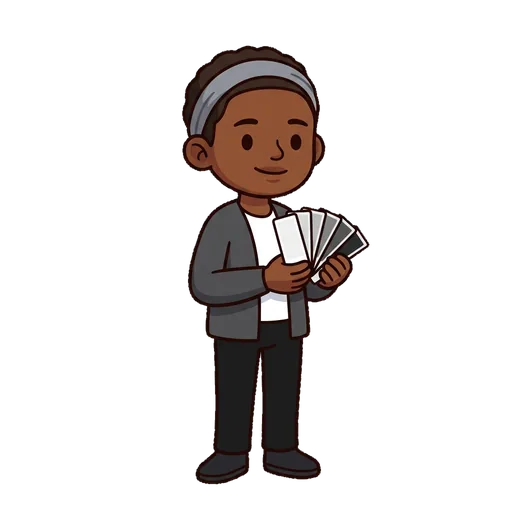
(Mentor, a theatre kid with a fan of grey swatches) - never asks who is right; asks what each side really needs
-
Rheo
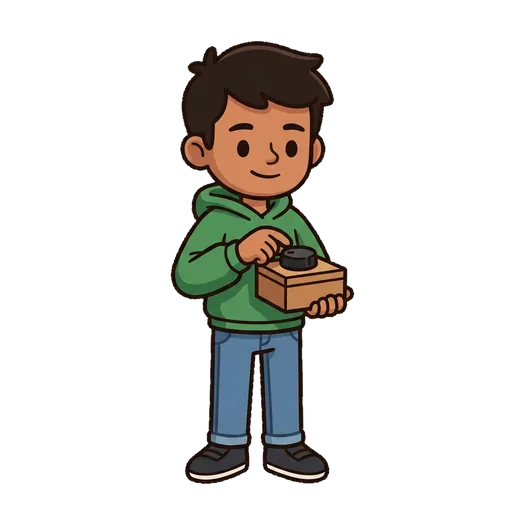
Turns an all-or-nothing switch into a dial
-
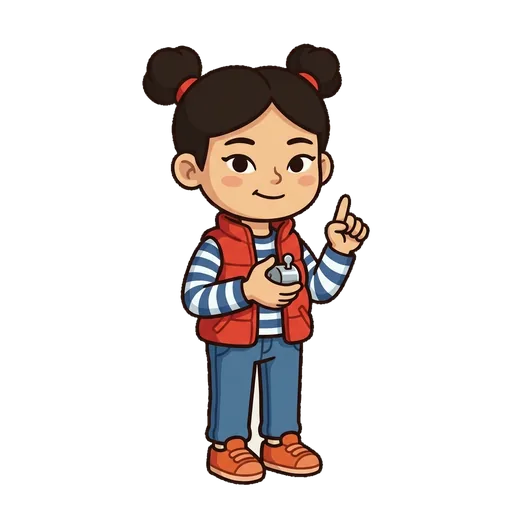
Tolly
Asks how many, really - and counts
-
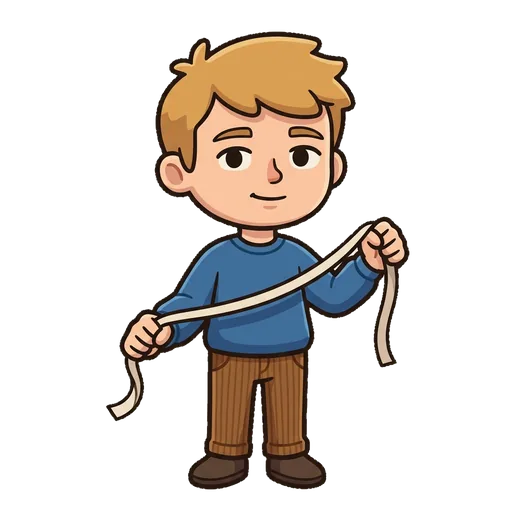
Ellery
Asks how much, compared with what
-
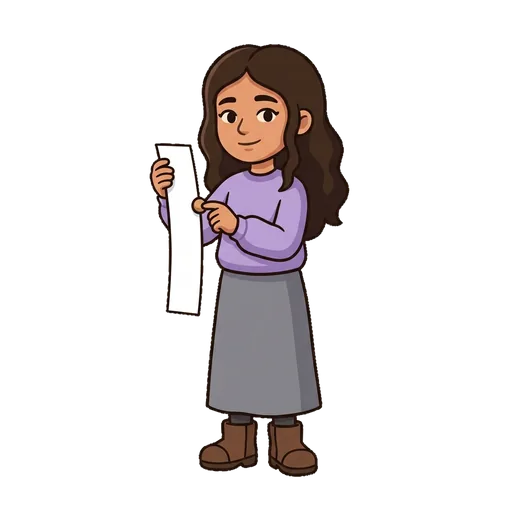
Odelia
Asks how sure we really are
-
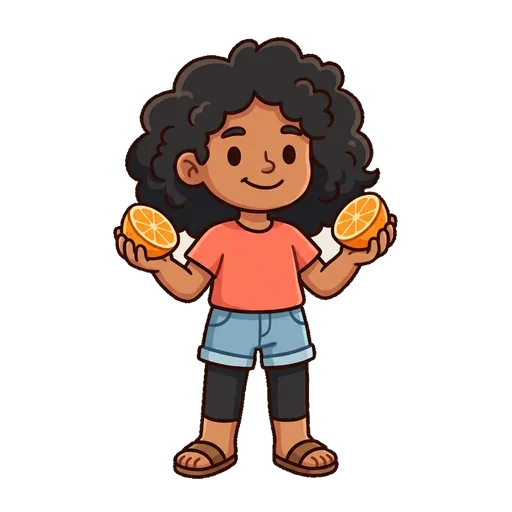
Halvie
The Split move - each side gets part of what they want
-

Turnby
The Alternate move - take turns across time
-
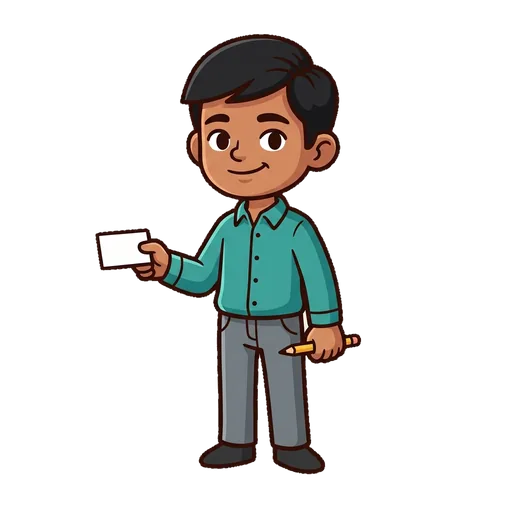
Quid
The Trade move - swap something each side values
-
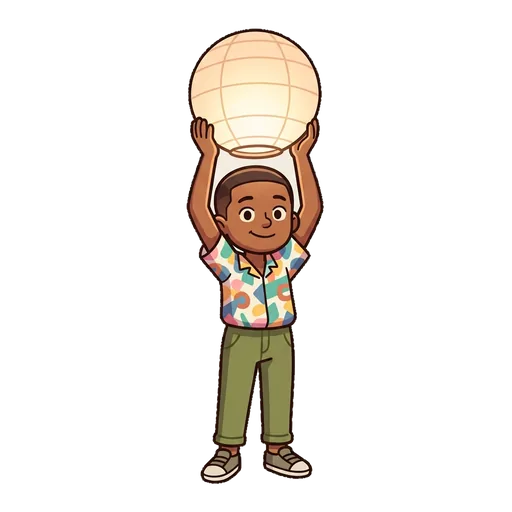
Novo
The Third Option - invents what neither side proposed
-
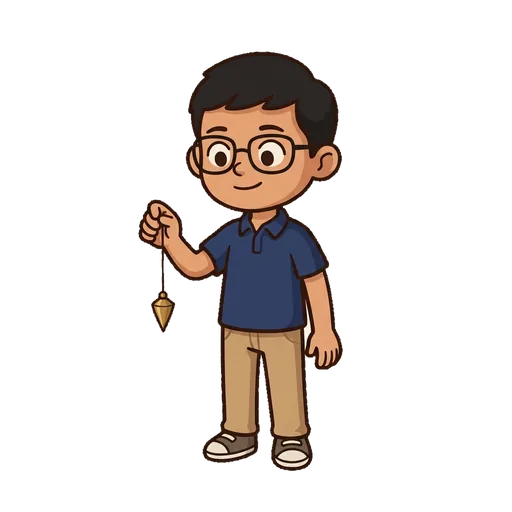
Truett
Tells a question with a true answer from a trade-off of values