Halvie
THE SPLIT - when two people want the same thing, each can get part of it; a fair split is one both sides would accept from either half.
Listen along — Halvie
Loading audio…
Press play to listen along. The line being read lights up as you go.
Show full transcript
Loading transcript…
Halvie and the Orange
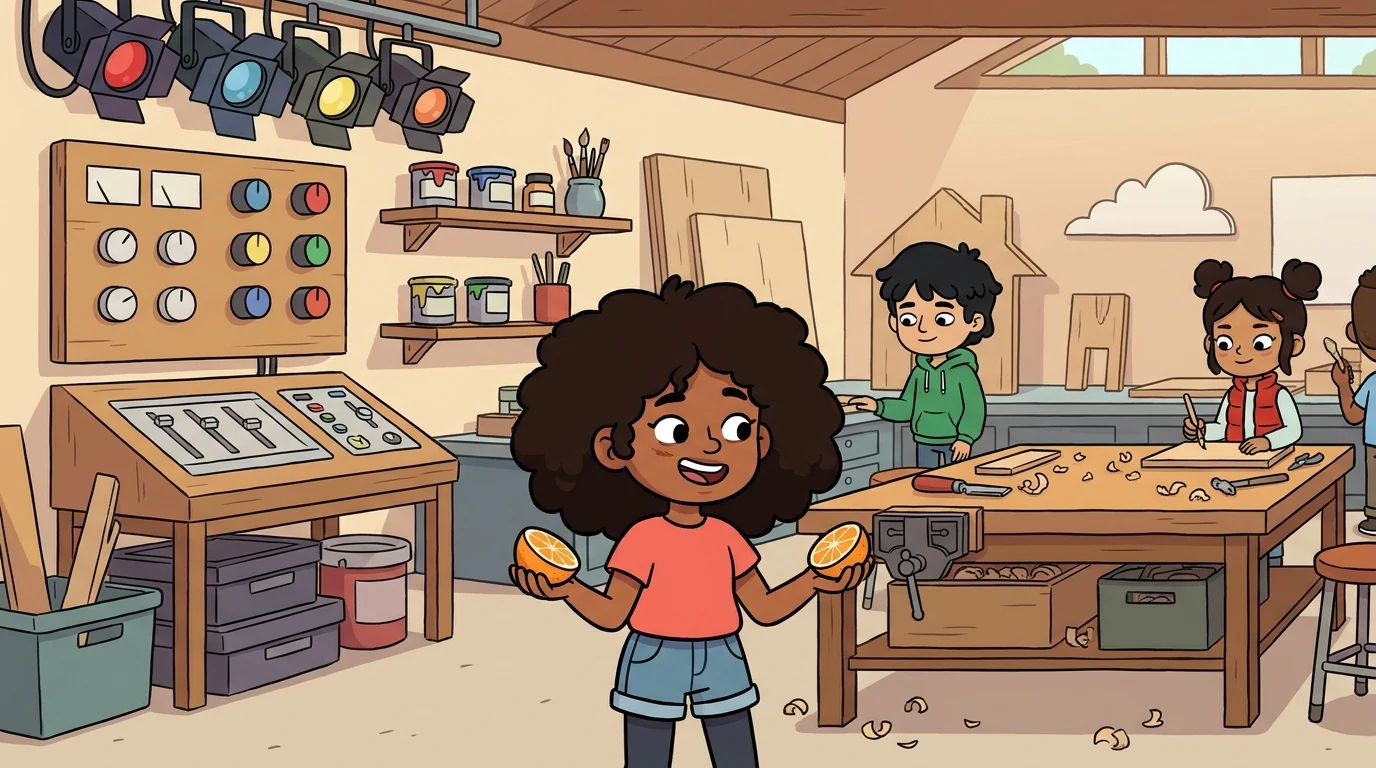
Halvie always has an orange in her bag. She says it’s for snacks, but really it’s for teaching.
“Watch,” she says, and digs her thumbs into the peel and pulls it into two halves. “Two people, one orange. What’s fair?”
Most people say “half each,” and Halvie grins, because that’s only the start.
When Halvie was little, she and her older brother used to fight over everything: the last pancake, the front seat, the TV remote. One day their grandfather sat them both down with a single orange and a knife.
“One of you cuts,” he said. “The other one chooses which half to take.”
Halvie wanted to cut, because she thought the cutter got the advantage. She cut the orange wonky on purpose so one half was bigger. Then her brother chose, and of course he took the big half. Halvie stared at her tiny half and felt cross at herself. She’d tried to trick the system, and the system had tricked her back.
The next time, she cut it as evenly as she possibly could. Her brother chose, and she didn’t mind which half she got, because they were the same. Neither of them felt cheated. It was the first time in weeks they hadn’t argued over food.
That’s the clever part of the split. When you know the other person chooses first, you want to make both halves good. Fairness stops being something you fight about. It becomes something you build.
At the Little Lamp Theatre, Halvie looks for splits everywhere.
When two actors both wanted the big dressing-room mirror, Halvie asked when each of them really needed it. One needed it for make-up before the show. The other needed it for a costume change halfway through. So they split the time: the mirror belonged to one of them before curtain-up and the other in the interval.
When two groups both wanted the rehearsal stage on Saturday, she split the day: the dancers in the morning, the actors in the afternoon.
Not everything splits nicely, and Halvie is honest about that. You can’t split a puppy, or a pair of shoes, or the lead role in the play. If you cut those in half, you ruin them. When something can’t be split without breaking it, Halvie hands the problem on to one of her friends with a different move, like Turnby, who takes turns, or Novo, who invents something new.
But a lot of things can be split. Time, space, snacks, jobs, money, turns at the window. And a good split has a test built in.
“Would you be happy with either half?” Halvie asks. “If yes, it’s fair. If no, cut again.”
She hands one half of her orange to whoever she’s talking to and keeps the other. Most of the time, nobody can tell which half was bigger.
That’s exactly the point.
The ShadeForge ensemble
Halvie is part of ShadeForge's distributed-narrative cast. Each character embodies a different curricular primitive; together they teach the full subject.
-
Gamut
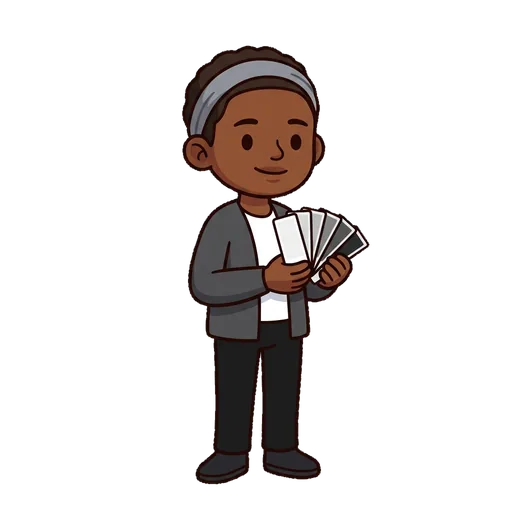
(Mentor, a theatre kid with a fan of grey swatches) - never asks who is right; asks what each side really needs
-
Rheo
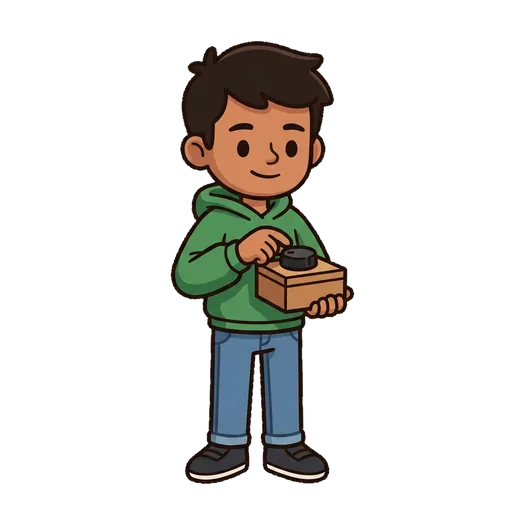
Turns an all-or-nothing switch into a dial
-
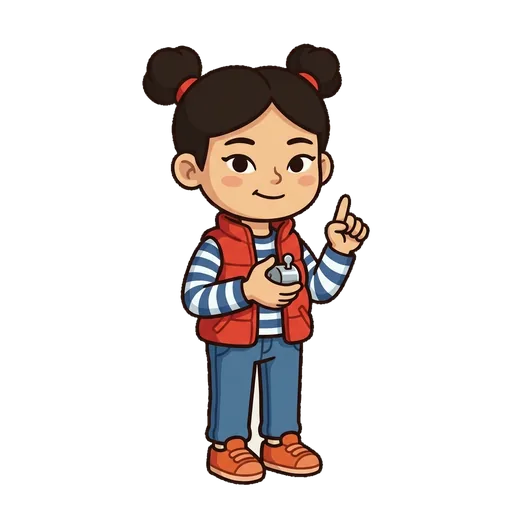
Tolly
Asks how many, really - and counts
-
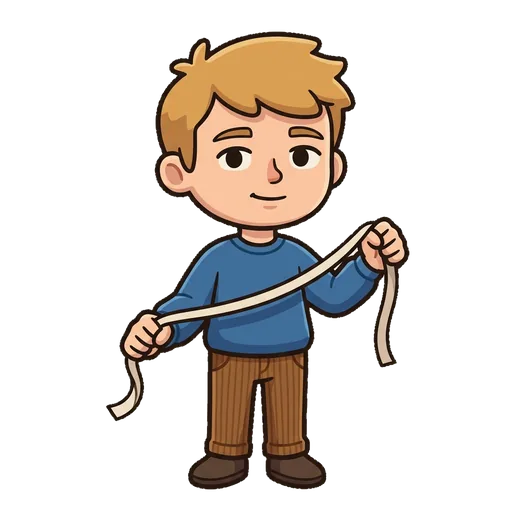
Ellery
Asks how much, compared with what
-
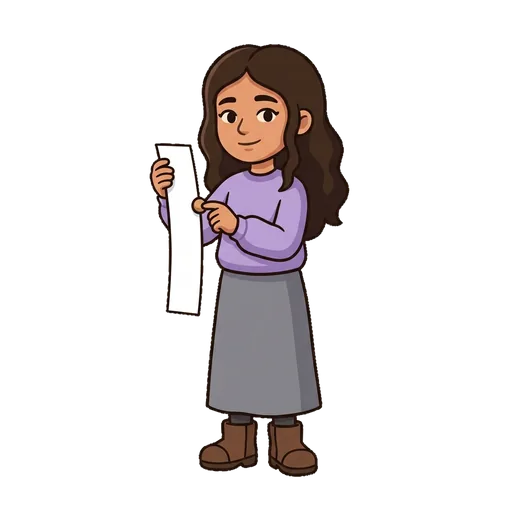
Odelia
Asks how sure we really are
-

Turnby
The Alternate move - take turns across time
-
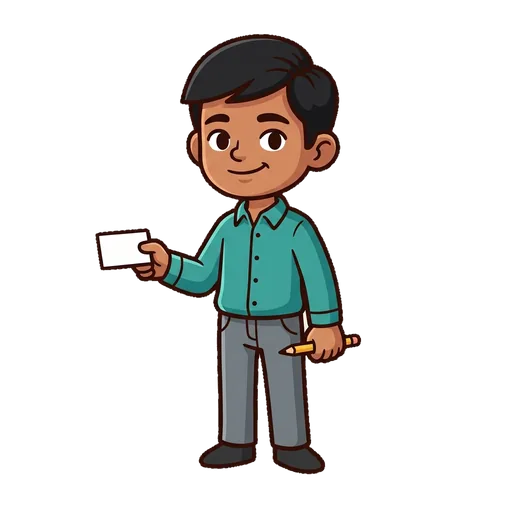
Quid
The Trade move - swap something each side values
-
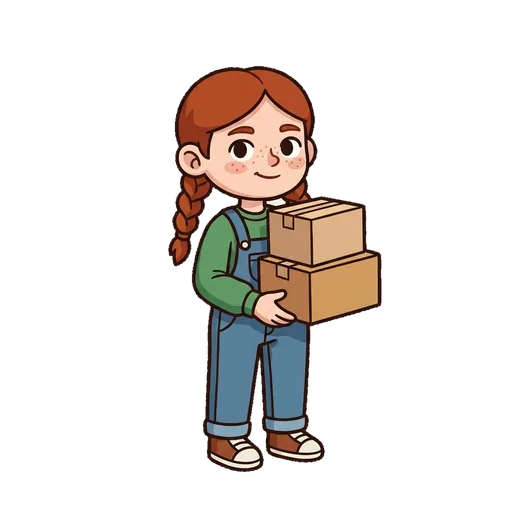
Tierney
The Stack move - do both, one on top of the other
-
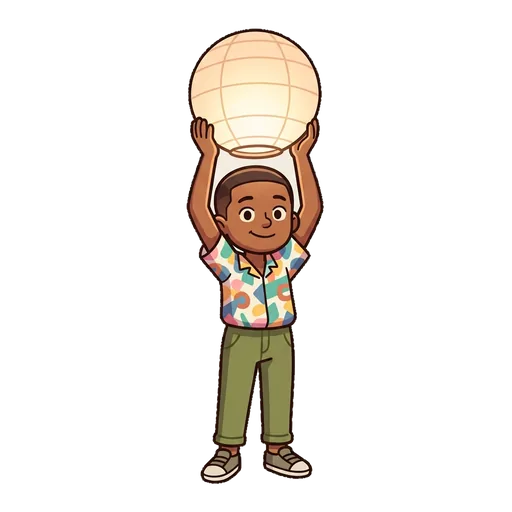
Novo
The Third Option - invents what neither side proposed
-
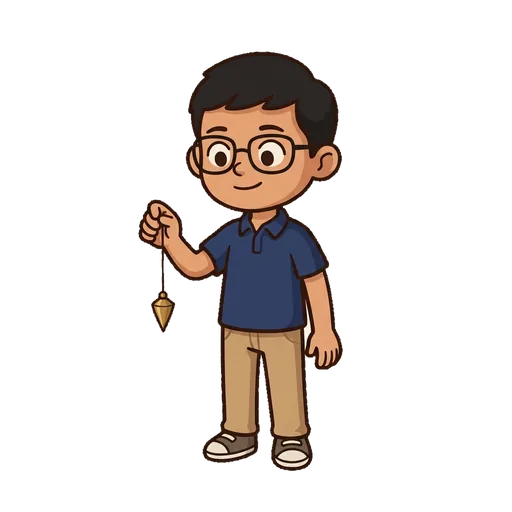
Truett
Tells a question with a true answer from a trade-off of values