Rheo
SWITCH TO DIAL - an all-or-nothing thought (always, never, everyone, nothing) is usually a dial set too far; turning it to the true setting makes the problem the right size.
Listen along — Rheo
Loading audio…
Press play to listen along. The line being read lights up as you go.
Show full transcript
Loading transcript…
Rheo and the Big Black Knob
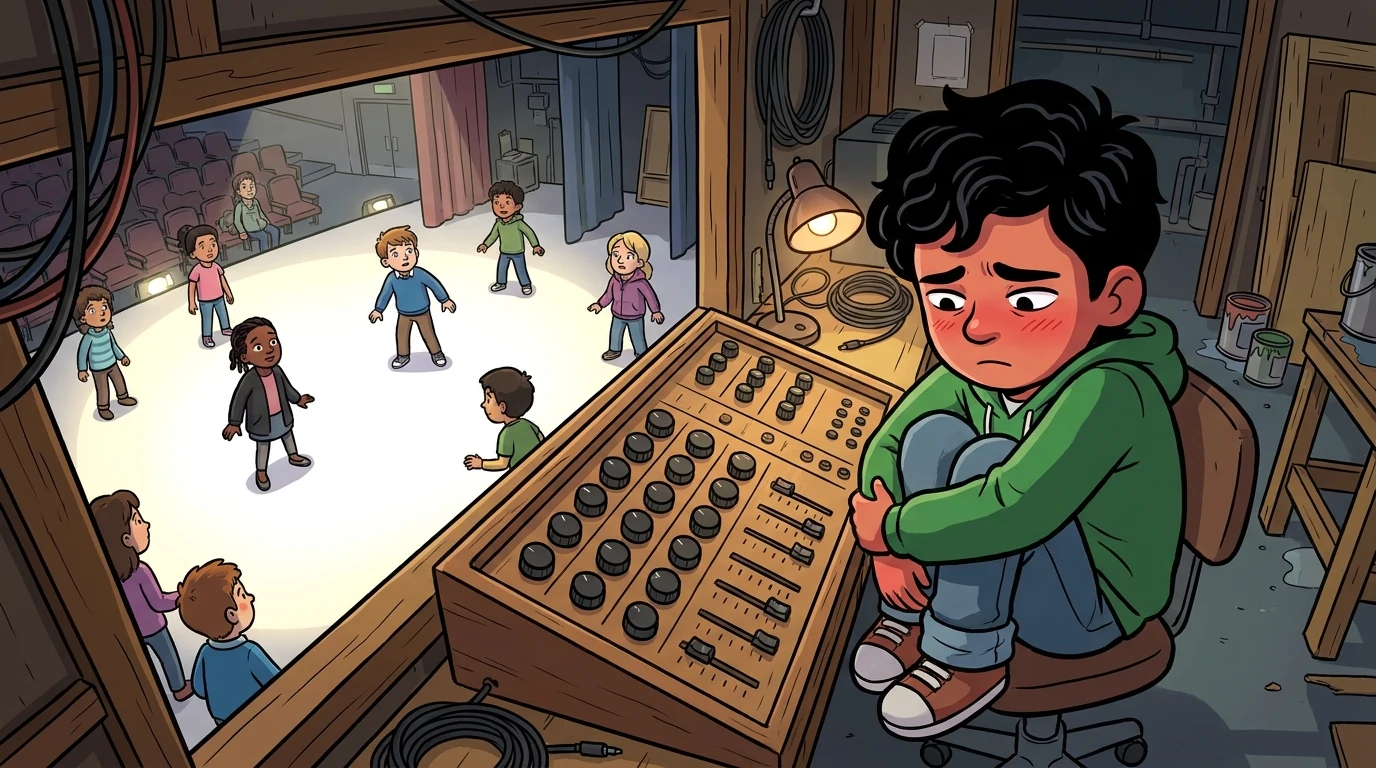
Rheo runs the lights at the Little Lamp Theatre. He sits in the booth at the back, above everyone’s heads, with a wooden board full of round black knobs in front of him. Each knob controls one light. Turn it a little and the light glows a little. Turn it all the way and the stage blazes.
“The old theatre had switches,” Rheo likes to say. “On or off. That’s it. It was like trying to paint with one colour.”
Rheo loves dials. But he didn’t always think in dials.
On the night of the first full rehearsal, Rheo was meant to bring the stage lights up slowly for the opening scene, like a sunrise. Instead his elbow knocked the master knob and the whole stage went bright white in a single blink. The actors froze. Somebody laughed. Then the director called, “Okay, let’s go again,” and everybody reset.
Rheo didn’t reset. Up in the booth, his face went hot and his stomach dropped. One thought arrived, loud and certain.
I ruin everything.
It felt completely true. It filled the whole booth. He sat on his hands and stared at the board and didn’t want to touch it again.
His friend Tolly climbed the ladder to the booth to see what was taking so long. She looked at his face and sat down beside him without saying anything for a bit.
“What happened?” she asked finally.
“I ruin everything,” Rheo said.
Tolly looked at the board of knobs. Then she reached out and put her hand on the master knob. “Is that thought a switch or a dial?”
Rheo knew what she meant. They’d talked about it before. A switch thought has two settings: everything or nothing, always or never. A dial thought has a whole range.
“It’s a switch,” he admitted. “It’s set to everything.”
“So turn it down,” she said. “To the true setting.”
Rheo took a breath. He imagined the thought as one of his knobs, cranked all the way up and blazing. Then he started turning it, slowly, the way he was supposed to bring up the sunrise.
I ruin everything.
Click. I ruined this rehearsal.
Click. I ruined the first ten seconds of this rehearsal.
Click. I bumped one knob, once, and we started again.
He stopped there. That one was true. It wasn’t nice, but it was true, and it was a lot smaller than the first one. He noticed his shoulders had come down from around his ears.
“That’s a lot smaller,” he said.
“Tiny,” said Tolly. “Medium at most.”
Rheo laughed, which surprised him. Then he leaned over the board and brought the lights up for the opening scene, slow and gold, exactly like a sunrise. Down on the stage, somebody gave him a thumbs-up.
Turning a switch into a dial doesn’t mean pretending things are fine. Sometimes the true setting is still big. If something really is going wrong again and again, the true setting might be high, and that’s exactly when it’s worth telling a grown-up. The point isn’t to turn every thought down to zero. The point is to find where it really belongs.
Rheo keeps one knob on the board with a little sticker of a light switch next to it, crossed out. When a thought arrives that’s set to everything or never, he puts a finger on that knob and asks himself the same question.
“Switch or dial?”
The ShadeForge ensemble
Rheo is part of ShadeForge's distributed-narrative cast. Each character embodies a different curricular primitive; together they teach the full subject.
-
Gamut
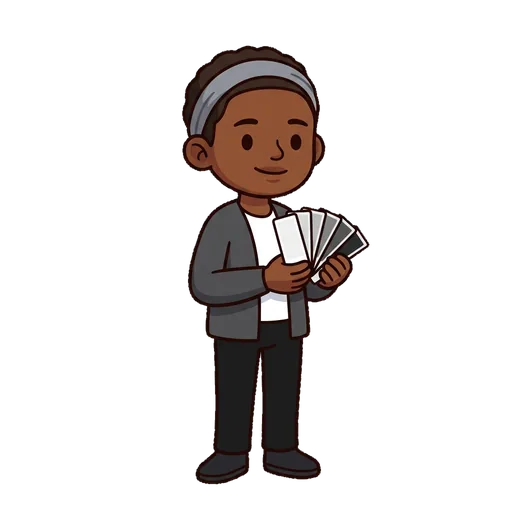
(Mentor, a theatre kid with a fan of grey swatches) - never asks who is right; asks what each side really needs
-

Tolly
Asks how many, really - and counts
-

Ellery
Asks how much, compared with what
-
Odelia
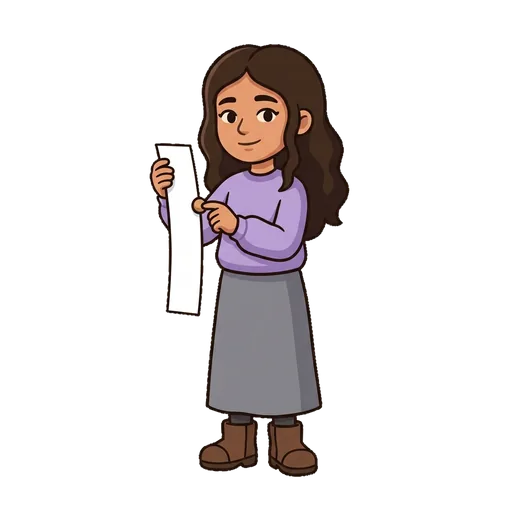
Asks how sure we really are
-

Halvie
The Split move - each side gets part of what they want
-

Turnby
The Alternate move - take turns across time
-

Quid
The Trade move - swap something each side values
-
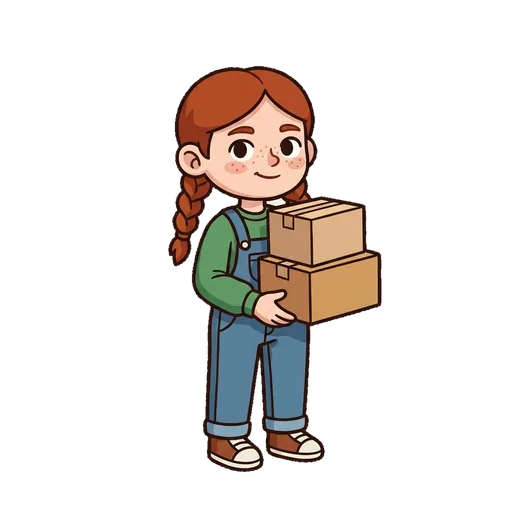
Tierney
The Stack move - do both, one on top of the other
-

Novo
The Third Option - invents what neither side proposed
-
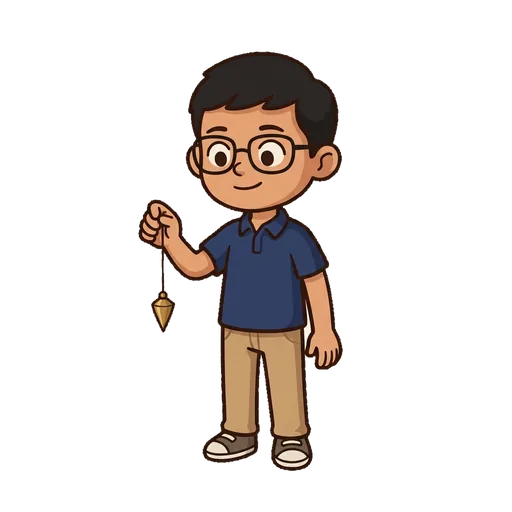
Truett
Tells a question with a true answer from a trade-off of values