
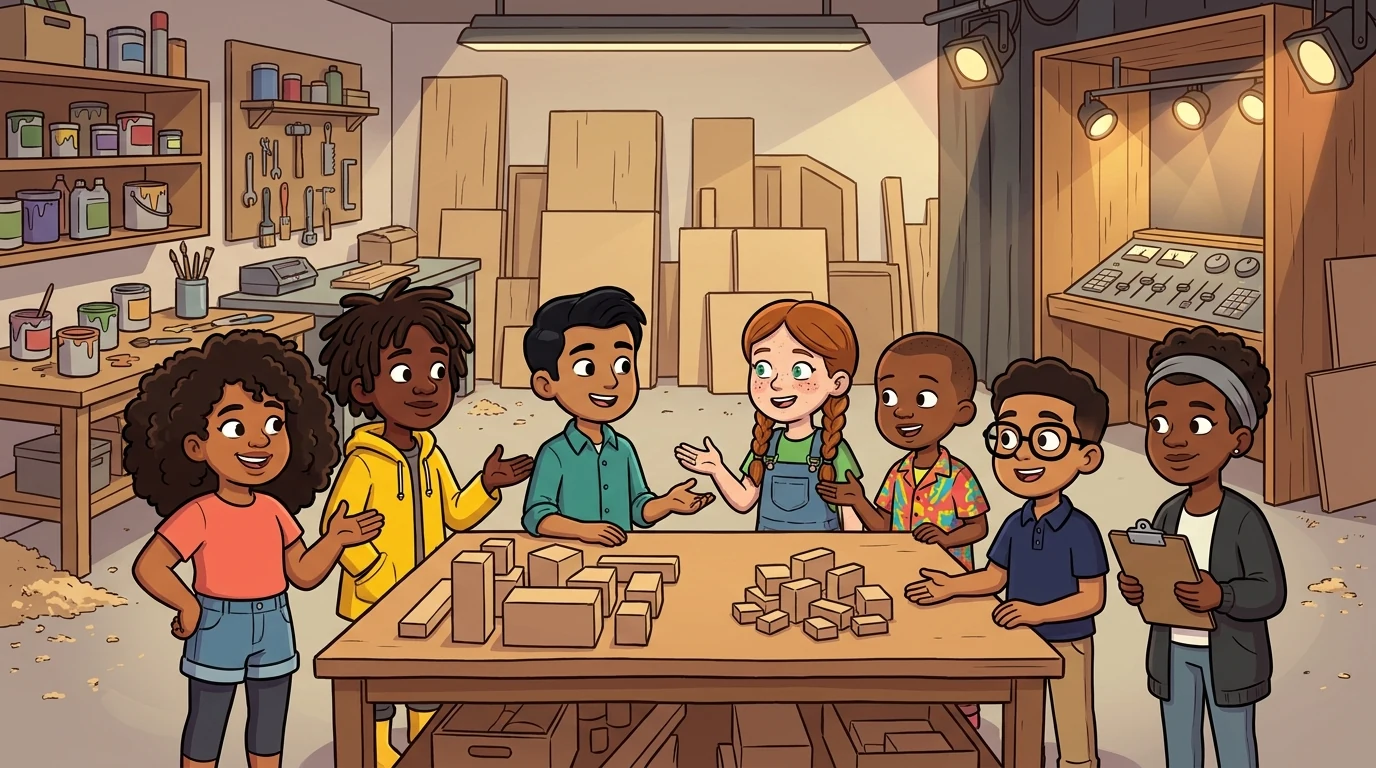
Halvie, Turnby, Quid, Tierney, Novo, and Truett
DESIGNING A MIDDLE - once the facts are checked, a two-sided disagreement can be worked on with five moves; the best compromise is the one that fits what both sides really need, and a good compromise is honest about who it leaves out.
Listen along — Halvie, Turnby, Quid, Tierney, Novo, and Truett
Loading audio…
Press play to listen along. The line being read lights up as you go.
Show full transcript
Loading transcript…
The Compromise Studio
The set workshop at the Little Lamp Theatre smells of sawdust and paint. On Thursday nights, six friends turn it into the Compromise Studio. Anyone who’s stuck in a disagreement can bring it in, and the six of them help design a middle.
That Thursday, Gamut brought them a puzzle from history.
“In the summer of 1787,” she said, “people from thirteen American states met to write a plan for their new government. They got stuck on one question for weeks. When the states sent people to make the laws, how many should each state get?”
She split the room into two teams. Half were the Big States, who had lots of people. Half were the Small States, who had fewer.
“Seats by population,” said the Big States straight away. “We have more people. We should have more say.”
“Every state gets the same,” said the Small States. “Otherwise the big ones will just outvote us forever.”
It got loud quickly. Both teams felt their side was obviously the fair one, and each felt the other was being greedy. The six friends recognised that feeling, the hot certainty that you’re right and the other side is just being difficult. It’s what happens in almost every argument they see.
Truett held up his plumb bob first. “Before any moves, is this a fact we can check?”
The room thought about it. How many people lived in each state was a fact, and people did check. But how much say each state should have? That was about what people cared about: fairness to people, and fairness to places. “That’s a value question,” said Truett. “So it’s a job for the middle.”
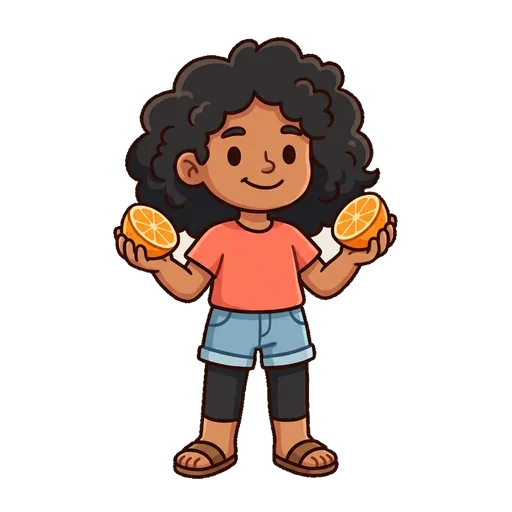
Halvie held up her two orange halves. “Could we split it? Some seats by population, some equal?”
“Half and half?” said a Big State. “We’d still be outvoted on half.”
Turnby turned his sand timer. “Could we take turns? Population rules one year, equal rules the next?”
Everyone groaned. “Then all the laws would flip back and forth,” said a Small State. Turnby laughed. “Fair. Not every problem suits turns.”
Quid held up his blank card and pencil. “What does each side care about most?”
The Big States thought. “That more people means more say. Our people count.”
“And the Small States?”
“That we can’t be steamrolled. That our state still matters.”
Tierney hoisted her two boxes, one balanced on the other, and her eyes lit up. “Then stack it,” she said. “Don’t make one group of lawmakers. Make two. One where the seats go by population. One where every state gets the same. A law has to pass both.”
The room went quiet. Then, slowly, both teams started nodding. The Big States got a chamber where their population counted. The Small States got a chamber where they could never be steamrolled.
“That’s more or less what happened,” said Gamut. “Historians call it the Connecticut Compromise, or the Great Compromise. It’s why the United States has a House of Representatives and a Senate. People still argue about who deserves the credit for it.”
Novo had been quiet, holding the paper lantern. “Can I add a third option for us?” they asked. “Not for 1787. For now. Notice who wasn’t in that room.”
The friends went still. It was true. The people writing the plan that summer were all men, and many people who lived in those states had no say at all. Most women could not vote, and many other people were left out entirely. Some of the other bargains made that same summer were about those left-out people, and they are worth learning about properly, in a history class or with a grown-up you trust.
Truett nodded slowly. “So that’s the hard part,” he said. “A compromise can fit everybody in the room and still be unfair to the people who weren’t asked.”
“So the first move,” said Gamut, “is always: who should be in the room?”
Nobody said anything for a moment. It was a serious thought, and it deserved a moment. Then Halvie split her orange and handed half to the nearest Small State, and the room breathed again.
That’s what the Compromise Studio is for. Not deciding who wins, but designing what fits. Facts first, checked properly. Then the moves: split, take turns, trade, stack, or invent something new. And always one more question, the one the six friends learned from history.
Who isn’t in the room yet?
The ShadeForge ensemble
Halvie, Turnby, Quid, Tierney, Novo, and Truett is part of ShadeForge's distributed-narrative cast. Each character embodies a different curricular primitive; together they teach the full subject.
-
Gamut
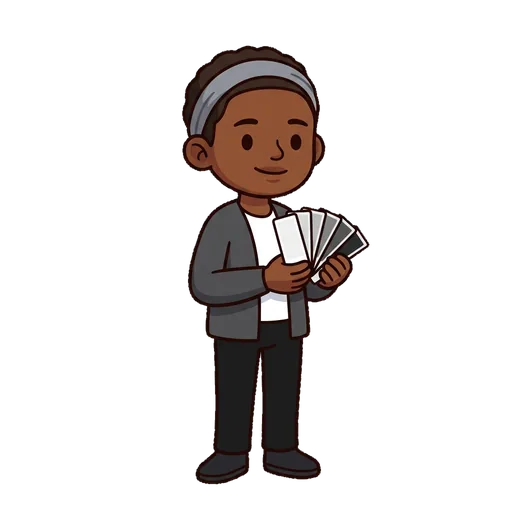
(Mentor, a theatre kid with a fan of grey swatches) - never asks who is right; asks what each side really needs
-

Rheo
Turns an all-or-nothing switch into a dial
-

Tolly
Asks how many, really - and counts
-

Ellery
Asks how much, compared with what
-
Odelia
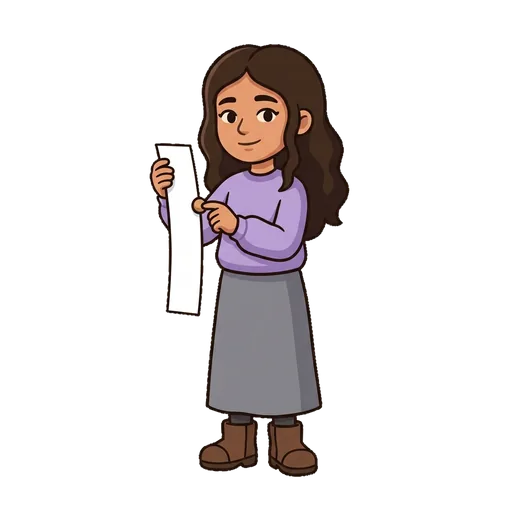
Asks how sure we really are
-
Halvie
The Split move - each side gets part of what they want
-

Turnby
The Alternate move - take turns across time
-

Quid
The Trade move - swap something each side values
-
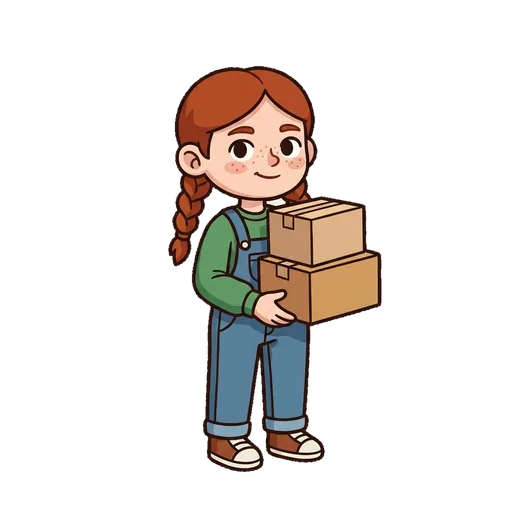
Tierney
The Stack move - do both, one on top of the other
-

Novo
The Third Option - invents what neither side proposed
-

Truett
Tells a question with a true answer from a trade-off of values