
The Full Grid (Acrostica · Anna Gram · Boggs)
THE GRID FAMILY — three ways to work one square of letters: Acrostica BUILDS a grid so words cross and lock; Anna Gram REARRANGES loose letters into new words; Boggs WALKS paths through fixed letters to find words already hiding; same tiles, three different moves, one shared truth — letters standing next to each other are never just a mess
A story read by The Full Grid (Acrostica · Anna Gram · Boggs)
Loading audio…
Press play to listen along. The line being read lights up as you go.
Show full transcript
Loading transcript…
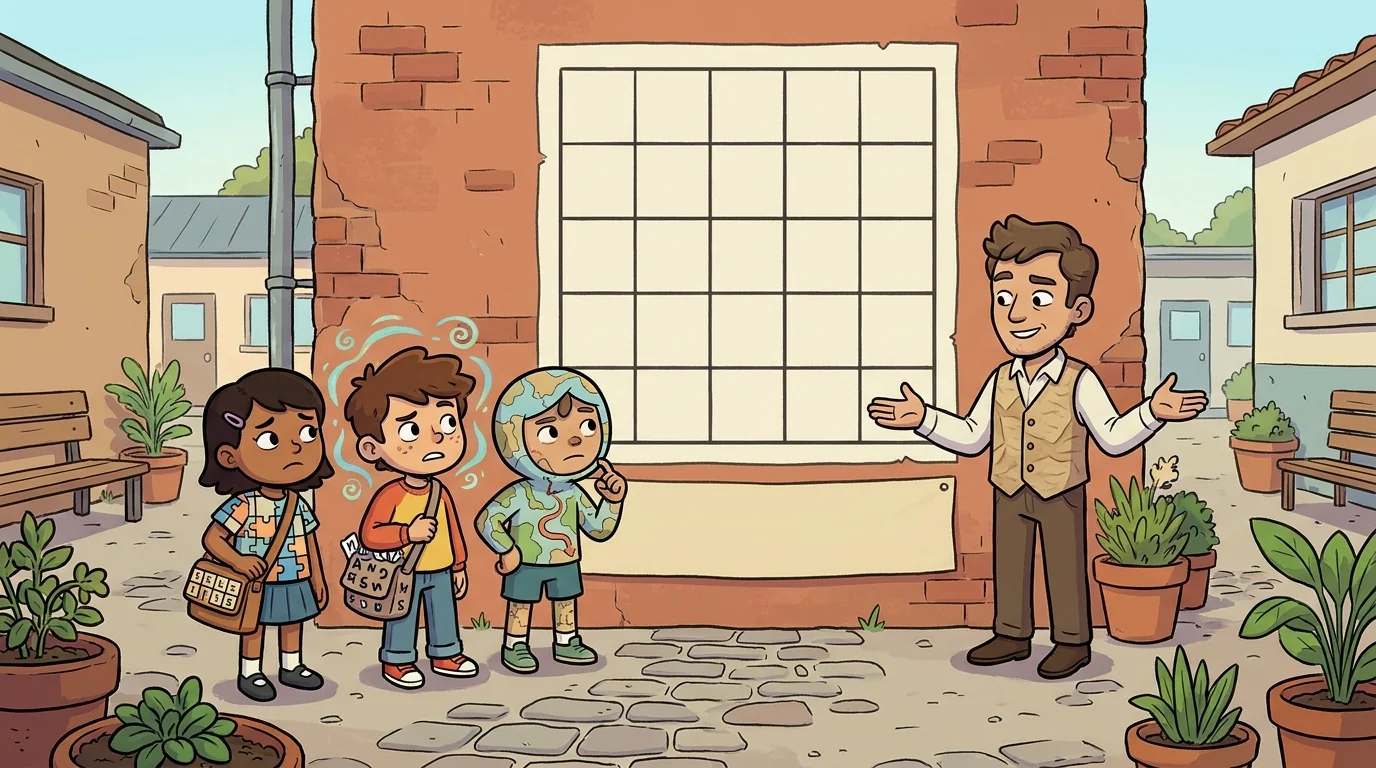
The Host poured a single handful of letter tiles onto the table and called the three of them over. "One set of letters," Vellum said. "Show them it's three puzzles, not one."
Acrostica went first, and she built. "Give me the letters and a grid, and I'll make them cross," she said, laying tiles so that each one joined an across word and a down word at once. "In my puzzle, letters lock together — every square answers to two words, and the crossings tell you what fits. I don't rearrange and I don't search. I construct, so the letters hold each other in place."
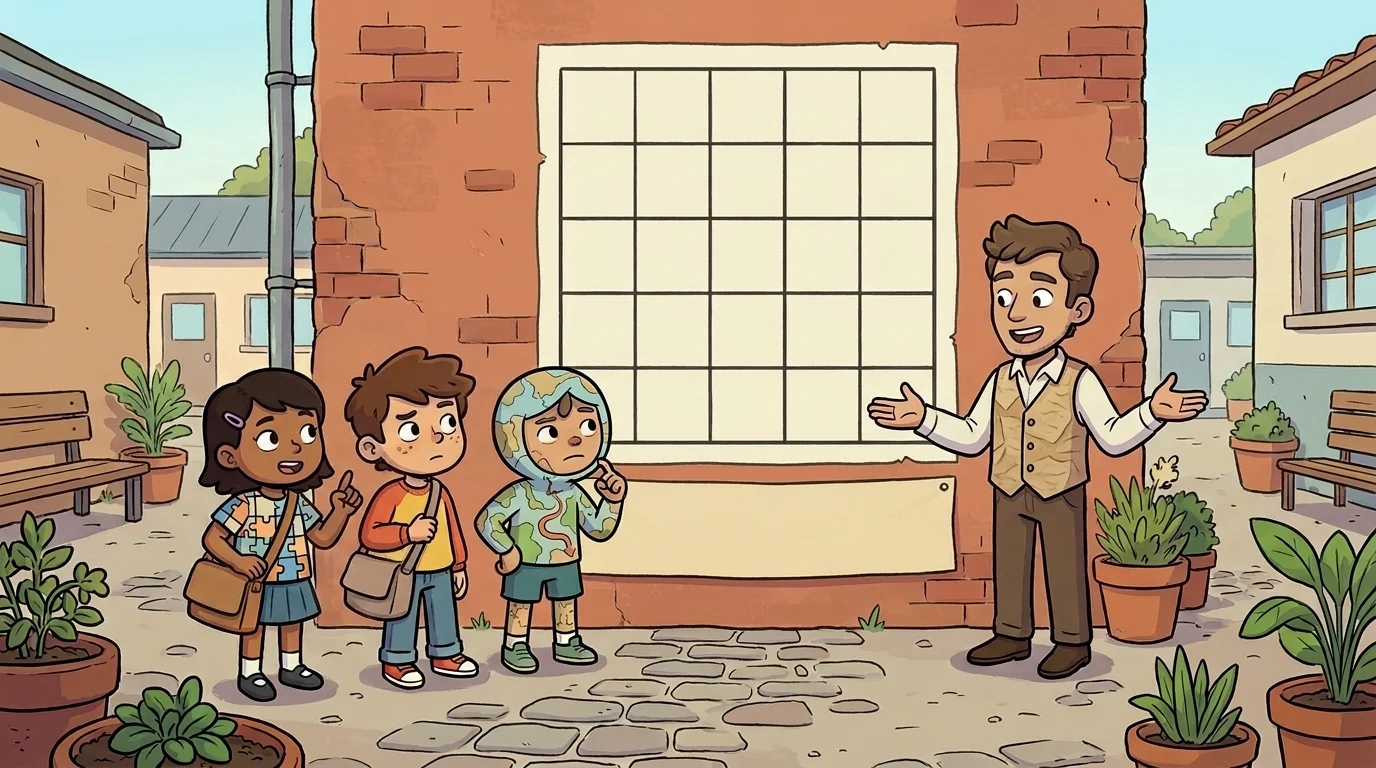
Anna Gram swept the same idea aside — literally, scattering the tiles loose. "Locked in a grid? Too tidy," she said. "In my puzzle the letters are free. Same tiles — but I rearrange them. STATE becomes TASTE becomes... I don't build a structure and I don't walk a path. I pour the letters out and pour them back in a new order, and a different word appears from the exact same handful."
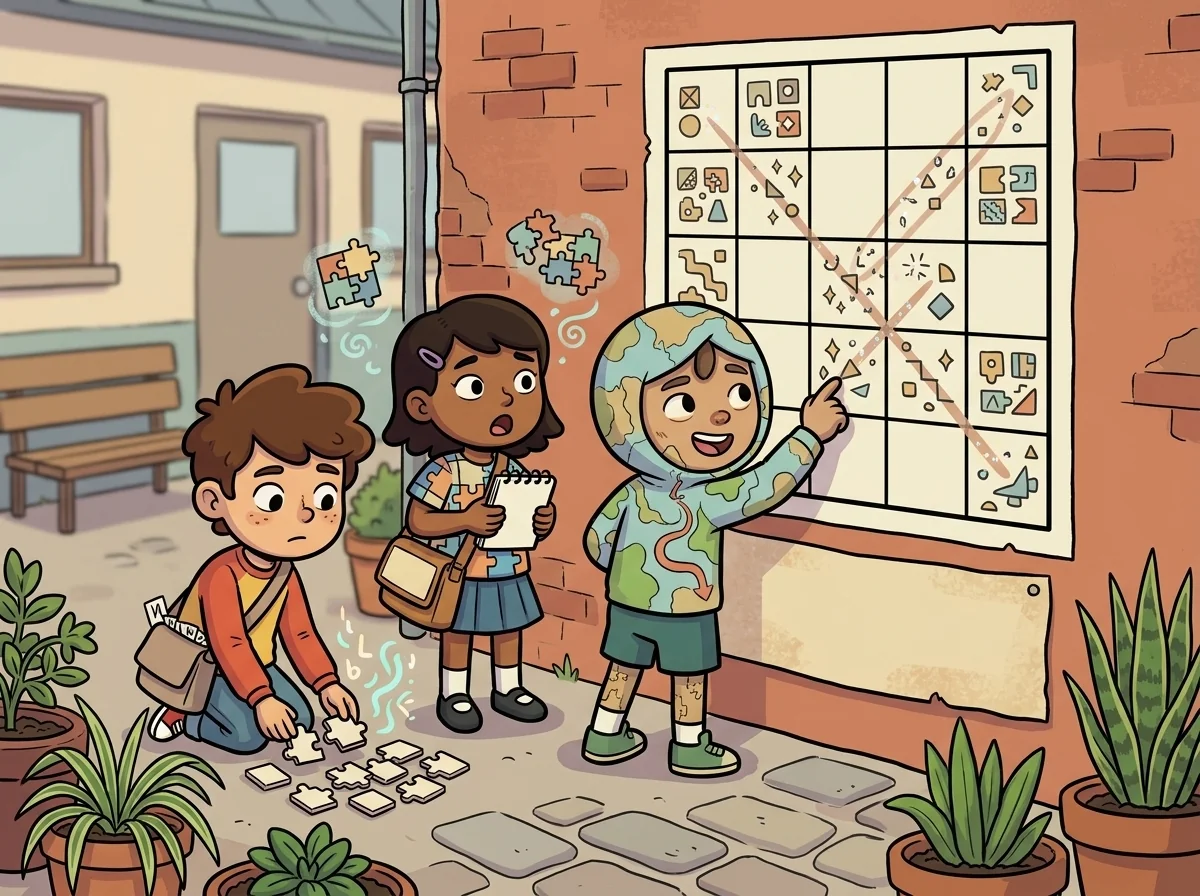
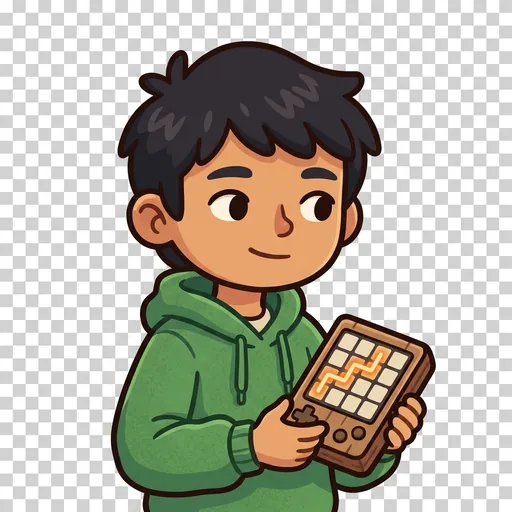
Boggs shook his head and pressed the tiles back into a fixed square. "You both move the letters — one locks them, one frees them. I don't move them at all," he said. "In my puzzle the grid is fixed, and the words are already hiding inside it. I walk — step from a letter to a touching neighbour, and if the trail spells something, I've found a word that was there the whole time. Build, rearrange, walk. Three moves, and none of them is the other."
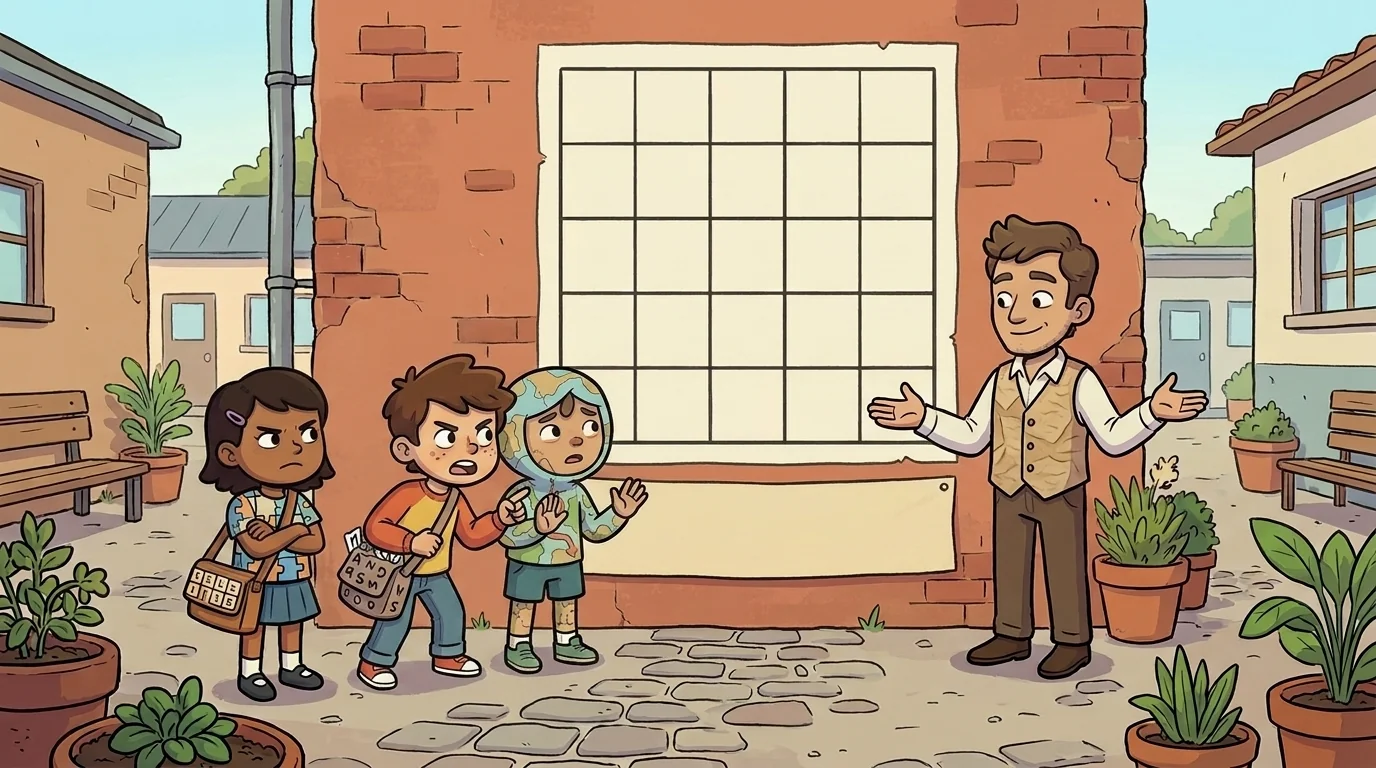
The Host let the solver see what the three had in common under their argument. "Notice," Vellum said, "that they're squabbling over the same handful of letters — and every one of them is right. Acrostica sees structure to build. Anna Gram sees freedom to rearrange. Boggs sees hidden paths to walk. Three completely different puzzles, one bag of tiles. The letters didn't change. What changed was the question each of them asked of them."
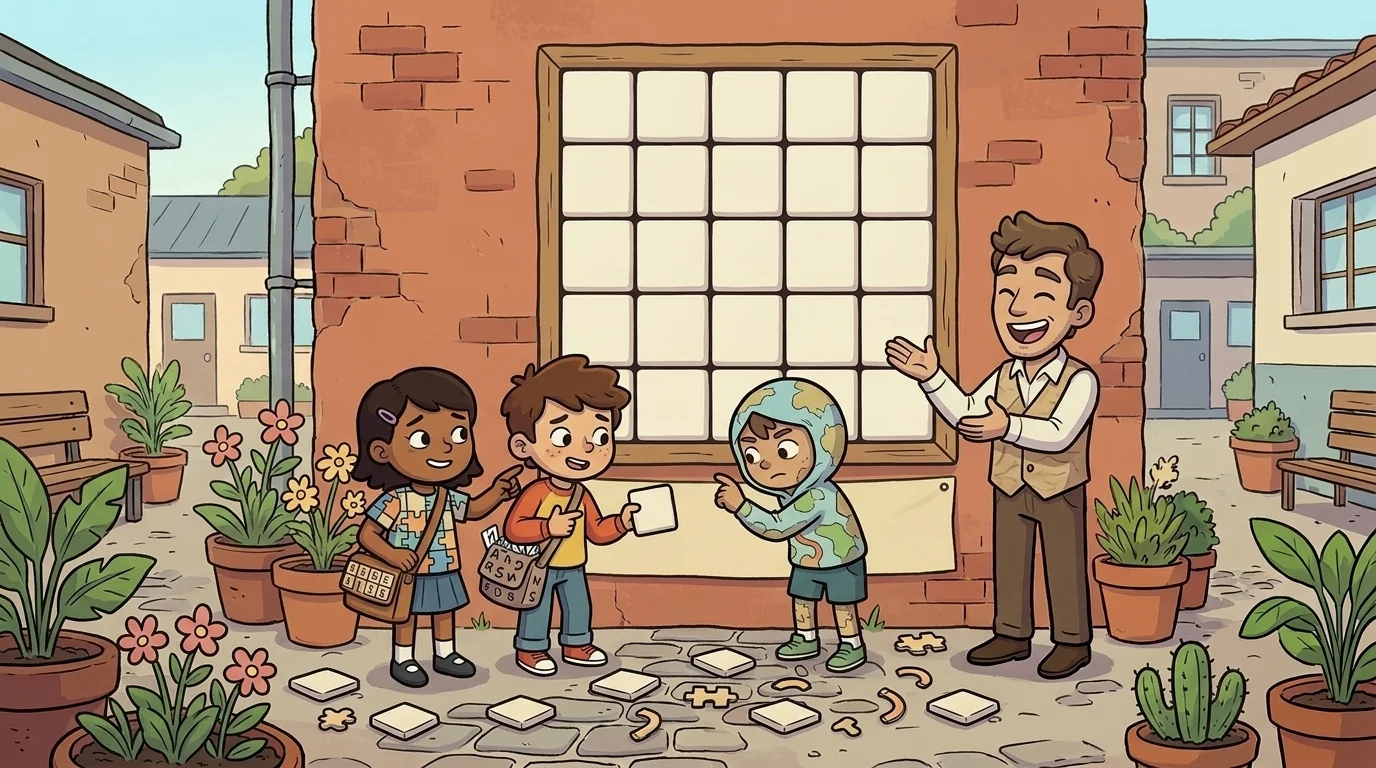
The three of them, done arguing, said the shared truth together in turns. "A jumble of letters," Acrostica said, "is never just a mess." "It's a grid waiting to be built," said Anna Gram, "or —" "loose letters waiting to be rearranged," Anna added, "or —" "a fixed board with words already hiding in it," Boggs finished. Vellum smiled at the solver. "So when you meet a chaos of letters — or of anything — don't ask 'what a mess.' Ask 'which move does this want?' Build it, rearrange it, or walk it. The same handful of pieces holds every puzzle at once. You just choose which one to play."
The WordForge ensemble
The Full Grid (Acrostica · Anna Gram · Boggs) is part of WordForge's distributed-narrative cast. Each character embodies a different curricular primitive; together they teach the full subject.
-
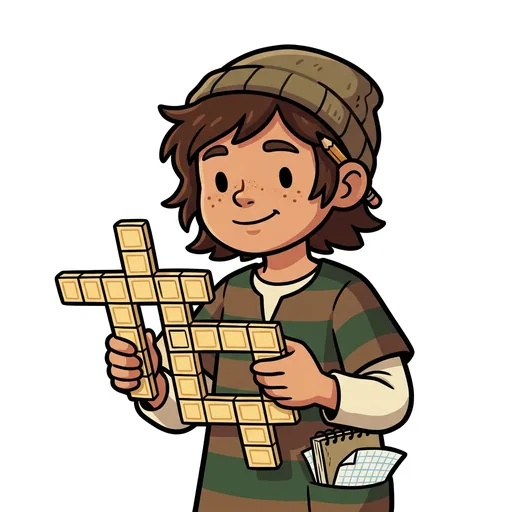
Acrostica
Crossword construction — builds grids where every letter satisfies two crossing words at once
-
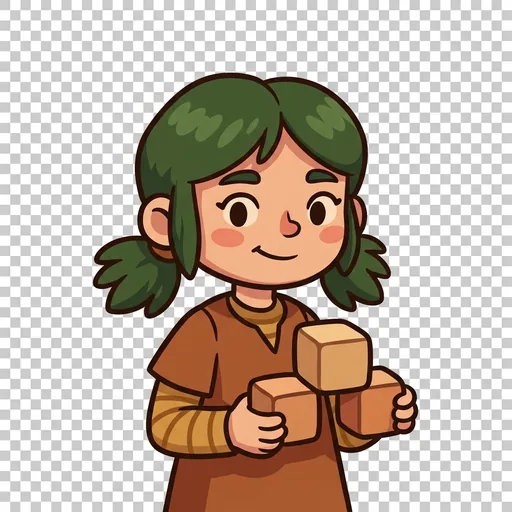
Radicle
Morphology / word-building — bolts a prefix and suffix onto a root to grow new words
-
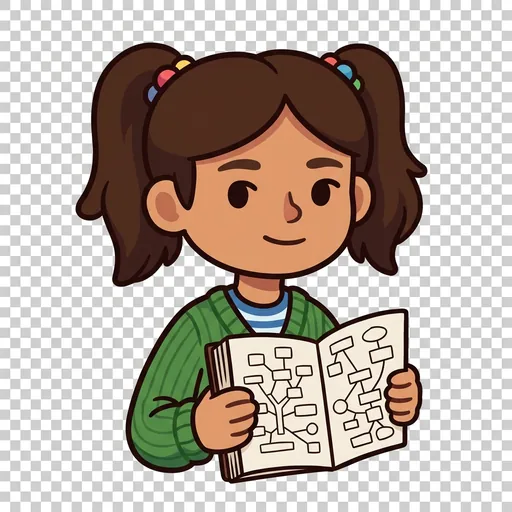
Origo
Etymology / word origins — traces a word back through its ancestor languages
-
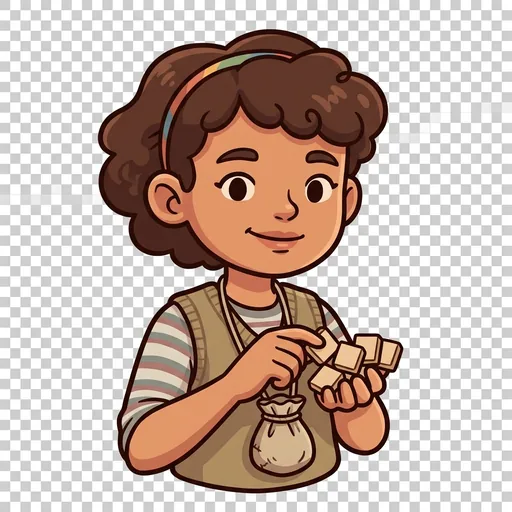
Anna Gram
Anagram / letter manipulation — rearranges the exact same letters into new words
-
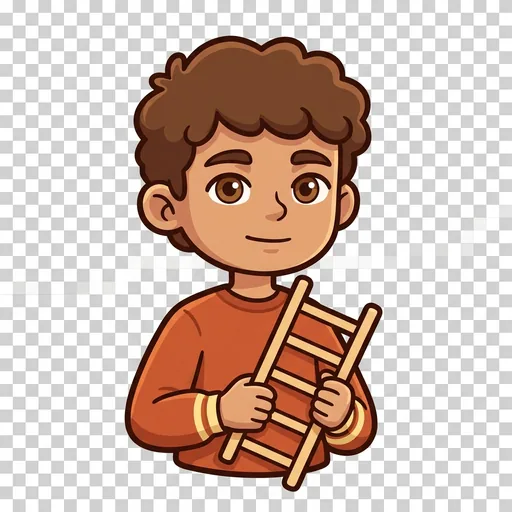
Rung
Word ladder — climbs word→word changing exactly one letter per step
-
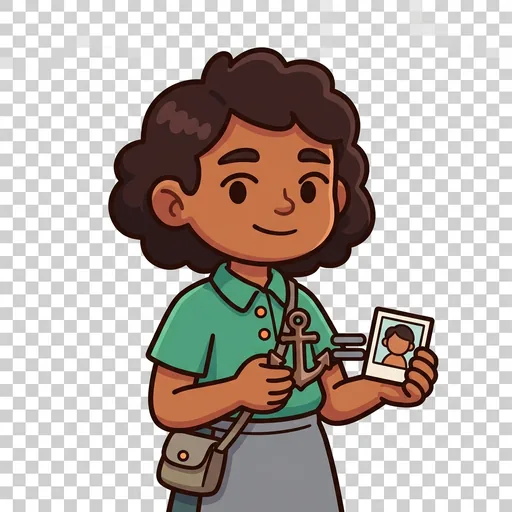
Metaphora
Figurative language — sets two things side by side and says one IS the other
-

Tinge
Nuance / connotation — sorts near-synonyms by their exact shade of feeling
-
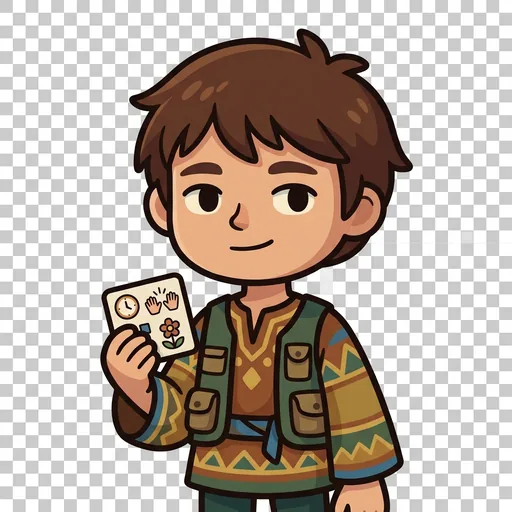
Rebus
Double-meaning / cryptic clues — refuses the obvious reading and finds the hidden second one
-
Boggs
Adjacency word-search — traces a path through touching letters to find hidden words
-
Vellum
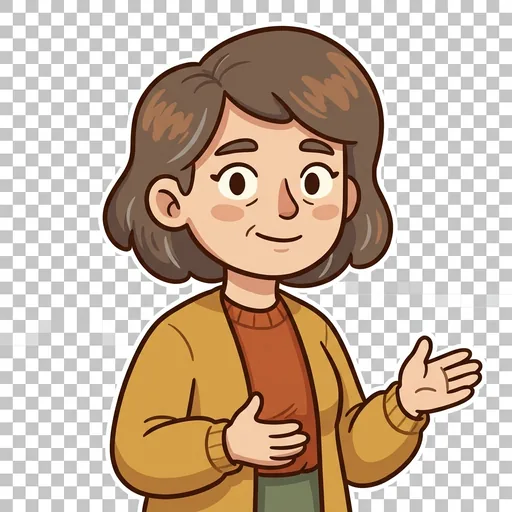
The arcade keeper (mentor) — introduces each format and normalizes not knowing a word