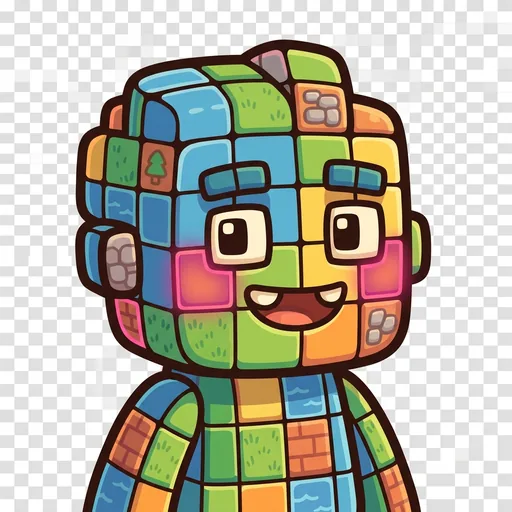
The Full Grid (Acrostica · Anna Gram · Boggs)
THE GRID FAMILY — three ways to work one square of letters. Acrostica *builds* a grid so words cross and lock. Anna Gram *rearranges* the loose letters into new words. Boggs *walks paths* through fixed letters to find words already hiding. Same tiles; three different moves; one shared truth — letters standing next to each other are never just a mess.
A story read by The Full Grid (Acrostica · Anna Gram · Boggs)
Loading audio…
Press play to listen along. The line being read lights up as you go.
Show full transcript
Loading transcript…
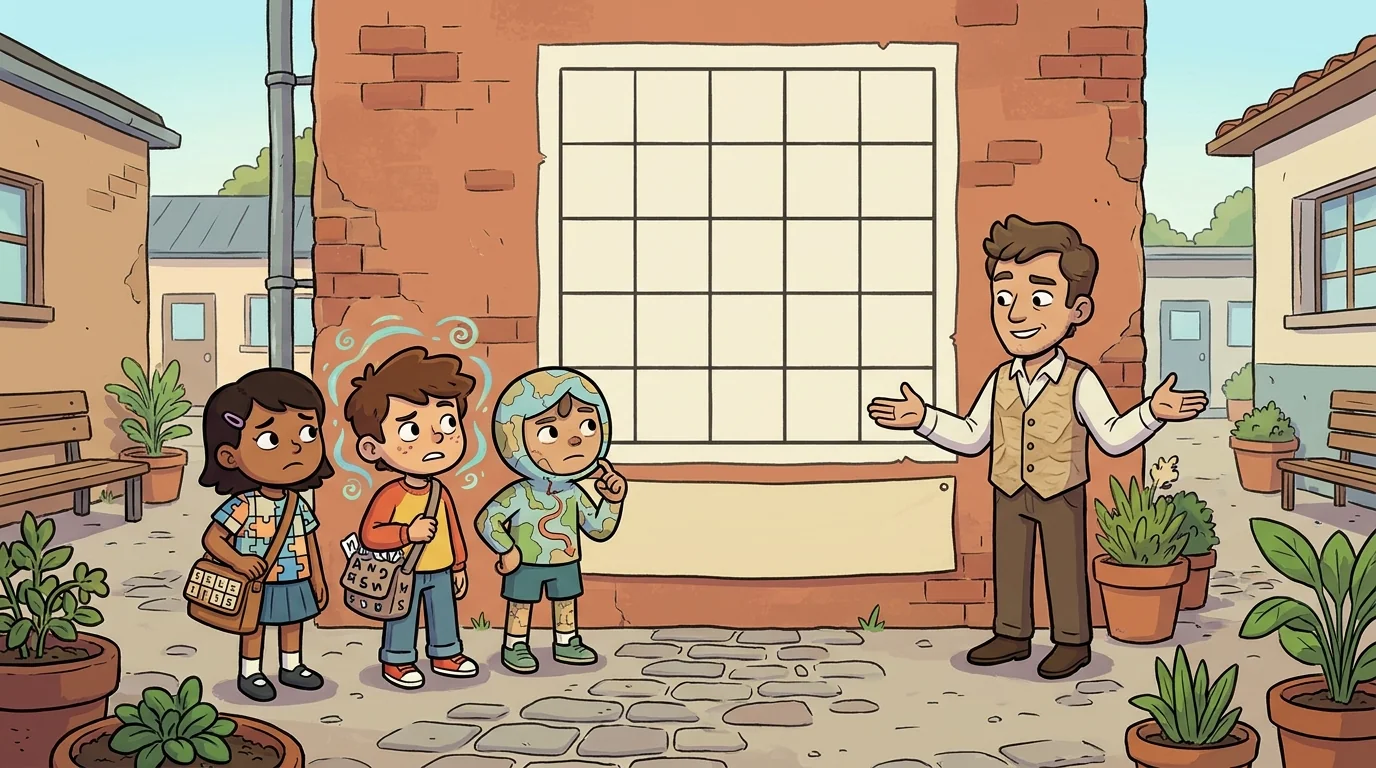
Vellum, the arcade host, had a problem shaped like a five-by-five square, and it was going to take three people who did not agree on anything to solve it.
The problem was a giant blank grid painted on the academy's east wall — twenty-five empty squares — with a challenge underneath in Vellum's careful lettering: Fill this grid with letters so that it holds the MOST real words possible, readable in every direction. Below that, three names: Acrostica, Anna Gram, Boggs. "You each see grids," Vellum said, spreading his hands. "You have never once agreed on what a grid is for. So." He smiled. "Fill it together."
The three of them looked at the blank wall, then at each other, with the specific dread of people who suspect this is going to be difficult in an educational way.
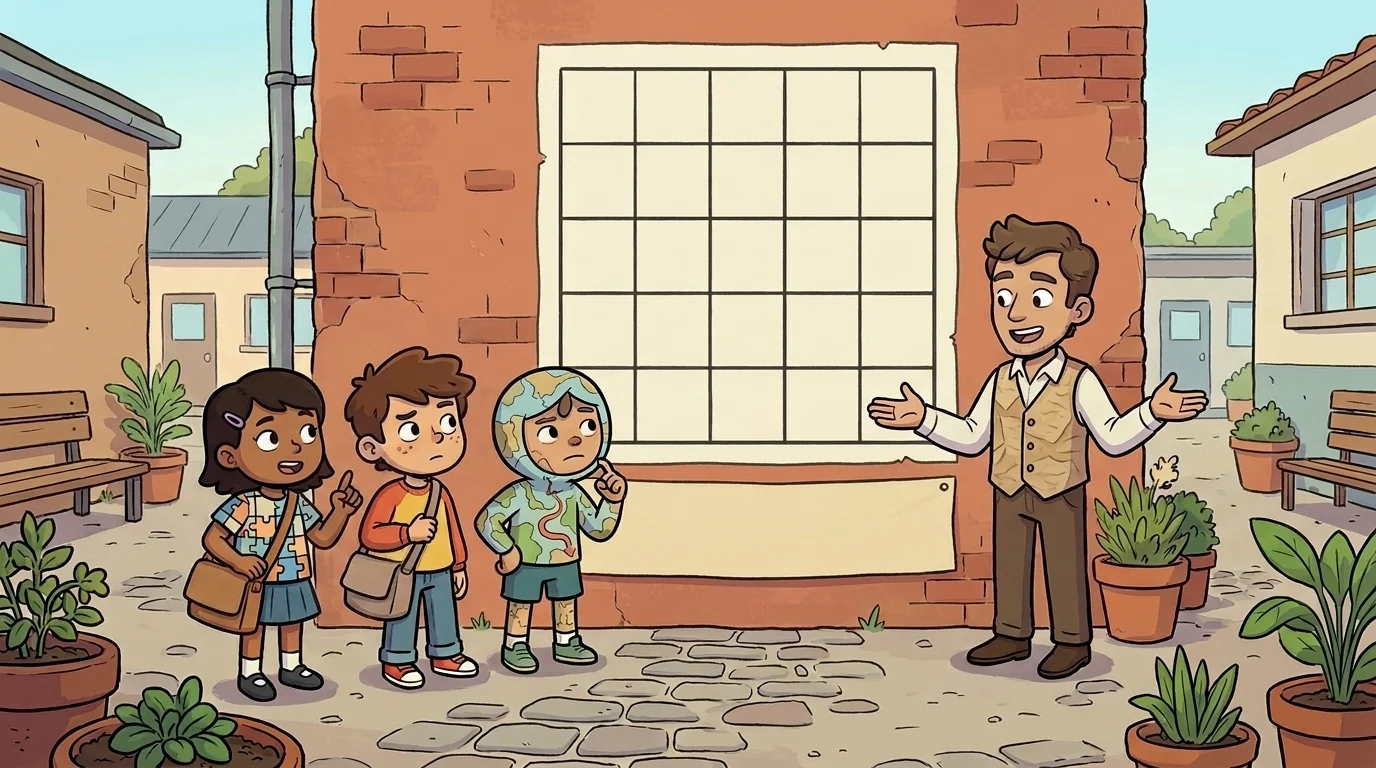
Acrostica went first, because Acrostica always went first when there was a grid to build. She approached the wall with the calm of an architect and began interlocking. "A grid is a lattice," she said, placing letters so that every one served two words — the letter where STAR crossed STONE, the letter where RIVER crossed OVER. "Each tile has to do double duty. Down and across. If a letter only helps one word, it's lazy, and I don't build with lazy letters." She stepped back, and where there had been chaos, a skeleton of crossing words now stood, every intersection pulling its weight, nothing wasted. "That," she said, "is a grid. A structure where every piece is holding hands with the piece beside it."
Boggs, watching, said quietly, "You built the bones. Now let me show you what's living in them."
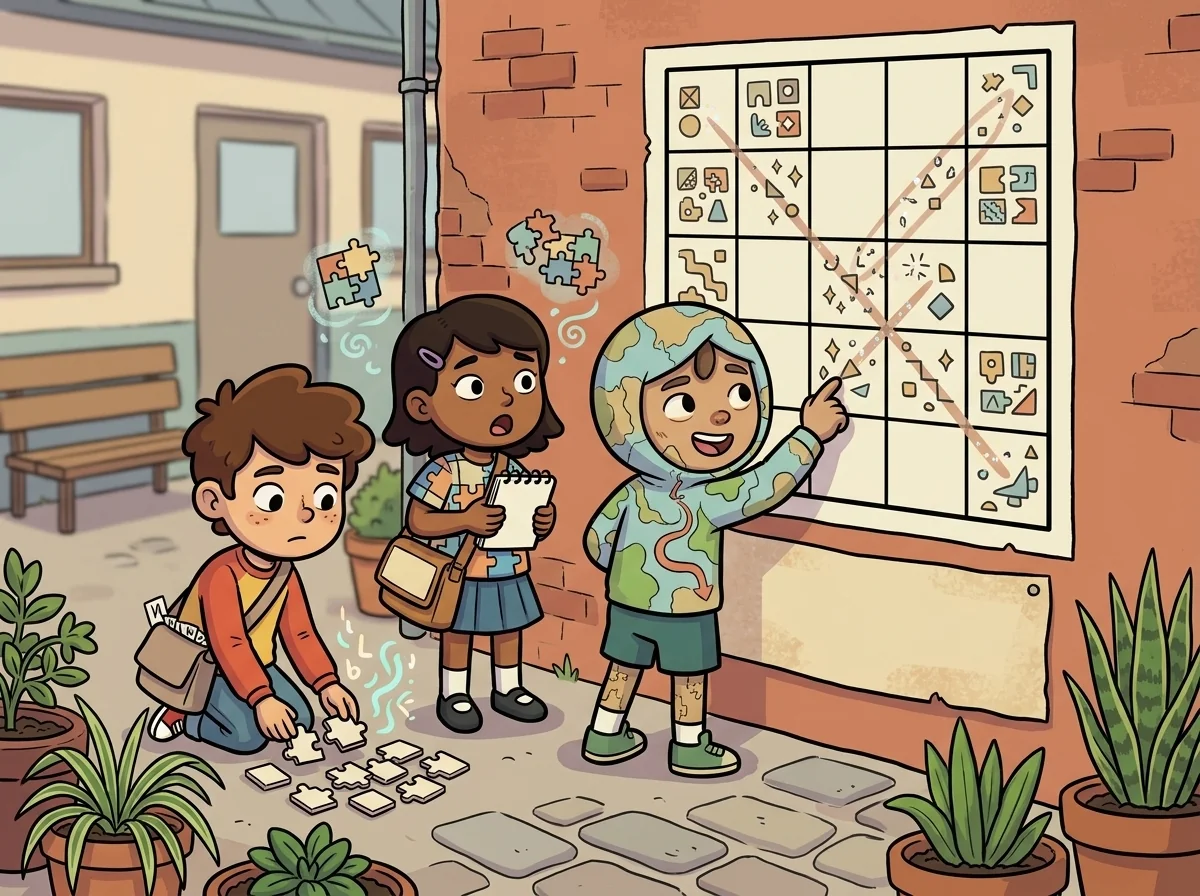
Boggs stepped up to Acrostica's half-built grid and did the thing he could not not do: he started walking it with his eyes, tracing paths from touching letter to touching letter — not the words Acrostica had planned, but the ones that had appeared by accident in the spaces between her intentions. "You built STAR going across," he said, finger moving on a diagonal, "but look — RATS is right here, backward and down. And ARTS. And TSAR." He grinned. "You made these without meaning to. Every grid you build is fuller than you think, because the second you lock letters next to each other, they start spelling things behind your back." Acrostica stared at her own grid as if it had grown extra rooms. "I designed six words," she said slowly. "You just found nine more I didn't know were there." "They were always there," Boggs said. "You build the streets. I find who moved in."
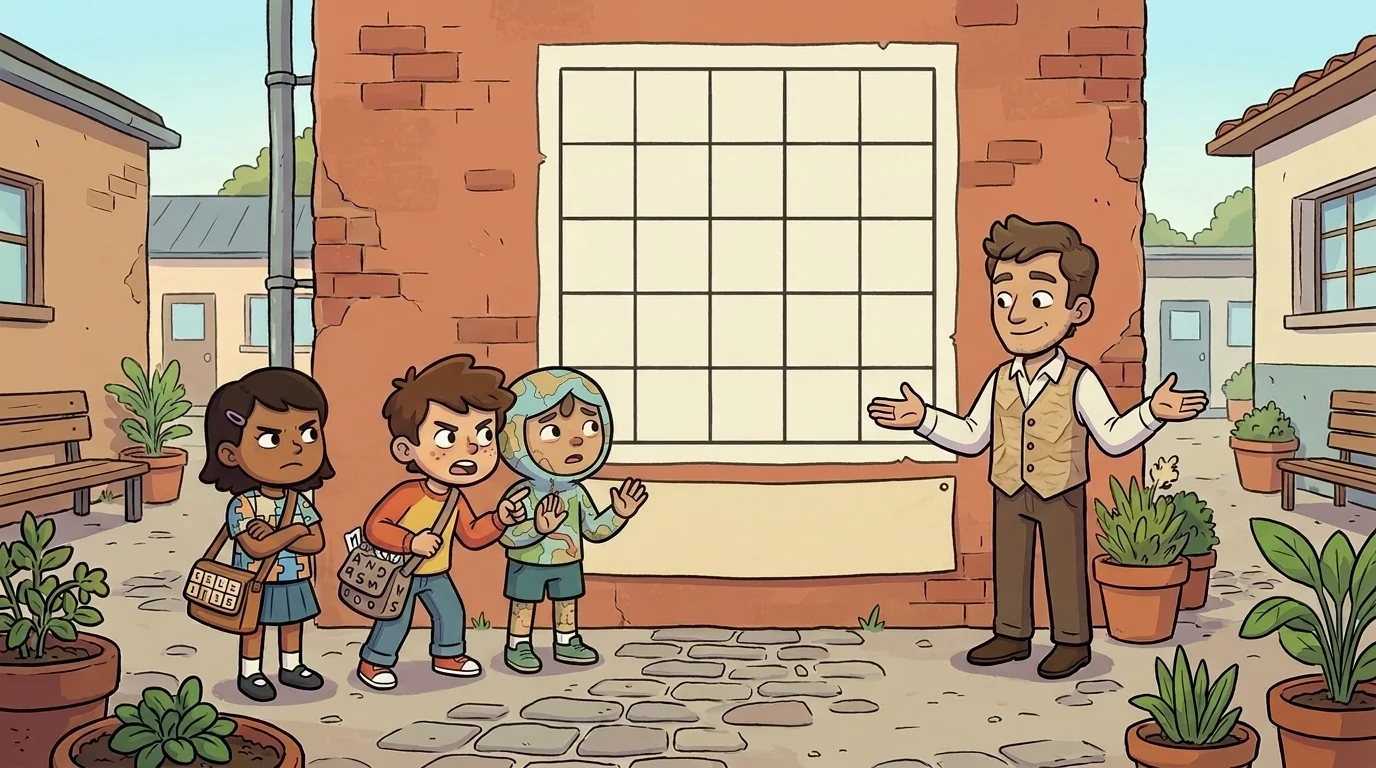
Then Anna Gram, who had been suspiciously quiet, said the thing that nearly ended the collaboration. "It's a good grid," she said, "and it could be so much better if you'd just let me move a few letters." Acrostica went rigid. "You do not rearrange a locked grid," she said. "The whole point is that it holds." But Anna Gram was already pointing: "That Q in the corner is doing nothing — it only touches a Z and a wall. But if I swap it for an E, watch—" and she showed how a single rearranged letter would open up four new words in every direction at once. The two of them argued, fast and heated, builder versus rearranger, until Boggs stepped between them. "You're both right," he said, "and you're both only half-right. Acrostica, your grid holds — but Anna's right that a dead corner is wasted. Anna, you're right the letters could be better — but if you rearrange freely, nothing locks." He looked between them. "So don't rearrange freely. Rearrange within the lock. Only swap letters that keep every existing word standing." Anna Gram paused. That was, annoyingly, a much better puzzle than the one she'd been trying to solve.
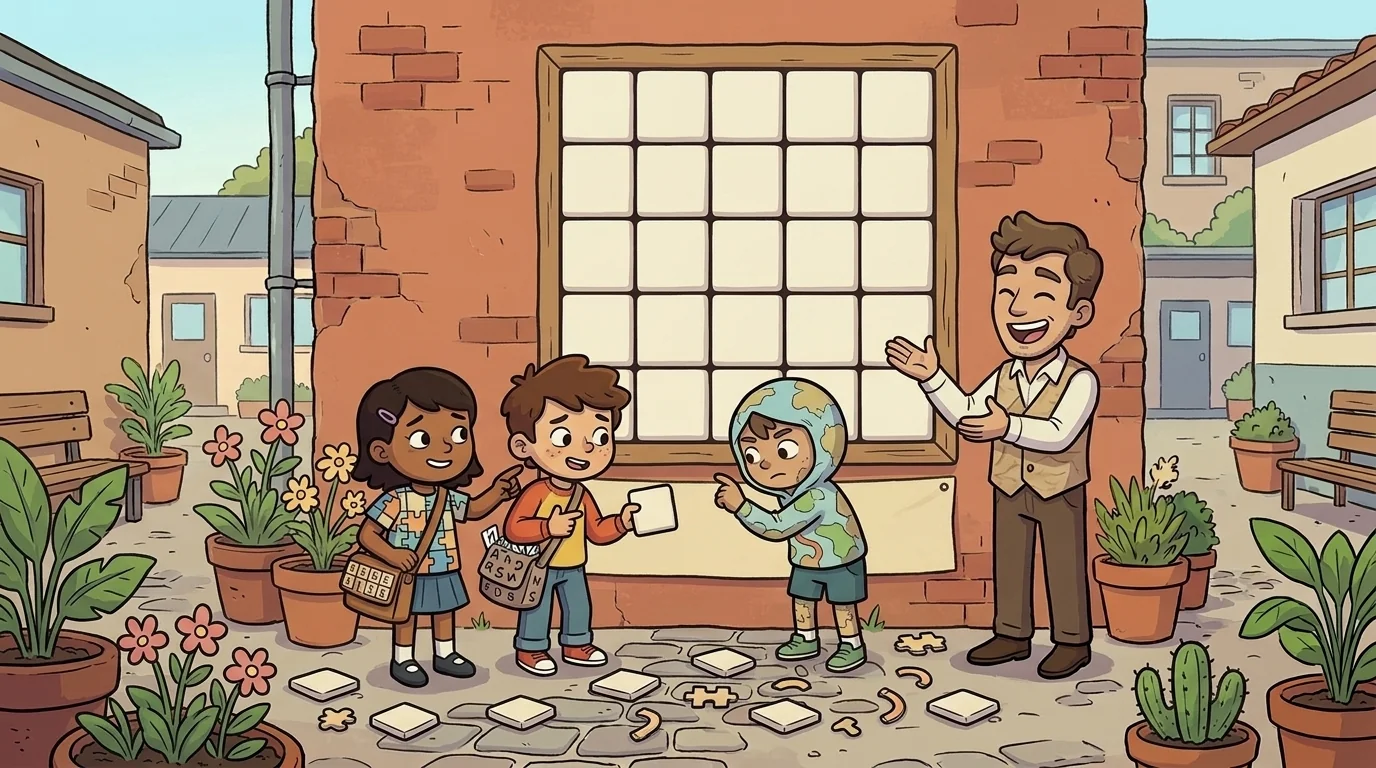
So they did it the hard way — together, at last. Anna Gram found the dead letters, the ones pulling their weight for zero words. Acrostica ruled on which swaps kept the structure standing, guarding the interlock like a fortress. And Boggs walked the grid after every single change, calling out the accidental words that bloomed or vanished — "you gained TIDE but you just killed `DIET, is that a good trade?" — so they always knew the true count. Build, rearrange, search. Build, rearrange, search. The grid on the east wall filled and shifted and thickened, until twenty-five letters held more real words than any of the three could have packed in alone. Acrostica's structure. Anna Gram's efficiency. Boggs's honest count of everything hiding inside. When they finally stepped back, Vellum came to look, moving his own lips as he traced path after path, and lost count somewhere past forty. "You know," he said, "any one of you could have filled this wall." He tapped the densest corner, where all three of their methods had collided. "But only three of you could have filled it full.*"
Acrostica, who did not hand out compliments, looked at the corner where Anna's swap had opened the room for Boggs to find a word she herself had never designed, and felt something loosen in her chest — a small, surprised warmth she wasn't used to feeling about someone else's idea — and admitted, very quietly, "...It's a better grid than I would have built. And I'm glad I didn't build it alone."
The WordForge ensemble
The Full Grid (Acrostica · Anna Gram · Boggs) is part of WordForge's distributed-narrative cast. Each character embodies a different curricular primitive; together they teach the full subject.
-
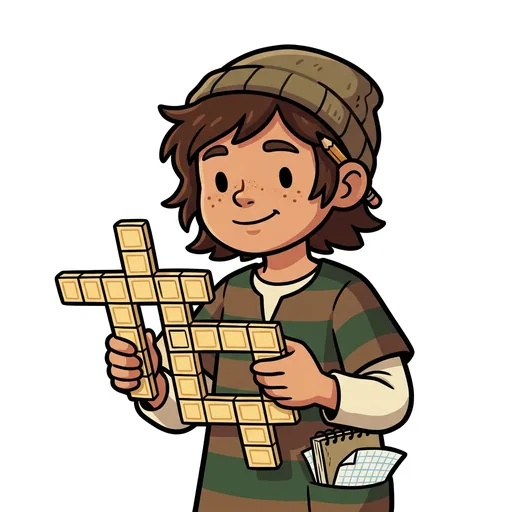
Acrostica
Crossword construction — builds grids where every letter satisfies two crossing words at once
-
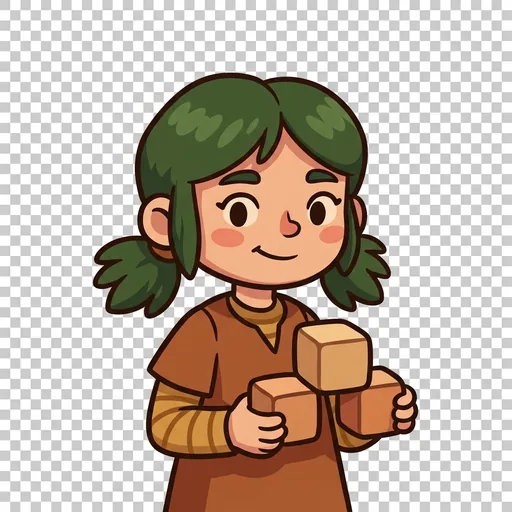
Radicle
Morphology / word-building — bolts a prefix and suffix onto a root to grow new words
-
Origo
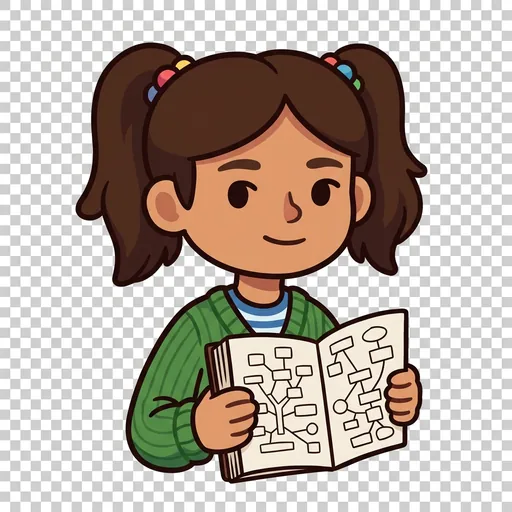
Etymology / word origins — traces a word back through its ancestor languages
-
Anna Gram
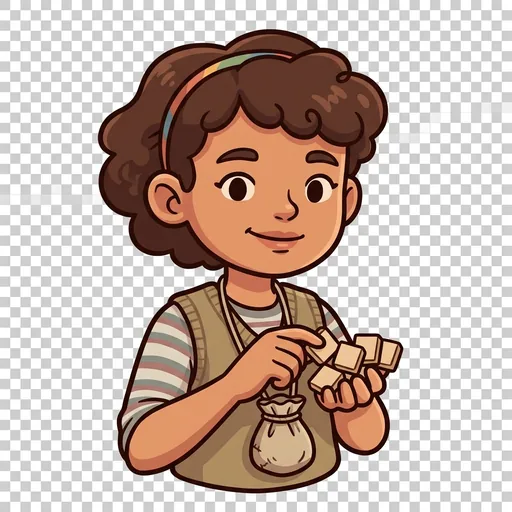
Anagram / letter manipulation — rearranges the exact same letters into new words
-
Rung
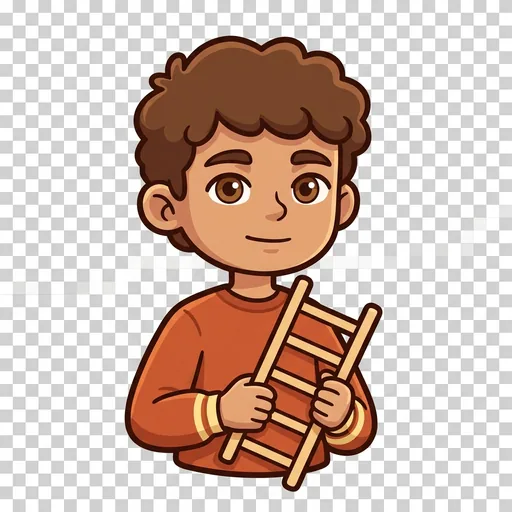
Word ladder — climbs word→word changing exactly one letter per step
-
Metaphora
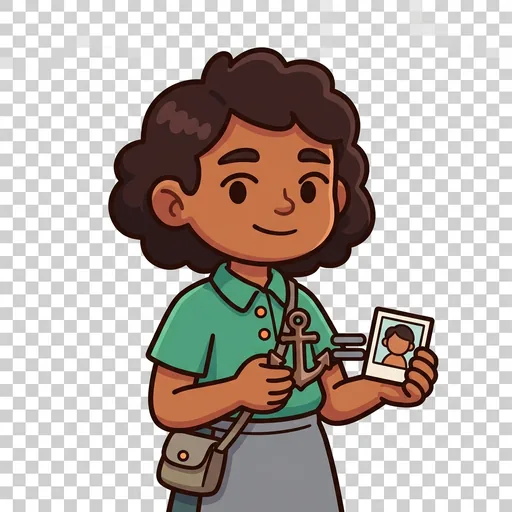
Figurative language — sets two things side by side and says one IS the other
-
Tinge
Nuance / connotation — sorts near-synonyms by their exact shade of feeling
-
Rebus
Double-meaning / cryptic clues — refuses the obvious reading and finds the hidden second one
-
Boggs
Adjacency word-search — traces a path through touching letters to find hidden words
-
Vellum
The arcade keeper (mentor) — introduces each format and normalizes not knowing a word