
Where Words Come From (Radicle · Origo · Tinge)
THE MEANING FAMILY — three ways a word carries meaning: Radicle reads its PARTS (root + prefix + suffix); Origo traces its HISTORY (the ancestor languages it came from); Tinge weighs its FEELING (the connotation it soaked up); a word isn't fully understood until you know all three — what it's built from, where it's been, and how it lands
A story read by Where Words Come From (Radicle · Origo · Tinge)
Loading audio…
Press play to listen along. The line being read lights up as you go.
Show full transcript
Loading transcript…
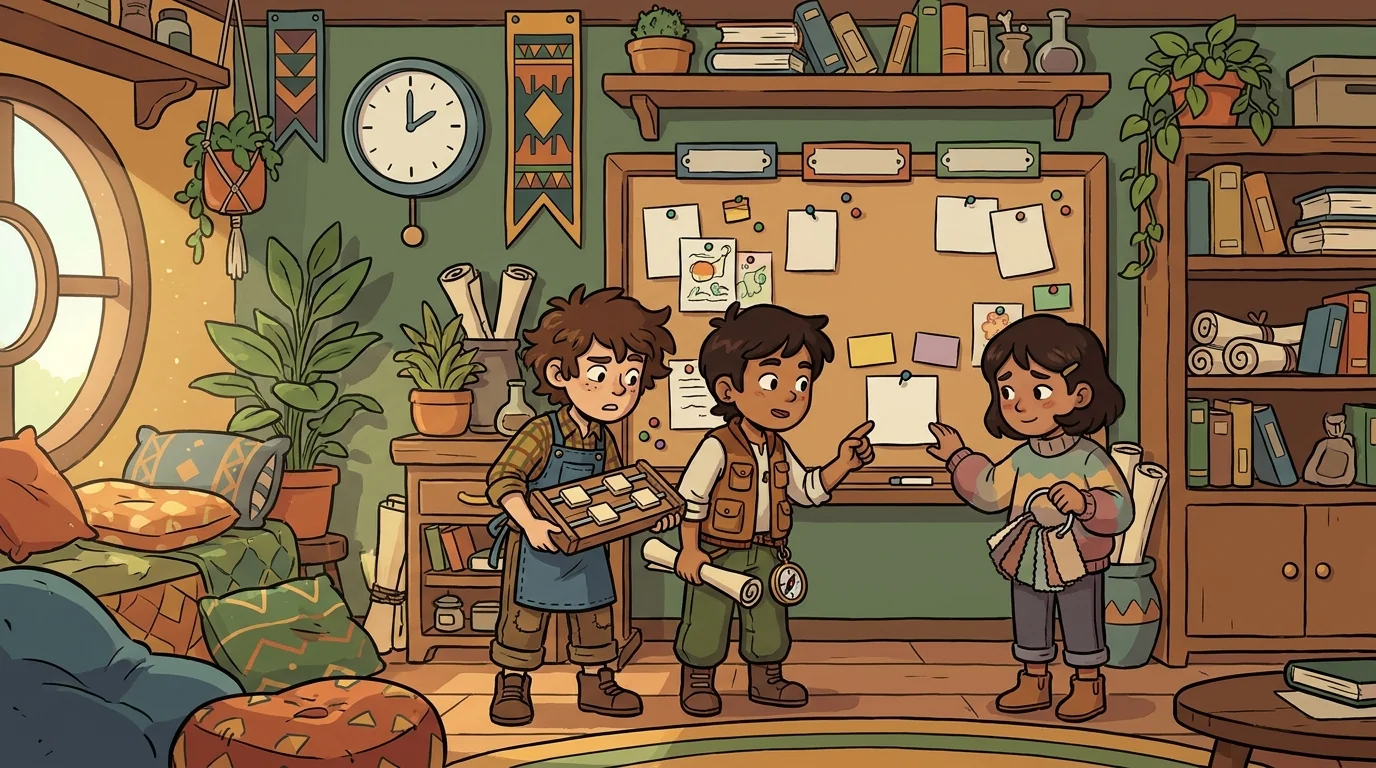
The Host wrote one word on the board — disaster — and called the three of them to explain it. "Not one of you can explain it alone," Vellum said. "Try."
Radicle stepped up and broke it apart. "Dis- — a prefix meaning 'apart' or 'away.' And aster — a root meaning 'star,' the same one in 'astronomy.' So the parts say: away-from-the-stars." He frowned. "That tells you how it's built. But 'away from the stars' doesn't sound like a catastrophe. My reading is true, and it's not enough."
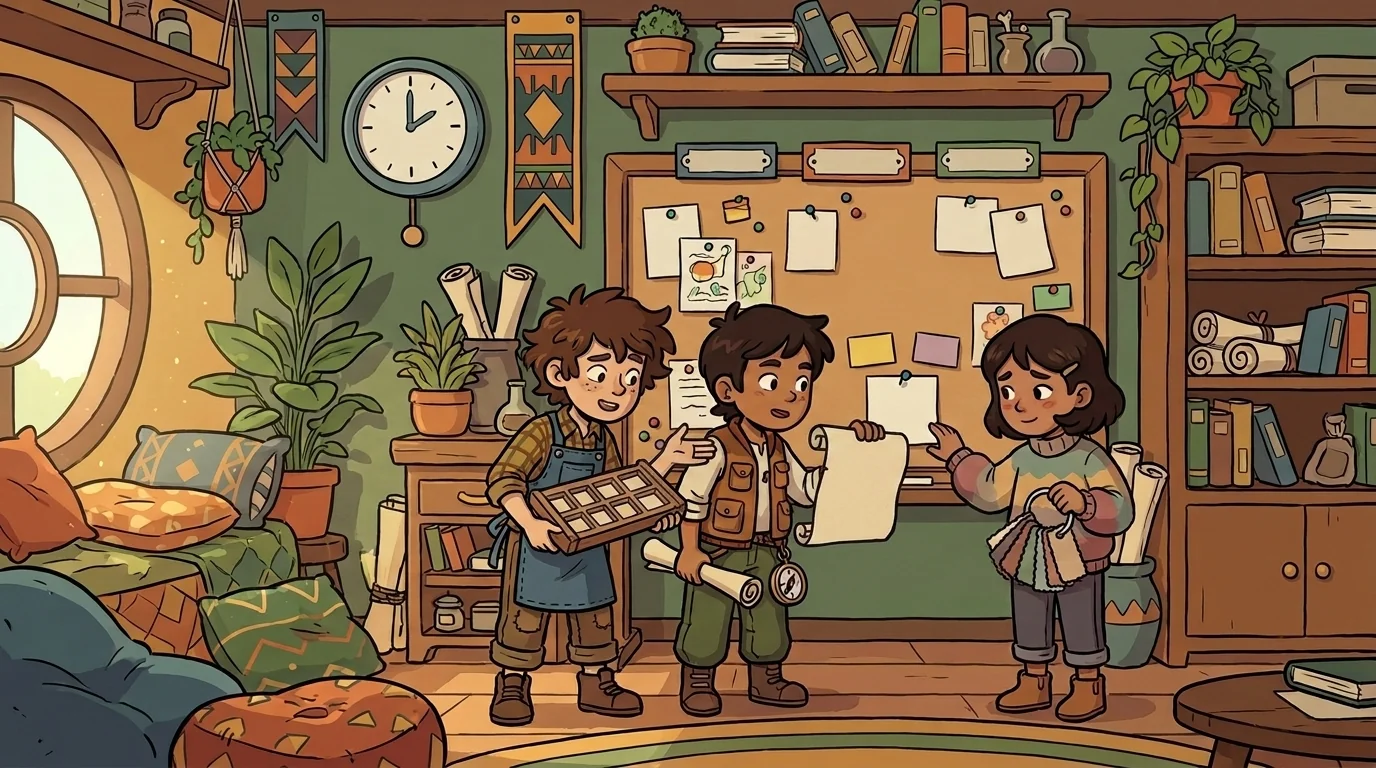
Origo picked up where the parts ran out. "That's because you need the history," she said. "Long ago, people believed the positions of the stars steered your fate. A 'disaster' was literally what happened when the stars were against you — an ill-starred event, a calamity sent from a bad sky. Radicle's parts are right — away-from-the-stars — but only the history tells you why that meant ruin. The build is the skeleton. The story is the flesh."
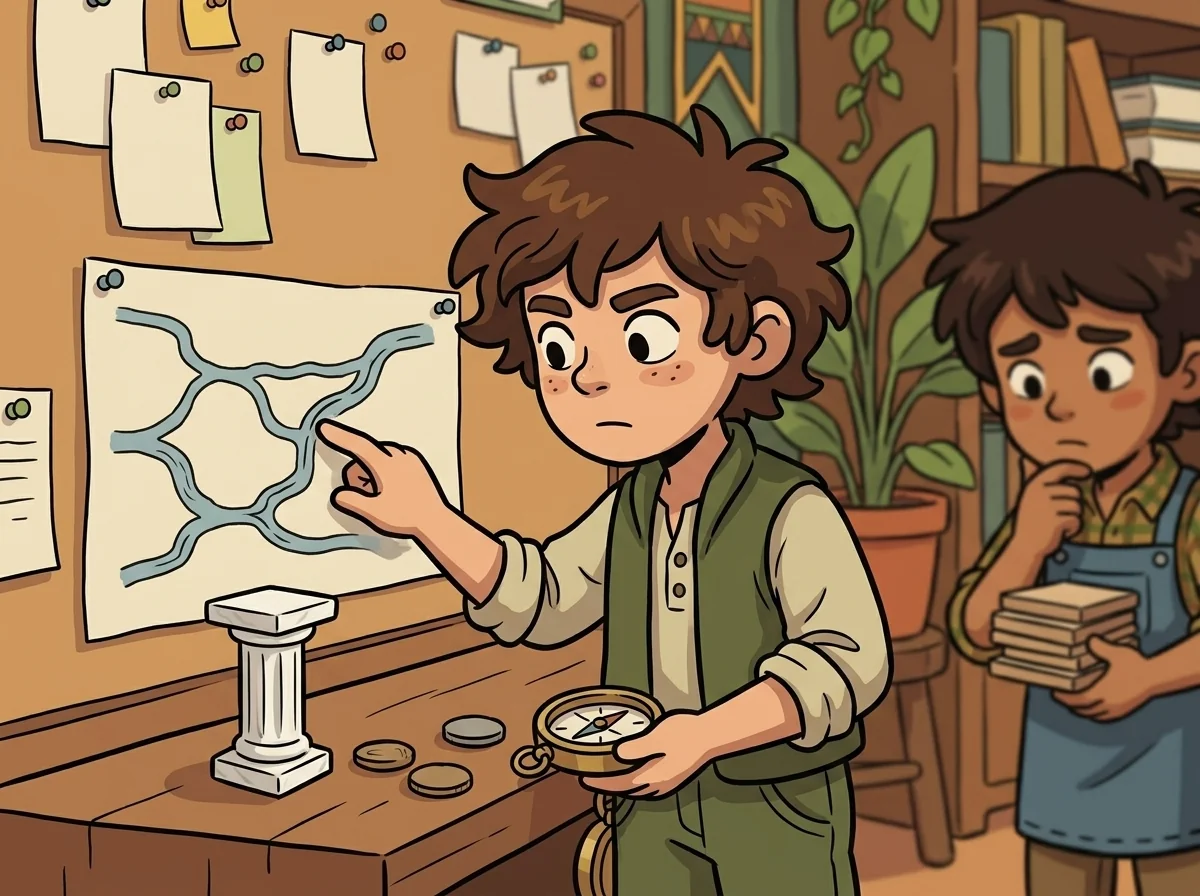
Tinge weighed the last thing neither of them had touched. "And now feel it," she said. "'Disaster.' After all those centuries of meaning star-cursed catastrophe, the word is heavy. You don't use it for a spilled drink — its connotation is enormous, weighty, tragic. That's why 'the picnic was a disaster' is funny: you've borrowed a star-cursed, world-ending feeling and handed it to a rained-on sandwich. Radicle gave you the parts, Origo gave you the story, but only the tint tells you how hard the word lands."
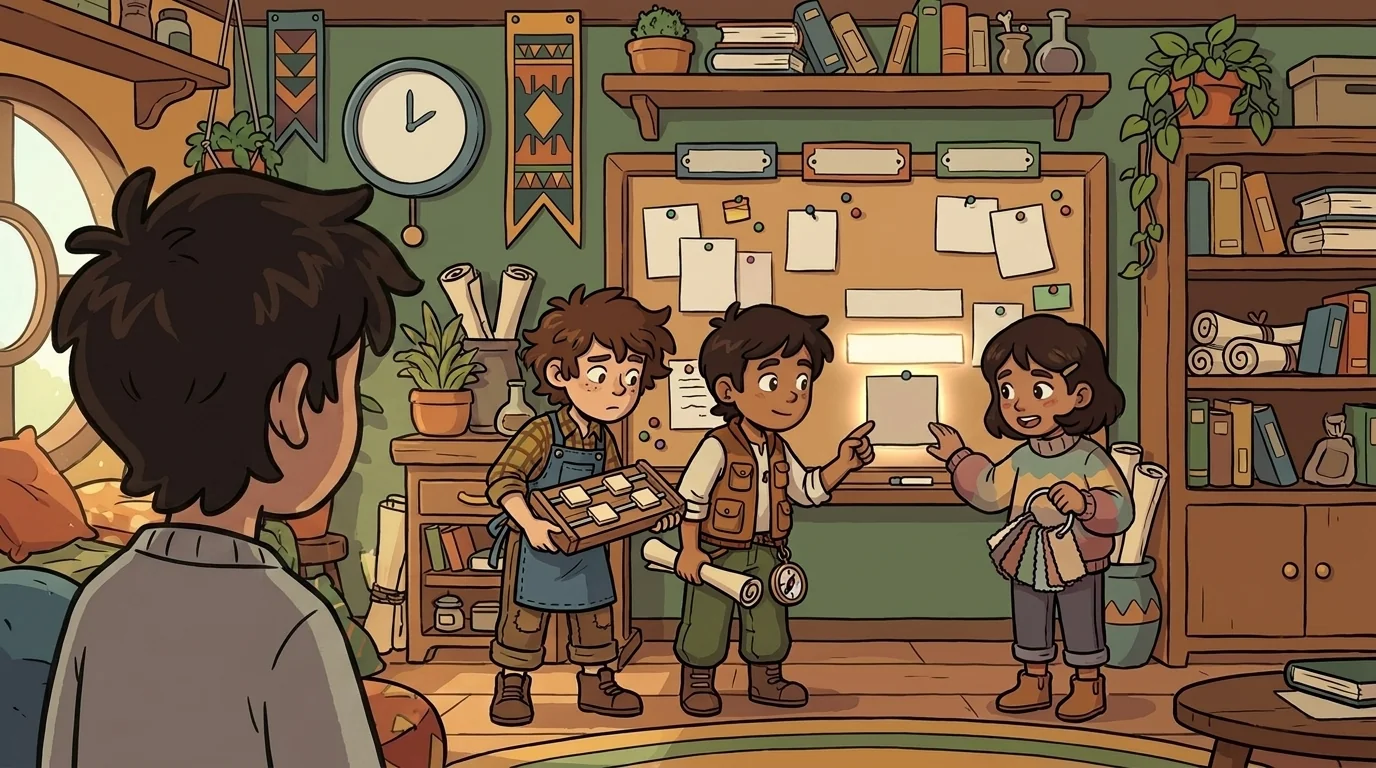
The Host let the solver see the three readings snap together. "Watch what just happened," Vellum said. "Radicle alone: 'away from the stars' — accurate, incomplete. Origo alone: a story about star-fate — vivid, but you'd miss the structure. Tinge alone: 'it feels heavy' — true, but you wouldn't know why. Put all three together and disaster opens completely — built from dis-plus-star, born from star-cursed fate, and weighted with centuries of tragedy. One word. Three angles. Full understanding only where they meet."
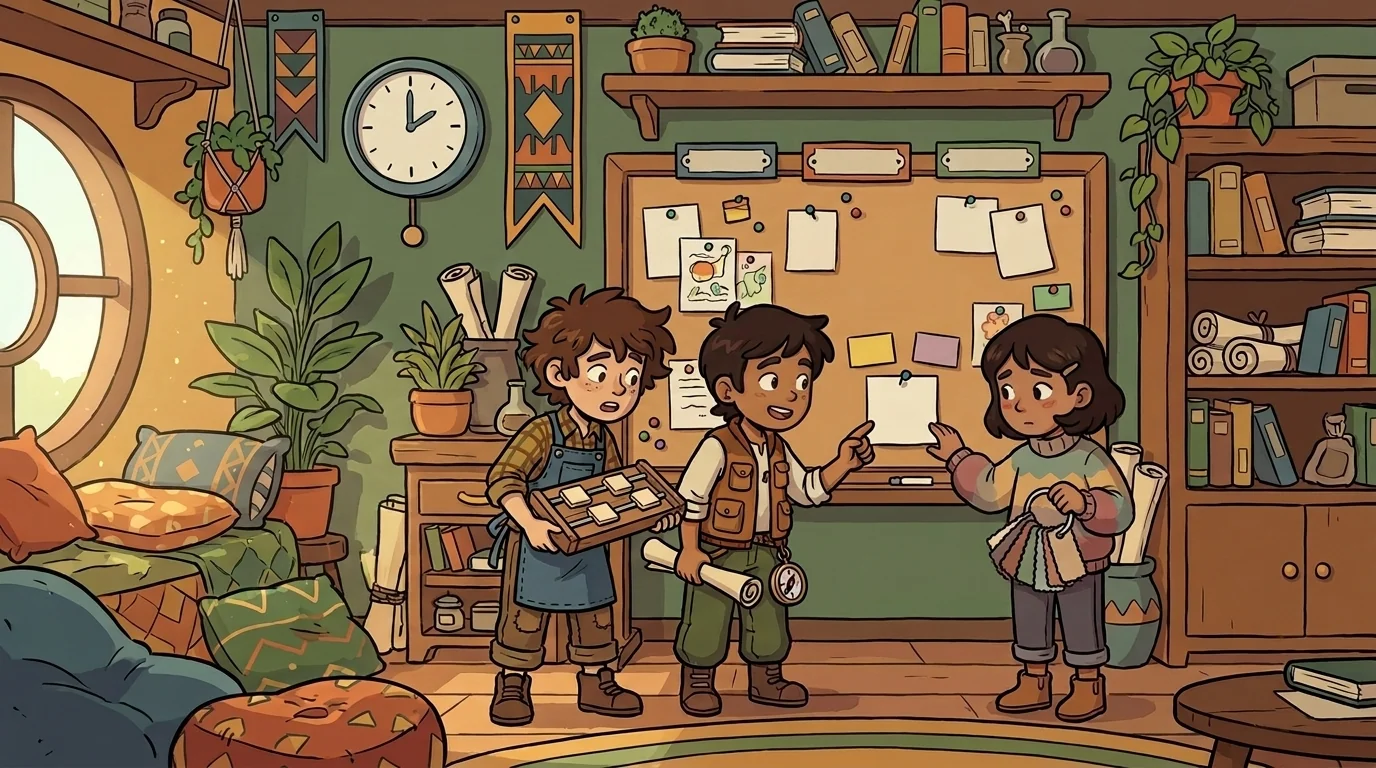
The three of them said the shared truth in turns. "A word is built from parts," said Radicle. "carried through a history," said Origo. "and soaked in a feeling," said Tinge. "and you don't truly own it," they finished together, "until you know all three." Vellum turned to the solver. "So when a word matters, don't settle for one angle. Break it — what's it made of? Trace it — where has it been? Weigh it — how does it land? The parts, the story, and the feeling explain each other. Know a word from all three sides, and it will never be a stranger to you again."
The WordForge ensemble
Where Words Come From (Radicle · Origo · Tinge) is part of WordForge's distributed-narrative cast. Each character embodies a different curricular primitive; together they teach the full subject.
-
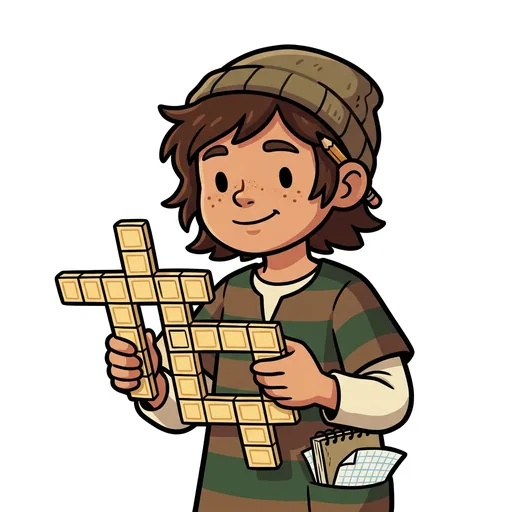
Acrostica
Crossword construction — builds grids where every letter satisfies two crossing words at once
-
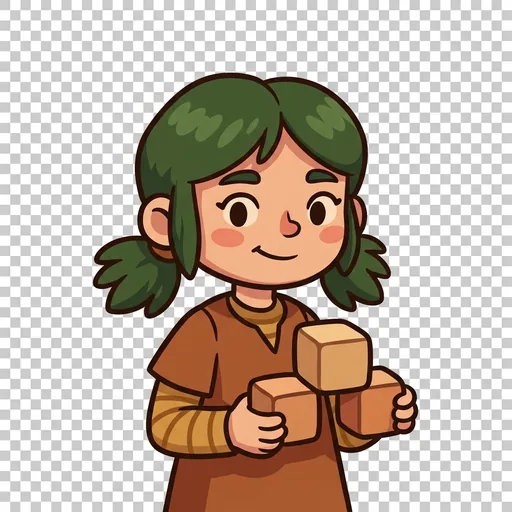
Radicle
Morphology / word-building — bolts a prefix and suffix onto a root to grow new words
-
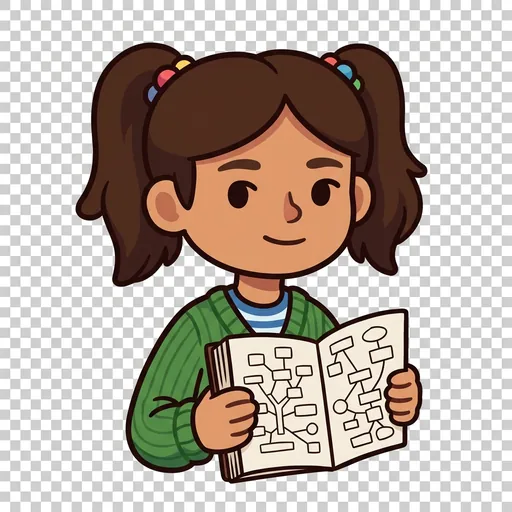
Origo
Etymology / word origins — traces a word back through its ancestor languages
-
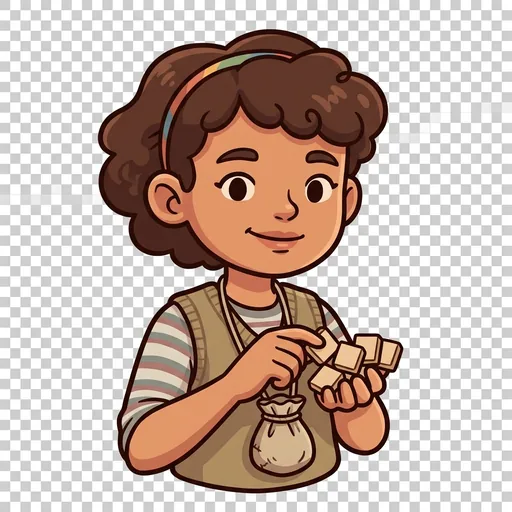
Anna Gram
Anagram / letter manipulation — rearranges the exact same letters into new words
-
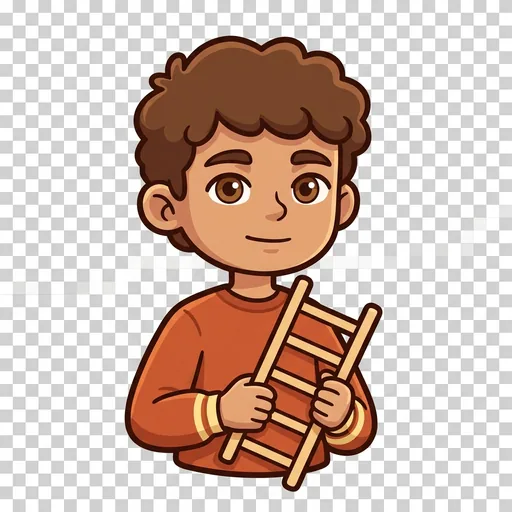
Rung
Word ladder — climbs word→word changing exactly one letter per step
-
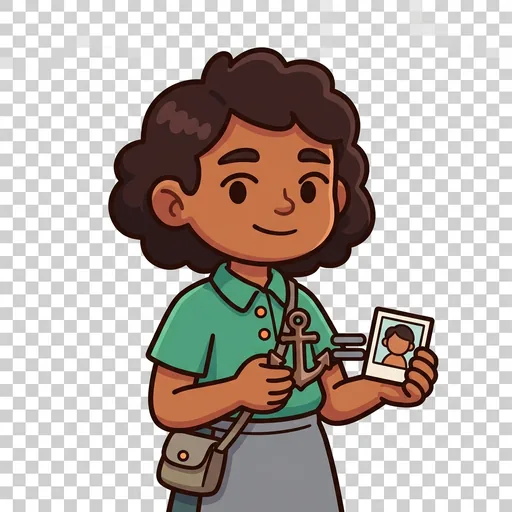
Metaphora
Figurative language — sets two things side by side and says one IS the other
-

Tinge
Nuance / connotation — sorts near-synonyms by their exact shade of feeling
-
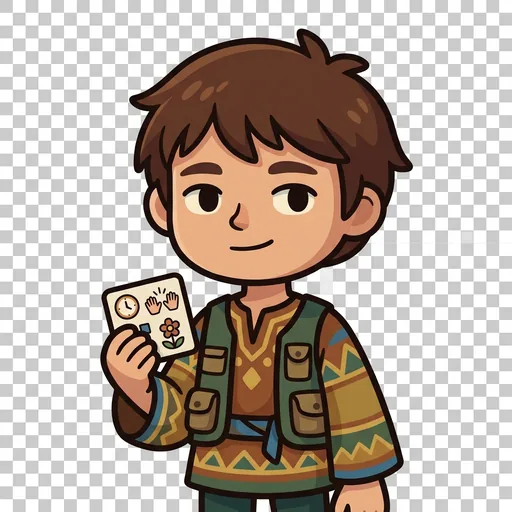
Rebus
Double-meaning / cryptic clues — refuses the obvious reading and finds the hidden second one
-
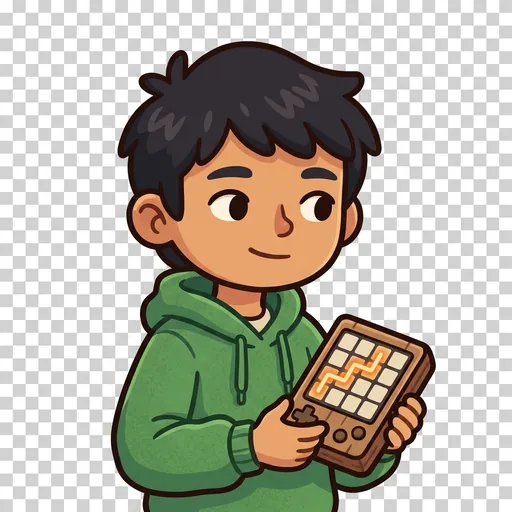
Boggs
Adjacency word-search — traces a path through touching letters to find hidden words
-
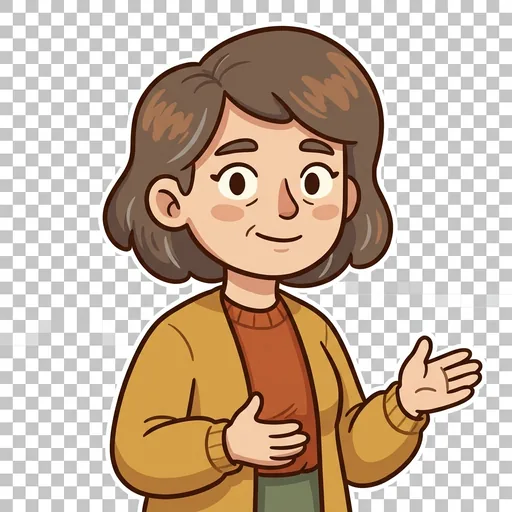
Vellum
The arcade keeper (mentor) — introduces each format and normalizes not knowing a word