Where Words Come From (Radicle · Origo · Tinge)
THE MEANING FAMILY — three ways a word carries meaning. Radicle reads its *parts* (root + prefix + suffix). Origo traces its *history* (the ancestor languages it came from). Tinge weighs its *feeling* (the connotation it soaked up over centuries of use). A word isn't fully understood until you know all three: what it's built from, where it's been, and how it lands.
A story read by Where Words Come From (Radicle · Origo · Tinge)
Loading audio…
Press play to listen along. The line being read lights up as you go.
Show full transcript
Loading transcript…
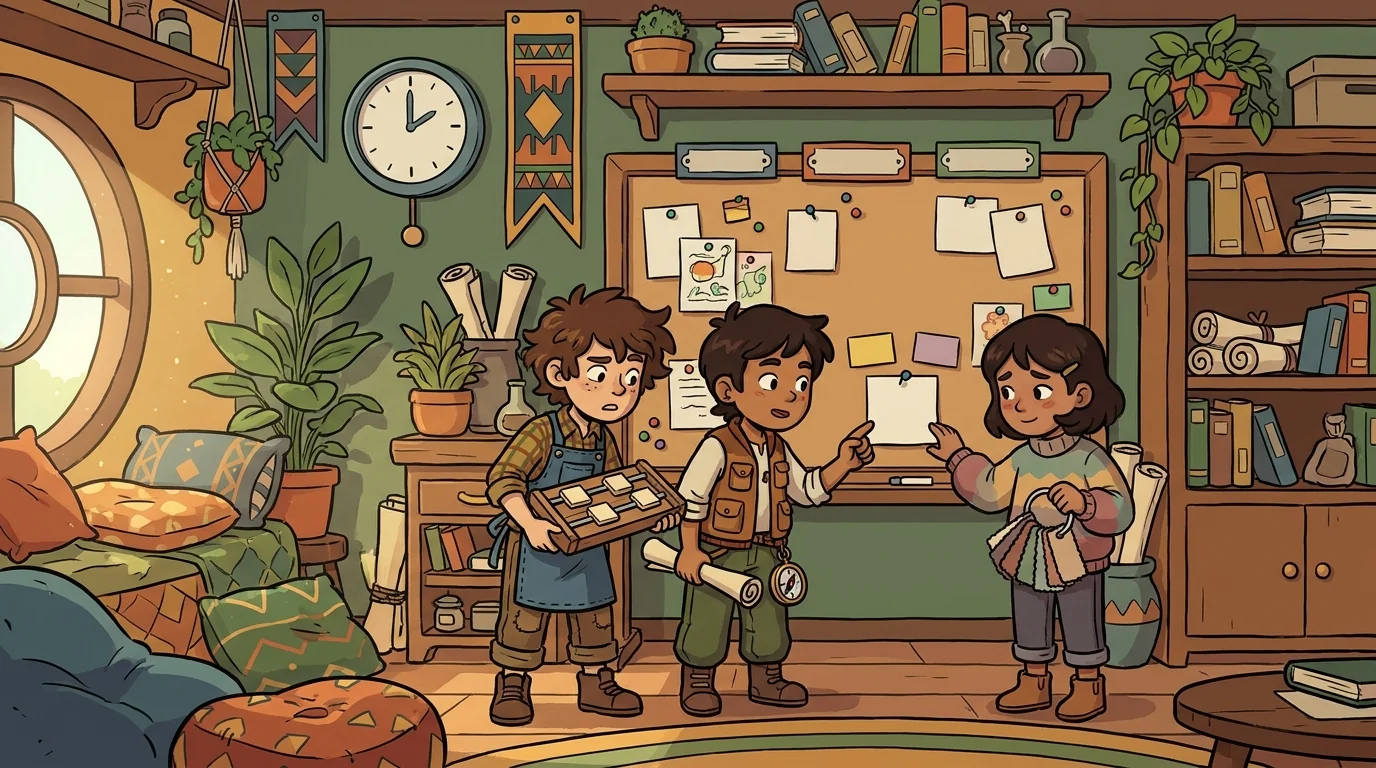
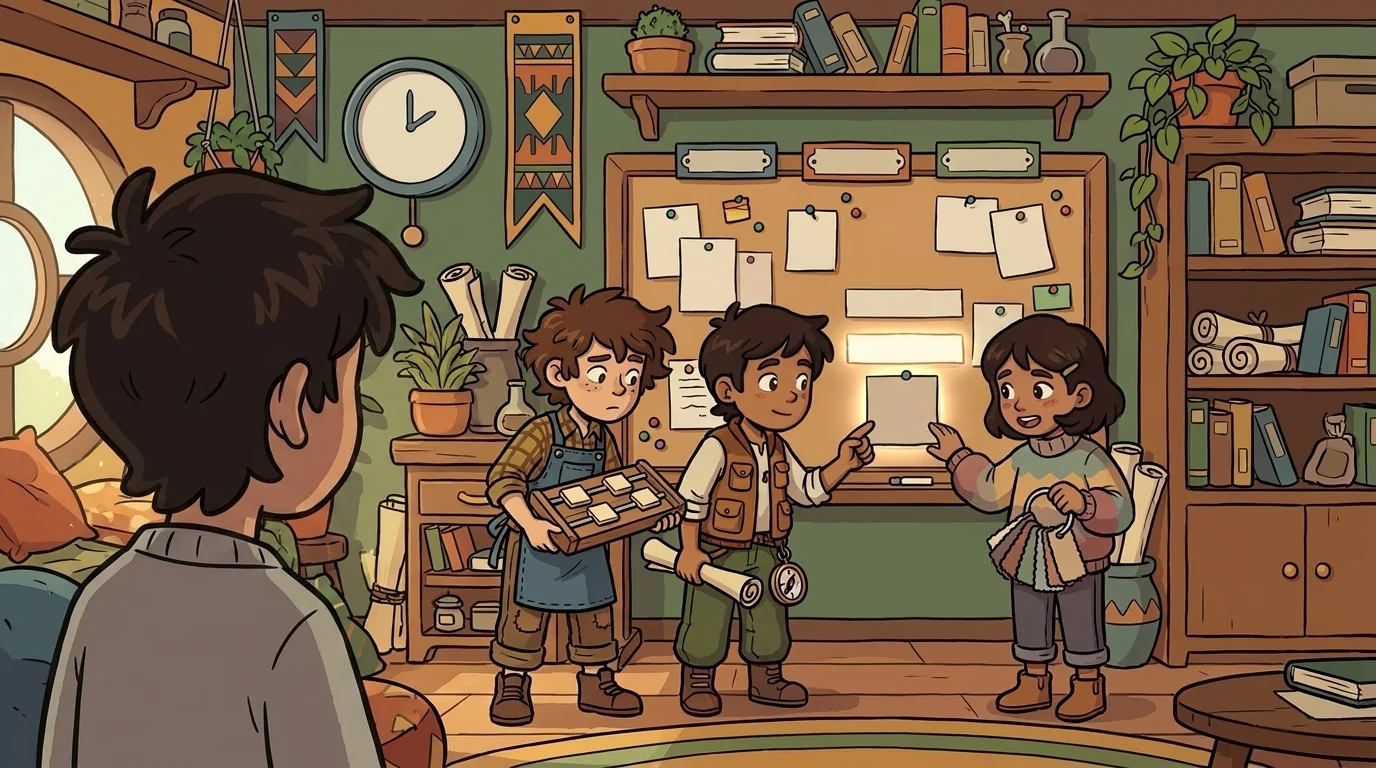
A student left a note on the academy suggestion board, and it broke three teachers' hearts in three completely different ways.
The note said: "Why do I have to learn 'big words'? They're just showing off. A short word is honest and a long word is a costume." Vellum, the host, pinned it up and, underneath, wrote three names — Radicle, Origo, Tinge — and one word for them to answer it with. The word was SINCERE. "Prove the student wrong," Vellum said, "or agree with them. But do it with a word, not a lecture." The three teachers looked at SINCERE on the board, and each of them saw something completely different, and that was exactly the point.
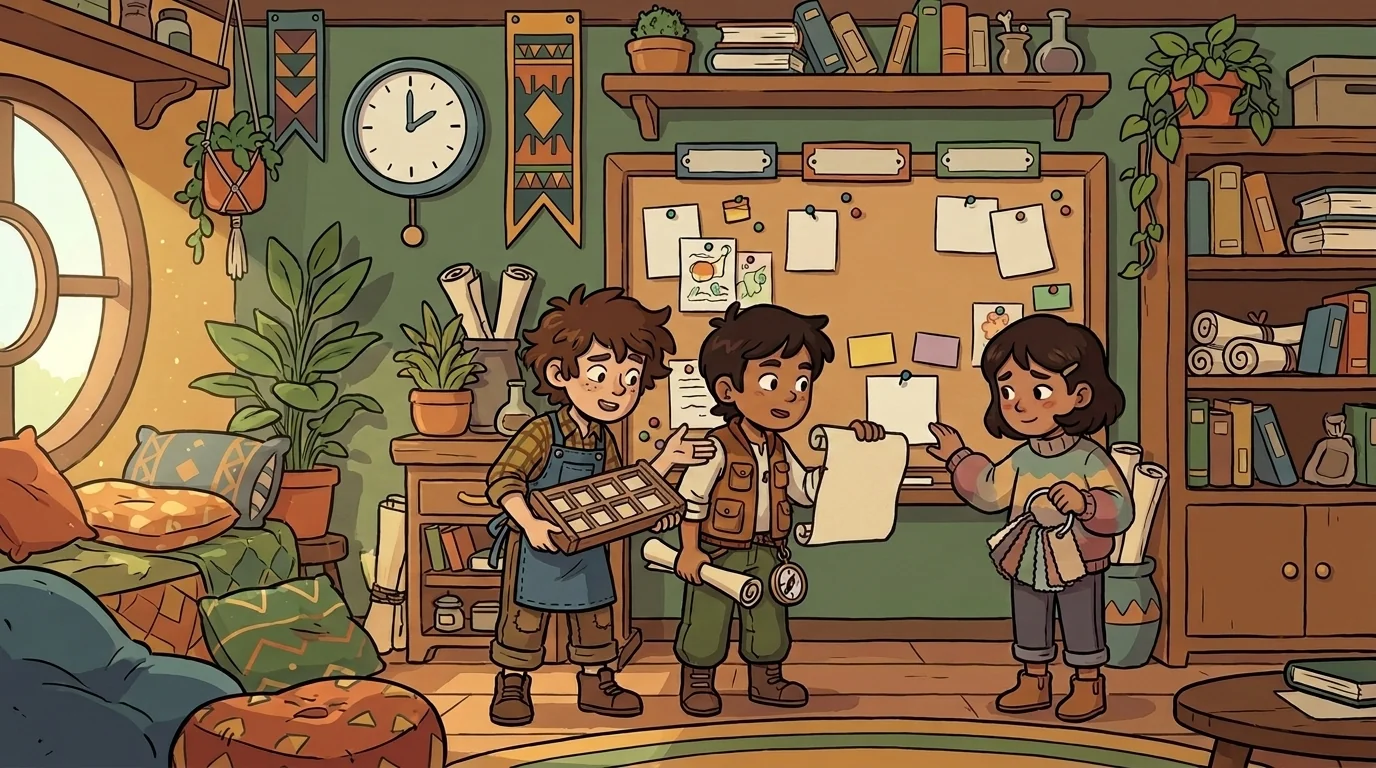
Radicle went first, because Radicle's instinct was always to take a thing apart. She walked to the board and drew her lines through the word without hesitation. "The student thinks a long word is a costume," she said. "But a word isn't a costume — it's a machine, and every part does a job." She tapped the pieces. "Sin- here isn't the sin you're thinking of — it's from a root meaning without. And `-cere, from a root meaning wax." She stepped back. "Without wax. That's what's inside this word. A thing with no wax." She turned to the (now curious) student who'd wandered over. "A long word isn't showing off. It's folded up. Unfold it and it tells you its own meaning. You just have to know it comes in pieces." The student frowned. "But... why wax? What does honesty have to do with wax*?"
Radicle smiled and stepped aside. "That," she said, "is not my drawer. That's hers."
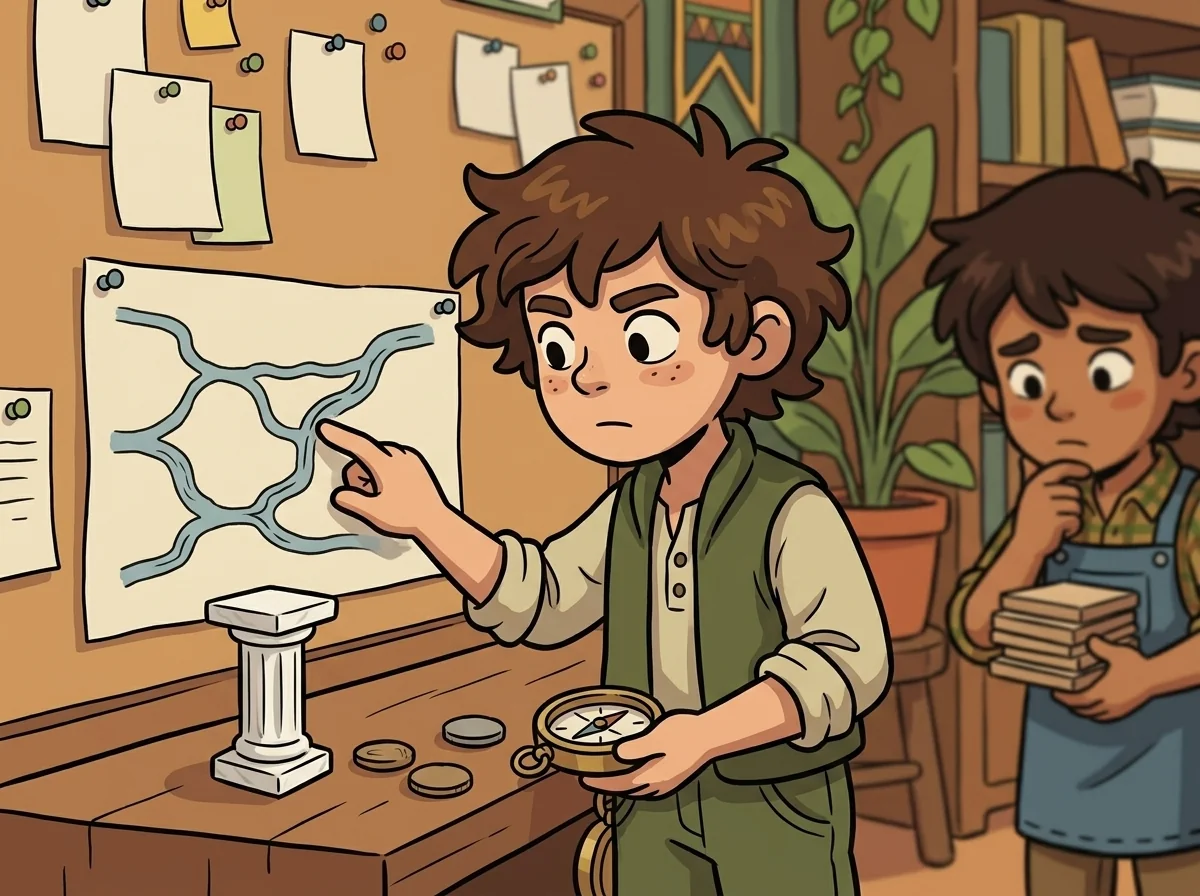
Origo had been waiting for exactly that question, the way she always waited for a why she could follow backward in time. "Long ago," she said, "sculptors who made a flaw in the marble would hide it — they'd fill the crack with wax, smooth it over, and sell it as perfect. A dishonest statue was full of wax." She traced the word back through the centuries with one finger, like following a river upstream. "So an honest statue — real marble, flaws and all, nothing hidden — was sine cera. Without wax. And the word floated down the years, from marble to people, until sincere stopped meaning 'this statue is real stone' and started meaning 'this person is real, no hidden cracks, nothing waxed over.'" The student stared. "So the word is made of a lie about statues?" "The word is made of the history of hiding things," Origo said, "and of choosing not to. Radicle showed you the pieces. I showed you the road the pieces traveled." She glanced across the room. "But if you want to know why sincere feels warm — why you'd rather be called that than 'honest' or 'frank' — that's not the pieces or the road. That's the weather.*"
Tinge stepped up last, and she did what she always did: she held the word to the light and named its color. "The student said a short word is honest and a long word is a costume," she said. "So let's test it. Here are four words that all mean tells-the-truth." She lined them up. "Honest — plain, sturdy, a little cold. Frank — blunt, might bruise you. Candid — honest but kind about it. And sincere." She let the last one glow. "Sincere doesn't just mean you're telling the truth. It means you mean it — that it's coming from somewhere real inside you." She turned to the student. "You said long words are costumes. But you'd never say 'my grandmother was honest about missing him.' You'd say she was sincere. Because sincere carries something the short word can't — the warmth, the no-wax-nothing-hidden feeling that Origo just dug up for you. The length isn't showing off. The length is room — room for the history and the warmth to fit inside." The student was quiet for a long moment.
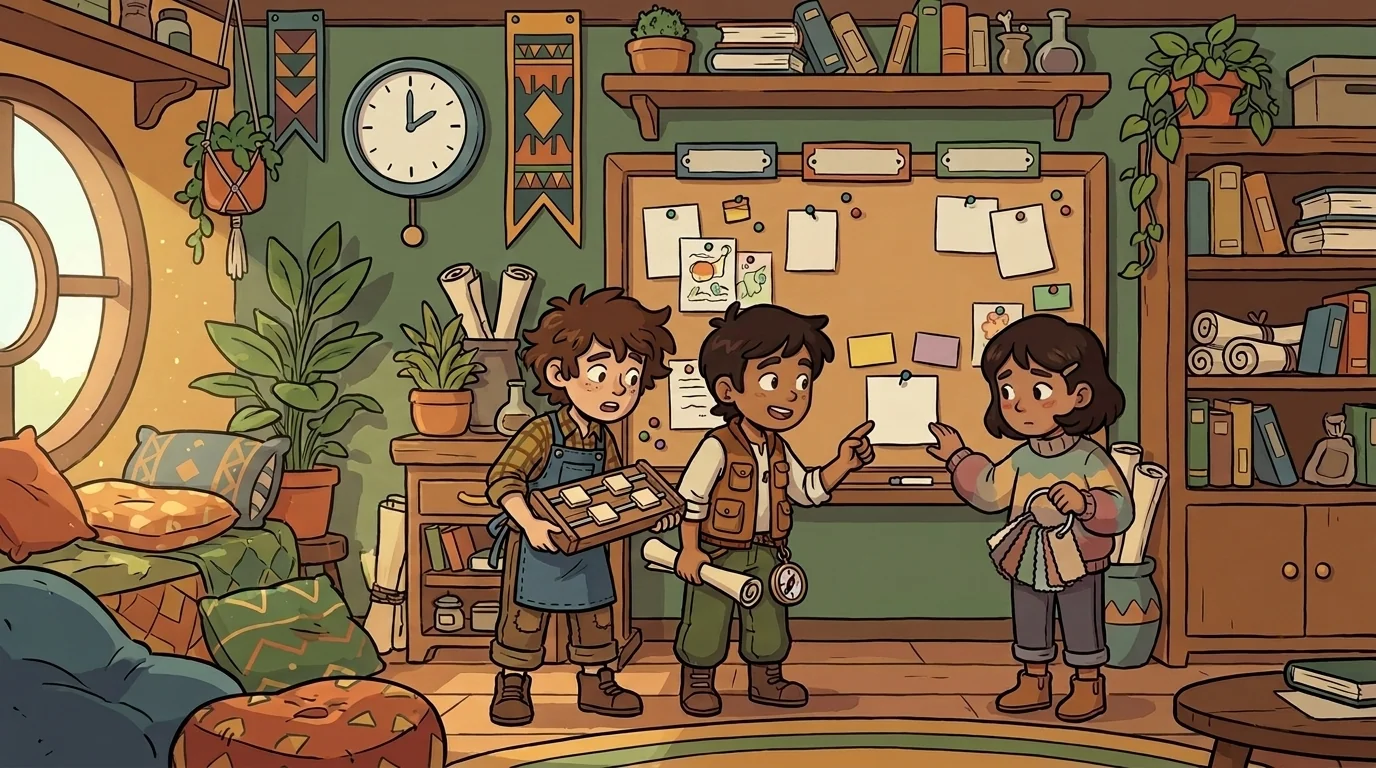
Then the student said the thing that made all three teachers glance at each other. "So the word means 'without wax' (Radicle), because of the statues (Origo), and that's why it feels warm and real instead of cold (Tinge)." The student looked at the single word on the board — SINCERE — now unfolded into parts, and history, and feeling, all at once. "It's not a costume. It's got... three whole things inside it." "Three things at least," Vellum agreed, coming over. "Radicle can tell you what any word is built from. Origo can tell you where it's been. Tinge can tell you how it lands." He tapped the note the student had written. "You thought a big word was hiding something. You were right — it is hiding something. It's hiding its parts, and its history, and its whole reason for feeling the way it does." He smiled. "The costume isn't the word. The costume is not knowing what's inside it." Radicle, Origo, and Tinge — who agreed on almost nothing about the best way to teach — stood looking at one word they had, between the three of them, finally told the whole truth about, and none of them said it out loud, but each of them thought: I only ever knew a third of it.
The student went home and, that night, took the longest, "showiest" word in the homework — the one that had looked like pure costume that morning — and took it apart, and traced it back, and weighed how it felt, and discovered it had been trying to tell three true things the whole time.
The WordForge ensemble
Where Words Come From (Radicle · Origo · Tinge) is part of WordForge's distributed-narrative cast. Each character embodies a different curricular primitive; together they teach the full subject.
-
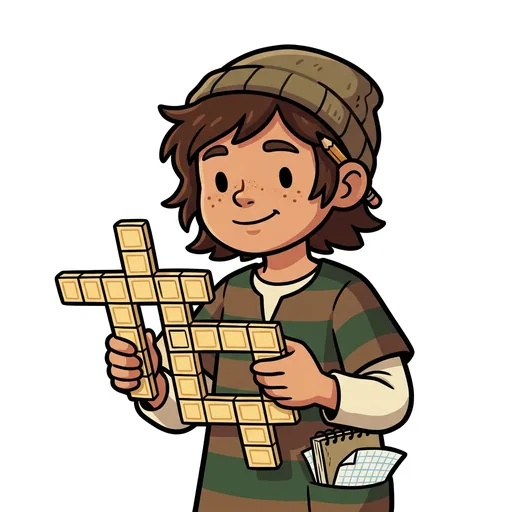
Acrostica
Crossword construction — builds grids where every letter satisfies two crossing words at once
-
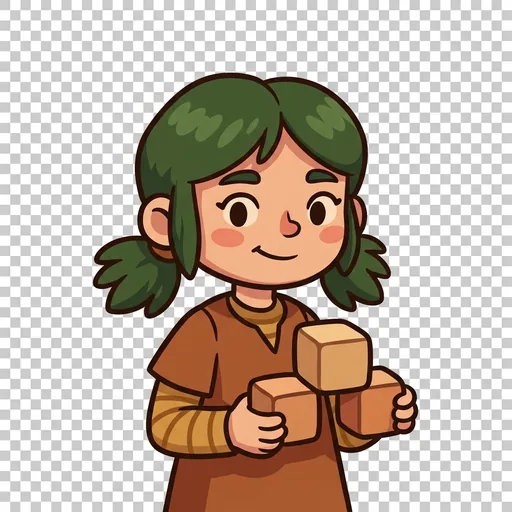
Radicle
Morphology / word-building — bolts a prefix and suffix onto a root to grow new words
-
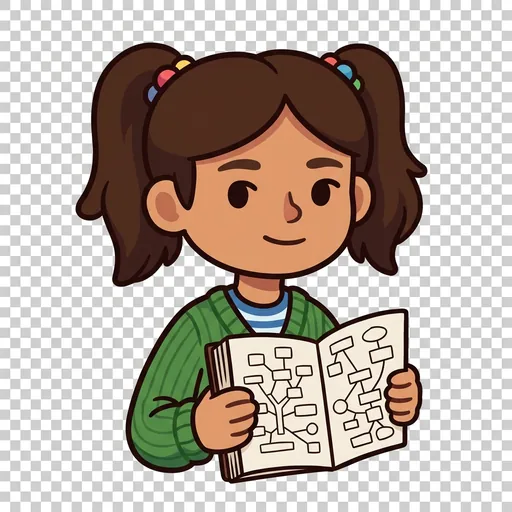
Origo
Etymology / word origins — traces a word back through its ancestor languages
-
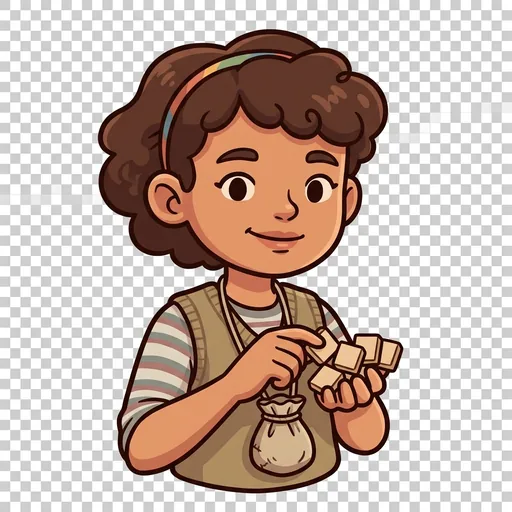
Anna Gram
Anagram / letter manipulation — rearranges the exact same letters into new words
-
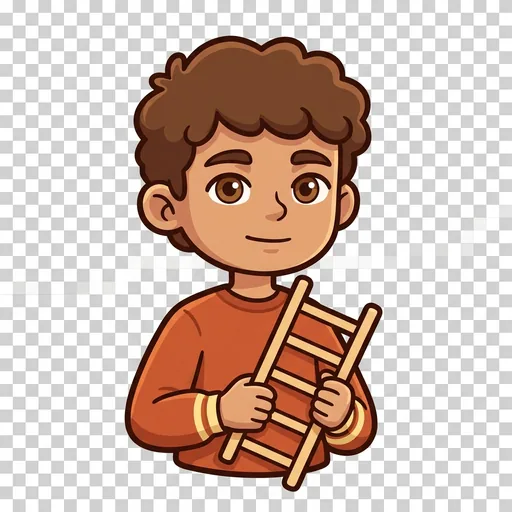
Rung
Word ladder — climbs word→word changing exactly one letter per step
-
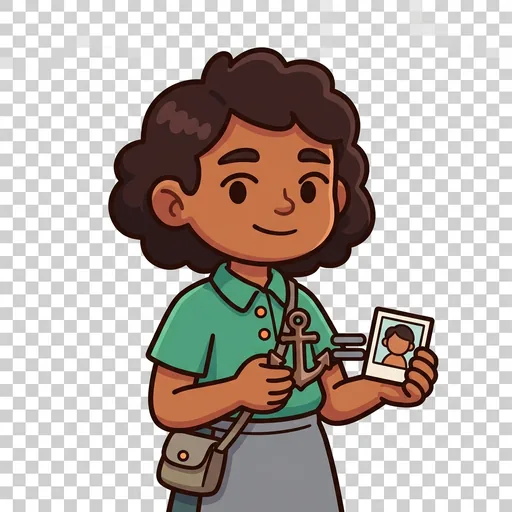
Metaphora
Figurative language — sets two things side by side and says one IS the other
-

Tinge
Nuance / connotation — sorts near-synonyms by their exact shade of feeling
-
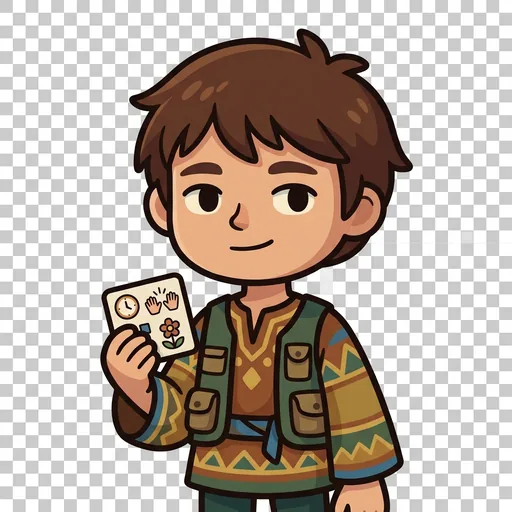
Rebus
Double-meaning / cryptic clues — refuses the obvious reading and finds the hidden second one
-
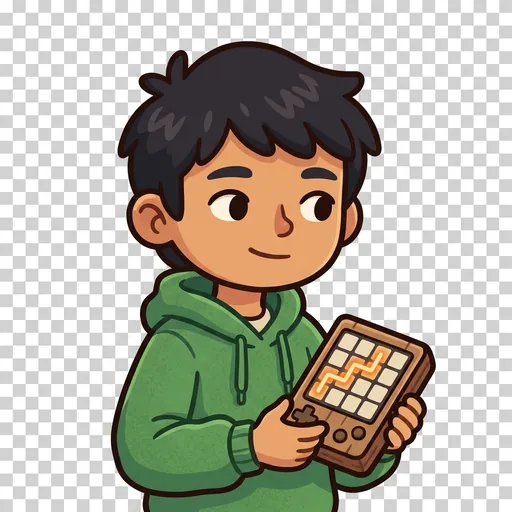
Boggs
Adjacency word-search — traces a path through touching letters to find hidden words
-
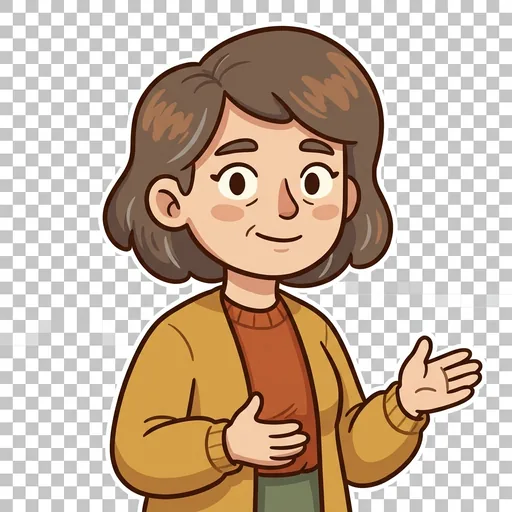
Vellum
The arcade keeper (mentor) — introduces each format and normalizes not knowing a word