
Chip
SYLLABLE DIVISION — a long word is a string of beats (syllables). Chop it at the seams between beats and each chunk is short enough to read. Every syllable has exactly one vowel sound; the syllable TYPE tells you whether its vowel is long or short.
Loading audio…
Press play to listen along. The line being read lights up as you go.
Show full transcript
Loading transcript…
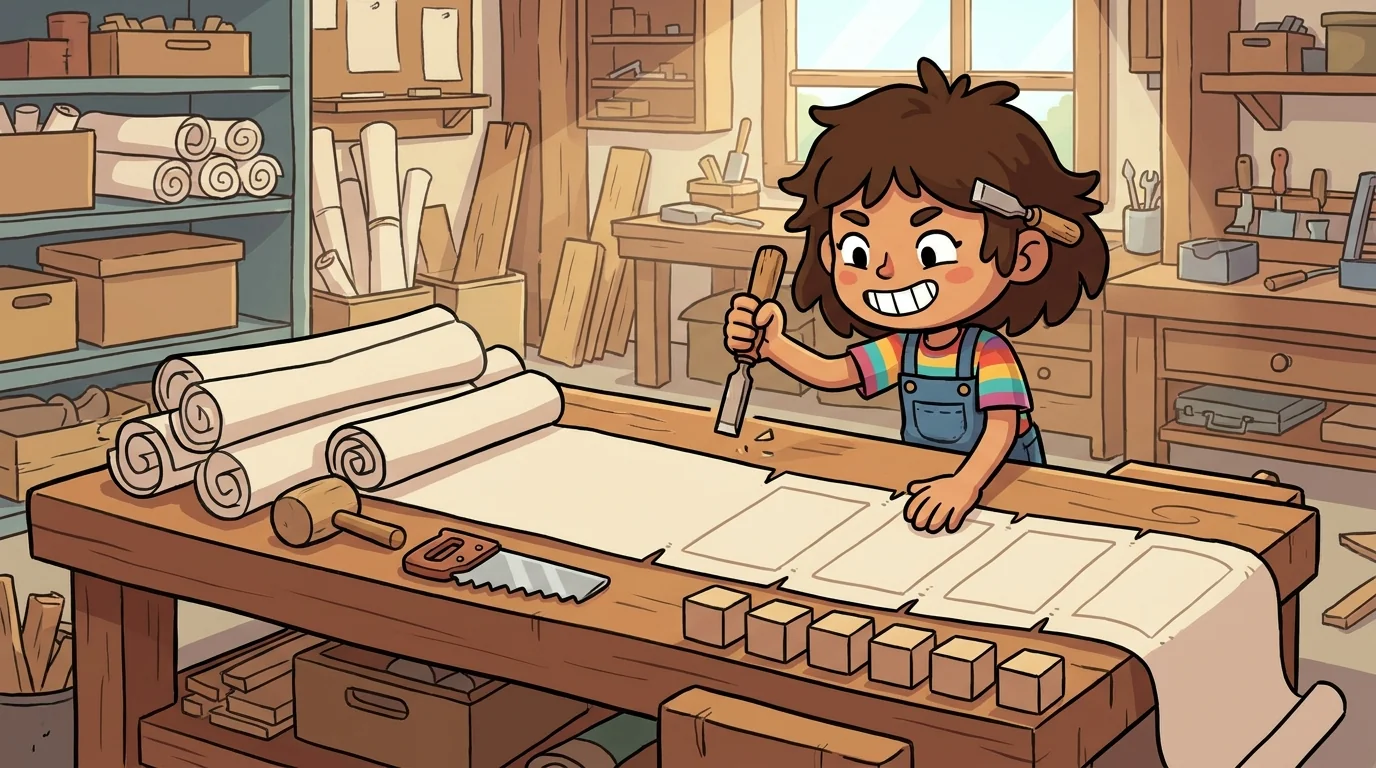
A student named Dev froze at hippopotamus. It sat on the page like a wall of letters, and his whole face said no.
Chip, energetic and warm, didn't tell him to try harder. He picked up an imaginary axe. "Big words aren't read. They're chopped. Listen — how many beats?" He clapped it: "hip·po·pot·a·mus. Five beats. Five little words. And not one of them is scary." He wrote them chopped: hip · po · pot · a · mus. "Read hip." Dev did, easy. "Read po." Easy. Chunk by chunk, Dev read the whole monster — and grinned, because he'd just read a word he'd been afraid of for years.
"That's syllable division," said Chip. "A syllable is one beat — and here's the tell: every syllable has exactly one vowel sound. Count the vowel sounds, you've counted the beats. Chop between them, and a wall becomes a handful of tiny words."
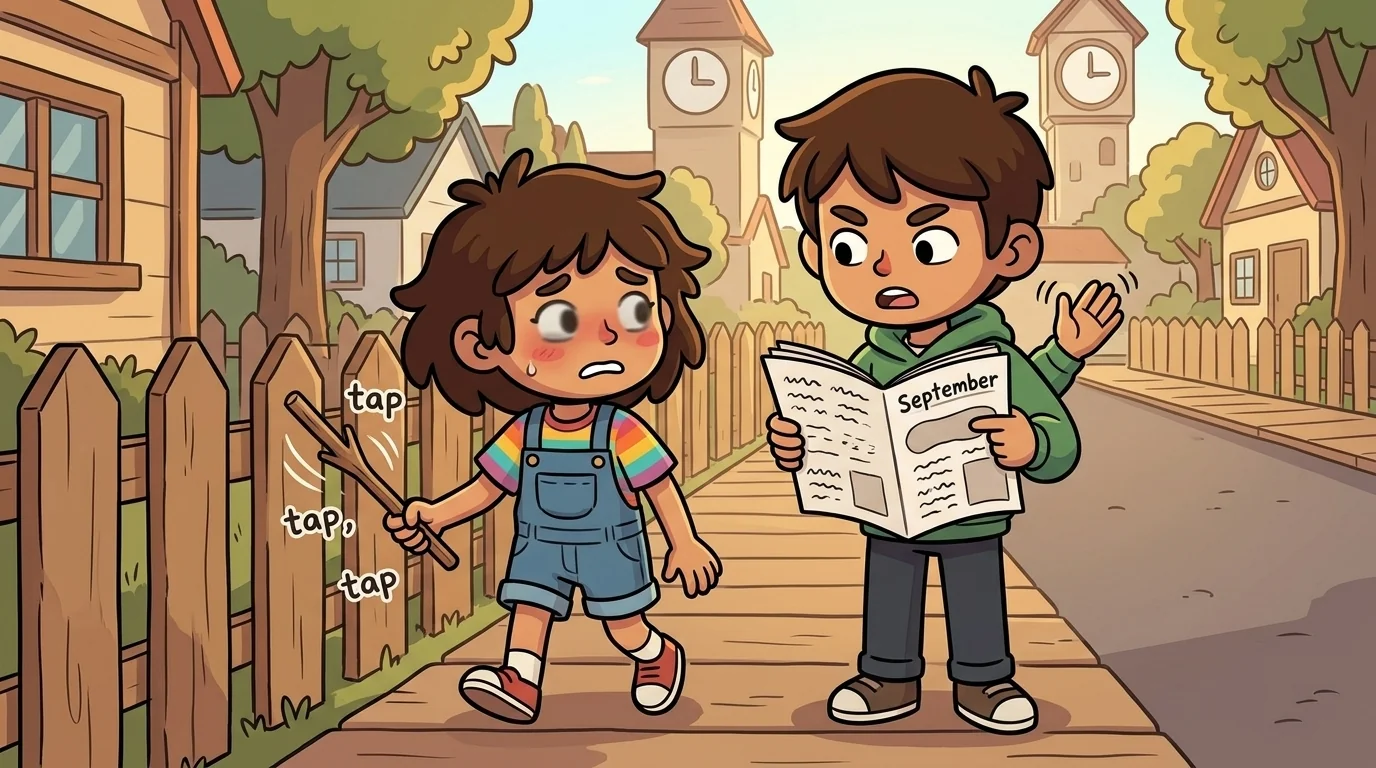
Chip had once been the kid who froze at long words.
He'd try to read fantastic as one enormous gulp — fan-tas-tic all at once — and choke, and decide he "couldn't read big words." He could. He was just trying to swallow them whole instead of chopping them into bites. Nobody chokes on fan, or tas, or tic. They choke on trying to say all three in one breath with no seams.
An old teacher gave him one move. "Find the vowel sounds — each one is a beat. Then chop between them. You don't need to know fancy rules first; you need to hear the beats and cut." She wrote fantastic and had him clap it — three claps — then chop it three ways. "You never couldn't read big words. You'd just never been allowed to cut them."
Chip learned to chop before he read — beats first, then read the chunks — and the long words that had frozen him became easy handfuls. The choking, can't-read-big-words dread turned into an almost gleeful confidence: hand him a monster word and he'd reach for the axe.
There is a deeper craft, and Chip taught it to Advanced readers, because where you chop can change the vowel.
"Sometimes the chop-point decides how the vowel sounds," he said. "Take robot. Chop it ro·bot — the ro ends in a vowel, so it's an open syllable, and the vowel goes long: /roh/. But chop rabbit as rab·bit — the rab ends in a consonant, so it's a closed syllable, and the vowel stays short: /rab/." He tapped both. "Open syllable, long vowel. Closed syllable, short vowel. So when you chop and the word doesn't sound real, try moving the chop one letter — cab·in versus ca·bin — and listen for which makes a real word. The cut and the vowel decide each other."
"And here's the map of syllable types," Chip went on, "because each type tells you its vowel. Closed — ends in a consonant, short vowel (cat, nap·kin). Open — ends in a vowel, long vowel (me, ro·bot). Silent-e — Ellie's kind, long vowel (com·pete). Vowel-team — Sylva's kind (rain·bow). R-controlled — a vowel bossed by an r (bird, car·pet). Consonant-le — the little ending beat (ta·ble, lit·tle). Six types. When you chop a word into beats, name each beat's type, and the type hands you the vowel sound for free." He shrugged, cheerful. "You don't guess the vowel. The syllable type tells you."
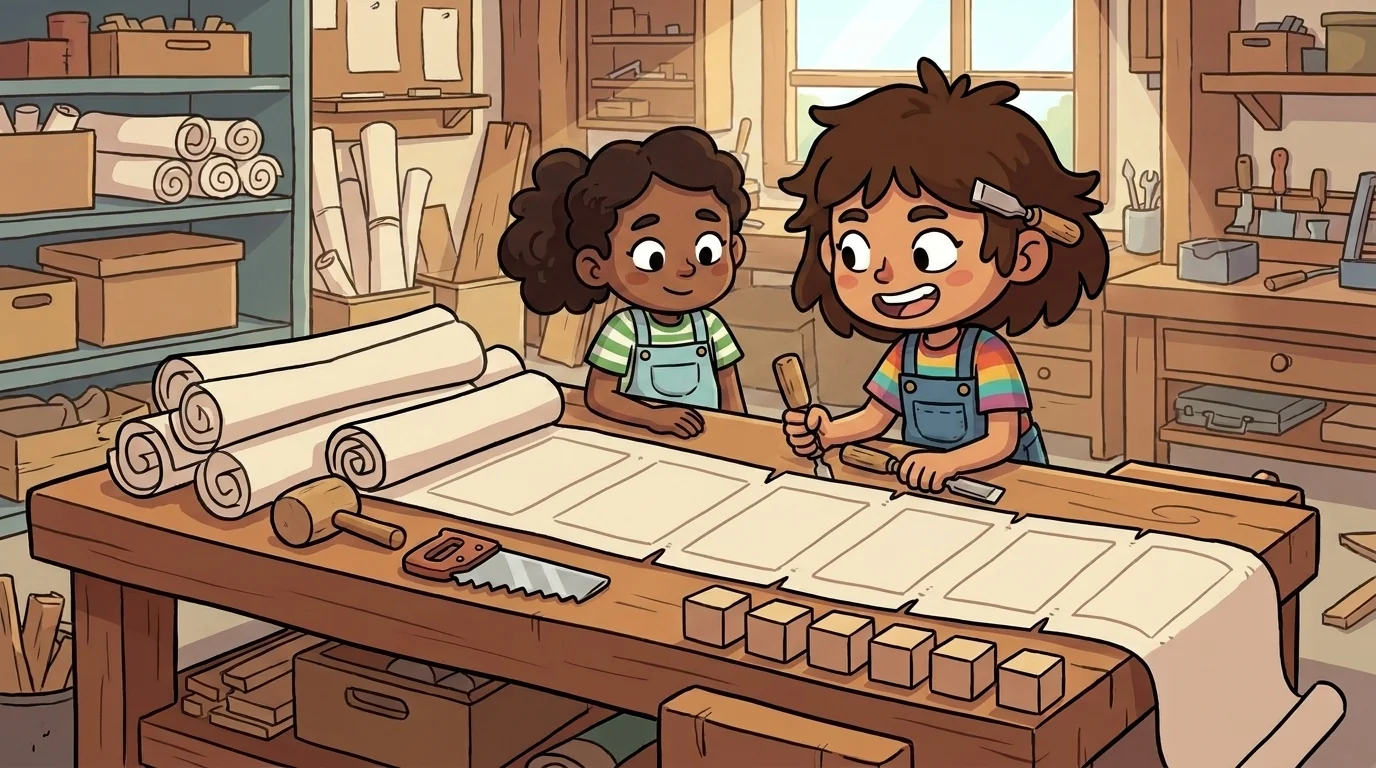
Dev went back to his book and hit independent.
Once, a wall. Now he found the vowel sounds — in·de·pen·dent, four beats — chopped between them, named each as a closed syllable (short vowels all the way), and read it beat by beat: "in·de·pen·dent." No freezing. Four tiny words in a row.
"That's it," said Chip, delighted, twirling his imaginary axe. "Big words aren't read. They're chopped. Every beat has one vowel sound; the type of beat tells you the vowel; and no single beat was ever scary." He clapped once. "The monster was never a monster. It was five small words standing too close together."
The frozen, can't-read-big-words feeling settled into a chop-it-and-go confidence. Dev hadn't been unable to read long words. He'd just never been handed the axe.
The DecodeForge ensemble
Chip is part of DecodeForge's distributed-narrative cast. Each character embodies a different curricular primitive; together they teach the full subject.
-
Segwyn
Segment & blend (mentor) — the master decoder who slides a word apart into its sounds and back together, and coaches the rest
-
Digby
Digraphs — fuses two letters into ONE sound (the 'one-breath' trick)
-
Blenda
Consonant blends — smashes a cluster together so each sound still shows
-
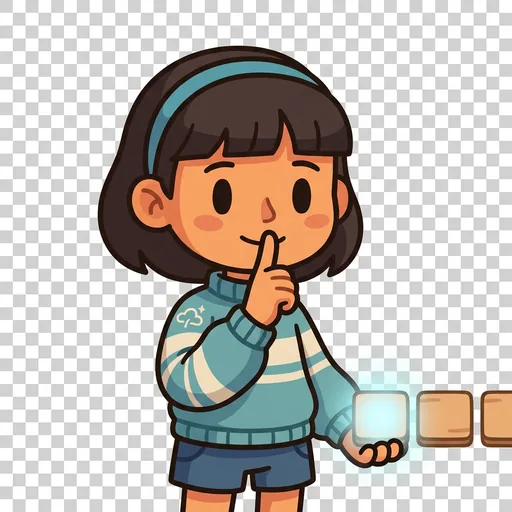
Silent Ellie
Silent / magic-e — stands silent at a word's end and makes the vowel say its name
-
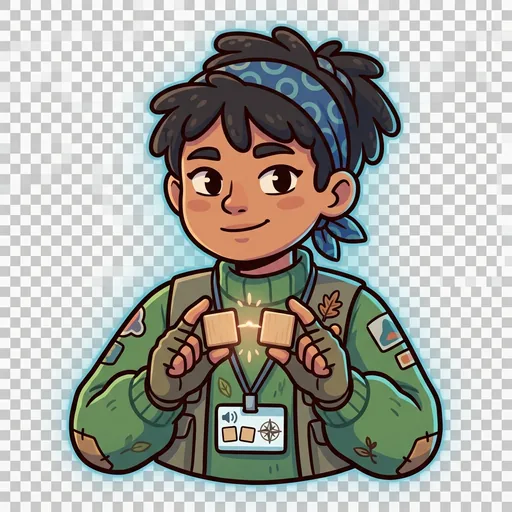
Sylva
Vowel teams — pairs two vowels so the first does the talking
-
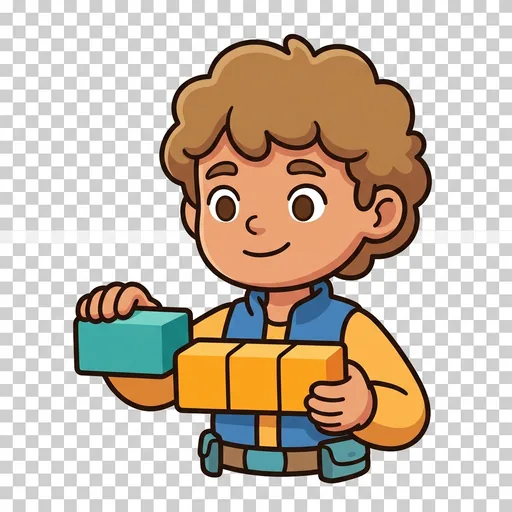
Prefa
Prefixes — clips a meaning-unit onto the FRONT of a word
-
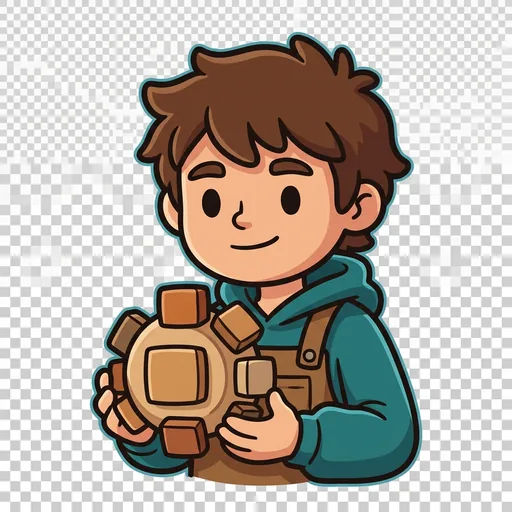
Rootley
Roots / bases — holds the meaning core everything attaches to
-

Fixby
Suffixes — tacks a meaning-unit onto the END and guards the spelling-change rule
-
Fluenna
Fluency — reads the same passage until it flows, keeping the beat (repeated reading)
-
Mapper
Phoneme-grapheme mapping — maps each sound to its spelling tile on the board