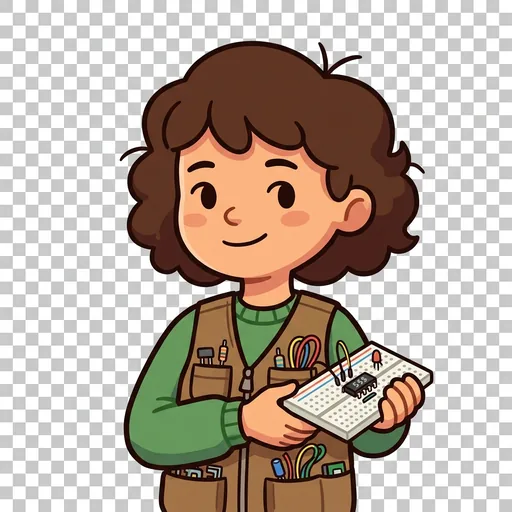
Blenda
CONSONANT BLENDS — two or three consonants in a row where you can still hear EVERY sound, said fast and close together. str = /s/ /t/ /r/, all there. bl = /b/ /l/, both there. (Different from a digraph, where two letters become ONE sound.)
Loading audio…
Press play to listen along. The line being read lights up as you go.
Show full transcript
Loading transcript…
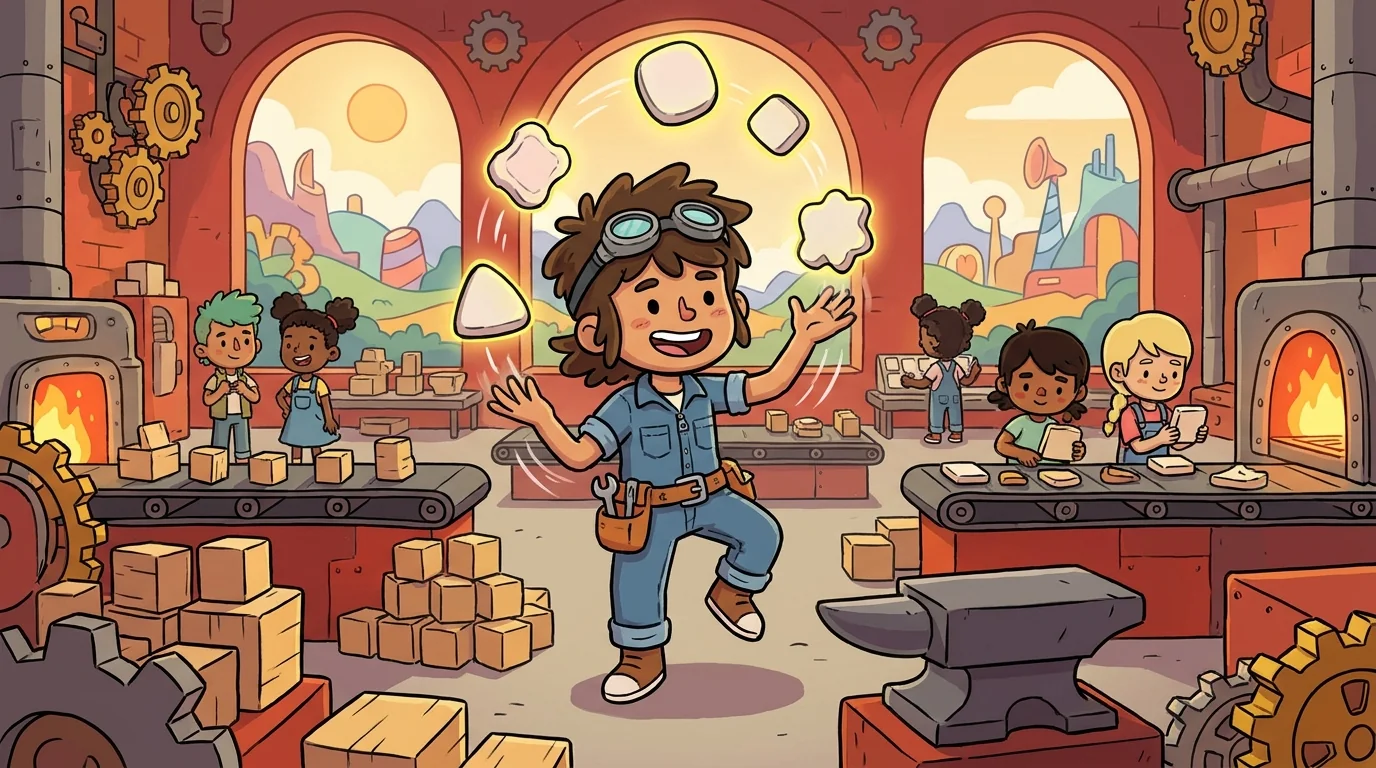
Blenda is the fastest hands in the Forge. She juggles. Literally — she keeps three or four little sound-stones going in the air at once while she talks to you, which is annoying to some of the other decoders and deeply impressive to every kid who walks in.
Her job is the opposite of Digby's, and they will both tell you theirs is harder. Digby takes two letters and welds them into one sound. Blenda takes two or three letters that are all yelling their own sounds at once — like str or spl or bl — and her trick is: she keeps every single one. She smashes them close together, fast, so they lean on each other — but not one of them gets dropped.
Somebody hands her strong. She catches all three front sounds — /s/ /t/ /r/ — and doesn't let any hit the floor. "Fast," she says, "but full. You go quick, but you don't leave anybody behind."
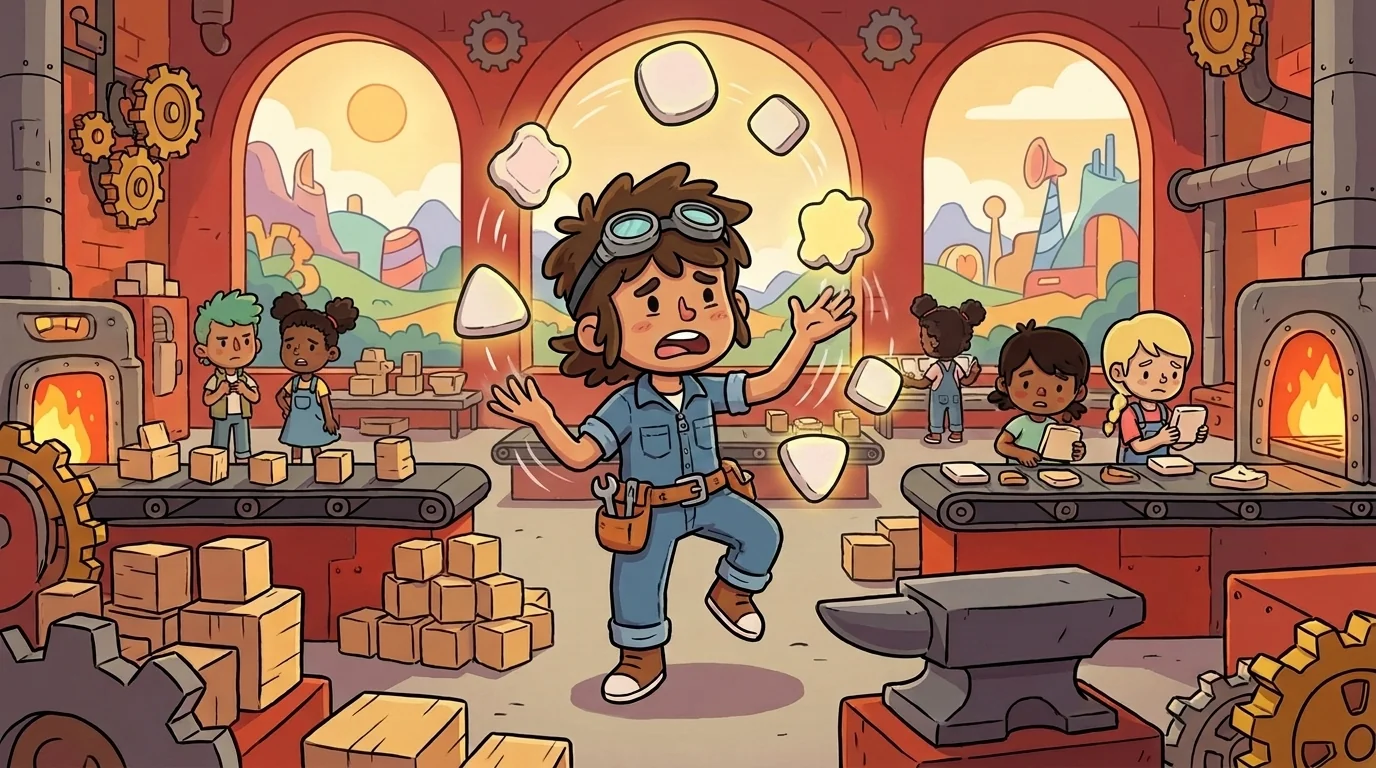
Blenda cares so much about not leaving a sound behind because, as a kid, she left them behind constantly.
Here was her problem: she was quick. Reading came at her fast and she went fast right back, and when she hit a cluster of consonants she'd grab the first sound, grab the last sound, and her mouth would just skip the one in the middle. She read black as back. She read frog as fog. She read splash as slash. Close enough that it sort of made sense, close enough that she didn't always notice, and just wrong enough that her reading came out slightly off in a way that made teachers frown and made her feel like she was guessing at her own language.
The worst part was she couldn't figure out why. She wasn't lazy. She wasn't slow — the opposite. She'd say "I read it!" and be genuinely confused when the word was wrong. It felt like her eyes and her mouth had a secret agreement to skip a letter and not tell her.
Then a librarian did something small that fixed it. She didn't say you're wrong or slow down (which never helps, it just makes you tense). She put her finger on the middle letter of frog — the r — and asked, kindly, "What's this one saying?"
"/r/," said Blenda.
"Right. So where'd it go?"
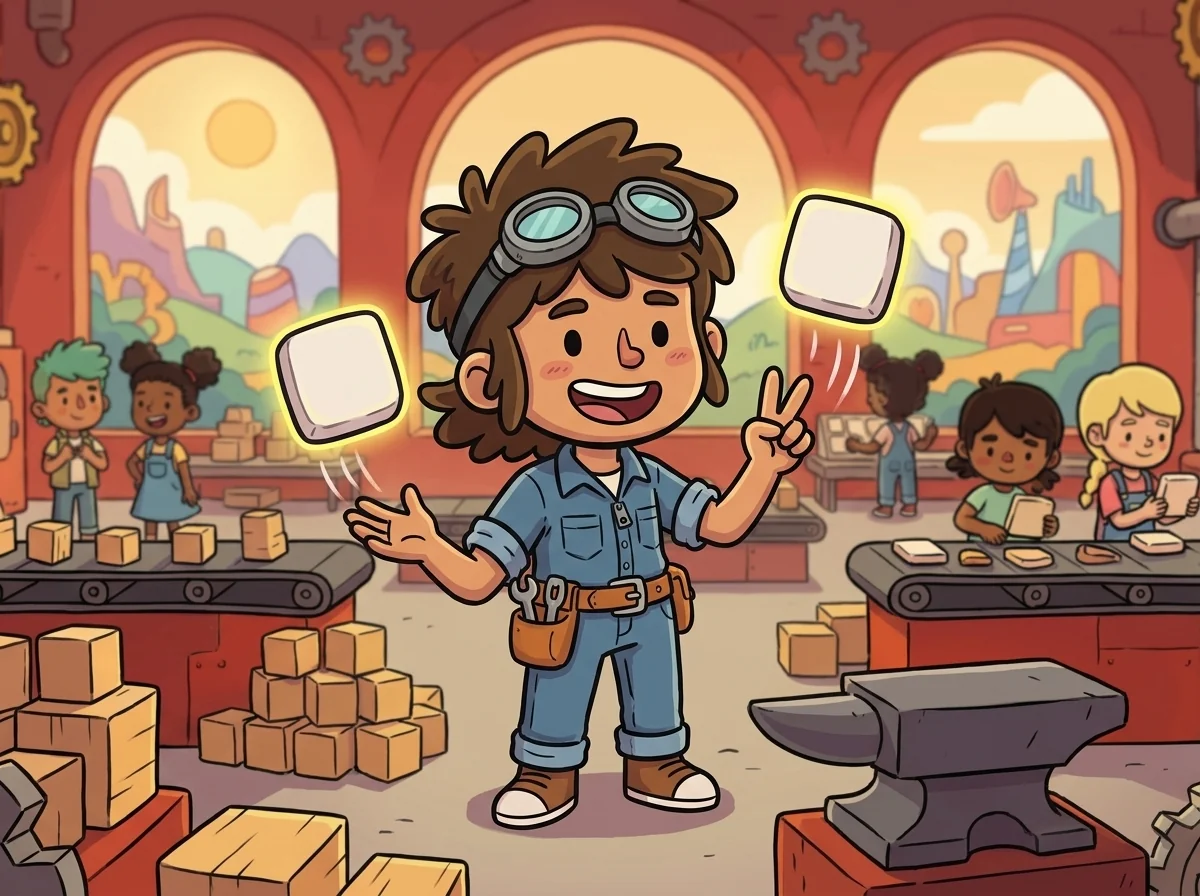
Where'd it go. Blenda had skipped it. Not because she couldn't say /r/ — she could — but because she'd been moving so fast the middle sound never got a turn. The letter was right there the whole time, doing its job, and she'd been reading straight over the top of it.
That reframed everything. Blenda wasn't bad at reading. She was fast at reading, and fast without care means you drop things — same as juggling, same as anything. The fix wasn't to be a different person. The fix was to make sure every sound in the cluster got a turn before she let the word go.
Which is why she was the right decoder for a kid named Theo, who read like a rocket and got half his words slightly wrong and had absolutely no idea why.
Theo read blast as bast. Then he read it again, faster, bast, getting frustrated, sure the word itself was broken. "It doesn't say anything!" he said. "Bast isn't a word!"
"You're so close it's almost mean," Blenda said. "You've got the /b/. You've got the /ast/. You dropped one guy in the middle. Here—" She held up two fingers. "How many sounds at the front? b, l."
"Two."
"So I need to hear two. Slow, just the front. Don't rush me."
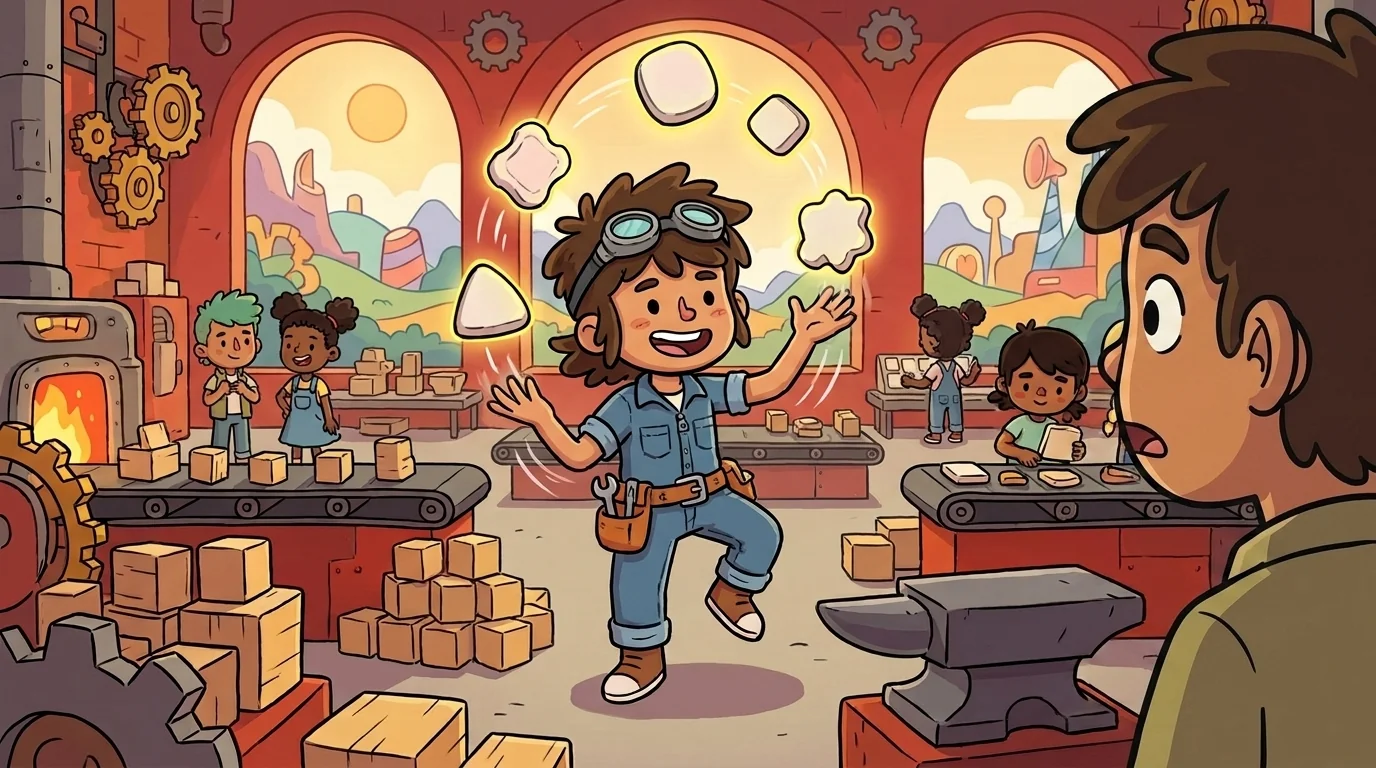
"/b/... /l/...," said Theo, and his own eyes went wide, because he heard it — the /l/ he'd been skipping for years. It had been there the whole time.
"There he is!" said Blenda, delighted. "That's your dropped guy. Now — /b/ /l/, but let them lean on each other. Bl. Bl. Say it quick but say them both."
"Bl."
"Now the whole word. Full speed if you want. Just don't leave the /l/ behind."
"Blast." Theo said it, and it was a real word, and it was the word on the page. He said it again just to feel it. "Blast. I've been saying bast my whole life."
"Yeah, you have," said Blenda, not unkindly. "And you know why? Not because you can't read. Because you're fast. Speed's not your problem, it's your gift — you just have to make sure every sound gets a turn before you let the word fly. Fast and full. Both. You can do both."
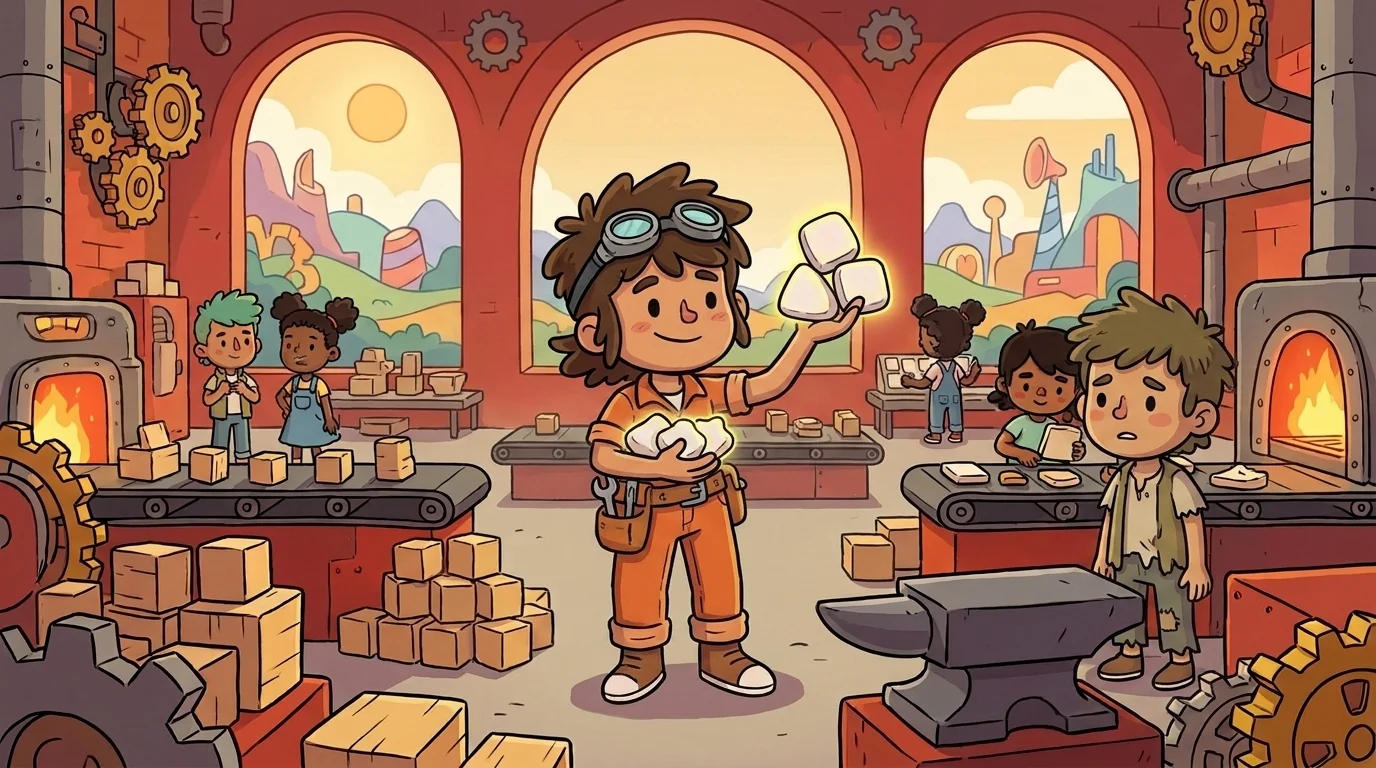
Theo went quiet, and Blenda knew the quiet — it's the sound of a kid recounting every word they ever got slightly wrong and realizing it wasn't stupidity, it was a habit, and habits change.
"So all those times I got it almost right," Theo said. "And people would correct me and I'd feel like an idiot because it was so close—"
"You weren't an idiot. You were dropping one sound because you were moving quick. That's the most fixable thing in the world." Blenda plucked her juggling stones out of the air and set them down, all three, none dropped. "See? Catch every one. That's the whole job. You already had the hard part — you're fast. Now you just carry all your sounds with you when you go."
And that's the feeling Blenda lives for: watching a fast kid stop hearing "almost, but wrong" as a verdict on who they are, and start hearing it as you dropped one, go back and grab it. Because "almost right" isn't failure. It's a sound waiting for its turn. You don't have to slow down forever. You just have to make sure nobody gets left behind.
Theo still reads like a rocket. He just brings all his sounds along for the ride now — and the almost-right that used to make him feel like a fraud doesn't sting the way it did. It's just a dropped sound to go back and grab, and that, it turns out, feels like nothing at all.
The DecodeForge ensemble
Blenda is part of DecodeForge's distributed-narrative cast. Each character embodies a different curricular primitive; together they teach the full subject.
-
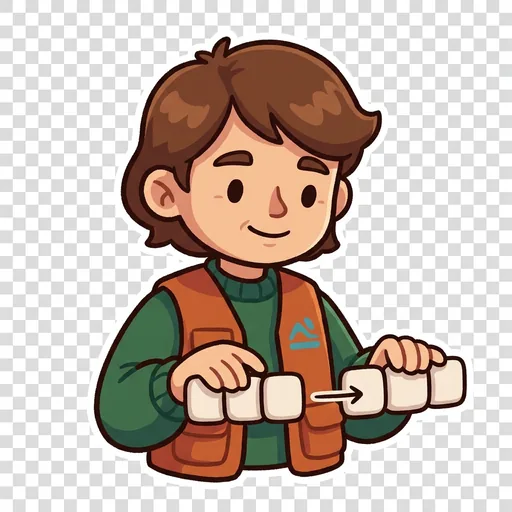
Segwyn
Segment & blend (mentor) — the master decoder who slides a word apart into its sounds and back together, and coaches the rest
-
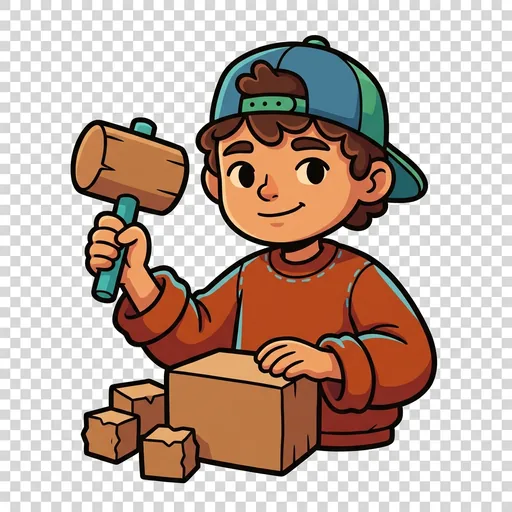
Chip
Syllable division — chips a big word into syllable chunks you can actually say
-
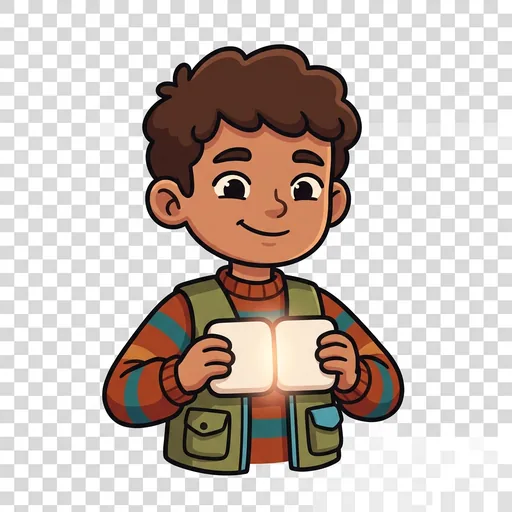
Digby
Digraphs — fuses two letters into ONE sound (the 'one-breath' trick)
-
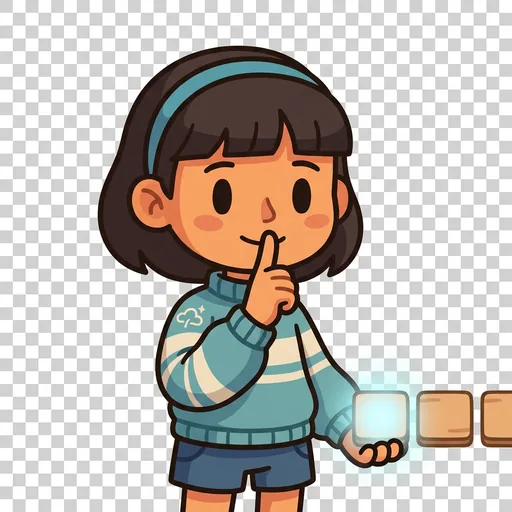
Silent Ellie
Silent / magic-e — stands silent at a word's end and makes the vowel say its name
-
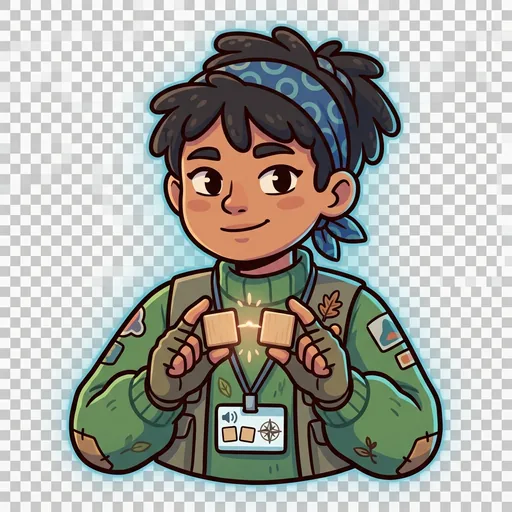
Sylva
Vowel teams — pairs two vowels so the first does the talking
-

Prefa
Prefixes — clips a meaning-unit onto the FRONT of a word
-

Rootley
Roots / bases — holds the meaning core everything attaches to
-

Fixby
Suffixes — tacks a meaning-unit onto the END and guards the spelling-change rule
-
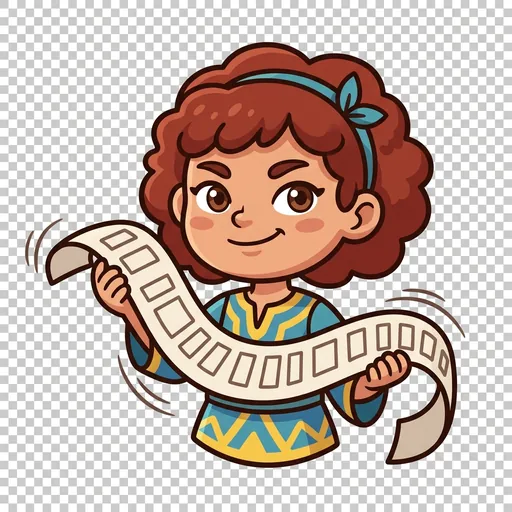
Fluenna
Fluency — reads the same passage until it flows, keeping the beat (repeated reading)
-

Mapper
Phoneme-grapheme mapping — maps each sound to its spelling tile on the board