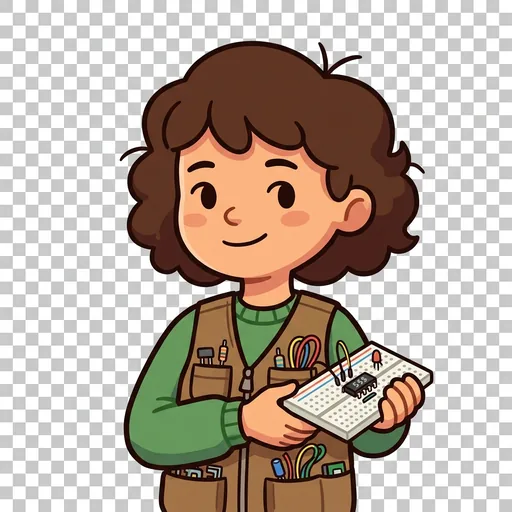
Mapper
PHONEME-GRAPHEME MAPPING — every sound has one or more spellings, and every spelling makes a sound. The sound /f/ can be spelled f, ff, ph, or gh. The sound /ai/ can be spelled ai, ay, or a_e. Mapping means placing the right spelling-tile for each sound in a word — the code is a learnable map, not a random trick.
Loading audio…
Press play to listen along. The line being read lights up as you go.
Show full transcript
Loading transcript…
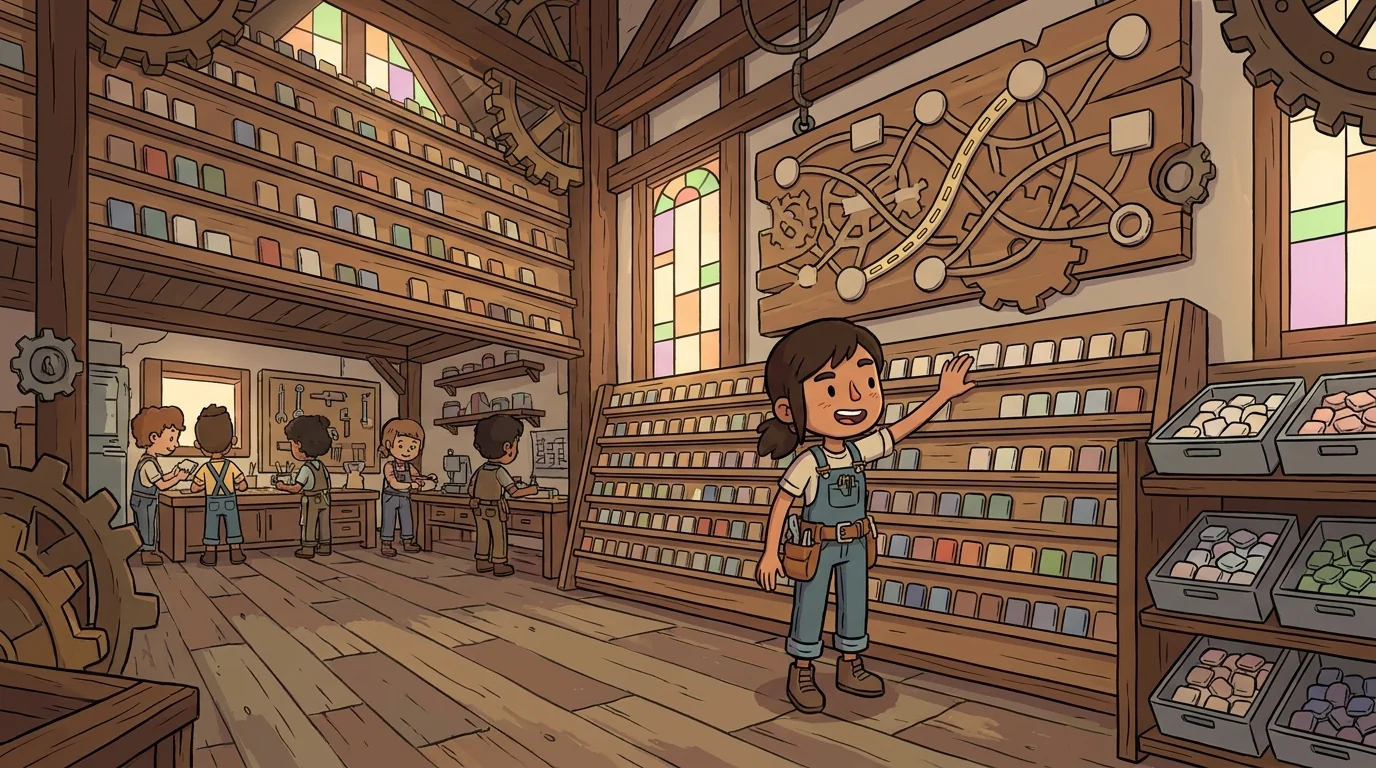
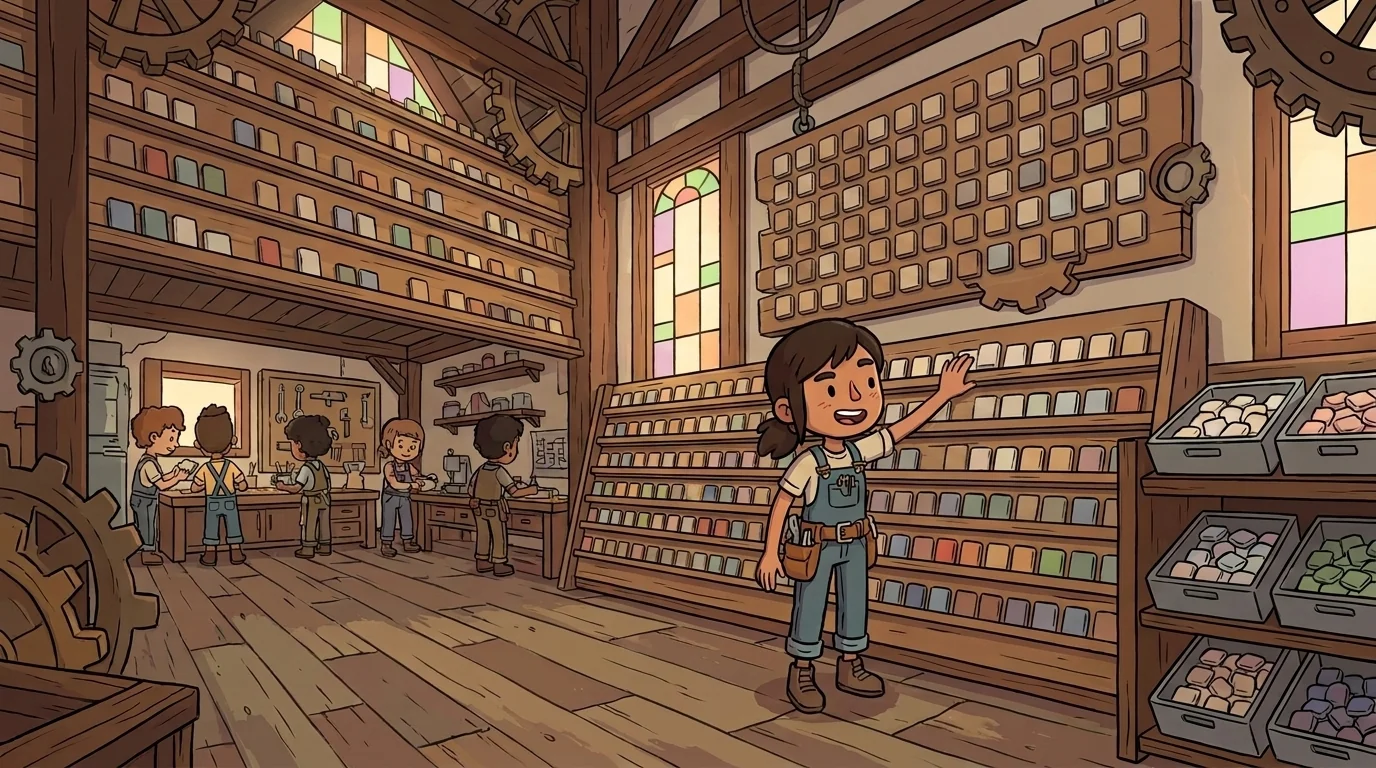
Mapper works at the biggest board in the Forge — a huge wall covered in little spelling-tiles, sorted into rows. She's the one who connects Segwyn's end of the shop to everyone else's, because Segwyn pulls a word apart into sounds, and Mapper's job is to answer the next question: which spelling makes that sound?
Because here's the thing that makes English hard, and Mapper will tell you straight: one sound can be spelled more than one way. The sound /f/? She points to the tiles: f (as in fun), ff (as in cliff), ph (as in phone), even gh (as in laugh). Four different spellings, one sound. New readers hit this and feel like the language is cheating.
"It's not cheating," Mapper says, running her hand along the tiles. "It's a map. A big one, sure. Messy in places. But every road on it goes somewhere, and once you've got the map, you stop getting lost."
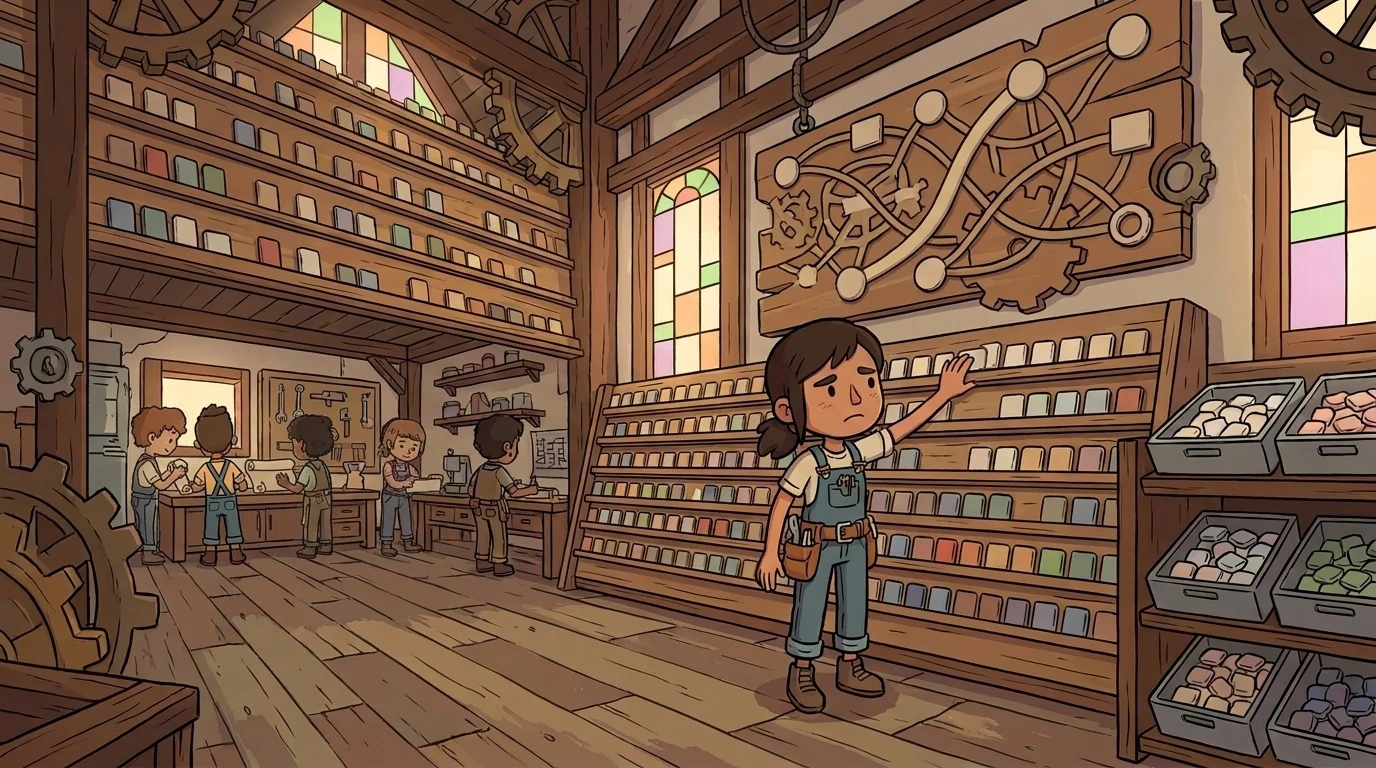
Mapper didn't always believe English was a map. For years she was sure it was a trap.
She'd learn that c says /k/, and then hit city and it says /s/. She'd learn ph says /f/ and think why not just use f?! Every rule seemed to have exceptions, every exception seemed to have exceptions, and she came to a bitter conclusion: English spelling was random, unfair, invented by people who wanted her to feel stupid — and, since she couldn't just memorize the whole chaotic mess, she must be stupid. She'd stare at a word she'd spelled "wrong" and feel the unfairness of it like a hot coal: how was I supposed to know?
The truth, which took her years to find, was gentler and much more useful. English looks random up close, the way a city looks random when you're lost in one street. But step back and there's a map. The patterns are real. ph says /f/ in words that came from Greek — phone, photo, graph. c softens to /s/ before e, i, and y — city, cent, cycle. It's not chaos. It's a map with regions and rules, and nobody had ever shown her the map. They'd just dropped her in the city and acted surprised she got lost.

The person who finally handed her the map was a mail carrier who knew every street in town. Mapper asked how she never got lost. "Oh, I got lost constantly at first," the carrier said. "Then I learned the pattern — odds on one side, evens on the other, numbers climb as you go north. Once you know the pattern, you're never really lost, even on a street you've never walked." She wrote /f/ on a scrap and then its spellings underneath. "Sounds are the same. This sound lives at these addresses. Learn the addresses and the whole city opens up."
Mapper never forgot that: you were never stupid. You just didn't have the map.
So when a furious kid named Jamal slammed into the Forge convinced he was dumb, Mapper felt the hot coal of it and knew it exactly.
"English makes NO SENSE," Jamal announced. "Laugh has a gh that says /f/?! Why?! I got it wrong on a test and everyone else just knew and I don't get how anybody knows this stuff. I'm just bad at it."
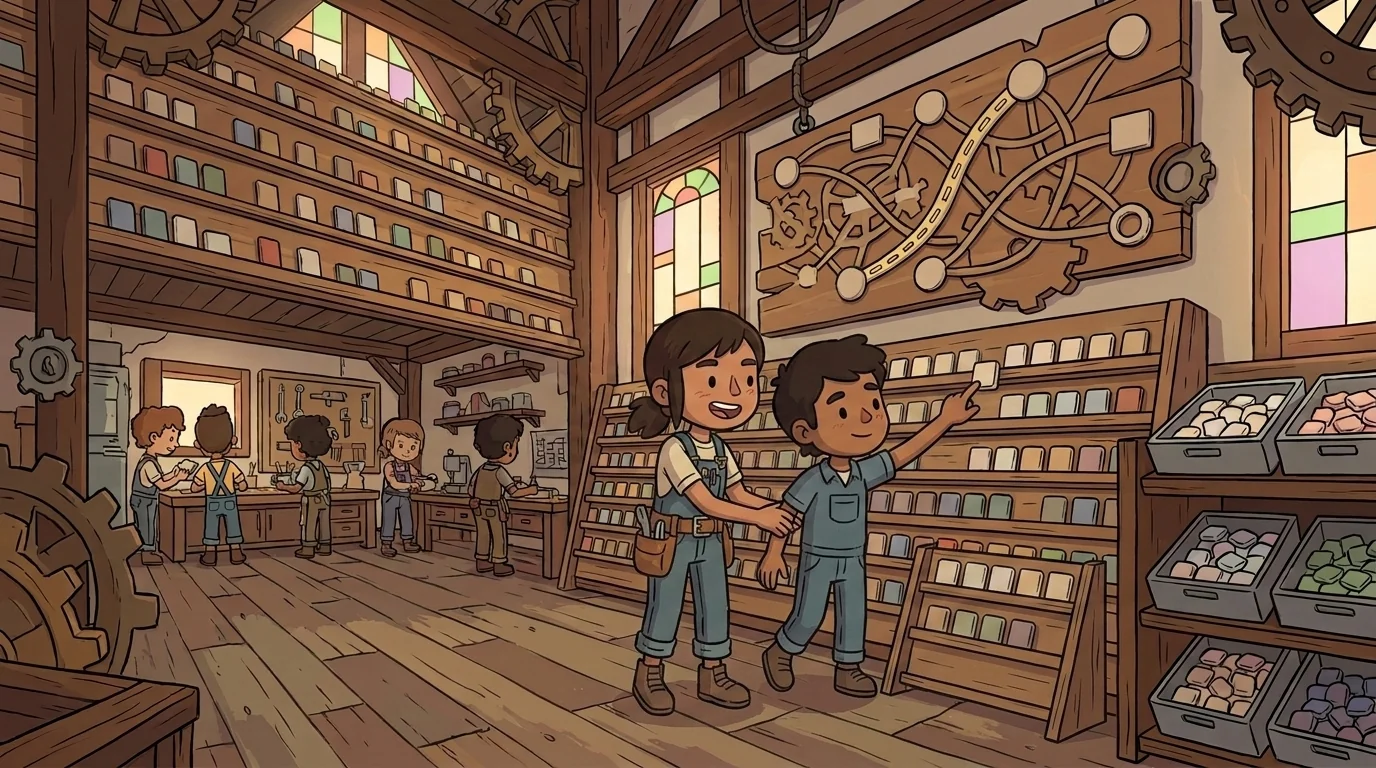
"You're not bad at it," Mapper said. "You've been dropped in a city with no map and blamed for getting lost. Come here." She walked him to the /f/ row of her big board. "This one sound — /f/ — lives at four addresses." She touched each tile. "f, like fun. ff, like cliff. ph, like phone. And gh, like laugh and tough and enough. That last one's an old, weird little neighborhood — but it's a real neighborhood, and now you've been there. Next time you see gh at the end of a word like that, you'll know: probably /f/."
"So it's not random," Jamal said slowly. "There's like... a list. A map."
"There's a map," Mapper said. "Nobody handed it to you, so of course it felt like everyone else had a secret. They didn't have a secret. They had the map, and now so do you." She had him build a few words with tiles — placing ph for the /f/ in graph, c for the soft /s/ in city — and each time, the "unfair" thing turned out to be a road that went somewhere.
Jamal placed the tiles for phone himself, and stared at it. "I always thought I was the only one who didn't get this."
"You thought the code was out to get you," Mapper said. "And you thought not-knowing-it meant something was wrong with you. Both of those are lies the map tells you when you can't see it yet. English isn't out to get anybody. It's just a big old messy map that grew up over a thousand years, borrowing streets from other languages, and nobody is born knowing it. The kids who seem to 'just know' — somebody showed them the map, that's all. There's no such thing as being born able to read English. There's only having the map or not."
And that's the coal Mapper takes out of a kid's hand, the one so many struggling readers carry without telling anyone: the belief that English spelling is a trick, and that being confused by it is proof you're stupid. Neither is true. The code is a map — big, messy, learnable — and being lost without it was never a fact about you. It was just a missing map. Maps can be learned. And the moment you start learning it, the whole confusing city turns back into streets that go somewhere.
Jamal started noticing spellings everywhere after that — collecting the addresses of sounds, he called it. He said the gh-that-says-/f/ neighborhood was his favorite, because it used to be the exact thing that made him feel dumb, and now it was just a weird little street he knew his way around.
The DecodeForge ensemble
Mapper is part of DecodeForge's distributed-narrative cast. Each character embodies a different curricular primitive; together they teach the full subject.
-
Segwyn
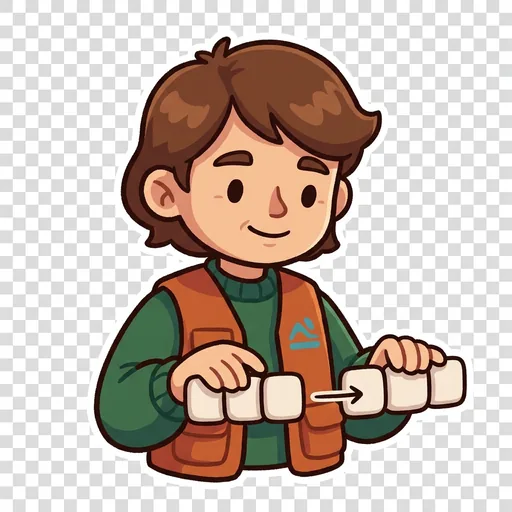
Segment & blend (mentor) — the master decoder who slides a word apart into its sounds and back together, and coaches the rest
-
Chip
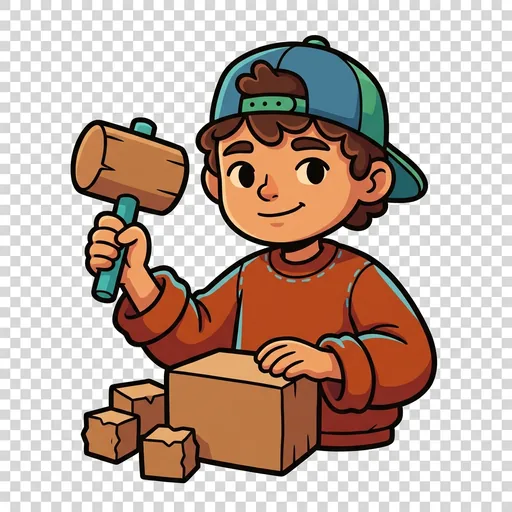
Syllable division — chips a big word into syllable chunks you can actually say
-

Digby
Digraphs — fuses two letters into ONE sound (the 'one-breath' trick)
-
Blenda
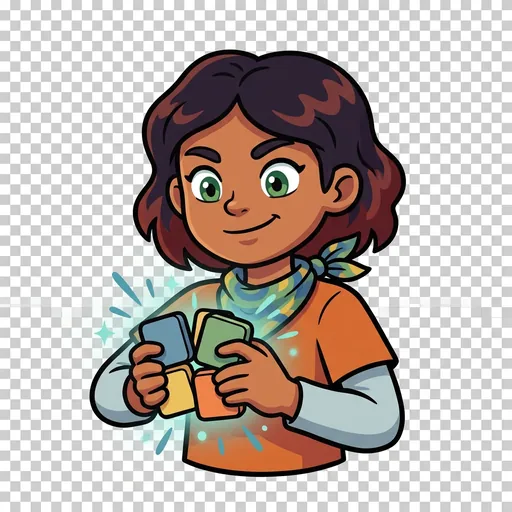
Consonant blends — smashes a cluster together so each sound still shows
-

Silent Ellie
Silent / magic-e — stands silent at a word's end and makes the vowel say its name
-
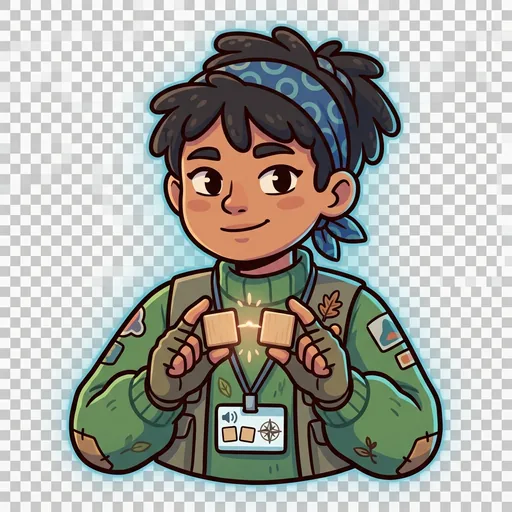
Sylva
Vowel teams — pairs two vowels so the first does the talking
-
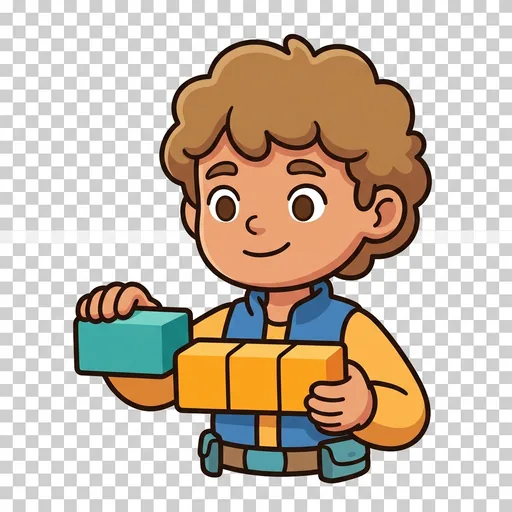
Prefa
Prefixes — clips a meaning-unit onto the FRONT of a word
-
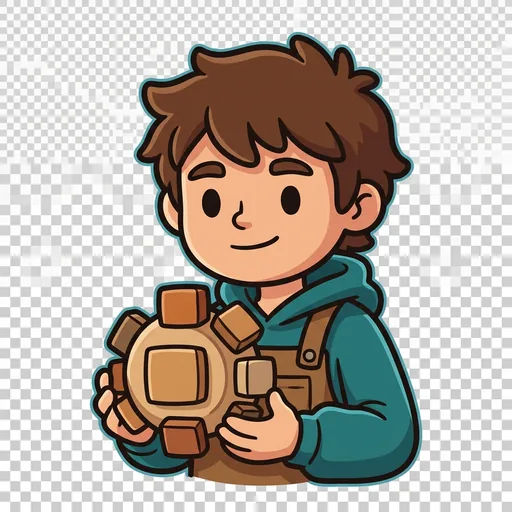
Rootley
Roots / bases — holds the meaning core everything attaches to
-

Fixby
Suffixes — tacks a meaning-unit onto the END and guards the spelling-change rule
-

Fluenna
Fluency — reads the same passage until it flows, keeping the beat (repeated reading)