Silent Ellie
SILENT / MAGIC E
Loading audio…
Press play to listen along. The line being read lights up as you go.
Show full transcript
Loading transcript…

Of all the decoders at the Forge, Silent Ellie is the one you might walk past without noticing. She doesn't juggle like Blenda or bang an anvil like Digby. She stands very still, usually at the end of things, and she doesn't make a sound.
But watch what happens when she takes her place.
Somebody brings in the word cap. Short and flat: /kap/. Ellie walks over, stands silently at the end — cape — and without opening her mouth, she reaches back over the p, taps the vowel, and the a suddenly says its own name. /kayp/. Cape. A hat became a hero's cloak, and Ellie never said a word.
She does it again and again. hop becomes hope. kit becomes kite. cub becomes cube. She adds no sound of her own — she's silent, always — and yet nothing in the word is the same after she arrives.
"You don't have to be loud to change everything," is a thing Ellie almost never says out loud, because of course she doesn't. But it's written on a little card she keeps in her pocket, and sometimes she just shows you the card.

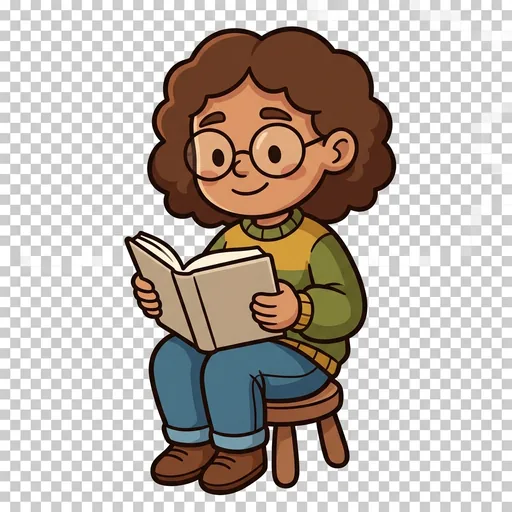
Ellie was a quiet kid, and being a quiet kid is harder than loud people know.
In her class, the fast talkers got noticed. They shot their hands up, they blurted answers, they filled every silence. Ellie usually knew the answer too — often she knew it better — but by the time she'd gathered the nerve, someone louder had already said it, and the moment was gone. Teachers wrote "needs to participate more" on her reports. She started to believe that if you weren't loud, you didn't count. That being quiet was the same as being nothing.
And reading felt like the proof. She read fine until she hit words with that little e on the end, and then she'd stumble, because she'd been taught to say every letter — and this letter said nothing. time came out /tim/, then /tim-uh/, and she'd think, why is there a letter here that doesn't do anything? What's the point of a thing that makes no sound?
The point, it turned out, was everything.
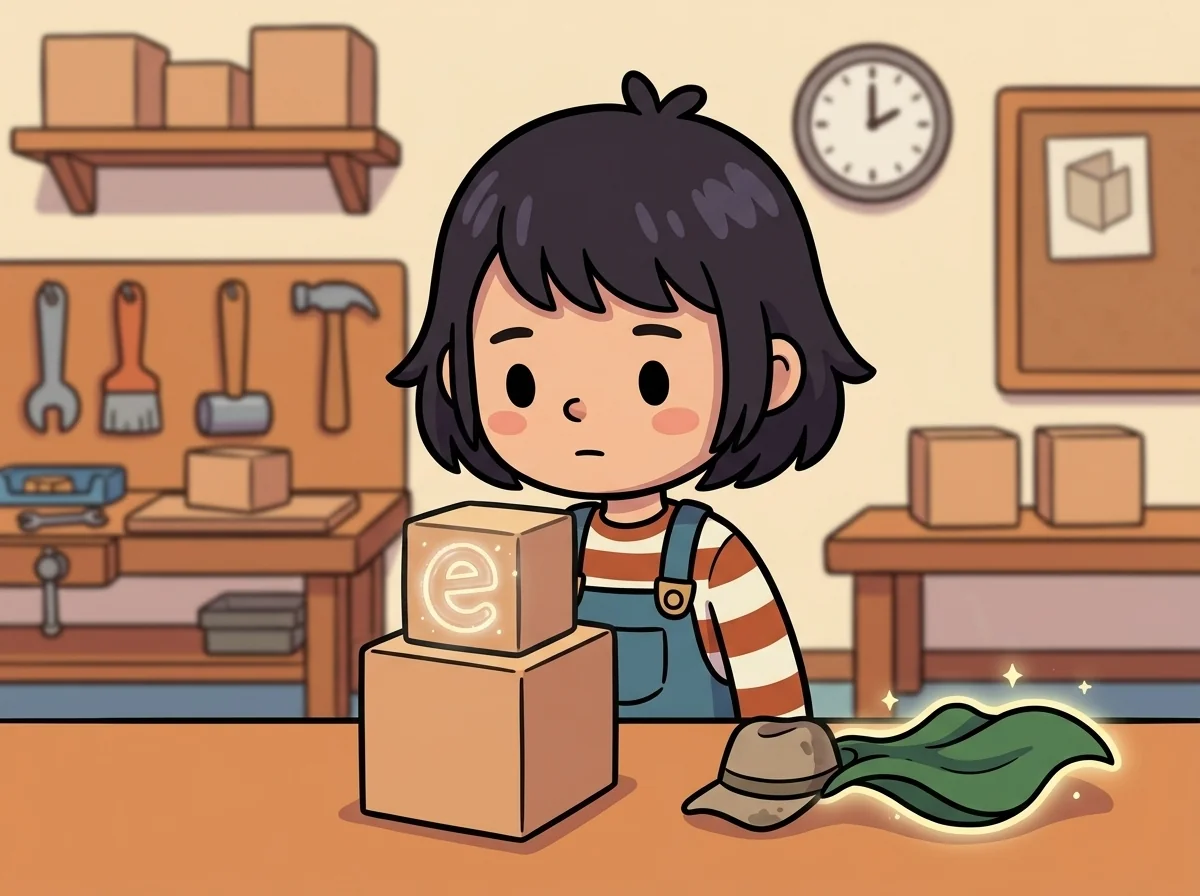
An old teacher — a slow-talking one, the kind who waited — finally showed her. He wrote rip on the board. "Read it." /rip/. Then he added an e. ripe. "Now the e — does it make a sound?"
"No," said Ellie.
"Right. It's silent. So it's useless, yeah? Pointless?"
"...I guess."
He smiled. "Read the word."
"/r/... /ie/... p... ripe." Ellie stopped. The i had changed. It wasn't /ih/ anymore. It was /ie/, saying its own name. And the only thing that had changed was a silent letter she'd almost called pointless.
"That e never makes a peep," the teacher said. "And it changes the whole word. Doesn't that sound like anybody you know?"
Ellie didn't answer. But she folded that idea up small and kept it, and it changed how she saw a lot more than words.

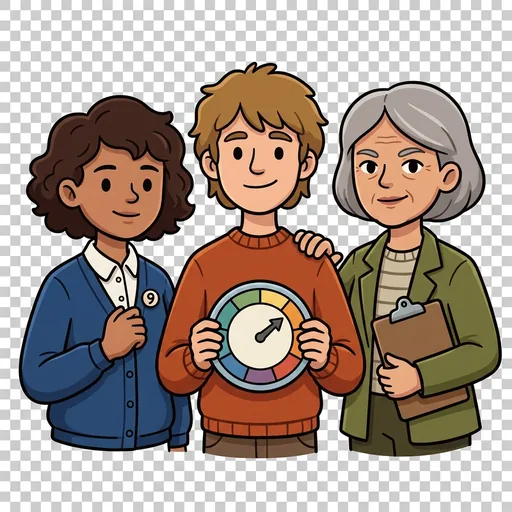
Years later, a girl named Priya came to the Forge, and Ellie recognized her instantly — quiet, arms crossed, sitting a little apart. Priya read hat, hop, cub just fine. But she read hate as /hat/, hope as /hop/, cube as /kub/. She was ignoring the silent e completely, because — she finally admitted, barely above a whisper — "it doesn't say anything, so why would it matter?"
Ellie didn't lecture. She wrote hop on the bench and read it with a little hop of her finger — short, flat. Then she added herself to the end: hope. She placed her finger silently on the e, made no sound, and then drew an arc back over the p to the o — and looked at Priya, waiting.
Priya frowned at the arc. "So the e... reaches back? And makes the o say...?"
Ellie just nodded, once.
"/h/... /oe/... p... hope." Priya's voice caught. "The o says its name now. Because of the letter that doesn't say anything."
Ellie showed her the card from her pocket. You don't have to be loud to change everything.

Priya read them all after that — kite, cube, cane, note, these — every word where a silent letter reaches back and turns a short flat vowel into one that says its own name. But Ellie could tell the words weren't really the point anymore, not for Priya. Something else had landed.
"I always thought quiet meant you didn't count," Priya said, very softly, mostly to the bench. "Like if you're not loud, you're not... doing anything."
Ellie sat with her a moment. Then she did something rare: she spoke. Just a little.
"I'm the quietest letter in the whole language," she said. "I never make a sound. And there are thousands of words that would be wrong without me. Nobody hears me. Everybody needs me." She tapped the card. "Loud isn't the same as important. You can change everything and never raise your voice. I do it all day."
And that's the feeling Ellie gives away, to every quiet kid who's decided they don't count: the quiet thing you do is not nothing. It's often the thing that changes the whole word. You were never invisible. You were just working in a way loud people don't always notice — which is not the same, at all, as not mattering.
Priya uncrossed her arms. She didn't get loud. She just stopped believing she had to.
Hear it as an audio drama
A short play starring Silent Ellie, from DecodeForge. Different voices, same idea. Listen any time after you read.
Loading audio…
Read the drama script
- Narrator: From Spark and Anvil and Decodeforge — this is Silent Ellie, in chapter 1 of the Decodeforge cast.
- Narrator: This drama uses an AI-generated voice. Voiced via Gemini 2.5.
- Narrator: Silent Ellie is quiet and dry, easy to overlook. She is the silent e that makes a vowel say its own name.
- Narrator: A student named Theo read "cape" as "cap" and stopped, because the sentence made no sense.
- Theo: Cap? But that doesn't fit here.
- Silent Ellie: You skipped me. I don't blame you — I make no sound at all. But watch. Cover the e: "cap," short a. Uncover me: "cape" — now the a says its name.
- Theo: Cape! The e changed the vowel.
- Silent Ellie: That's the silent e pattern — vowel, one consonant, then me. When you see it, the vowel goes long. Hop becomes hope. Kit becomes kite. I'm the quietest letter and the most powerful.
- Narrator: When she was young, readers ignored Ellie, read "hope" as "hop," and blamed themselves when sentences stopped meaning anything.
- Silent Ellie: An old teacher taught one habit: scan to the end before you commit to the vowel. Is there a silent e reaching back? If yes, the vowel is long. You read the end to know the middle.
- Silent Ellie: And I have honest exceptions — have, give, live. Why? Because no English word is allowed to end in v. So the e is only propping up the v. That's not the rule breaking; that's two rules sharing one letter.
- Narrator: Theo hit "stripe," ran his eye to the end, saw the silent e, and the i said its name.
- Silent Ellie: Then on the next line, "strip," no e — short i. Same letters in the middle; the ending told him which vowel.
- Silent Ellie: Read the end to know the middle. I never make a sound. I just tell the vowel who it really is.
- Narrator: You've been listening to a Spark and Anvil chapter, written by the Spark and Anvil writing team for ages 9 to 14.
- Narrator: Apps stay free forever.
- Narrator: Curriculum aligned to Common Core and Next Generation Science Standards.
- Narrator: Released under Creative Commons BY-NC-SA 4.0 for educational reuse. Visit Spark and Anvil for the full transcript.
The DecodeForge ensemble
Silent Ellie is one of the friends in DecodeForge. Each friend shows you one idea by how they act; meet them all and you have the whole subject.
-

Segwyn
Segment & blend — the master decoder who slides a word apart into its sounds and back together, and coaches the rest
-
Chip
Syllable division — chips a big word into syllable chunks you can actually say
-

Digby
Digraphs — fuses two letters into ONE sound (the 'one-breath' trick)
-
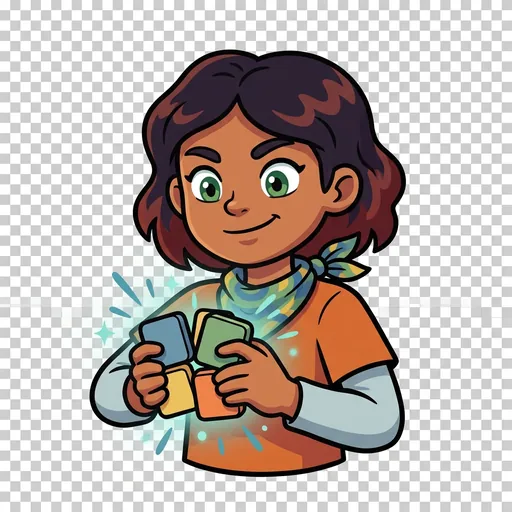
Blenda
Consonant blends — smashes a cluster together so each sound still shows
-

Sylva
Vowel teams — pairs two vowels so the first does the talking
-

Prefa
Prefixes — clips a meaning-unit onto the FRONT of a word
-

Rootley
Roots / bases — holds the meaning core everything attaches to
-

Fixby
Suffixes — tacks a meaning-unit onto the END and guards the spelling-change rule
-

Fluenna
Fluency — reads the same passage until it flows, keeping the beat (repeated reading)
-
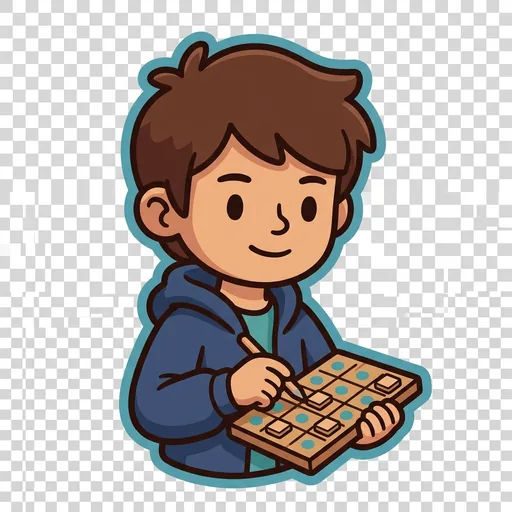
Mapper
Phoneme-grapheme mapping — maps each sound to its spelling tile on the board