Segwyn
SEGMENT & BLEND — a word is a row of separate sounds. Slide it apart to hear each sound, then slide the sounds back together to say the whole word. /s/ /t/ /r/ /ee/ /t/ blends into "street."
Loading audio…
Press play to listen along. The line being read lights up as you go.
Show full transcript
Loading transcript…
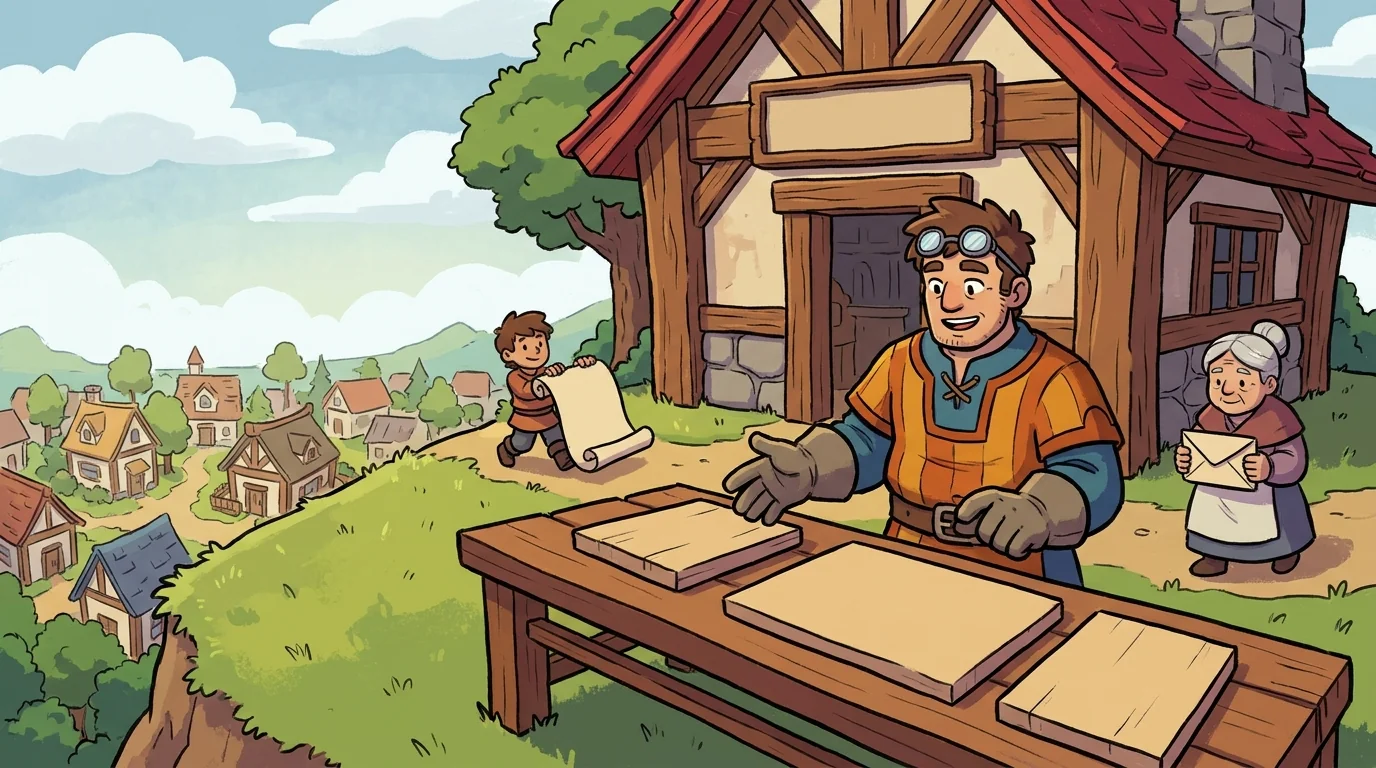
Up on the hill above town there's a workshop called the Forge, and the whole point of the Forge is this: no word is too big to read. It's just made of small parts.
Segwyn runs the place. He's the oldest decoder there, with reading glasses pushed up on his forehead that he never actually looks through. All day, people bring him words that scared them. A kid drags in a word off a science page. A grandmother brings a word from a letter she got in the mail. They set the word down on Segwyn's long workbench like it might bite.
And Segwyn does the same thing every time. He doesn't read the word fast to show off. He puts one finger under it and slides it apart — pulling the sounds away from each other, one at a time, so slowly you can hear each one land. Then he slides them back together and the word just... says itself.
Over the door of the Forge there's a sign, and it doesn't say anything fancy. It says: A big word is not one big thing. It's small sounds standing in a row.
Segwyn wasn't born knowing this. When he was your age, a word looked to him like a smear of gray paint. Not letters. Just a blur that everyone else could somehow read and he couldn't.
He remembers standing at the front of a classroom, holding a card with a word on it, and the word was stream. Six letters. The teacher waited. The class waited. And Segwyn stood there feeling his ears go hot, because the harder he stared, the more the letters melted into each other. He guessed "storm." Wrong. He guessed "steam." Wrong. Somebody laughed, and he decided right then that he was just a person who couldn't read. Some people were. He'd be one of them.
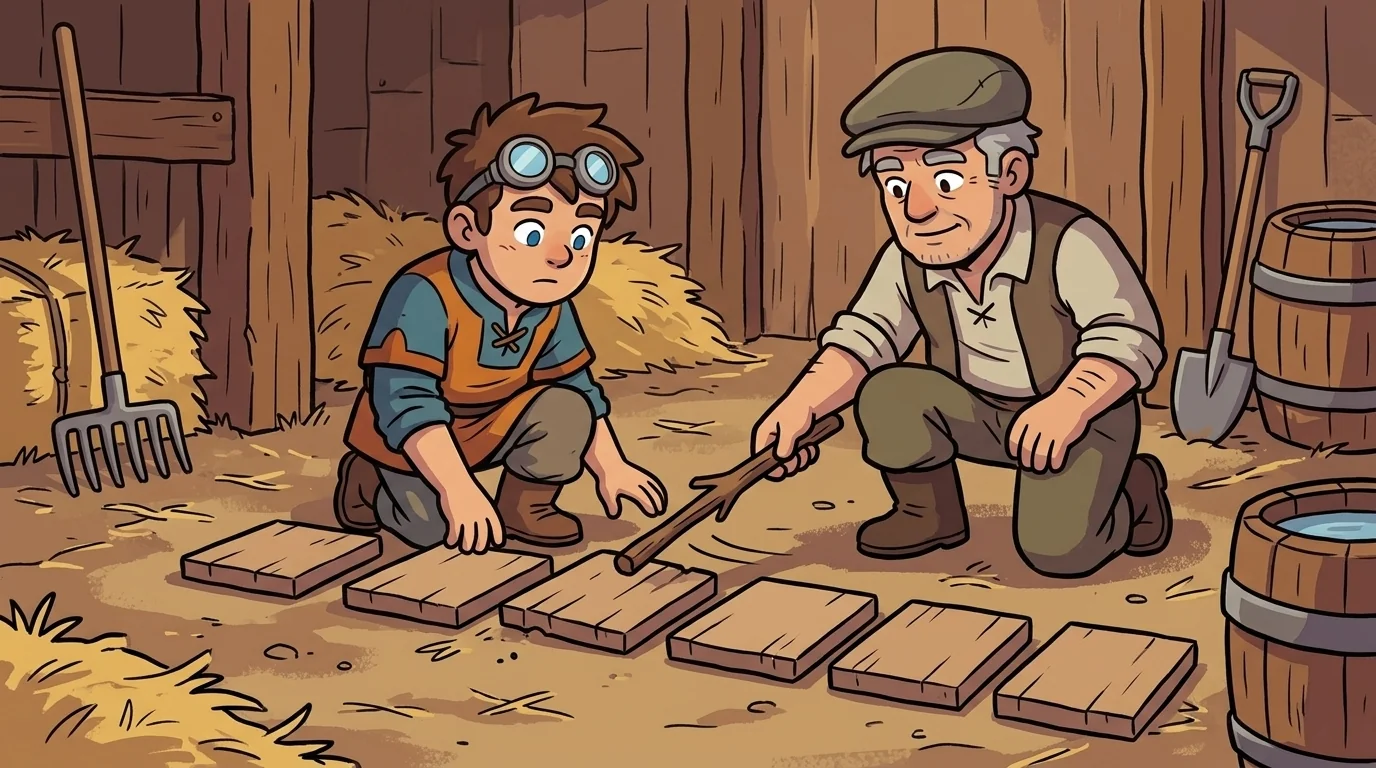
That night his uncle found him not-crying in the barn — the kind of not-crying where your whole face hurts from holding it. His uncle didn't say it's easy or just try harder. He picked up a stick and drew the word in the dirt. Then he covered all of it except the very first letter.
"What sound does that one make?" he asked. Just one. Segwyn could do one. "/s/," he said. His uncle slid his hand over. "And that one?" "/t/." One at a time, in the dirt, until Segwyn had said every sound out loud with nothing melting. Then his uncle swept his hand back across the whole word, slow. "Now push them together."
"/s/... /t/... /r/... /ee/... /m/... stream," Segwyn said. And it was the first word he ever read that stayed still.
He never forgot the feeling of the letters holding still. So when he was grown, he built the Forge.
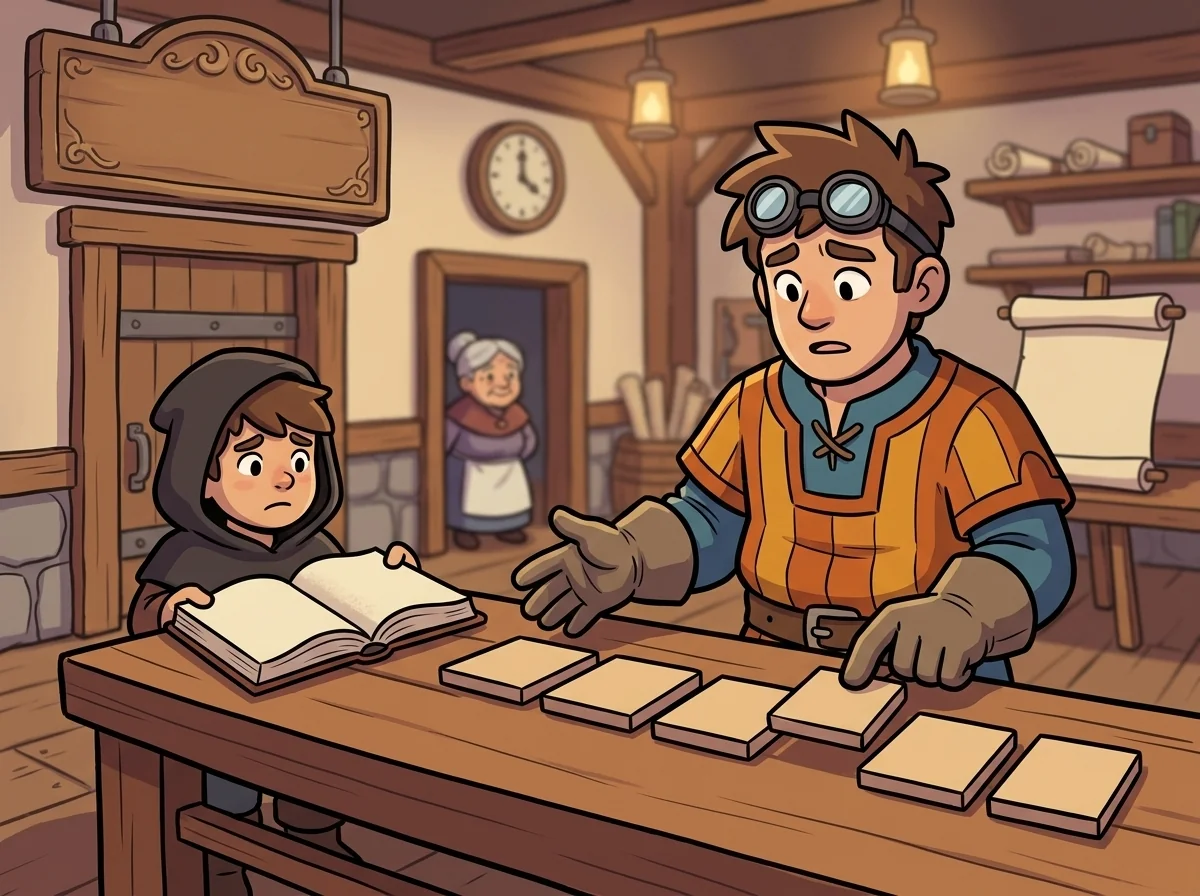
The first person to walk in was a boy named Otto who wouldn't take his hood down. Otto had a note from his teacher that said he was "behind," which is the kind of word grown-ups use that lands on a kid like a rock. He slid a book across the bench, open to a word he hated: frightened.
"I can't," Otto said, before Segwyn even picked it up. "I already know I can't. I'm behind."
Segwyn pushed the book back toward him. "You're not behind," he said. "You've just been trying to swallow the whole word in one bite. Nobody can do that. Not me. Not anybody. We take it apart."
Otto looked at him like this was a trick. Everyone did, at first.
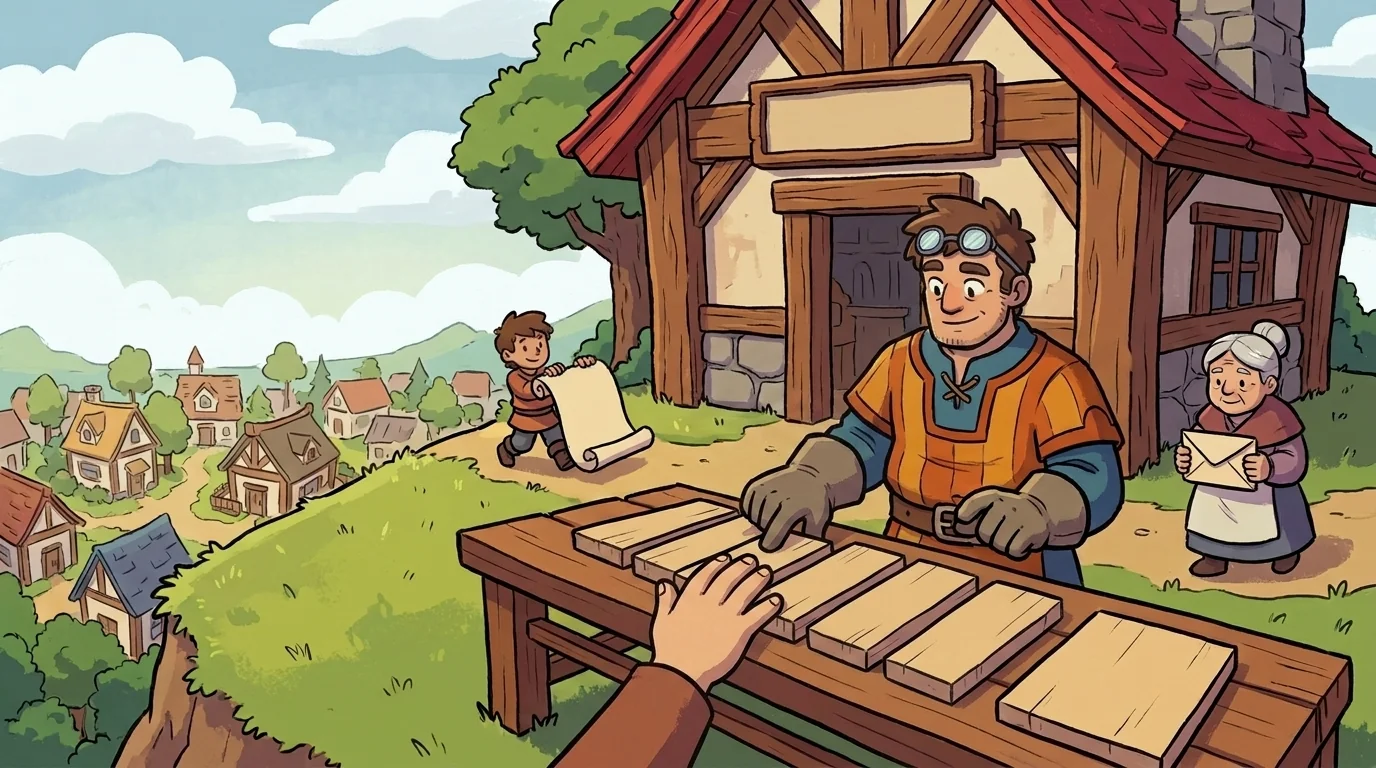
Segwyn covered the word with his hand and uncovered just the front. "One sound," he said. "That's all I ever ask for. One."
"/f/," said Otto.
"See, you're a reader already." Segwyn slid his hand over. "/r/." Over. "/ie/." Over. "/t/." Over. "/n/." Over. "/d/." He never rushed him. When Otto got a sound wrong — he said /f/ /r/ /i/ short, like frit — Segwyn didn't wince or sigh. "Good — that tells us this vowel's doing something. Try the long one, the one that says its own name." "/ie/." "There it is."
That was the part Otto couldn't get over later, when he told his little sister about it. Getting a sound wrong didn't make Segwyn's face do anything. To Segwyn, a wrong sound wasn't a fail. It was just an arrow pointing at the piece to look at again.
"Now the best part," Segwyn said. "Push them together. Slow is fine. Slow is good."
"/f/... /r/... /ie/... /t/... /n/... /d/..." Otto's voice sped up on its own at the end, the way a sled speeds up at the bottom of a hill. "Frightened."
He read it. The word that had a whole feeling built into it, and he'd just read it out loud, and nothing melted.
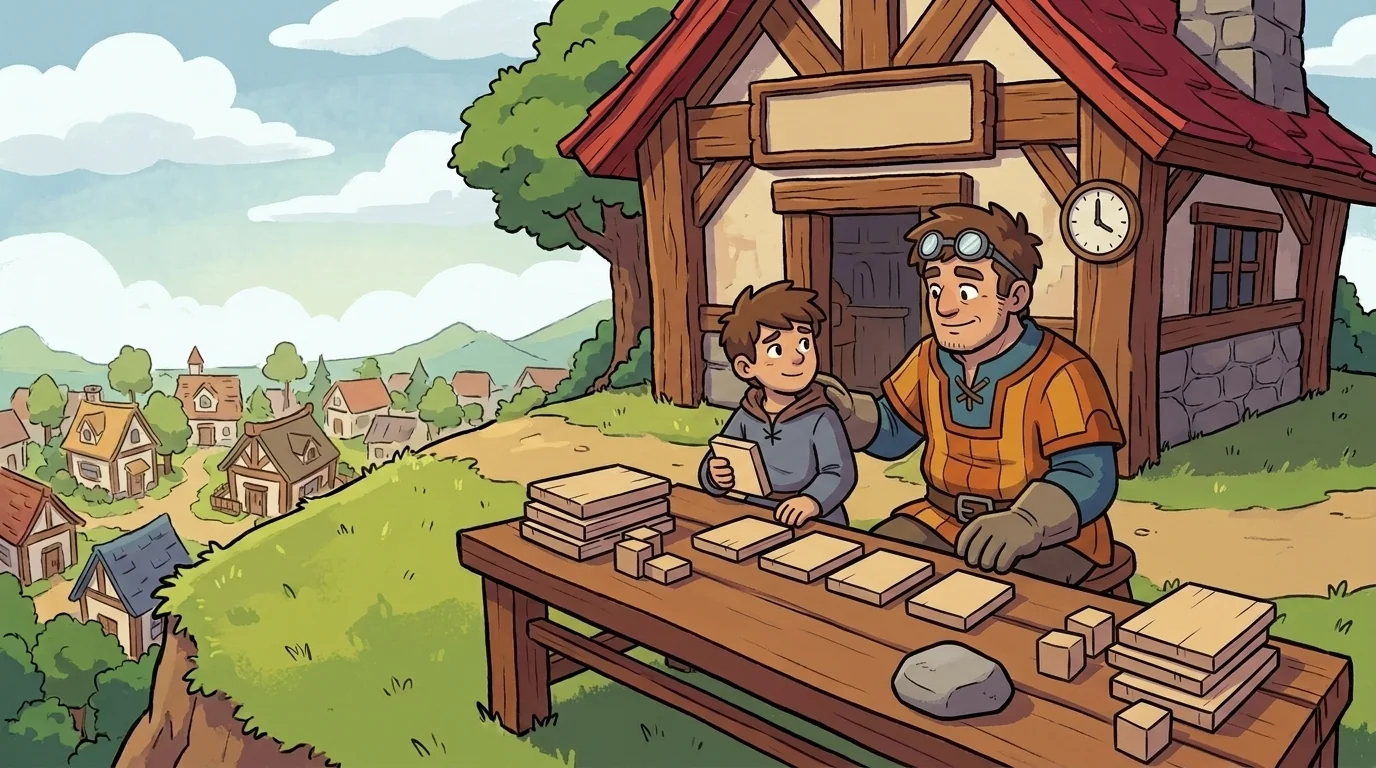
Otto pushed his hood back without noticing he did it.
"I read it," he said. He said it quietly, almost like a question, like he didn't fully believe his own mouth.
"You did," said Segwyn. "You always could. You just needed to hear that a word isn't a wall you climb. It's a row of small sounds, standing next to each other, waiting for you to pick them up one at a time."
Otto sat with that. And here's the thing Segwyn watched happen — the thing he built the whole Forge to watch happen. It wasn't that Otto looked smart. It was that Otto looked lighter, like something heavy he'd been carrying around in his chest, this idea that he was a person who couldn't, had just been set down on the bench and taken apart, same as the word. Turned out that wasn't one big true thing about him either. It was just a rock somebody handed him once. He didn't have to keep holding it.
Segwyn knows that feeling better than anyone. He felt it first in a barn, in the dirt, at your age. The feeling isn't really about reading. It's the feeling of finding out that the thing you were sure you couldn't do was only ever a pile of small things you could do, stacked up to look scary.
He never charges anyone to come to the Forge. He just likes watching the heavy thing lift off a kid's face — that lightness, that relief — because he remembers exactly how it felt when it lifted off his. He figures somebody once drew a word in the dirt for him for free.
The DecodeForge ensemble
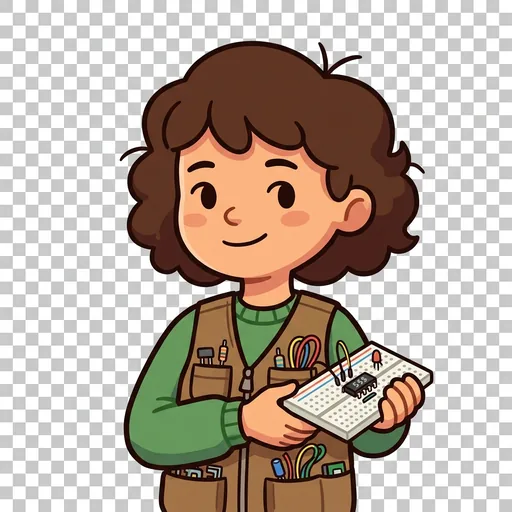
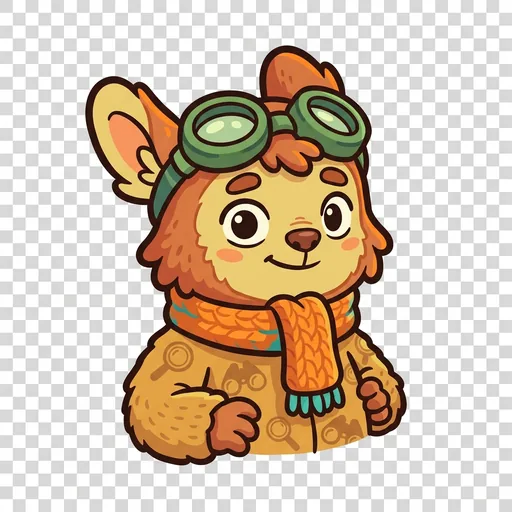
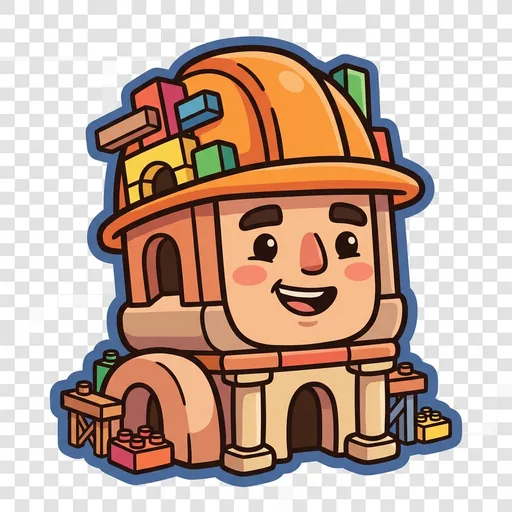
Segwyn is part of DecodeForge's distributed-narrative cast. Each character embodies a different curricular primitive; together they teach the full subject.
-
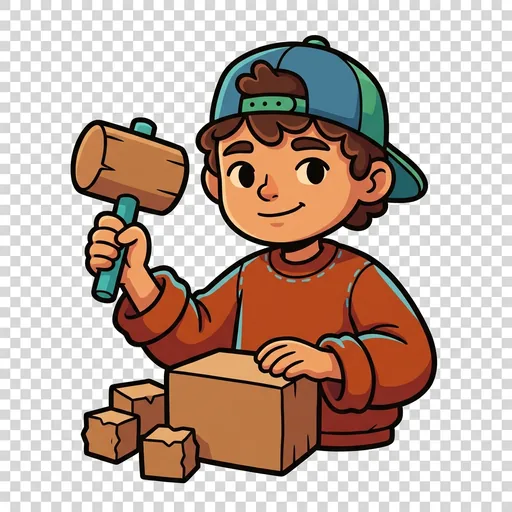
Chip
Syllable division — chips a big word into syllable chunks you can actually say
-
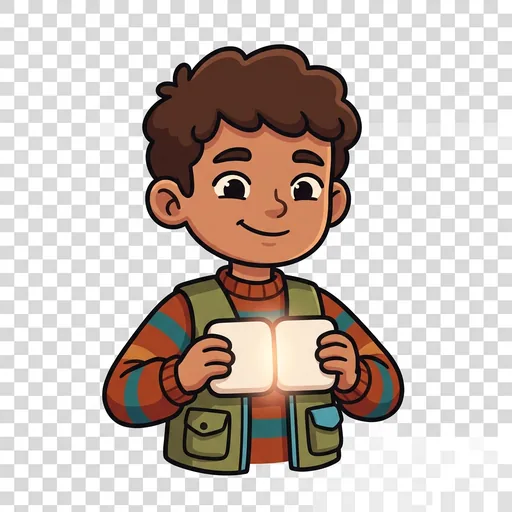
Digby
Digraphs — fuses two letters into ONE sound (the 'one-breath' trick)
-
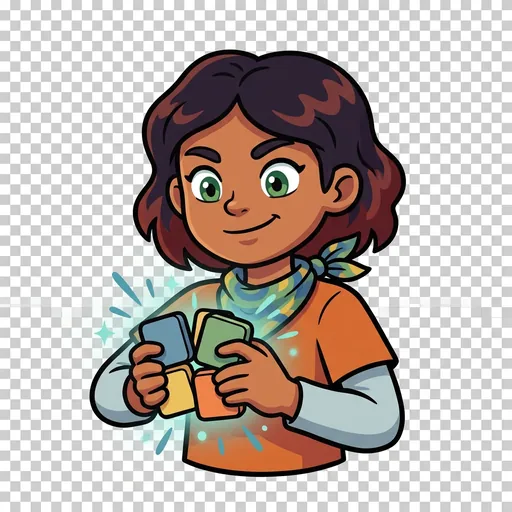
Blenda
Consonant blends — smashes a cluster together so each sound still shows
-
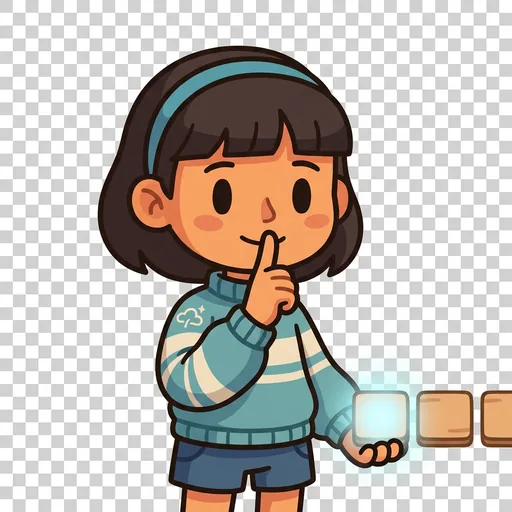
Silent Ellie
Silent / magic-e — stands silent at a word's end and makes the vowel say its name
-
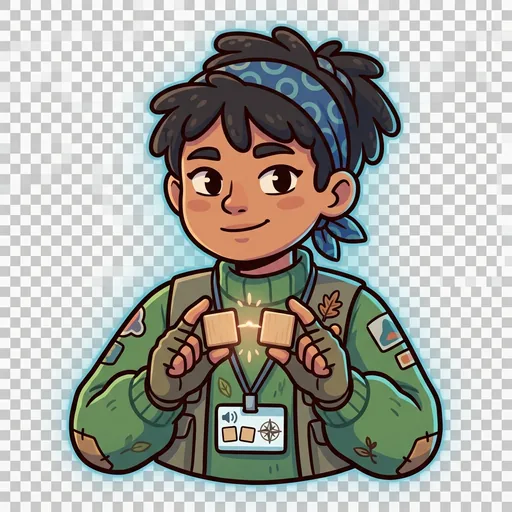
Sylva
Vowel teams — pairs two vowels so the first does the talking
-
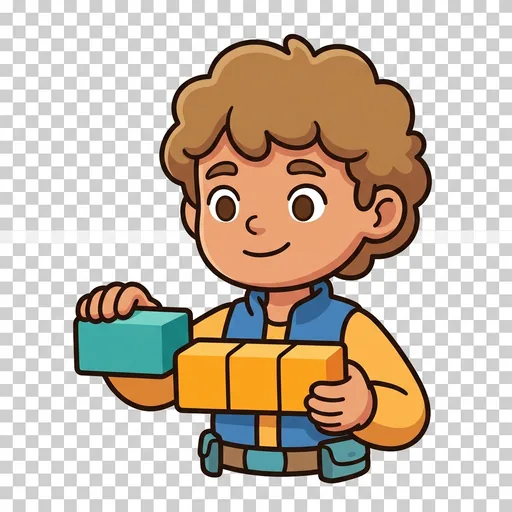
Prefa
Prefixes — clips a meaning-unit onto the FRONT of a word
-
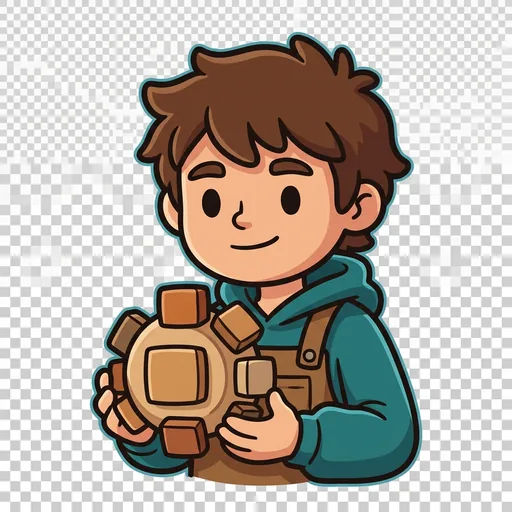
Rootley
Roots / bases — holds the meaning core everything attaches to
-
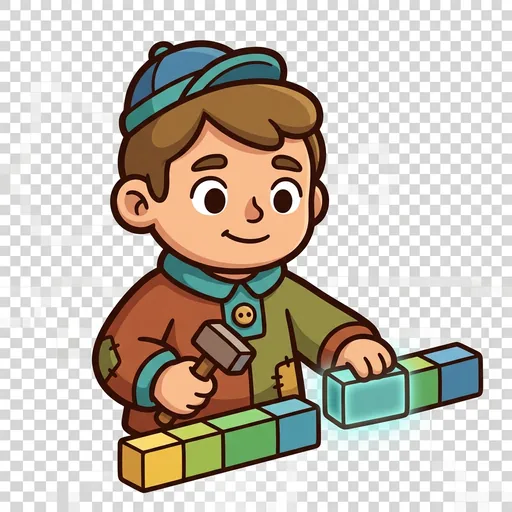
Fixby
Suffixes — tacks a meaning-unit onto the END and guards the spelling-change rule
-
Fluenna
Fluency — reads the same passage until it flows, keeping the beat (repeated reading)
-
Mapper
Phoneme-grapheme mapping — maps each sound to its spelling tile on the board